AI Impact on Healthcare Industry
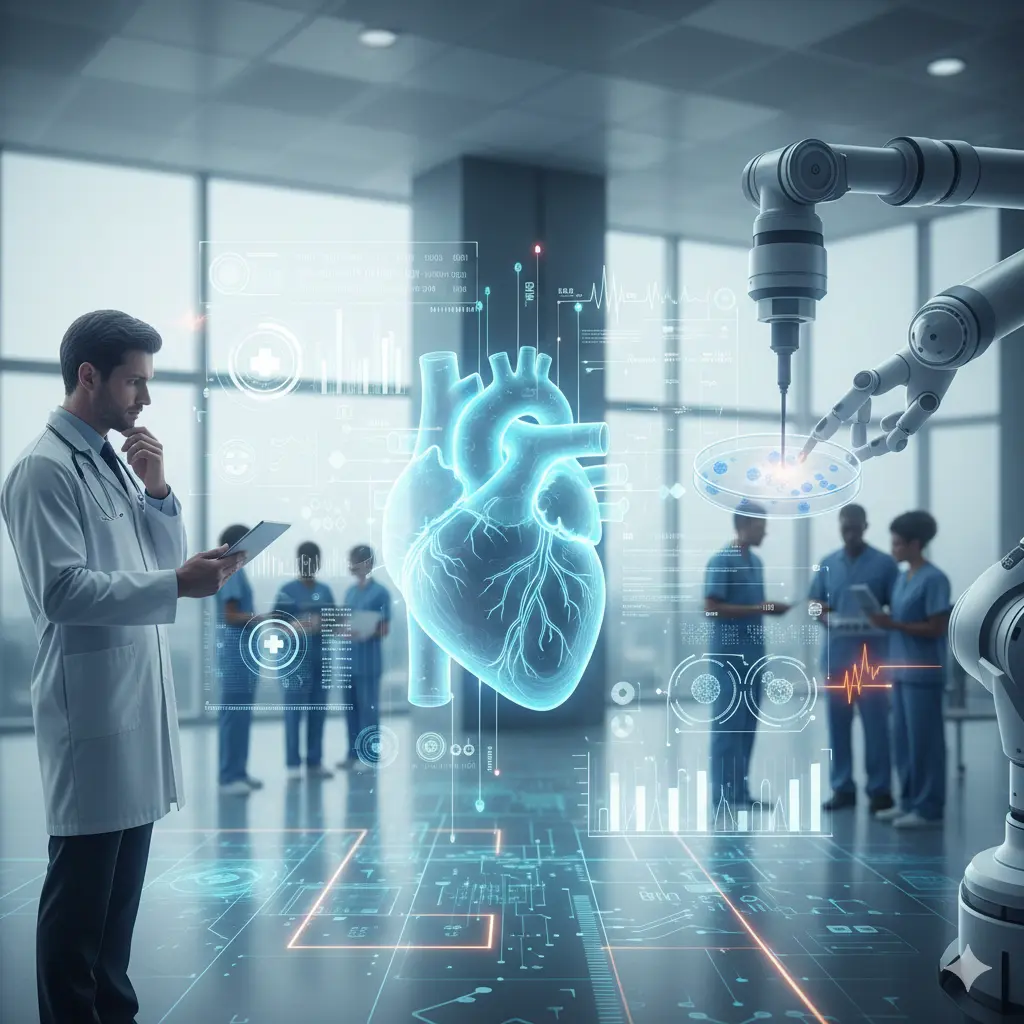
Imagine being able to diagnose diseases more accurately and quickly, or having personalized treatment plans tailored to your specific genetic profile. This is the promise of artificial intelligence in healthcare, and I think it's an incredibly exciting development. As you read this article, you'll
The Lankawebsites editorial team curates, fact-checks, and updates guides on personal finance, property, health, immigration, legal, business, and lifestyle topics relevant to Lankawebsites readers. Articles are produced with AI assistance and reviewed by the editorial team before publication.
Imagine being able to diagnose diseases more accurately and quickly, or having personalized treatment plans tailored to your specific genetic profile. This is the promise of artificial intelligence in healthcare, and I think it's an incredibly exciting development. As you read this article, you'll learn about the many ways AI is transforming the healthcare industry, from diagnosis and treatment to patient engagement and personalized medicine. You'll discover the benefits of AI in healthcare, including improved patient outcomes and increased efficiency, as well as the challenges and limitations that must be addressed.
By the end of this article, you'll have a deeper understanding of the current state of AI in healthcare and the potential it holds for the future. You'll learn about the latest advancements in AI-powered diagnosis and treatment, and how these technologies are being used to improve patient care. You'll also learn about the importance of data quality and regulatory frameworks in ensuring the safe and effective use of AI in healthcare. So, let's get started and explore the many ways AI is changing the face of healthcare.
Introduction to AI in Healthcare
I think one of the most significant areas where AI is making a major impact is in diagnosis. AI-powered diagnosis uses machine learning algorithms to analyze medical images, patient data, and other factors to identify diseases and conditions more accurately and quickly than human doctors. For example, AI-powered computer vision can be used to analyze medical images such as X-rays and MRIs to detect abnormalities and diagnose conditions such as cancer. This technology has the potential to revolutionize the way we diagnose diseases, and I think it's an area that holds a lot of promise.
Another area where AI is making a significant impact is in personalized medicine. Personalized medicine involves tailoring treatment plans to an individual's specific genetic profile, medical history, and lifestyle. AI can be used to analyze large amounts of data and identify patterns and correlations that can inform personalized treatment plans. For example, AI can be used to analyze genomic data to identify genetic mutations that are associated with specific diseases, and to develop targeted therapies that are tailored to an individual's specific genetic profile. I think this is an area that has the potential to transform the way we approach healthcare, and to improve patient outcomes in a significant way.
AI is also being used to improve patient outcomes and increase efficiency in healthcare. For example, AI-powered chatbots can be used to help patients manage their care, and to provide personalized support and guidance. AI can also be used to analyze large amounts of data and identify patterns and correlations that can inform healthcare decisions. I think this is an area that holds a lot of promise, and one that we'll be exploring in more depth throughout this article.

Benefits of AI in Healthcare
I think one of the most significant benefits of AI in healthcare is improved patient outcomes. AI-powered diagnosis and treatment can help doctors to identify diseases and conditions more accurately and quickly, and to develop personalized treatment plans that are tailored to an individual's specific needs. For example, a study published in the journal Nature Medicine found that an AI-powered computer vision system was able to detect breast cancer from mammography images with a high degree of accuracy, outperforming human doctors in some cases. This technology has the potential to revolutionize the way we diagnose and treat diseases, and to improve patient outcomes in a significant way.
Another benefit of AI in healthcare is increased efficiency. AI can be used to automate routine tasks and workflows, freeing up doctors and other healthcare professionals to focus on more complex and high-value tasks. For example, AI-powered chatbots can be used to help patients manage their care, and to provide personalized support and guidance. AI can also be used to analyze large amounts of data and identify patterns and correlations that can inform healthcare decisions. I think this is an area that holds a lot of promise, and one that we'll be exploring in more depth throughout this article.
In addition to improved patient outcomes and increased efficiency, AI is also being used to reduce costs and improve the overall quality of care. For example, AI-powered predictive analytics can be used to identify patients who are at risk of developing certain conditions, and to develop targeted interventions to prevent these conditions from occurring. I think this is an area that has the potential to transform the way we approach healthcare, and to improve patient outcomes in a significant way.
AI-Powered Diagnosis and Treatment
I think one of the most exciting areas of research in AI-powered diagnosis and treatment is in the use of machine learning algorithms to analyze medical images. For example, AI-powered computer vision can be used to analyze medical images such as X-rays and MRIs to detect abnormalities and diagnose conditions such as cancer. This technology has the potential to revolutionize the way we diagnose diseases, and to improve patient outcomes in a significant way.
Another area where AI is making a significant impact is in predictive analytics. Predictive analytics involves using machine learning algorithms to analyze large amounts of data and identify patterns and correlations that can inform healthcare decisions. For example, AI-powered predictive analytics can be used to identify patients who are at risk of developing certain conditions, and to develop targeted interventions to prevent these conditions from occurring. I think this is an area that holds a lot of promise, and one that we'll be exploring in more depth throughout this article.
AI is also being used to improve the accuracy and efficiency of clinical trials. For example, AI-powered machine learning algorithms can be used to analyze large amounts of data and identify patterns and correlations that can inform the design and conduct of clinical trials. I think this is an area that has the potential to transform the way we approach healthcare, and to improve patient outcomes in a significant way. By using AI to analyze data and identify patterns, we can develop more effective treatments and improve patient care.
Personalized Medicine and AI
I think one of the most significant areas where AI is making a major impact is in genomic analysis. Genomic analysis involves analyzing an individual's genetic profile to identify genetic mutations and variations that are associated with specific diseases. AI can be used to analyze large amounts of genomic data and identify patterns and correlations that can inform personalized treatment plans. For example, AI can be used to analyze genomic data to identify genetic mutations that are associated with specific diseases, and to develop targeted therapies that are tailored to an individual's specific genetic profile.
Another area where AI is making a significant impact is in targeted therapies. Targeted therapies involve developing treatments that are tailored to an individual's specific genetic profile and medical history. AI can be used to analyze large amounts of data and identify patterns and correlations that can inform the development of targeted therapies. For example, AI can be used to analyze genomic data to identify genetic mutations that are associated with specific diseases, and to develop targeted therapies that are tailored to an individual's specific genetic profile. I think this is an area that holds a lot of promise, and one that we'll be exploring in more depth throughout this article.
In addition to genomic analysis and targeted therapies, AI is also being used to improve patient outcomes and increase efficiency in personalized medicine. For example, AI-powered chatbots can be used to help patients manage their care, and to provide personalized support and guidance. AI can also be used to analyze large amounts of data and identify patterns and correlations that can inform healthcare decisions. I think this is an area that has the potential to transform the way we approach healthcare, and to improve patient outcomes in a significant way.
AI-Driven Patient Engagement
I think one of the most significant areas where AI is making a major impact is in patient engagement. Patient engagement involves using AI-powered chatbots and virtual assistants to help patients manage their care, and to provide personalized support and guidance. For example, AI-powered chatbots can be used to help patients schedule appointments, refill prescriptions, and access medical records. I think this is an area that holds a lot of promise, and one that we'll be exploring in more depth throughout this article.
Another area where AI is making a significant impact is in virtual assistants. Virtual assistants involve using AI-powered virtual assistants to provide personalized support and guidance to patients. For example, AI-powered virtual assistants can be used to help patients manage their care, and to provide personalized support and guidance. I think this is an area that has the potential to transform the way we approach healthcare, and to improve patient outcomes in a significant way.
In addition to chatbots and virtual assistants, AI is also being used to improve patient outcomes and increase efficiency in patient engagement. For example, AI-powered predictive analytics can be used to identify patients who are at risk of developing certain conditions, and to develop targeted interventions to prevent these conditions from occurring. I think this is an area that holds a lot of promise, and one that we'll be exploring in more depth throughout this article. By using AI to analyze data and identify patterns, we can develop more effective treatments and improve patient care.
Challenges and Limitations of AI in Healthcare
I think one of the most significant challenges facing AI in healthcare is data quality. AI algorithms require high-quality data to learn and make accurate predictions, but healthcare data is often incomplete, inaccurate, or inconsistent. For example, electronic health records (EHRs) may contain errors or inconsistencies that can affect the accuracy of AI-powered diagnosis and treatment. I think this is an area that needs to be addressed, and one that we'll be exploring in more depth throughout this article.
Another challenge facing AI in healthcare is regulatory frameworks. Regulatory frameworks involve developing and implementing regulations and guidelines for the use of AI in healthcare. For example, the FDA has developed guidelines for the use of AI-powered medical devices, but these guidelines are still evolving and may not be comprehensive. I think this is an area that holds a lot of promise, and one that we'll be exploring in more depth throughout this article.
In addition to data quality and regulatory frameworks, AI is also facing challenges in terms of adoption and implementation. For example, many healthcare organizations may not have the resources or expertise to implement AI-powered solutions, and may require significant investment and training to adopt these technologies. I think this is an area that needs to be addressed, and one that we'll be exploring in more depth throughout this article. By addressing these challenges, we can unlock the full potential of AI in healthcare and improve patient outcomes in a significant way.
Future of AI in Healthcare
I think one of the most exciting areas of research in AI in healthcare is in emerging trends and innovations. For example, the use of natural language processing (NLP) to analyze medical texts and identify patterns and correlations that can inform healthcare decisions. Another area of research is in the use of computer vision to analyze medical images and detect abnormalities and diagnose conditions. I think these are areas that hold a lot of promise, and ones that we'll be exploring in more depth throughout this article.
Another area where AI is making a significant impact is in the development of new treatments and therapies. For example, AI can be used to analyze large amounts of data and identify patterns and correlations that can inform the development of new treatments and therapies. I think this is an area that has the potential to transform the way we approach healthcare, and to improve patient outcomes in a significant way. By using AI to analyze data and identify patterns, we can develop more effective treatments and improve patient care.
In addition to emerging trends and innovations, AI is also being used to improve patient outcomes and increase efficiency in healthcare. For example, AI-powered predictive analytics can be used to identify patients who are at risk of developing certain conditions, and to develop targeted interventions to prevent these conditions from occurring. I think this is an area that holds a lot of promise, and one that we'll be exploring in more depth throughout this article. By using AI to analyze data and identify patterns, we can develop more effective treatments and improve patient care.
Implementing AI in Healthcare Organizations
I think one of the most significant challenges facing healthcare organizations is implementing AI-powered solutions. Implementing AI-powered solutions involves developing and implementing strategies for the adoption and implementation of AI-powered technologies. For example, healthcare organizations may need to invest in new infrastructure and training to support the adoption of AI-powered solutions. I think this is an area that needs to be addressed, and one that we'll be exploring in more depth throughout this article.
Another challenge facing healthcare organizations is change management. Change management involves developing and implementing strategies for managing the cultural and organizational changes that are required to support the adoption of AI-powered solutions. For example, healthcare organizations may need to develop new workflows and processes to support the use of AI-powered chatbots and virtual assistants. I think this is an area that holds a lot of promise, and one that we'll be exploring in more depth throughout this article.
In addition to implementation and change management, AI is also being used to improve patient outcomes and increase efficiency in healthcare. For example, AI-powered predictive analytics can be used to identify patients who are at risk of developing certain conditions, and to develop targeted interventions to prevent these conditions from occurring. I think this is an area that has the potential to transform the way we approach healthcare, and to improve patient outcomes in a significant way. By using AI to analyze data and identify patterns, we can develop more effective treatments and improve patient care.
Key Takeaways
So, what are the key takeaways from our exploration of AI in healthcare? I think the most significant takeaway is that AI has the potential to transform the way we approach healthcare, and to improve patient outcomes in a significant way. By using AI to analyze data and identify patterns, we can develop more effective treatments and improve patient care. However, I also think that there are challenges and limitations that need to be addressed, such as data quality and regulatory frameworks.
As you consider the potential of AI in healthcare, I want to leave you with a thought-provoking question: what role do you think AI will play in shaping the future of healthcare, and how can we ensure that these technologies are used to improve patient outcomes and increase efficiency? I think this is a question that requires careful consideration, and one that we'll be exploring in more depth in the years to come.
Frequently Asked Questions
Related Articles

Sri Lanka FIU AML Overhaul: Banking Prepares for 2026 Global Evaluation
Sri Lanka's banks are racing against the clock to fortify their defences ahead of the 2026 Asia/Pacific Group (APG) Mutual Evaluation, with the Financial Intelligence Unit (FIU) driving a sweeping AML

Guide: Landing Sri Lanka's LKR 300K IT Jobs with Global Clients
Sri Lanka's IT sector is exploding in 2026, with software developers commanding average monthly salaries of LKR 300,000 while serving global clients from the comfort of Colombo or Kandy.[2][1] If you'

Some photos from my recent trip to beautiful Sri Lanka
As you plan your next overseas adventure, you may be considering a destination that offers a unique blend of culture, history, and natural beauty. If so, Sri Lanka is definitely worth exploring. Located in the Indian Ocean, just off the coast of India, this stunning island nation has a lot to offer travellers from New Zealand.
AI Impact on Marketing Industry
As a marketer, you're likely no stranger to the concept of artificial intelligence (AI) and its potential impact on your industry. But are you prepared to harness the power of AI to take your marketing efforts to the next level? With the ability to analyze vast amounts of data, personalize customer