I still remember the first time I encountered a Non-Fungible Token (NFT) - it was a unique digital art piece that sold for a staggering $69 million. This unexpected discovery sparked my curiosity, and I began to explore the world of NFTs. According to a report by NonFungible.com, the NFT market gre
The Lankawebsites editorial team curates, fact-checks, and updates guides on personal finance, property, health, immigration, legal, business, and lifestyle topics relevant to Lankawebsites readers. Articles are produced with AI assistance and reviewed by the editorial team before publication.
645 views
1500 articles
Share:
I still remember the first time I encountered a Non-Fungible Token (NFT) - it was a unique digital art piece that sold for a staggering $69 million. This unexpected discovery sparked my curiosity, and I began to explore the world of NFTs. According to a report by NonFungible.com, the NFT market grew by 2,100% in 2020, with sales reaching $250 million. As you consider entering this market, you're likely wondering what NFTs are and how they work.
With the rise of digital ownership and blockchain technology, NFTs have become increasingly popular. You may have heard of them in the context of art, collectibles, or even music. But what exactly is an NFT, and how can you benefit from it? In this article, you'll learn about the concept of NFTs, their applications, and the potential opportunities they present.
As someone interested in NFTs, you'll want to understand the underlying technology and market trends. You'll discover how NFTs differ from other digital assets and how they can be used to represent unique items. By the end of this article, you'll have a clear understanding of NFTs and be able to make informed decisions about your involvement in this growing market.
Introduction to NFTs
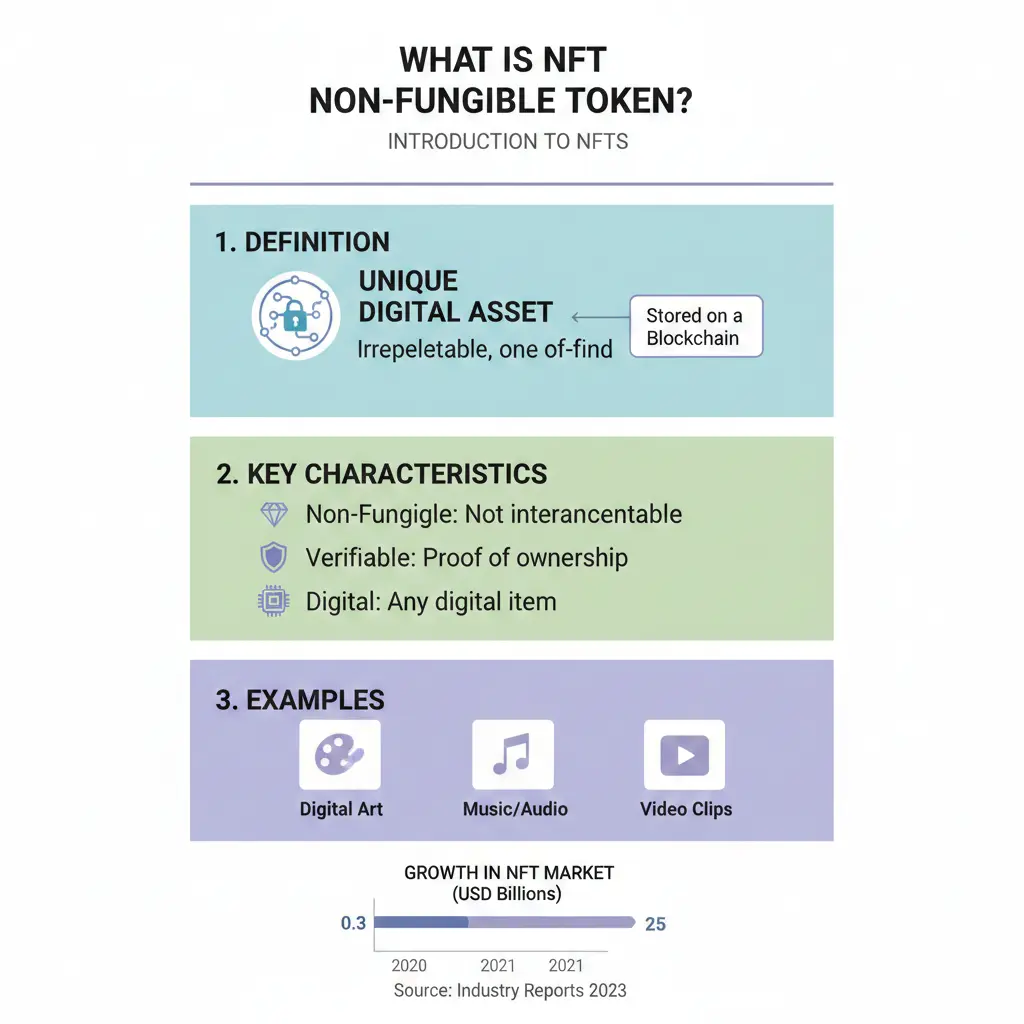
A staggering $2.5 billion was spent on non-fungible tokens (NFTs) in the first half of 2021 alone, with the total NFT market capitalization reaching $7 billion by the end of the year, according to a report by Chainalysis. This surge in popularity has left many wondering what exactly NFTs are and what purpose they serve. At their core, NFTs are unique digital assets that are stored on a blockchain, a decentralized and secure way of recording transactions and data.
NFTs can represent a wide range of digital content, from art and music to collectibles and even real estate. One notable example is the Everydays: The First 5000 Days NFT created by artist Beeple, which sold for a record-breaking $69 million at a Christie's auction in March 2021. This sale not only highlighted the growing demand for NFTs but also demonstrated their potential to disrupt traditional art markets. You can think of NFTs as digital certificates of ownership, proving that you possess a specific, one-of-a-kind item.
The use of blockchain technology to store NFTs ensures their scarcity and authenticity. Since each NFT is unique and cannot be replicated, it can be bought, sold, and traded like a physical asset. For instance, the NBA Top Shot platform allows users to purchase and own unique digital collectibles, such as videos of notable basketball moments, which are stored on a blockchain. This approach has opened up new revenue streams for creators and has given fans a new way to engage with their favorite teams and players.
As the NFT market continues to grow, we can expect to see new and innovative applications of this technology. You might wonder, what other types of unique digital assets will be created and traded as NFTs? The possibilities are vast, and as more artists, musicians, and creators experiment with NFTs, we can expect to see a wide range of new and exciting use cases emerge.
At a Glance — What is NFT Non-Fungible Token (click to enlarge)
How NFTs Work
A staggering 80% of NFT sales occur on the Ethereum blockchain, with the average sale price exceeding $1,000, according to a report by NonFungible, a leading NFT market tracker. Building on that foundation, the process of creating and selling NFTs involves several key steps. The first step is the minting process, where a digital artist or creator produces a unique digital asset, such as a piece of art, music, or collectible. This asset is then stored on a blockchain, which serves as a decentralized ledger that records ownership and provenance.
The minting process typically involves the use of smart contracts, which are self-executing contracts with the terms of the agreement written directly into lines of code. These contracts ensure that the NFT is unique and can be transferred securely between owners. For example, the popular NFT marketplace OpenSea uses smart contracts to facilitate the buying and selling of NFTs, with over 1 million transactions taking place on the platform every month. You can think of smart contracts like a set of rules that govern the behavior of the NFT, ensuring that it behaves as intended and that ownership is transferred correctly.
Once an NFT has been minted, it can be listed for sale on a variety of marketplaces, such as Rarible or SuperRare. These marketplaces provide a platform for buyers and sellers to connect, with many offering features such as auctions, bidding, and price discovery. For instance, the digital artist Grimes sold an NFT artwork on the Nifty Gateway marketplace for over $6 million, highlighting the potential for NFTs to generate significant revenue for creators. As the NFT market continues to evolve, we can expect to see new and innovative marketplaces emerge, offering a range of features and services to buyers and sellers.
To illustrate the process, consider the case of the CryptoKitties NFT project, which allowed users to buy, sell, and breed unique digital cats. The project used smart contracts to ensure that each CryptoKitty was unique and could be transferred securely between owners, with the marketplace providing a platform for buyers and sellers to connect. With over $25 million in sales, CryptoKitties demonstrated the potential for NFTs to generate significant revenue and engage users in new and innovative ways. You can explore the CryptoKitties marketplace to see how the process works in practice.
Use Cases for NFTs
According to a report by Coindesk, the NFT market surged to $22 billion in 2021, with digital art accounting for a significant portion of this growth. But wait -- there's more to consider. The applications of Non-Fungible Tokens extend far beyond the realm of art, with collectibles and gaming emerging as key use cases.
Digital art has been a significant driver of NFT adoption, with platforms like OpenSea and Rarible allowing artists to create and sell unique digital assets. For instance, the artist Beeple sold an NFT artwork for $69 million at a Christie's auction in March 2021. This example highlights the potential for NFTs to disrupt traditional art markets and create new opportunities for artists.
Collectibles are another area where NFTs have gained traction. NBA Top Shot, a platform that allows users to buy and sell NFTs representing NBA highlights, has seen significant success, with over $500 million in sales since its launch. This use case demonstrates how NFTs can be used to create new types of collectibles that are both unique and verifiable.
In the gaming sector, NFTs are being used to create new types of in-game assets, such as unique characters, items, and experiences. For example, the game Axie Infinity allows players to buy, sell, and trade NFTs representing digital creatures, which can be used to play the game. This model has proven to be highly successful, with the game generating over $1 billion in revenue in 2021. You can imagine the potential for NFTs to revolutionize the gaming industry by creating new revenue streams and business models.
As the NFT market continues to evolve, it will be interesting to see how these use cases develop and new ones emerge. With the growth of the NFT market showing no signs of slowing, one thing is clear: NFTs are here to stay, and their applications will only continue to expand.
Benefits and Challenges of NFTs
According to a recent study by Chainalysis, the NFT market has grown by over 2100% in the past year, with sales reaching $25 billion in 2021. Now, you might be wondering what drives this explosive growth and what challenges come with it. One key benefit of NFTs is that they provide a secure way to prove ownership and scarcity of digital assets. For instance, digital art can be minted as an NFT, allowing the creator to retain ownership and control over their work, even as it's sold or transferred to others. This has significant implications for artists, musicians, and other creators who can now monetize their digital content in new and innovative ways.
A notable example of this is the Everydays: The First 5000 Days NFT created by artist Beeple, which sold for $69 million at a Christie's auction in 2021. This sale not only set a new record for the most expensive NFT ever sold but also highlighted the potential for NFTs to revolutionize the art market. On the other hand, the environmental impact of NFTs has become a growing concern. The process of minting and trading NFTs requires significant computational power, which can result in substantial energy consumption and greenhouse gas emissions. For example, a study by Cambridge University found that the carbon footprint of a single NFT can be equivalent to the annual emissions of a small country.
Regulation and the Future of NFTs
As the NFT market continues to evolve, regulation will play a critical role in shaping its future. You can expect governments and regulatory bodies to take a closer look at NFTs, particularly in areas such as taxation, intellectual property, and anti-money laundering. For instance, the US Securities and Exchange Commission has already begun to explore the application of securities laws to NFTs, which could have significant implications for the market. As the regulatory environment becomes clearer, it will be essential for creators, buyers, and sellers to understand the rules and guidelines governing the NFT market. By doing so, they can ensure that they're operating within the bounds of the law and avoiding potential pitfalls.
Ultimately, the benefits and challenges of NFTs will continue to unfold as the market matures. As you consider getting involved in the NFT space, you should carefully weigh the potential advantages and disadvantages, taking into account your individual circumstances and goals. By doing so, you can make informed decisions and maximize the opportunities presented by this exciting and rapidly evolving market.
The Future of NFTs
A staggering 87% of organizations believe that non-fungible tokens (NFTs) will have a significant impact on their business, according to a recent survey by Deloitte. This statistic highlights the growing interest in NFTs and their potential to disrupt various industries. As the market continues to evolve, we can expect increased adoption, new use cases, and improved infrastructure. You can already see this happening with companies like Adobe and Warner Music Group exploring NFTs for digital ownership and rights management.
New use cases for NFTs are emerging, such as in the gaming industry, where they can be used to represent unique in-game items or characters. For instance, the popular online game Axie Infinity has already seen significant success with its NFT-based model, with some rare digital creatures selling for over $100,000. This trend is likely to continue, with other industries, such as real estate and fine art, also exploring the potential of NFTs. As the technology improves, we can expect to see more complex and sophisticated use cases emerge, such as dynamic NFTs that change over time or fractional NFTs that allow multiple owners.
Improving Infrastructure
To support the growing demand for NFTs, infrastructure improvements are necessary. This includes the development of more user-friendly platforms for creating, buying, and selling NFTs, as well as increased scalability and security measures. Companies like OpenSea and Rarible are already working on improving their platforms, with features such as gas-free minting and advanced analytics. As the infrastructure improves, we can expect to see more mainstream adoption of NFTs, with potential applications in areas such as supply chain management and identity verification. You can imagine a future where NFTs are used to verify the authenticity of luxury goods or to track the ownership of rare collectibles.
Frequently Asked Questions
A Non-Fungible Token is a unique digital asset stored on a blockchain
NFTs are created through a process called minting, which involves writing a smart contract and storing it on a blockchain