How to Maintain Your Car AC in Sri Lanka's 2026 Heat Waves

Learn how to keep your car AC cool and efficient during Sri Lanka’s 2026 heat waves with simple DIY tips and professional service advice.
The Lankawebsites editorial team curates, fact-checks, and updates guides on personal finance, property, health, immigration, legal, business, and lifestyle topics relevant to Lankawebsites readers. Articles are produced with AI assistance and reviewed by the editorial team before publication.
In Sri Lanka’s 2026 heat waves, stepping into a car that feels like an oven is more than just uncomfortable—it’s a real safety risk on our busy Colombo–Kandy roads and coastal highways. With daytime temperatures often heading towards 35°C and humidity above 70%, a well‑maintained air conditioning system keeps drivers alert, reduces fatigue, and can even lower fuel costs by preventing the engine from overworking. Whether you daily commute in Colombo traffic or drive regularly in Negombo, Galle, or Kandy, a bit of smart AC care can save you from expensive compressor replacements and roadside breakdowns.
Why Sri Lanka’s Heat Hits Your Car AC Hard
Sri Lanka’s tropical climate means your car AC runs harder and longer than in temperate countries, especially in urban heat islands like Colombo and Kandy where traffic congestion and strong sunlight place extra strain. High humidity also encourages moisture and fungus growth in the evaporator and ducts, which can cause bad smells and reduce airflow. Regular maintenance helps the system cope with these conditions and extends the life of key parts such as the compressor, condenser, and refrigerant lines.
Locally, most petrol and diesel vehicles still use HFC‑134a refrigerant in their factory‑fitted air‑conditioning systems, which is regulated under Sri Lanka’s ozone and climate‑change policies. As the country moves to phase down high‑global‑warming‑potential HFC refrigerants, proper handling and leak prevention are becoming more important for both environmental and legal reasons.

How Often Your AC Needs Service in Sri Lanka
Many international and local service centres recommend professional AC inspection or servicing at least once every 12–24 months, or every 10,000–20,000 km, whichever comes first. Given Sri Lanka’s heat and dusty conditions, more frequent checks (every 12 months or after 10,000 km) are wise for daily commuters and taxi owners.
As a rule of thumb, plan a full AC service whenever you book your regular engine service, especially if you notice weaker cooling, longer cooling times, or a musty smell from the vents. This helps technicians catch refrigerant leaks, blocked filters, and worn belts before they turn into major repairs.
DIY Daily & Weekly Checks at Home
There are simple steps you can do at home or in your car park that dramatically improve how your AC handles the 2026 heat waves. Start by running the air conditioner properly: open the windows for a few seconds when you first start the car in strong midday heat, then close them and switch the AC to recirculation mode to pull out the hot air quickly.
Change or clean the cabin air filter every 6–12 months, or more often if you drive on dusty roads or in heavy traffic. A clogged filter reduces airflow, makes the AC work harder, and can worsen allergies or breathing issues in humid weather. Vacuum the floor mats and interior regularly, because dust and dirt pulled into the evaporator and blower can reduce cooling efficiency and create unpleasant odours.
Simple Weekend Maintenance Routines
Every few weeks, park in shade if possible and visually inspect the condenser in front of the radiator for leaves, mud, or debris, especially after driving on rural or coastal roads. A blocked condenser causes the system to overheat and cool poorly, so gently cleaning it with a soft brush or low‑pressure water can restore performance. Also listen for unusual noises such as grinding, squealing, or rattling when the AC is on; these can indicate driven‑belt or compressor issues that need professional attention.
Run the air conditioner at least once a week, even if you don’t need strong cooling. This keeps the refrigerant circulating and seals lubricated, which helps prevent leaks and compressor failure in Sri Lanka’s hot and humid conditions. If you drive short distances often, this habit is especially important to avoid “clogging” and efficiency loss.
Signs Your AC Needs Professional Help
Several warning signs mean it’s time to see an authorised or experienced AC technician in Colombo, Kandy, Galle, or your local town. If the air feels warm or only slightly cool even on the lowest temperature setting, there may be a refrigerant leak, a failing compressor, or a blockage in the system. A noticeable drop in fuel economy or reduced engine pulling power when the AC is on can also point to a heavily loaded or failing compressor.
Other red flags include strange smells (mouldy, musty, or chemical), visible fogging or icing on the windscreen, and loud or grinding noises from the front of the engine when the AC is engaged. These issues often require evacuation, leak testing, component replacement, and professional re‑charging of refrigerant, which should only be done by trained technicians with proper equipment.
What Happens in a Professional AC Service
A proper AC service in Sri Lanka typically starts with a pressure and leak test on the refrigerant circuit, checking for losses of HFC‑134a or other approved refrigerants. Technicians then recover the old refrigerant, clean or replace the cabin filter, inspect the condenser and evaporator, and check belts, hoses, and electrical connections.
Next, the system is vacuumed to remove moisture and air, then re‑charged with the correct type and amount of refrigerant as specified by the manufacturer. In many cases, the service package also includes cleaning the evaporator and blower assembly to reduce odours and improve airflow, which is especially useful in Sri Lanka’s humid conditions.
What You Can Expect to Pay in 2026
AC service costs in Sri Lanka vary by city, vehicle type, and whether the job includes filter replacement, flushing, or compressor work. For a standard car AC service (inspection, vacuum, gas recharge, and basic filter work), prices in Colombo and other major towns often range from about Rs.15,000 to Rs.30,000, depending on the garage and brand. More complex work such as flushing lines, replacing driers, or addressing compressor failure can push the bill to Rs.30,000–Rs.50,000 or more.
When comparing quotes, check exactly what is included: refrigerant type and quantity, filter replacement, labour charges, and whether the technician recovers old refrigerant in line with environmental regulations. Using unlicensed or informal shops that skip recovery and leak testing may be cheaper in the short term but can lead to recurring problems and higher long‑term costs.
Smart Habits for Sri Lanka Drivers in 2026
Adopting a few habits can make a big difference in how your AC performs during Sri Lanka’s 2026 heat waves. Use sunshades, tints, or parked‑in‑shade whenever possible to reduce the cabin temperature before you start the car, which helps the AC cool faster and reduces strain on the engine. Park with the front of the car facing away from the sun where practical, so the condenser and radiator spend less time in direct sunlight.
For frequent commuters in Colombo, Gampaha, or Kandy, schedule AC checks during the minor service cycles (every 6–12 months) and keep a simple maintenance log in your service book. This helps you track when filters were changed, when the system was last re‑gassed, and when belt or compressor inspections were done, making it easier to notice patterns and avoid costly failures.
Next Steps for Your Car in 2026
During Sri Lanka’s 2026 heat waves, your first step is to book a professional AC inspection if you have not had one in more than 12 months or after 10,000 km. Choose a reputable service centre that follows proper refrigerant recovery and leak‑testing practices, and ask for a written checklist of what will be checked and cleaned.
Between professional services, adopt simple habits such as monthly visual checks of the condenser, timely filter changes, and regular use of the AC to keep the system running smoothly. By combining DIY care with periodic professional servicing, you can keep your car cool, comfortable, and fuel‑efficient even on the hottest days in Colombo, Negombo, Galle, Kandy, and beyond.
Frequently Asked Questions
Related Articles
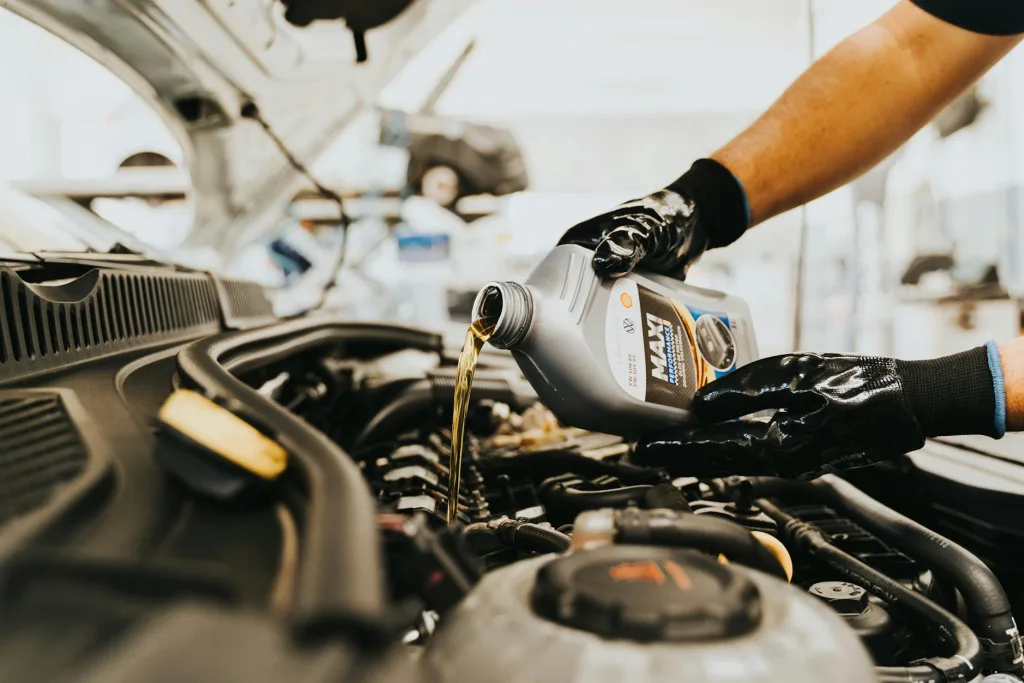
Best Engine Oils for Sri Lankan Roads in 2026: Comparisons and Recommendations
Driving on Sri Lanka's roads means battling heat, humidity, dust from the dry zones, and heavy traffic in Colombo. With temperatures often soaring above 30°C and our tropical climate accelerating engi
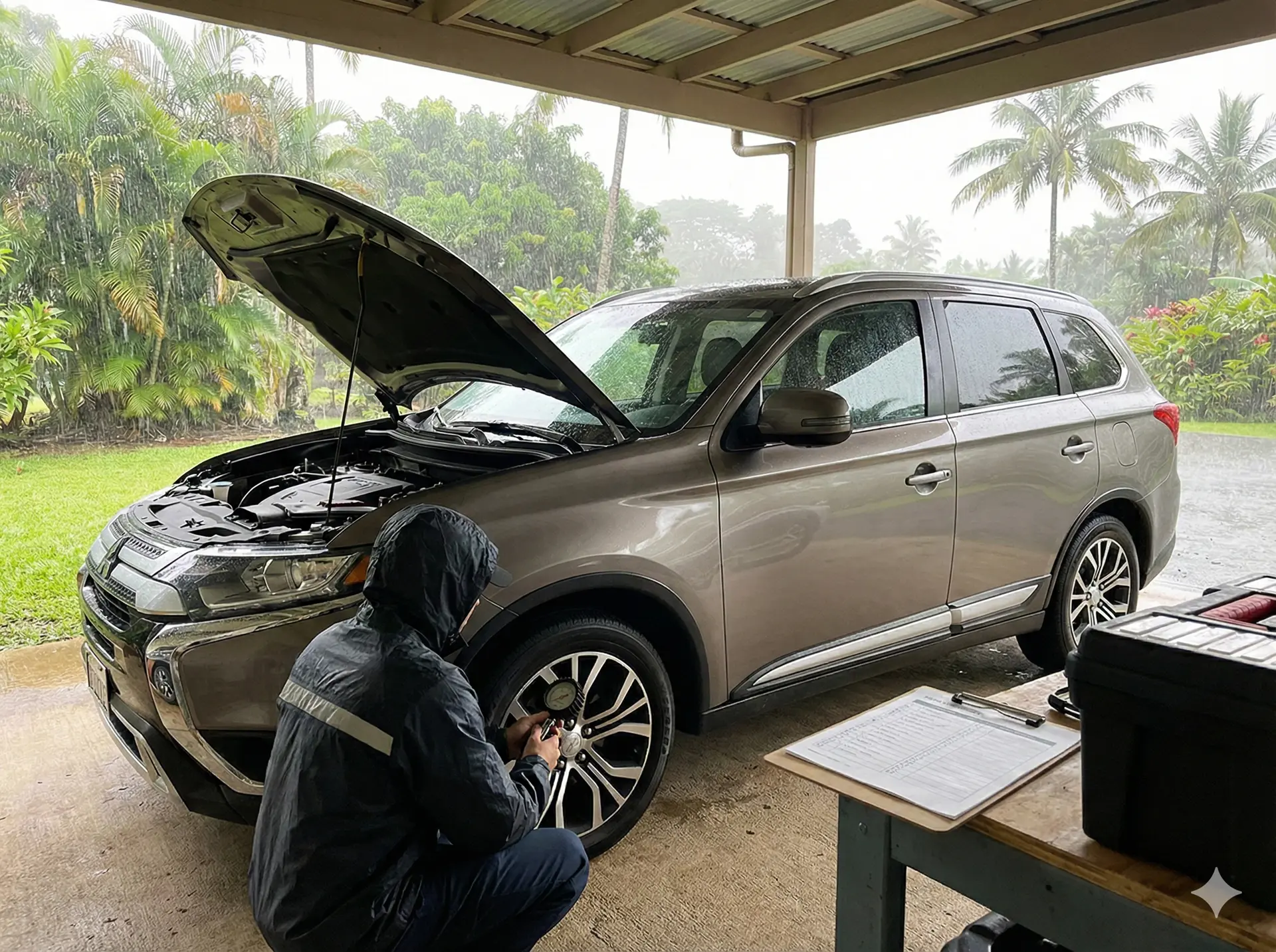
Preparing Your Car for Sri Lanka's 2026 Southwest Monsoon
Protect your vehicle from monsoon damage with this comprehensive preparation guide for Sri Lanka's 2026 southwest monsoon season.
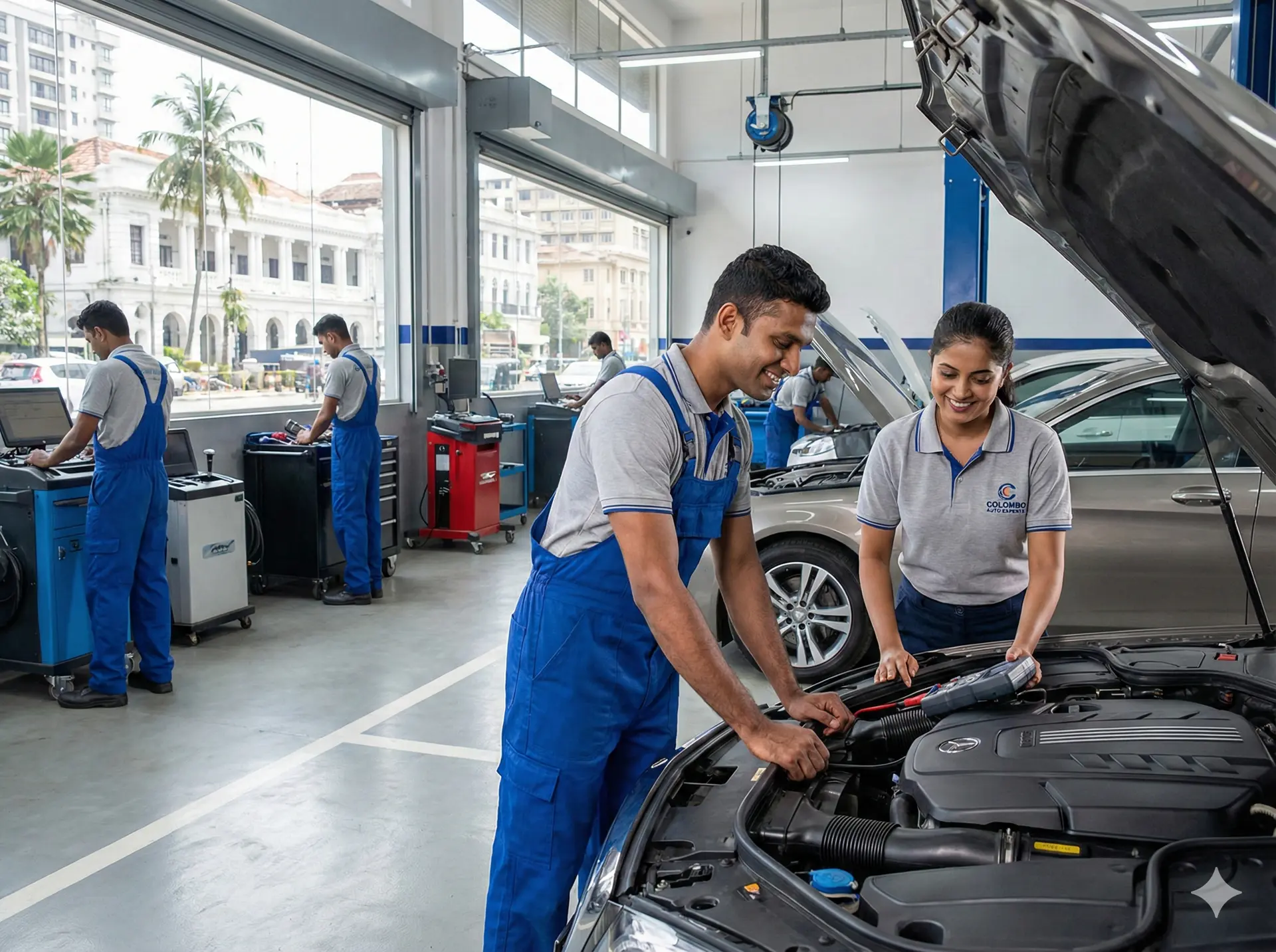
Top Mechanics in Colombo for 2026 Car Servicing
Discover Colombo's most trusted mechanics for 2026, from DIMO and Sterling to independent workshops. Get expert tips on choosing reliable car service.

Hybrid vs Petrol Cars: Best Choice for Sri Lanka 2026
Comparing hybrid vs petrol cars in Sri Lanka for 2026. Discover real fuel costs, maintenance expenses, and which option suits your driving needs best.