Preparing Your Car for Sri Lanka's 2026 Southwest Monsoon
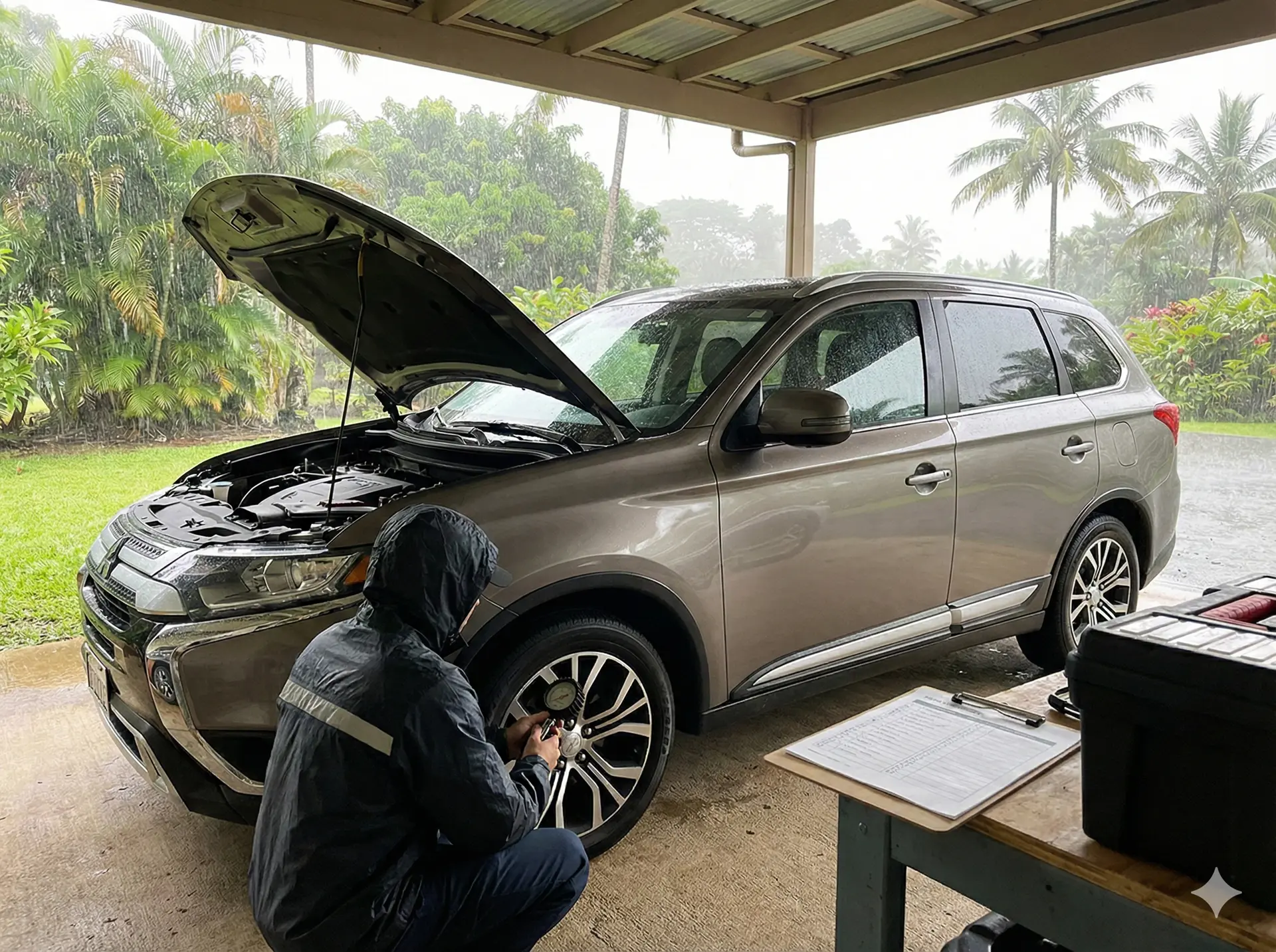
Protect your vehicle from monsoon damage with this comprehensive preparation guide for Sri Lanka's 2026 southwest monsoon season.
The Lankawebsites editorial team curates, fact-checks, and updates guides on personal finance, property, health, immigration, legal, business, and lifestyle topics relevant to Lankawebsites readers. Articles are produced with AI assistance and reviewed by the editorial team before publication.
The southwest monsoon is nearly upon us, and if you're a car owner in Sri Lanka, you'll want to prepare your vehicle for the heavy rains ahead. From May through September, the southwestern regions—including Colombo, Galle, and the western slopes of our central hills—can receive well over 1,600mm of rainfall . This isn't just about keeping your car clean; it's about preventing costly damage and ensuring your safety on waterlogged roads.
Understanding the 2026 Southwest Monsoon Timeline
The southwest monsoon, also known as the Yala monsoon, typically runs from May through September . Unlike the northeast monsoon that affects our eastern and northern regions, this one brings abundant rainfall to the southwestern coastal belt and western hill slopes. Whilst the showers are often short and sharp, they're intense enough to cause flooding in low-lying areas, particularly in Colombo where blocked drainage canals have worsened flood risks in recent years .
Areas like Chaitya Road, Norris Canal Road, Deans Road, Galle Face Terrace, Borella junction, and Manning Place are amongst the flood-prone zones you'll need to watch out for . If your daily commute takes you through these areas, you'll want to pay extra attention to the preparation steps below.
Pre-Monsoon Vehicle Inspection Checklist
Tyres and Tread Depth
Your tyres are your first line of defence against hydroplaning on wet roads. Before the monsoon arrives, check that your tyre tread depth is adequate—if it's worn down or the wear indicator bar is showing, it's time for a replacement . Properly inflated tyres with good tread patterns channel water away more effectively, reducing your risk of losing control on flooded roads .
Windscreen Wipers and Visibility
Don't wait until the first downpour to discover your wipers are worn out. Clean your windscreen and windows regularly during the rainy season, as accumulated grime can seriously impair your vision . Replace wiper blades if they're leaving streaks or making noise—you'll need maximum visibility when navigating through heavy rain.
Battery Health Check
Your car battery works harder during the monsoon due to extra usage of lights and air conditioning, and slow traffic flow during rainfall affects engine revolutions needed to charge the battery . Warning signs include dim lights, issues with the car radio or dashboard, and if the engine takes longer than usual to start. Have your battery tested before the season begins.
Brake System Performance
Test your brakes well before the rains start. If your slow-down time is longer than usual even on dry roads, if you feel you've got less control, or if you hear screeching sounds and feel heavy vibrations when braking, get them checked immediately . In wet conditions, faulty brakes become exponentially more dangerous.
Protective Measures for Monsoon Season
Underbody and Rust Protection
Apply anti-rust protection or coating to your car's underbody, especially if you live in a flood-prone area . Prolonged exposure to water causes rust and corrosion that'll reduce your vehicle's lifespan. Make sure drainage holes in your vehicle's frame, doors, and other areas are clear of debris so water can escape rather than accumulate .
Electrical System Safeguards
Ensure all electrical connections are properly insulated and secure . Consider applying a water-repellent spray to electrical contacts. Water ingress into electrical systems can cause short circuits and expensive repairs that mightn't be covered by basic insurance.
Body and Paint Protection
Apply a quality wax polish to protect your paint from rainwater and mud . This creates a protective barrier that makes it easier to clean your car and prevents long-term damage to the paintwork.
Essential Monsoon Driving Safety Tips
Navigate Flooded Roads Carefully
Never drive through floodwaters if you can't see the ground beneath—it's easy to misjudge the depth . If you must pass through water, drive slowly to prevent water from splashing into the engine. Use low gear to keep the engine at higher RPM and maintain engine power .
Speed and Distance Management
Reduce your speed in wet conditions—this is the most important factor in preventing hydroplaning . Always maintain a safe following distance, as your stopping distance increases significantly on wet roads. Choose routes on higher ground that are less likely to flood, and stick to roads you know are generally safe during monsoons .
After Driving Through Water
Test your brakes as soon as you're out of the water to make sure they're working properly . Inspect your car for any damage, especially the brakes and engine. If your vehicle stalls in floodwater, leave it immediately and seek higher ground .
Interior Care During Wet Weather
Even your car's interior can get wet during rain, creating bad smells and potentially mildew on the windscreen . Place replaceable materials like newspaper on the carpets to absorb water and mud from your shoes. Vacuum or wipe the seats to remove any water, and use an air freshener to keep things pleasant .
Emergency Preparedness Kit
Keep an emergency kit in your car that includes a raincoat, umbrella, seat-belt cutter, window-breaking tool, and a torch . Add a first-aid kit, basic tools, and the contact number for the Disaster Management Centre's emergency operation line (117 or +94 112 136 222) . Having these items on hand can make all the difference in an emergency situation.
Insurance Considerations for Flood Damage
If you've only got third-party insurance, you won't be covered for flood damage. You'll need comprehensive insurance to protect yourself from natural disasters . Consider add-on covers like engine protection, which ensures you're compensated for repair or replacement of engine parts damaged by water ingress . Zero depreciation cover and roadside assistance are also valuable during monsoon season.
If your car does get damaged by flooding, don't attempt to start the engine—this is a common mistake that voids insurance claims. Document everything with photos, inform your insurer promptly, and have your vehicle towed to an authorised service centre .
Professional Maintenance Before the Season
Have your vehicle inspected by a qualified mechanic before the monsoon season begins . A professional can check all your vehicle's systems, including brakes, lights, engine, and air conditioning. They'll also inspect your AC vents and ensure optimal functioning to handle increased humidity . Replace any worn or damaged parts now rather than waiting for them to fail during a downpour.
What to Do If Flooding Occurs
The Disaster Management Centre provides early warning systems for floods through their Emergency Operation Centre . They issue alerts about impending floods, inundated areas, road and bridge closures, and safe evacuation routes . Monitor weather updates regularly, especially if you're planning to travel during the monsoon season.
If flooding occurs in your area, avoid driving unless absolutely necessary. Remember that Colombo's macro-drainage system has insufficient storage, conveyance, and outflow capacity, and storage capacity has reduced by about 30 percent in the last decade due to uncontrolled landfill and encroachments . This means even moderate rainfall can cause significant flooding in vulnerable areas.
Frequently Asked Questions
Sources & References
-
1
Sri Lanka Rainy Season and Monsoon in 2026: How to Travel — www.volunteerfdip.org
-
2
Dozens of blocked canals worsen Colombo flooding risk - Sunday Times — www.sundaytimes.lk
-
3
Car Maintenance During Rain In Sri Lanka - Motor Guide — motorguide.lk
-
4
Monsoon Season Driving Safety: Heavy Rain and Flooding Tips — www.opticweather.com
-
5
Precautions for vehicle safety during flooding - Van Club of Sri Lanka — www.facebook.com
-
6
Car Maintenance During Rain in Sri Lanka - ikman Blog — blog.ikman.lk
-
7
Disaster Management Centre Sri Lanka — www.dmc.gov.lk
-
8
Monsoon floods and car damage: Insurance claim tips — www.business-standard.com
- 9
Related Articles
Best Engine Oils for Sri Lankan Roads in 2026: Comparisons and Recommendations
Driving on Sri Lanka's roads means battling heat, humidity, dust from the dry zones, and heavy traffic in Colombo. With temperatures often soaring above 30°C and our tropical climate accelerating engi
Top Mechanics in Colombo for 2026 Car Servicing
Discover Colombo's most trusted mechanics for 2026, from DIMO and Sterling to independent workshops. Get expert tips on choosing reliable car service.

Hybrid vs Petrol Cars: Best Choice for Sri Lanka 2026
Comparing hybrid vs petrol cars in Sri Lanka for 2026. Discover real fuel costs, maintenance expenses, and which option suits your driving needs best.
Spare Tyre Maintenance Tips to Avoid Sri Lankan Road Emergencies
Master spare tyre maintenance to avoid roadside emergencies in Sri Lanka. Monthly checks, proper storage, and expert tips to keep you safe on our roads.