Plant-Based Protein Benefits

Imagine starting your day with a nutritious breakfast that not only satisfies your taste buds but also provides your body with the necessary building blocks for optimal health. For many of us, this means incorporating a source of protein into our morning meal. You may have heard of the benefits of
The Lankawebsites editorial team curates, fact-checks, and updates guides on personal finance, property, health, immigration, legal, business, and lifestyle topics relevant to Lankawebsites readers. Articles are produced with AI assistance and reviewed by the editorial team before publication.
Imagine starting your day with a nutritious breakfast that not only satisfies your taste buds but also provides your body with the necessary building blocks for optimal health. For many of us, this means incorporating a source of protein into our morning meal. You may have heard of the benefits of plant-based protein, but have you ever stopped to consider how it can transform your overall well-being? As someone who has made the switch to a plant-based diet, I can attest to the numerous advantages it has brought to my life. In this article, you will discover the benefits of plant-based protein and how it can be a game-changer for your health.
As you read on, you will learn about the different types of plant-based protein sources, their health benefits, and how to incorporate them into your diet. You will also gain a deeper understanding of how plant-based protein can support muscle building and weight management. Whether you are a long-time vegetarian or vegan, or simply looking to make a positive change to your diet, this article promises to provide you with valuable insights and practical advice to help you achieve your health goals.
Introduction to Plant-Based Protein
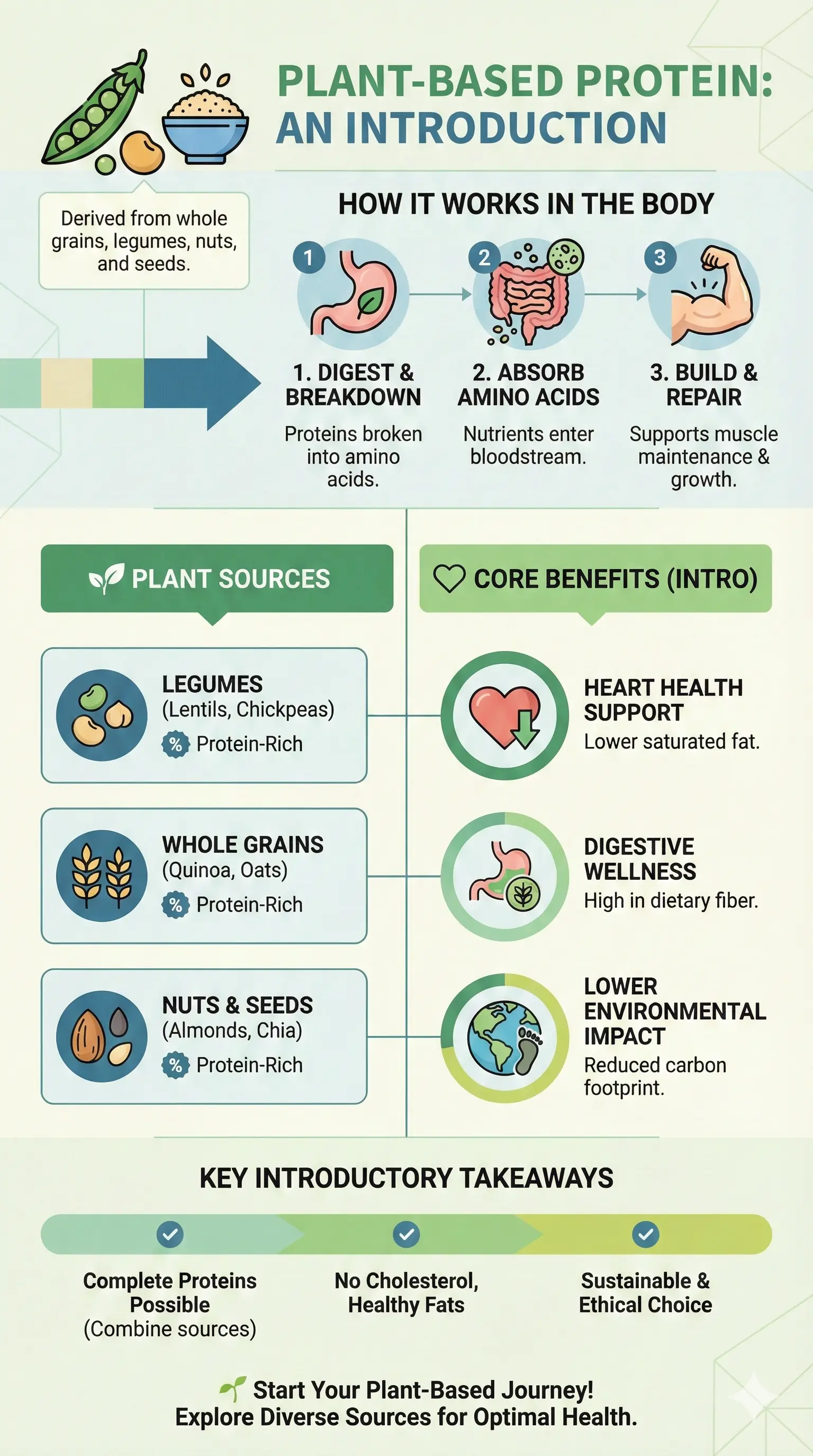
Plant-based protein refers to the protein found in plants, such as legumes, nuts, and seeds. It is an essential nutrient that plays a critical role in building and repairing tissues in the body, including muscles, bones, and skin. Protein is made up of amino acids, which are the building blocks of life. There are 20 different amino acids that the human body uses to build and repair tissues, and plant-based protein sources provide all of these essential amino acids.
The importance of protein in our diet cannot be overstated. Protein helps to regulate appetite, supports weight loss, and maintains healthy blood sugar levels. It also helps to build and repair muscles, making it an essential nutrient for athletes and individuals who engage in regular physical activity. With the rise of plant-based diets, it is now easier than ever to get enough protein from plant-based sources. In fact, many plant-based protein sources are not only rich in protein but also high in fiber, vitamins, and minerals, making them a nutritious addition to a healthy diet.
A great example of a plant-based protein source is lentils. Lentils are a type of legume that are high in protein and fiber, making them an excellent addition to soups, stews, and curries. They are also rich in iron, potassium, and folate, making them a nutritious and versatile ingredient. Other examples of plant-based protein sources include chickpeas, black beans, and tofu. These foods can be easily incorporated into a variety of dishes, from salads and stir-fries to curries and chili.
Types of Plant-Based Protein Sources
There are many different types of plant-based protein sources, each with its own unique nutritional profile and health benefits. Legumes, such as lentils, chickpeas, and black beans, are some of the richest sources of plant-based protein. They are also high in fiber, vitamins, and minerals, making them a nutritious addition to a healthy diet. Nuts and seeds, such as almonds, chia seeds, and hemp seeds, are also high in protein and healthy fats, making them a great snack or addition to oatmeal or yogurt.
Whole grains, such as quinoa, brown rice, and whole wheat, are also good sources of plant-based protein. They are high in fiber, vitamins, and minerals, and provide sustained energy and satisfaction. Other plant-based protein sources include soy products, such as tofu and tempeh, and meat alternatives, such as seitan and veggie burgers. These foods can be easily incorporated into a variety of dishes, from stir-fries and curries to sandwiches and salads.
For example, you can add nuts and seeds to your oatmeal or yogurt for a protein-rich breakfast. You can also use legumes as a base for soups, stews, and curries, or add them to salads and stir-fries for a protein-rich lunch or dinner. Whole grains can be used as a side dish or added to salads and stir-fries for a nutritious and filling meal. With a little creativity, it is easy to incorporate a variety of plant-based protein sources into your diet.
Health Benefits of Plant-Based Protein
The health benefits of plant-based protein are numerous and well-documented. One of the most significant benefits is its impact on heart health. Plant-based protein sources are low in saturated fat and high in fiber, making them an excellent choice for reducing the risk of heart disease. They are also rich in antioxidants and phytochemicals, which help to protect against cell damage and reduce inflammation.
Plant-based protein is also beneficial for weight management. It is high in fiber and low in calories, making it an excellent choice for those looking to lose weight or maintain a healthy weight. Additionally, plant-based protein sources are often rich in healthy fats, such as omega-3 fatty acids, which help to regulate appetite and support weight loss. For example, a study published in the Journal of the American Heart Association found that a plant-based diet rich in protein and fiber can help to reduce the risk of obesity and related diseases.
Plant-based protein has also been shown to reduce the risk of chronic diseases, such as diabetes, certain types of cancer, and osteoporosis. This is due to its high content of antioxidants, phytochemicals, and fiber, which help to protect against cell damage and reduce inflammation. For instance, a study published in the Journal of Nutrition found that a plant-based diet rich in protein and fiber can help to reduce the risk of type 2 diabetes by up to 30%.
Plant-Based Protein and Muscle Building
One of the biggest misconceptions about plant-based protein is that it is not sufficient for building and repairing muscle tissue. However, this could not be further from the truth. Plant-based protein sources, such as legumes, nuts, and seeds, are rich in all the essential amino acids necessary for muscle building and repair. In fact, many plant-based protein sources have a complete amino acid profile, meaning they contain all nine essential amino acids that the human body cannot produce on its own.
For example, pea protein is a popular plant-based protein powder that is rich in all the essential amino acids. It is also high in branched-chain amino acids (BCAAs), which are important for muscle growth and repair. Other plant-based protein powders, such as hemp protein and brown rice protein, are also rich in essential amino acids and can be used to support muscle building and repair.
To build muscle on a plant-based diet, it is essential to consume enough protein and calories to support muscle growth and repair. This can be achieved by eating a variety of plant-based protein sources, such as legumes, nuts, and seeds, and by supplementing with plant-based protein powder if necessary. It is also important to engage in regular resistance training to stimulate muscle growth and repair. With the right combination of diet and exercise, it is possible to build strong, healthy muscles on a plant-based diet.
Incorporating Plant-Based Protein into Your Diet
Incorporating plant-based protein into your diet can be easy and delicious. One of the best ways to start is by meal planning and preparing a variety of plant-based protein sources in advance. This can include cooking legumes, such as lentils and chickpeas, and preparing nuts and seeds, such as almonds and chia seeds.
Snacking is also an excellent way to incorporate plant-based protein into your diet. Nuts and seeds, such as almonds and pumpkin seeds, are high in protein and can be easily taken on the go. You can also prepare plant-based protein-rich snacks, such as energy balls made with oats, nuts, and seeds, or hummus made with chickpeas and tahini.
There are many plant-based protein recipes that can be easily incorporated into your diet. For example, you can make a lentil curry with red or green lentils, onions, garlic, and spices. You can also make a chickpea salad with chickpeas, avocado, and lemon juice. Other plant-based protein recipes include tofu stir-fries, tempeh salads, and seitan sandwiches. With a little creativity, it is easy to incorporate a variety of plant-based protein sources into your diet.
Common Misconceptions About Plant-Based Protein
One of the biggest misconceptions about plant-based protein is that it is not sufficient to meet our daily protein needs. However, this is not true. Plant-based protein sources, such as legumes, nuts, and seeds, are rich in all the essential amino acids necessary for human health. In fact, many plant-based protein sources have a complete amino acid profile, meaning they contain all nine essential amino acids that the human body cannot produce on its own.
Another misconception about plant-based protein is that it lacks essential amino acids. However, this is also not true. While it is true that some plant-based protein sources are low in certain amino acids, such as lysine or methionine, it is easy to get enough of these amino acids by eating a variety of plant-based protein sources. For example, legumes are low in methionine, but high in lysine, while nuts and seeds are high in methionine, but low in lysine.
Finally, some people may be put off by the taste and texture of plant-based protein sources. However, this is often due to a lack of creativity in preparation. With a little experimentation, it is easy to find plant-based protein sources that are both delicious and nutritious. For example, you can add herbs and spices to legumes, such as lentils and chickpeas, to give them flavor. You can also use different cooking methods, such as roasting or grilling, to bring out the natural flavors of plant-based protein sources.
Key Takeaways
In conclusion, plant-based protein is a nutritious and versatile nutrient that can provide numerous health benefits. By incorporating a variety of plant-based protein sources into your diet, you can support heart health, weight management, and muscle building. You can also reduce your risk of chronic diseases, such as diabetes, certain types of cancer, and osteoporosis.
So, what's the next step? Start by incorporating one or two plant-based protein sources into your diet each day. Experiment with different recipes and preparation methods to find what works best for you. And don't be afraid to get creative and try new things – your body and taste buds will thank you. What will you do today to start reaping the benefits of plant-based protein?
Frequently Asked Questions
Useful Tools
Related Articles

Intermittent Fasting Benefits and Guide
A staggering 70% of adults in the United States are overweight or obese, and the numbers are rising globally. If you're struggling to lose weight or improve your overall health, you're not alone. However, what if you could tap into a simple yet powerful technique that's been shown to promote weight

Probiotics Benefits and Best Sources
Do you often experience digestive issues like bloating, cramps, or irregular bowel movements? You're not alone. Millions of people suffer from gut health problems, which can significantly impact their quality of life. The good news is that there's a natural solution that can help alleviate these is

GLP-1 Treatments and Weight Loss 2026
A staggering 39% of adults worldwide are now classified as overweight, with 13% being obese, according to the World Health Organization. If you're one of the millions struggling with weight loss, you may be interested to know that recent research has shed light on the potential of GLP-1 treatments

Mediterranean Diet Meal Plans
Did you know that following a Mediterranean diet can reduce your risk of heart disease by up to 30%? This statistic, according to a study published in the New England Journal of Medicine, is just one of the many benefits of adopting this eating pattern. As you consider making changes to your diet,