Cyclone Season and Tropical Storm Patterns
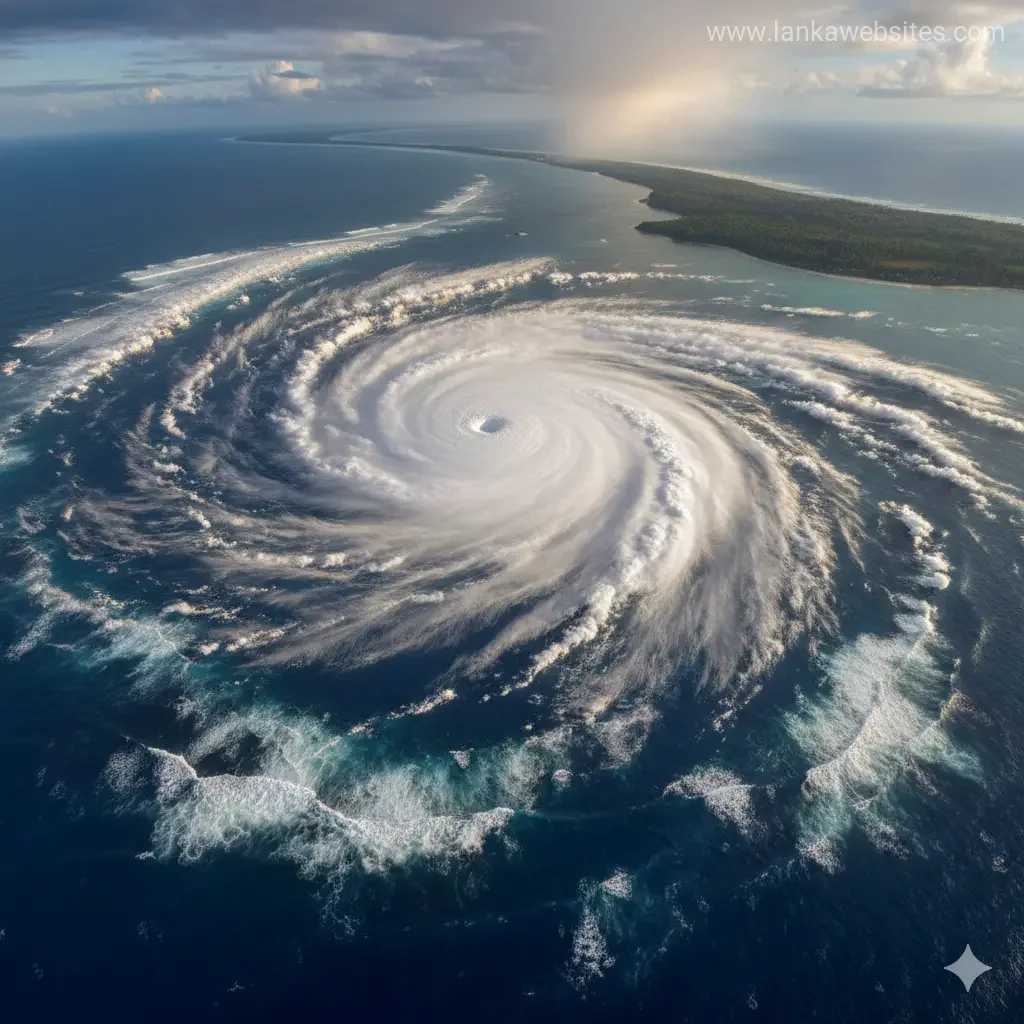
Sri Lanka sits in one of the world's most cyclone-prone regions, and understanding tropical storm patterns is crucial for anyone living here. Whether you're planning your year, protecting your home, o...
Sri Lanka sits in one of the world's most cyclone-prone regions, and understanding tropical storm patterns is crucial for anyone living here. Whether you're planning your year, protecting your home, or simply wanting to understand our island's weather better, knowing when cyclones strike and how they form can make all the difference. This guide breaks down everything you need to know about cyclone season and tropical storm patterns in Sri Lanka.
What Are Cyclones and Tropical Storms?
Cyclones are rotating storm systems that form over warm ocean waters, characterised by strong winds, heavy rainfall, and potential flooding. In the Indian Ocean region where Sri Lanka is located, these systems can develop rapidly and cause significant damage when they make landfall. The term "cyclone" is used in the Indian Ocean and South Pacific, whereas the same weather phenomenon is called a "hurricane" in the Atlantic and Northeast Pacific, and a "typhoon" in the Northwest Pacific.
Tropical storms are less intense than cyclones but still dangerous, bringing strong winds and heavy rain that can cause flooding and landslides, particularly in our island's hilly terrain.
Sri Lanka's Two Monsoon Seasons
Our island experiences two distinct monsoon seasons, each bringing different weather patterns to different regions. Understanding these seasons is essential for planning and preparedness.
The Maha Season (Northeast Monsoon)
The Maha season runs from October to January, coinciding with the Northeast Monsoon.[2] During this period, the northern and eastern regions of Sri Lanka receive significant rainfall. While this season is vital for agriculture—replenishing water reservoirs and supporting crop growth of staples like rice[1]—it also increases vulnerability to flooding, strong winds, and storm-related hazards.
The Maha season falls right in the heart of cyclone formation season in the Bay of Bengal. This is when warm ocean waters create ideal conditions for cyclonic systems to develop and potentially reach our shores.
The Yala Season (Southwest Monsoon)
The Yala season runs from May to September, bringing heavy rainfall to the south and west coasts, whilst the central highlands receive showers that keep our famous tea gardens lush and green.[2] This season is generally less prone to cyclone activity, though other weather-related hazards can still occur.
Cyclone Season in the Indian Ocean
The primary cyclone season for Sri Lanka occurs during the Maha period, particularly from November to January. This is when warm waters in the Bay of Bengal provide the energy needed for cyclonic systems to form and potentially track towards our island.
Cyclone formation requires specific conditions: warm ocean waters (typically above 26.5°C), low wind shear, sufficient atmospheric moisture, and the Coriolis effect to initiate rotation. During the Maha season, all these conditions align, making it the higher-risk period for cyclone activity.
Recent Experience: Cyclone Ditwah (November 2025)
Sri Lanka experienced firsthand the devastating impact of a cyclonic system when Cyclone Ditwah made landfall on 27 November 2025.[1] This moderate cyclonic system produced widespread flooding across all 25 districts of the country, illustrating how seasonal rainfall patterns can amplify impacts even when cyclone intensity is moderate.
Impact and Scale
Cyclone Ditwah triggered the most extensive flooding and landslide damage in the past two decades.[3] The statistics are sobering:
- Approximately 2.2 million people were affected across all 25 districts[3]
- 646 fatalities were recorded as of 29 December 2025, with 173 people missing[3]
- Nearly 6,000 houses were fully destroyed and over 108,000 partially damaged[3]
- More than 170,000 people remained displaced or stayed with host families[3]
- Rebuilding costs were estimated at up to $7 billion[4]
Why Was Ditwah So Damaging?
Cyclone Ditwah occurred during the Maha season when background conditions in Sri Lanka already favour prolonged rainfall and elevated flood risk. Rivers, reservoirs, and soils were already close to capacity from seasonal monsoon rains. When the cyclone arrived, it added torrential rainfall on top of already-saturated conditions, overwhelming drainage systems and triggering widespread landslides in hilly areas.[1]
Additionally, climate change plays a role in intensifying rainfall from such systems. Warmer atmospheric conditions increase the capacity of air to hold moisture, which can intensify rainfall when weather systems develop, even if the cyclone itself isn't exceptionally strong.[1]
Understanding Your Region's Risk
Not all parts of Sri Lanka face equal cyclone risk. Your location matters significantly.
Higher-Risk Areas
The eastern and northern regions face greater exposure during the Maha season, as they receive the brunt of Northeast Monsoon rainfall and are closer to cyclone formation zones in the Bay of Bengal. Districts in these regions should maintain heightened preparedness from October through January.
Lower-Risk Areas
The southern and western coasts experience their best weather from December to mid-April, outside the primary cyclone season. However, these regions aren't immune to weather-related hazards and should still maintain basic preparedness measures.
Preparing for Cyclone Season
Living in a cyclone-prone region requires practical preparation. Here's what you should do:
Before Cyclone Season Arrives
- Check your home's structural integrity. Ensure your roof is secure, windows are reinforced, and drainage systems work properly
- Clear gutters and drains to prevent water accumulation and flooding
- Trim tree branches that could become projectiles or damage your property
- Stock emergency supplies including drinking water (at least 3 litres per person per day), non-perishable food, first aid kits, torches, batteries, and medicines
- Know your evacuation routes if you live in a flood-prone or landslide-prone area
- Keep important documents in waterproof containers
- Have a family communication plan in case you're separated during an emergency
During Cyclone Warnings
- Monitor official weather updates from the Meteorology Department
- Follow evacuation orders issued by local authorities without delay
- Stay indoors away from windows once the system approaches
- Avoid using elevators and stay on lower floors if possible
- Keep mobile phones charged and have backup power sources ready
After a Cyclone
- Check on neighbours and offer assistance where safe
- Avoid floodwaters which may contain contaminants or hidden hazards
- Document damage with photographs for insurance claims
- Follow health advisories regarding water safety and disease prevention
Climate Change and Future Patterns
Climate change is altering rainfall patterns in ways we're still understanding. Whilst it may not necessarily increase cyclone frequency, it intensifies rainfall when systems do develop. This means future cyclones and tropical storms could bring more extreme precipitation, increasing flood risk even for moderate-strength systems.[1]
This underscores why Sri Lanka's sensitivity to prolonged heavy rainfall—particularly when our rivers, reservoirs, and soils are already near capacity—will likely remain a significant challenge in coming years.
Government Support and Resources
Following Cyclone Ditwah, the government launched the Humanitarian Priorities Plan to support vulnerable populations. The government has also earmarked significant funds for reconstruction and is hosting donor conferences to secure additional support.[4] If you're affected by cyclone-related disasters, contact your local Disaster Management Centre or district authorities for assistance.
Frequently Asked Questions
When is cyclone season in Sri Lanka?
The primary cyclone season is during the Maha monsoon from October to January, with November and December being the highest-risk months. However, tropical systems can occasionally form outside these months.
Which parts of Sri Lanka are most at risk?
The eastern and northern regions face greater exposure during the Maha season. However, Cyclone Ditwah demonstrated that a major system can impact all 25 districts simultaneously, so preparedness is important nationwide.
How much warning do we get before a cyclone hits?
Modern weather forecasting typically provides 3-7 days' notice before a cyclone is expected to make landfall, though this can vary. The Meteorology Department issues regular updates as systems develop.
Are cyclones becoming more frequent due to climate change?
Research suggests climate change may not increase cyclone frequency in the Indian Ocean, but it does intensify rainfall from systems that do develop. This means we could see more damaging rainfall even from moderate-strength cyclones.
What should I do if I live in a flood-prone area?
Know your evacuation routes, maintain emergency supplies, keep important documents safe, and monitor official warnings closely. Don't hesitate to evacuate if authorities recommend it—your life is more valuable than any property.
How can I help after a cyclone?
Contact official relief organisations, donate through established channels, and volunteer through coordinated relief efforts. Avoid sending unsolicited supplies, which can overwhelm distribution systems.
Moving Forward
Understanding cyclone season and tropical storm patterns isn't about living in fear—it's about living wisely. Sri Lanka's position in a cyclone-prone region is a reality we navigate, but with proper preparation, awareness, and community support, we can minimise harm and recover more effectively when storms do strike.
Start your preparation now, before the next Maha season arrives. Check your home, stock your supplies, and make sure your family knows the plan. When you're prepared, you're empowered to protect what matters most.
Sources & References
- Cyclone Ditwah | JBA Risk Management — jbarisk.com
- Best Time to Visit Sri Lanka in 2026: A Comprehensive Month-by-Month Regional Guide — sithiyam.com
- Cyclone Ditwah - Situation Report (23 January 2026) — srilanka.un.org
- Sri Lanka Forecasts 5% Growth in 2026, Aided by Post-Cyclone Reconstruction — whtc.com
Related Articles

Inter-Monsoon Periods: Unpredictable Weather
Sri Lanka's inter-monsoon periods are fascinating yet unpredictable weather systems that fall between our two major monsoon seasons. Unlike the more predictable southwest monsoon (Yala) from May to Se...
Nuwara Eliya: Sri Lanka's Cool Climate City
Imagine escaping Sri Lanka's coastal heat for a breath of fresh, cool air where tea plantations stretch endlessly under misty skies. That's Nuwara Eliya for you—our island's own little England, perche...