Homestays in Sri Lanka: Experience Real Local Life Beyond Hotels
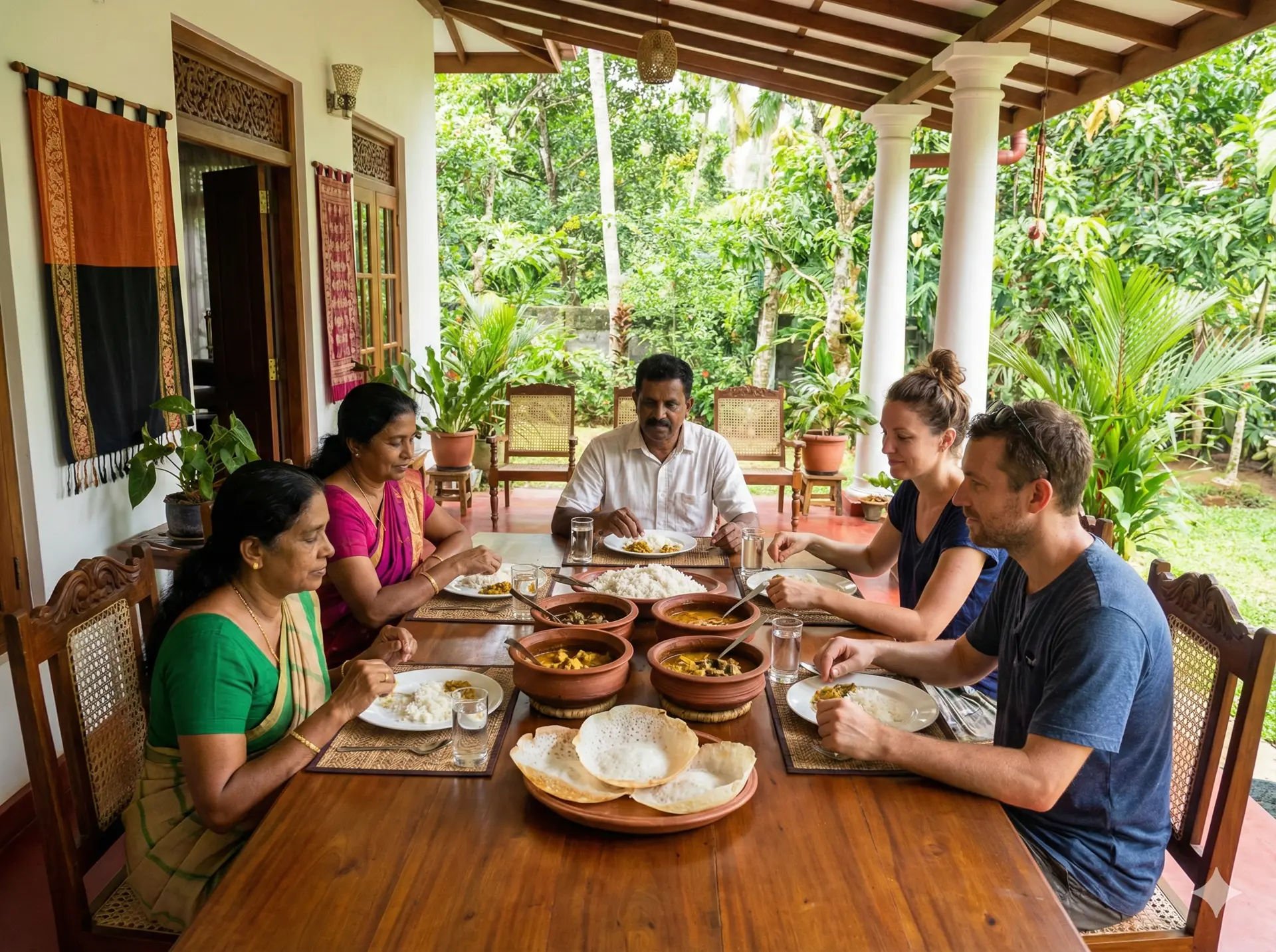
Ever wondered what it's like to wake up to the aroma of fresh pol roti cooking over a wood fire, or join your hosts for a dawn visit to the local temple? That's the magic of homestays in Sri Lanka – a
The Lankawebsites editorial team curates, fact-checks, and updates guides on personal finance, property, health, immigration, legal, business, and lifestyle topics relevant to Lankawebsites readers. Articles are produced with AI assistance and reviewed by the editorial team before publication.
Ever wondered what it's like to wake up to the aroma of fresh pol roti cooking over a wood fire, or join your hosts for a dawn visit to the local temple? That's the magic of homestays in Sri Lanka – a chance for us locals to dive deeper into our own island's heartbeat, far from the polished corridors of hotels. Whether you're planning a family getaway in the hill country or a cultural immersion in the Cultural Triangle, homestays offer an authentic taste of Sri Lankan life that's affordable, personal, and truly unforgettable.
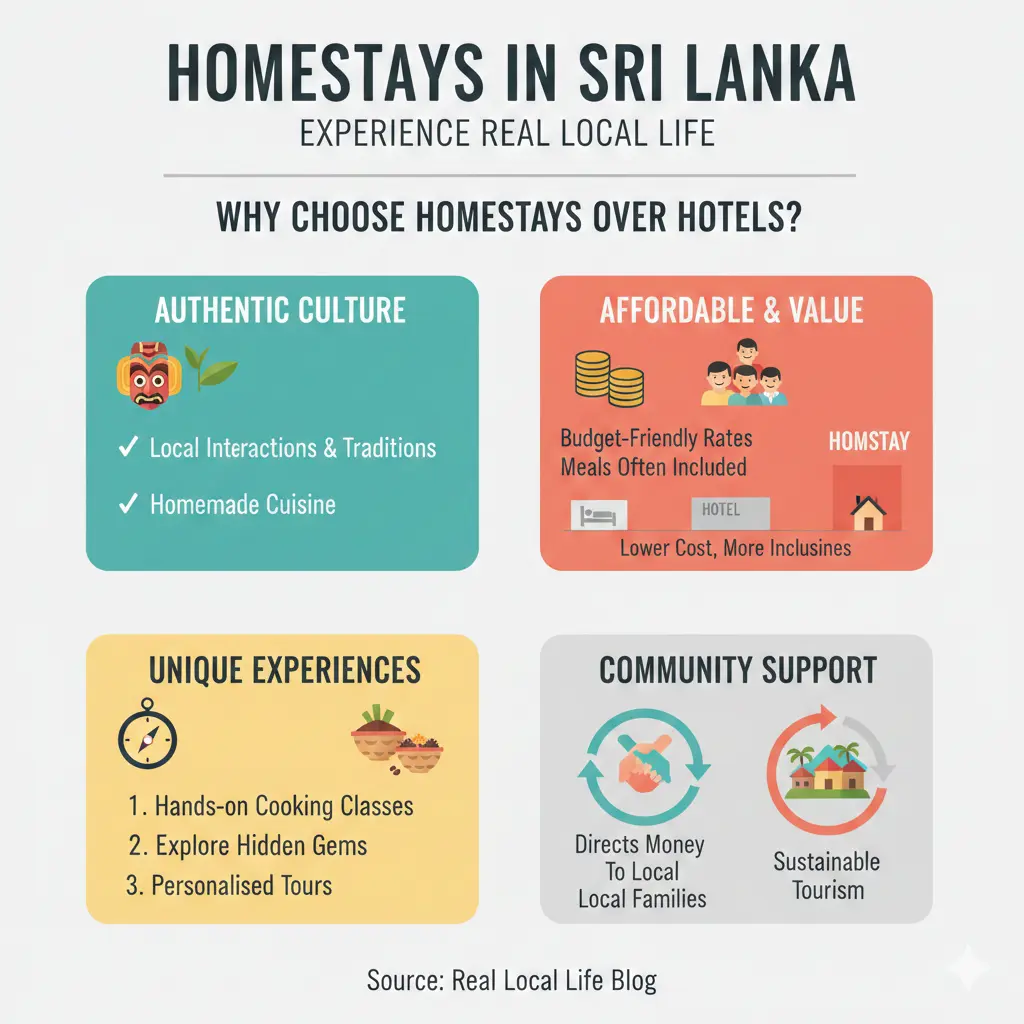
Why Choose Homestays Over Hotels?
Hotels give you comfort, but homestays deliver real local life. Picture sharing stories with a family in their thatched-roof home in Ella, learning to weave palm leaves like our grandparents did, or feasting on home-cooked kottu from ingredients picked that morning. It's not just a bed; it's a window into Sri Lanka's soul – from village festivals in the lowlands to misty tea plantation mornings in Nuwara Eliya.
In 2026, with tourism rebounding strongly, homestays are booming because they're budget-friendly (often LKR 5,000-15,000 per night for two, including meals) and support our communities directly. Unlike hotels, where service feels scripted, homestays let you connect – helping with rice planting in Polonnaruwa or tasting jackfruit curry in Badulla, as seen in newly licensed spots like those in Kalukele and Lower Street.
Benefits for Locals Like Us
- Cultural Exchange: Learn forgotten recipes or Vesak lantern-making from hosts who've lived it for generations.
- Affordability: Perfect for weekend escapes without breaking the bank, especially with rising hotel rates post-2026 tourism boom.
- Sustainability: Many homestays, like those pioneering solar power and plastic-free policies, align with our push for green tourism.
- Hidden Gems: Discover offbeat spots – think quiet beaches in Kalpitiya or spice gardens in Matale – that hotels overlook.
How to Spot Legitimate Homestays in Sri Lanka
With hundreds popping up, not all homestays meet standards. All must register with the Sri Lanka Tourism Development Authority (SLTDA) – it's compulsory under the Tourism Act. Look for the official licence, valid till 31 December 2026 for current approvals, displayed prominently.
Key Registration Requirements
To qualify as a Home Stay Unit, your chosen spot needs:
- 1-4 guest rooms (min. 100 sq.ft. single, 120 sq.ft. double) with clean bedding changed every 3 days.
- Separate guest bathrooms (min. 30 sq.ft.) with WC, shower, basin, and mirror.
- Well-maintained dining area and ventilated kitchen – traditional clay ovens count if spotless.
- Heritage status for homes over 100 years old, with proof, adding that authentic charm.
SLTDA inspects for safety and quality; licences renew annually with re-inspection three months before expiry. Download forms from sltda.gov.lk/home_stay_project. Newly listed 2026 guest houses in Polonnaruwa (e.g., Licence GH/2026/0166, 5 rooms) and Badulla (GH/2026/0220, 10 rooms) show the variety available.
Red Flags to Avoid
- No SLTDA certificate or logo.
- Unregistered 'rented houses' – illegal without licence.
- Poor hygiene or no guest facilities – re-inspections fix this, but check reviews first.
Top Homestay Experiences Across Sri Lanka
From our diverse landscapes, here are practical picks blending culture, food, and adventure.
Hill Country: Tea Trails and Mist
In Nuwara Eliya or Ella, stay in family-run heritage homes amid tea bushes. Wake to pluck your own leaves, sip fresh ceilan black tea, and hike Little Adam's Peak. Rates around LKR 8,000/night with breakfast.
Cultural Triangle: Ancient Vibes
Polonnaruwa's Kalukele (GH/2026/0166, tel: 0778059023) offers bike rides to ruins and king coconut feasts. Nearby Pothgul Mawatha boutique (BH/2026/0016) mixes modern comfort with local tales.
South Coast and Lowlands
Kimbissa near Dambulla (HC/2026/034, 39 rooms, Grade A) or Heyyanthuduwa (GH/2026/0094) provide beachy escapes with crab curries and turtle watches. Perfect for weekends from Colombo.
Emerging Spots: Badulla and Beyond
Lower Street, Badulla (GH/2026/0220, tel: 0775060585), immerses you in upcountry life – think fresh river fish and hikes to Ravi's Falls.
Pro Tip: Book via SLTDA's registry at srilanka.travel for verified lists.
Practical Tips for Booking and Enjoying Homestays
Booking Smart
- Check SLTDA validity (all 2026 licences end Dec 31).
- Contact via listed phones/emails; negotiate rates based on facilities.
- Visit off-peak (May-Sep) for deals; peak season (Dec-Mar) books fast.
- Use apps like PickMe for easy rural access.
What to Pack and Expect
- Light clothes, mosquito repellent, reusable water bottle (many are plastic-free).
- Expect shared spaces, family meals (vegetarian options galore), and early bedtimes.
- Respect customs: remove shoes indoors, join prayers if invited.
Costs in 2026
| Location | Avg. Nightly Rate (2 Pax, Meals Incl.) | Highlights |
|---|---|---|
| Hill Country | LKR 7,000-12,000 | Tea experiences |
| Cultural Triangle | LKR 6,000-10,000 | Ruins, history |
| South Coast | LKR 8,000-15,000 | Beaches, seafood |
| Upcountry (Badulla) | LKR 5,000-9,000 | Hikes, local cuisine |
Rates are competitive; SLTDA advises owners to set based on services.
Safety and Sustainability
Registered spots ensure fire safety and clean water. Support eco-homestays using 80% solar and LED lights. As locals, let's choose ones minimising grid reliance – good for our planet and power bills.
Starting Your Own Homestay: A Local Opportunity
Got a spare room with that village view? Register via SLTDA for free training and potential financial aid announced in papers. Steps:
- Ensure facilities meet guidelines (rooms, baths, kitchen).
- Submit application at sltda.gov.lk/home_stay_project.
- Pass inspection; get certificate to display.
- Renew yearly by Sep.
With new tourism laws drafting in 2026, now's prime time to join.
Ready to Experience Homestays? Your Next Steps
Start by browsing SLTDA's 2026 list – pick Polonnaruwa for history or Ella for hills. Call ahead, pack light, and embrace the roti mornings. Whether escaping Colombo's hustle or exploring our roots, homestays remind us why Sri Lanka's our paradise. Book one this weekend and share your stories – let's keep local life alive together.
Frequently Asked Questions
Sources & References
-
1
Home Stay - Sri Lanka Tourism Development Authority — www.sltda.gov.lk
-
2
Hotels & Other Accommodation - Sri Lanka Tourism — www.srilanka.travel
- 3
-
4
Registration Guidelines for Homestays - SLTDA — www.scribd.com
-
5
Sri Lanka to draft new law on tourism — economynext.com
Related Articles

Tea vs Coconut: Signature Flavours That Define Sri Lankan Cuisine
When you think of Sri Lanka's culinary identity, two ingredients immediately come to mind: tea and coconut. Both are woven into the fabric of our island's food culture, yet they play distinctly differ
Sri Lankan Food Guide: 20 Dishes Every Visitor Must Try
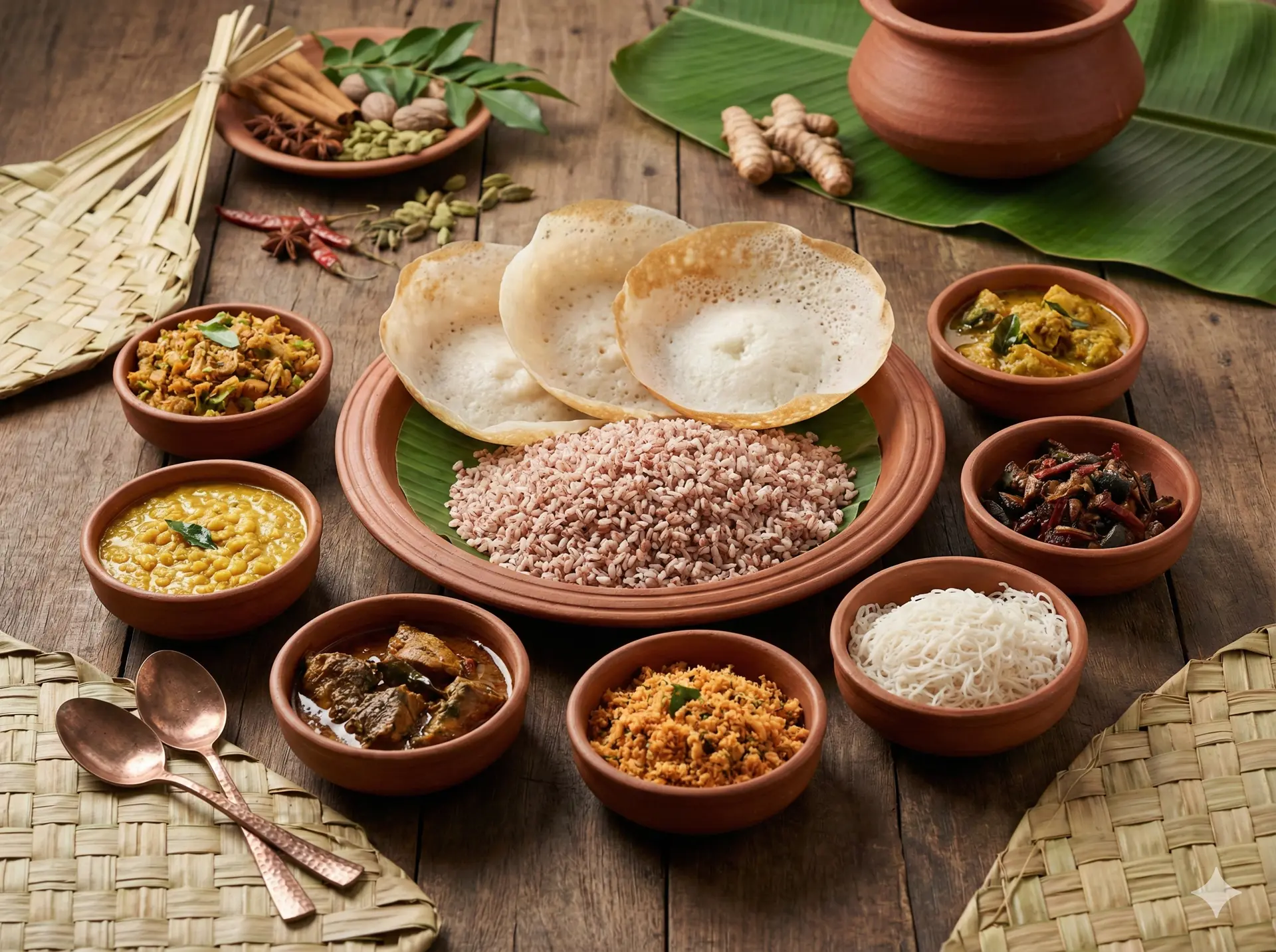
Sri Lanka's food scene bursts with bold flavours, fresh coconut, and spices that tell our island's story—from misty hill country curries to fiery coastal sambols. Whether you're sharing a rice and cur
Best Street Food in Colombo, Kandy & Galle – and Where to Find It
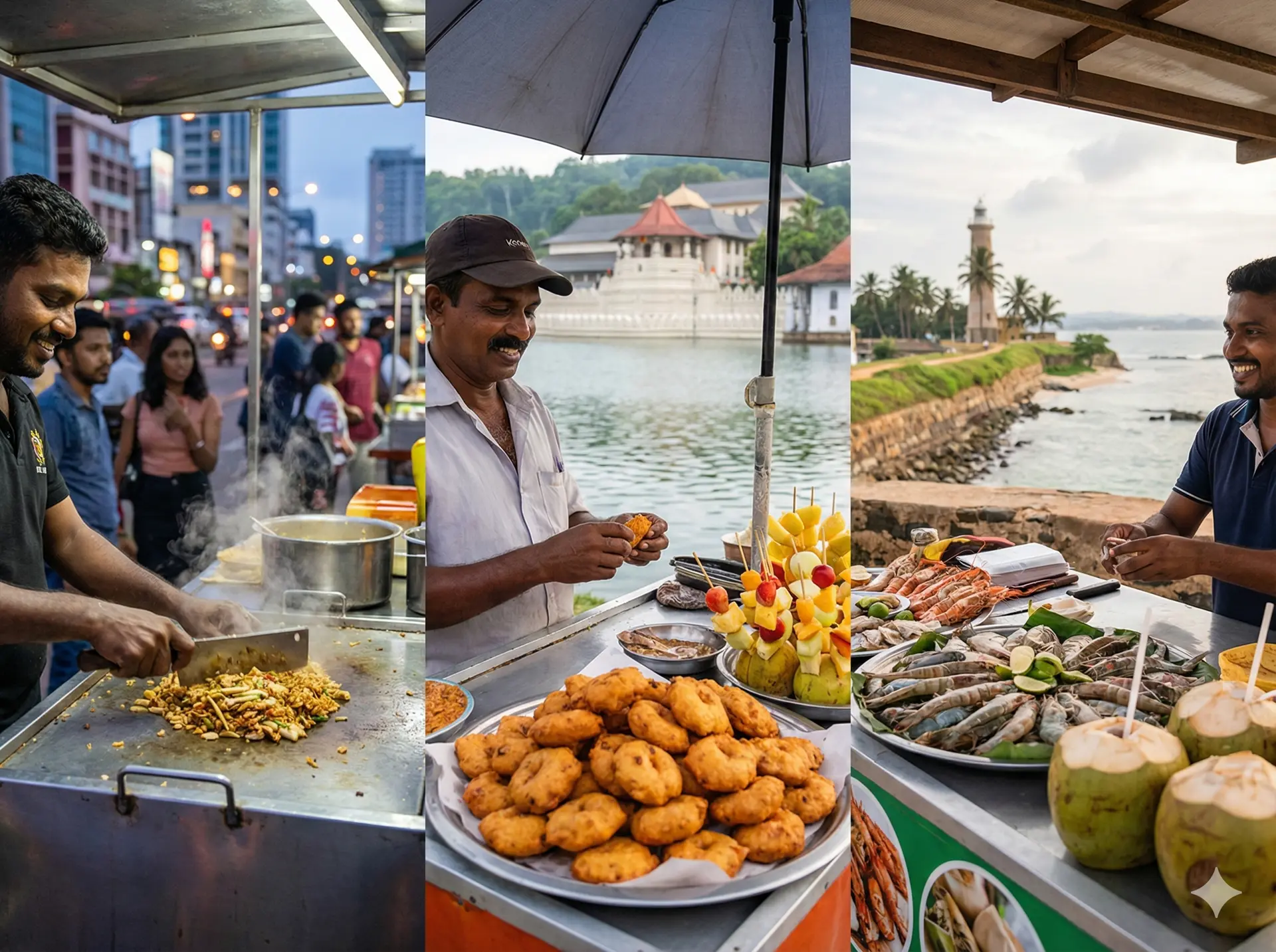
Nothing beats the sizzle of a fresh kottu roti on a bustling Colombo street or the crispy edge of a hopper from a Kandy night cart—our island's street food scene is alive and kicking in 2026, blending
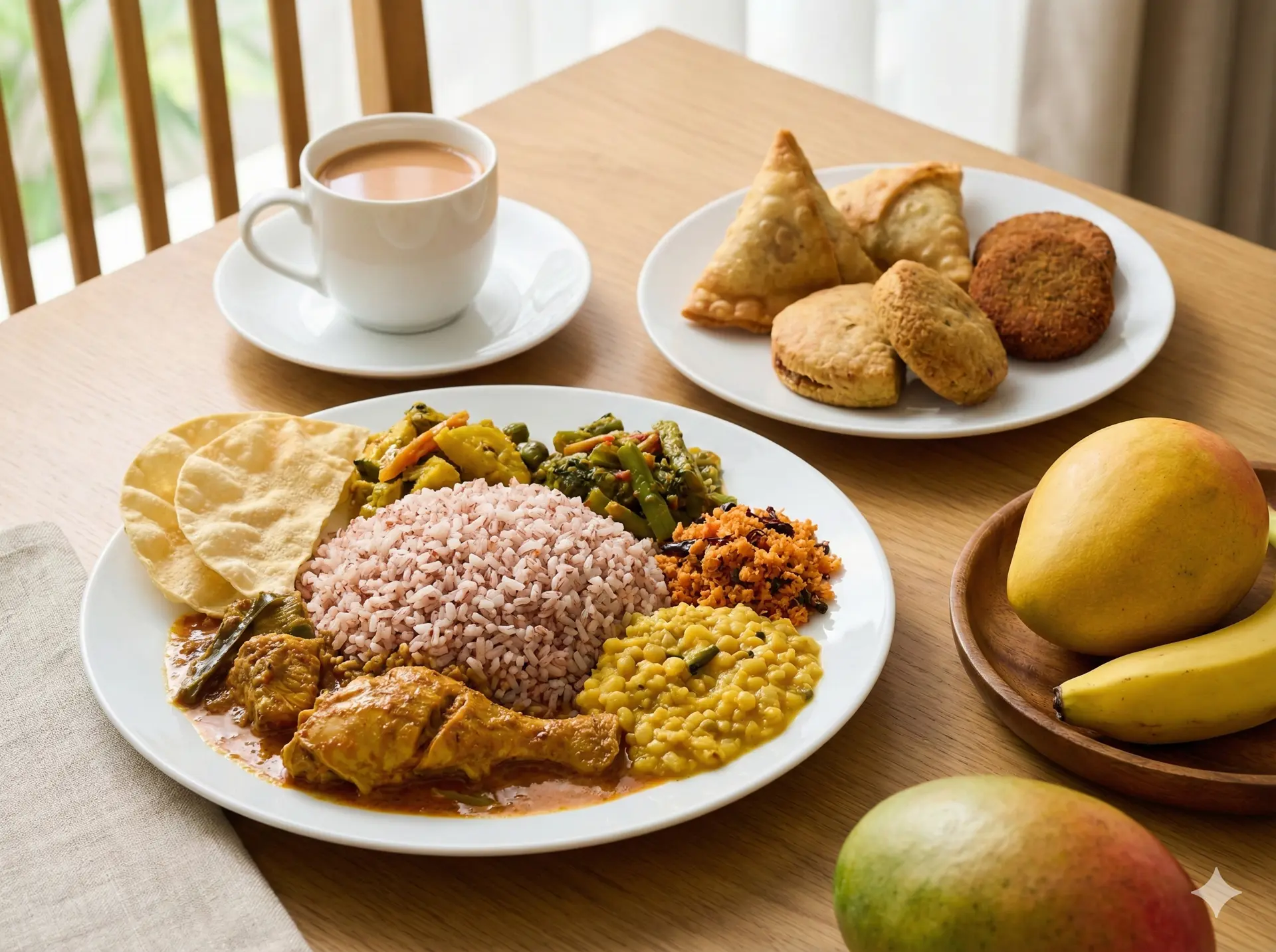
How to Eat Like a Local in Sri Lanka: Rice & Curry, Short Eats, and More
Eating like a local in Sri Lanka isn't just about trying new dishes—it's about understanding how we live, celebrate, and gather around food. From the everyday rice and curry that anchors our tables to