Marine Tourism Hotspots Identified in the New Marine Roadmap

Introduction to New Zealand's Marine Tourism New Zealand is renowned for its stunning coastline, diverse marine life, and unique cultural heritage. The co
Introduction to New Zealand's Marine Tourism
New Zealand is renowned for its stunning coastline, diverse marine life, and unique cultural heritage. The country's marine environment is a significant drawcard for tourists, with many visitors flocking to our shores to experience the beauty and wonder of our oceans. In recent years, the New Zealand government has developed a comprehensive marine roadmap, aimed at promoting sustainable marine tourism while protecting our marine environment. This roadmap identifies several key marine tourism hotspots, which are set to become major attractions for visitors in the coming years.
As a New Zealander, you may be interested in learning more about these hotspots and how you can experience the best of our marine tourism. Whether you're a seasoned sailor, a snorkelling enthusiast, or simply someone who loves the ocean, there's something for everyone in New Zealand's marine tourism scene. In this article, we'll take a closer look at the marine tourism hotspots identified in the new marine roadmap, and provide you with practical information and advice on how to make the most of your marine tourism experience.
The new marine roadmap is a significant step forward for New Zealand's marine tourism industry, as it provides a framework for sustainable tourism development while protecting our marine environment. The roadmap identifies several key principles for sustainable marine tourism, including responsible tourism practices, environmental protection, and cultural sensitivity. By following these principles, you can help to ensure that your marine tourism experience is not only enjoyable but also sustainable and responsible. In the following sections, we'll explore the marine tourism hotspots identified in the roadmap, and provide you with tips and advice on how to experience the best of New Zealand's marine tourism.
Marine Tourism Hotspots
The new marine roadmap identifies several key marine tourism hotspots, which are located throughout New Zealand. These hotspots include:
- The Bay of Islands, which is known for its stunning coastline, diverse marine life, and rich cultural heritage.
- Abel Tasman National Park, which is famous for its beautiful beaches, crystal-clear waters, and scenic coastline.
- Fiordland National Park, which is a UNESCO World Heritage Site and home to some of the most stunning and remote marine landscapes in the world.
- The Hauraki Gulf, which is located near Auckland and is known for its diverse marine life, including dolphins, whales, and penguins.
- The Otago Peninsula, which is home to a wide range of marine wildlife, including albatrosses, seals, and penguins.
Each of these hotspots offers a unique and unforgettable marine tourism experience, with a range of activities and attractions to suit all interests and ages. Whether you're interested in snorkelling, diving, sailing, or simply relaxing on the beach, there's something for everyone in New Zealand's marine tourism hotspots.
Planning Your Marine Tourism Experience
If you're interested in visiting one of New Zealand's marine tourism hotspots, there are several things you should consider when planning your trip. Here are a few tips to help you get started:
- Research, research, research: Take the time to learn about the marine tourism hotspot you're interested in visiting, including the best times to visit, the types of activities and attractions on offer, and any necessary safety precautions.
- Choose a responsible tour operator: Look for tour operators that follow sustainable and responsible tourism practices, and that are committed to protecting the marine environment.
- Respect the environment: Remember to respect the marine environment and any wildlife you may encounter, by following best practice guidelines and taking all necessary safety precautions.
- Be prepared: Make sure you're properly prepared for your marine tourism experience, by packing the right gear, wearing suitable clothing, and bringing any necessary safety equipment.
By following these tips, you can help to ensure that your marine tourism experience is not only enjoyable but also sustainable and responsible.
Staying Safe in the Water
When participating in marine tourism activities, it's essential to stay safe in the water. Here are a few tips to help you stay safe:
- Always swim at a patrolled beach: If you're swimming, make sure you're at a beach that's patrolled by lifeguards.
- Check the weather forecast: Before heading out on the water, check the weather forecast to ensure that conditions are safe.
- Wear a life jacket: If you're participating in activities such as kayaking or paddleboarding, make sure you're wearing a life jacket.
- Stay with a buddy: When swimming or snorkelling, always stay with a buddy, so you can help each other in case of an emergency.
By following these safety tips, you can help to ensure that your marine tourism experience is safe and enjoyable.
Marine Wildlife and Conservation
New Zealand is home to a diverse range of marine wildlife, including dolphins, whales, penguins, and seals. When participating in marine tourism activities, it's essential to respect and protect these amazing creatures. Here are a few tips to help you do your part:
- Keep a safe distance: When viewing marine wildlife, keep a safe distance to avoid disturbing or stressing the animals.
- Don't feed the wildlife: Feeding marine wildlife can be harmful to the animals and can also disrupt the balance of the ecosystem.
- Support conservation efforts: Consider supporting conservation efforts, such as marine reserves or wildlife sanctuaries, to help protect New Zealand's marine wildlife.
- Choose eco-friendly tour operators: Look for tour operators that follow sustainable and responsible tourism practices, and that are committed to protecting the marine environment.
By following these tips, you can help to protect New Zealand's amazing marine wildlife and conserve our marine environment for future generations.
Community Involvement and Cultural Heritage
New Zealand's marine tourism industry is not just about the environment and wildlife; it's also about the people and communities that live and work in these areas. When participating in marine tourism activities, it's essential to respect and appreciate the cultural heritage of the local communities. Here are a few tips to help you do your part:
- Learn about the local culture: Take the time to learn about the local culture and history of the area you're visiting.
- Support local businesses: Consider supporting local businesses, such as family-owned restaurants or small tour operators, to help boost the local economy.
- Respect local customs and traditions: Remember to respect local customs and traditions, by following any guidelines or rules that are in place to protect the community and environment.
- Get involved in community events: Consider getting involved in local community events, such as beach cleanups or conservation projects, to help make a positive impact on the community and environment.
By following these tips, you can help to build positive relationships with local communities and contribute to the long-term sustainability of New Zealand's marine tourism industry.
Conclusion and Key Takeaways
New Zealand's marine tourism industry is a significant sector, with many opportunities for growth and development. By following the principles of sustainable and responsible tourism, you can help to ensure that your marine tourism experience is not only enjoyable but also sustainable and responsible. Here are the key takeaways from this article:
- Respect the environment: Remember to respect the marine environment and any wildlife you may encounter, by following best practice guidelines and taking all necessary safety precautions.
- Choose responsible tour operators: Look for tour operators that follow sustainable and responsible tourism practices, and that are committed to protecting the marine environment.
- Stay safe in the water: Always swim at a patrolled beach, check the weather forecast, wear a life jacket, and stay with a buddy when participating in marine tourism activities.
- Support conservation efforts: Consider supporting conservation efforts, such as marine reserves or wildlife sanctuaries, to help protect New Zealand's marine wildlife.
- Get involved in community events: Consider getting involved in local community events, such as beach cleanups or conservation projects, to help make a positive impact on the community and environment.
By following these key takeaways, you can help to ensure that your marine tourism experience is not only enjoyable but also sustainable and responsible. Whether you're a New Zealander or just visiting our shores, we hope you have a fantastic time exploring our amazing marine environment and experiencing the best of New Zealand's marine tourism.
Related Articles

Community-Based Tourism Villages Supported by SLTDA & UNDP
Introduction to Community-Based Tourism Villages As a New Zealander, you're likely no stranger to the concept of community-based tourism. You may have vis
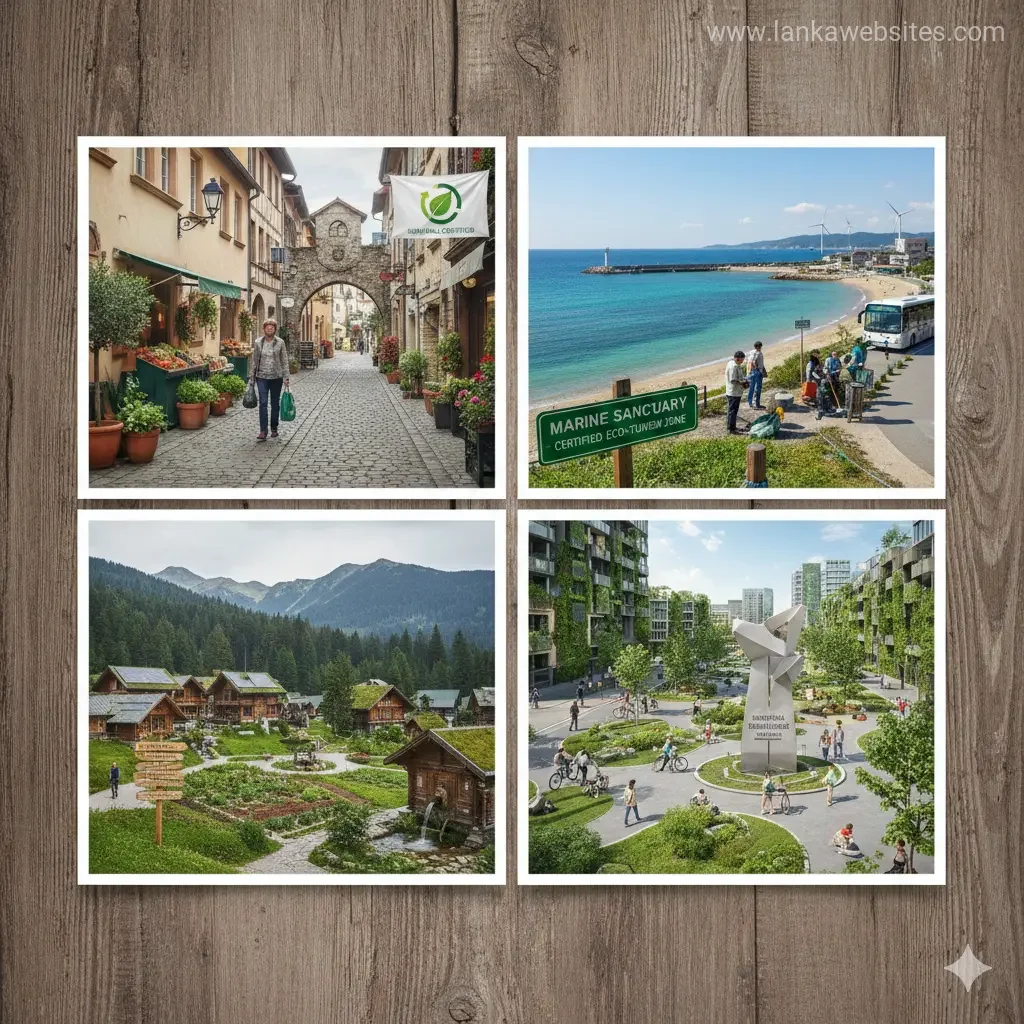
Sustainable Destination Pilot Towns Under National Certification (Profile Each)
Introduction to Sustainable Destination Pilot Towns As a New Zealander, you're likely no stranger to the country's stunning natural beauty and unique cultu
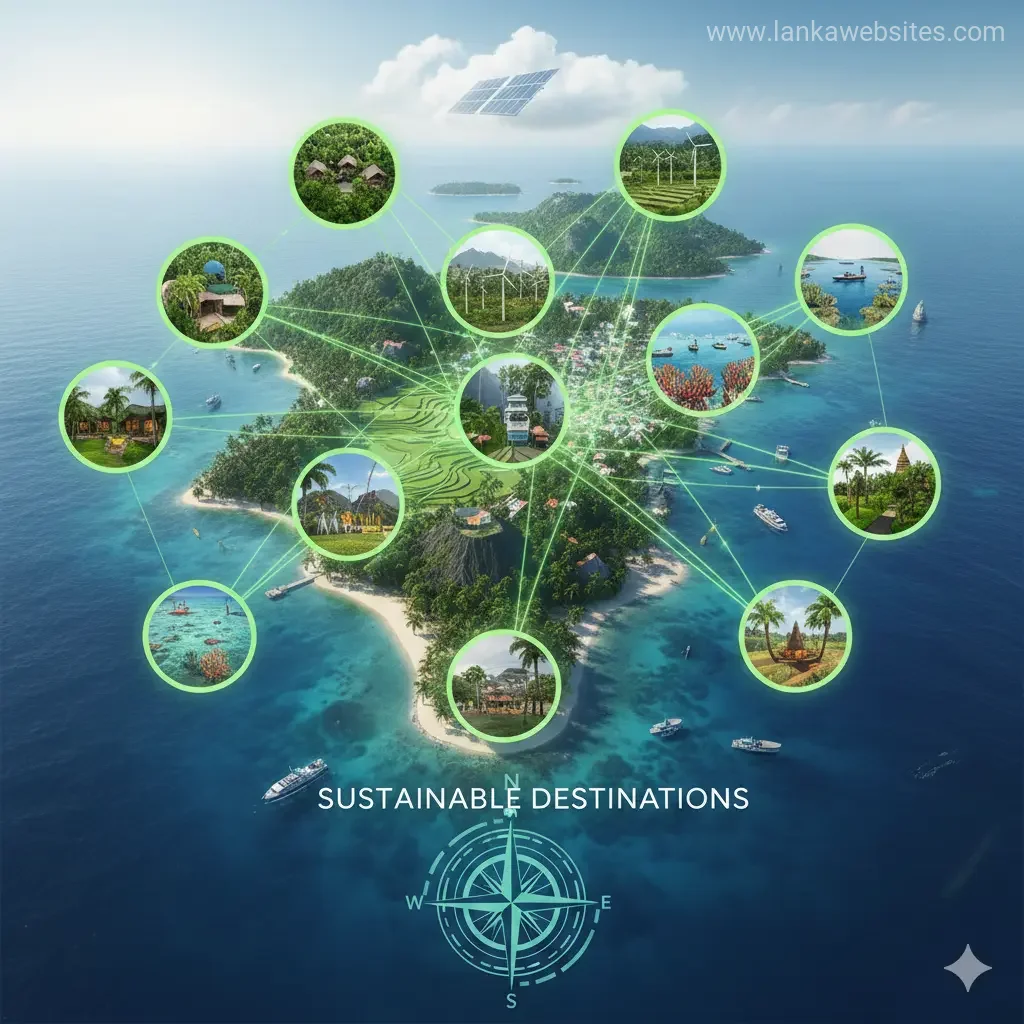
Island-Wide “Sustainable Destinations” Pilot: The 9 Provincial Flagship Areas
Introduction to Sustainable Destinations As a Kiwi, you're likely no stranger to the stunning natural beauty of New Zealand. From the rugged mountains to
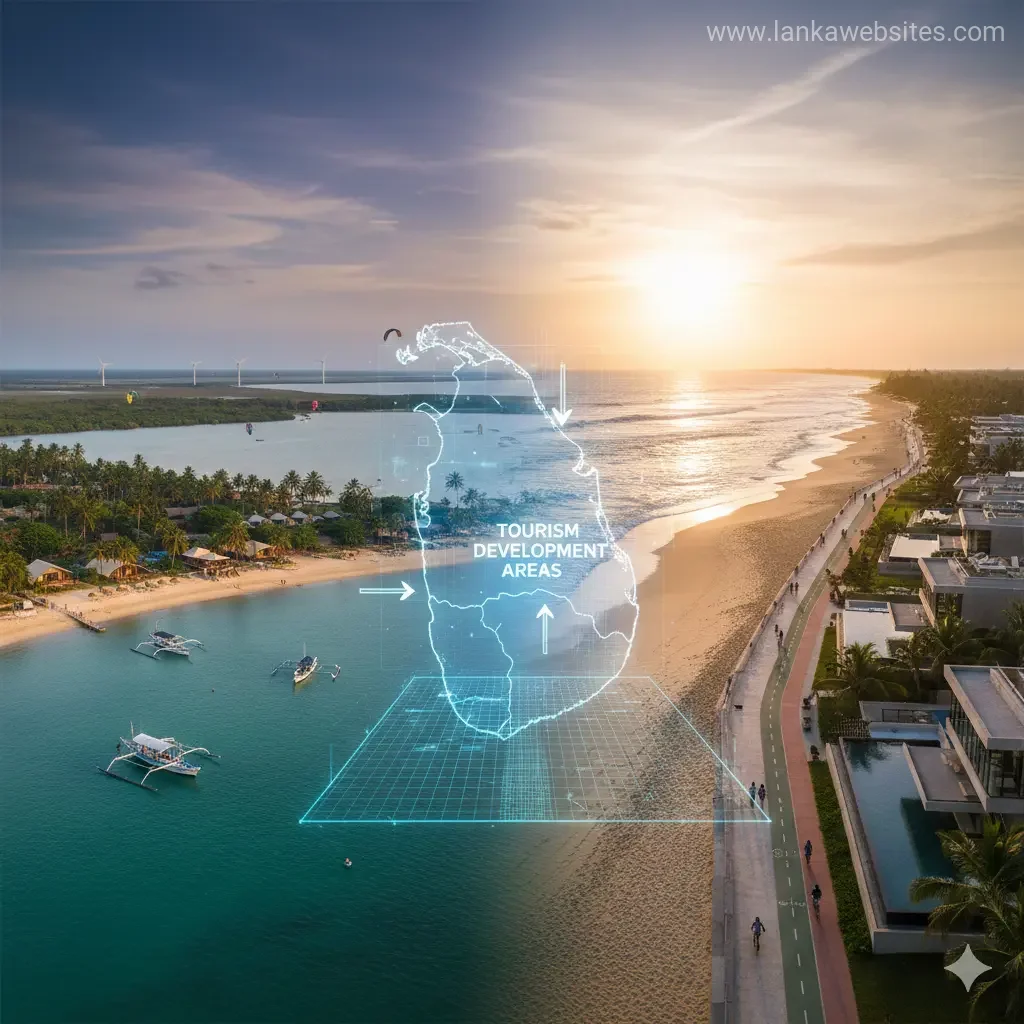
Tourism Development Areas (TDAs): What’s Coming Next in Kalpitiya & East Coast
Introduction to Tourism Development Areas As a New Zealander, you're likely no stranger to the concept of tourism and its impact on local economies. Howev