Ultimate Guide to Tyre Care on Pothole-Ridden Sri Lankan Roads 2026
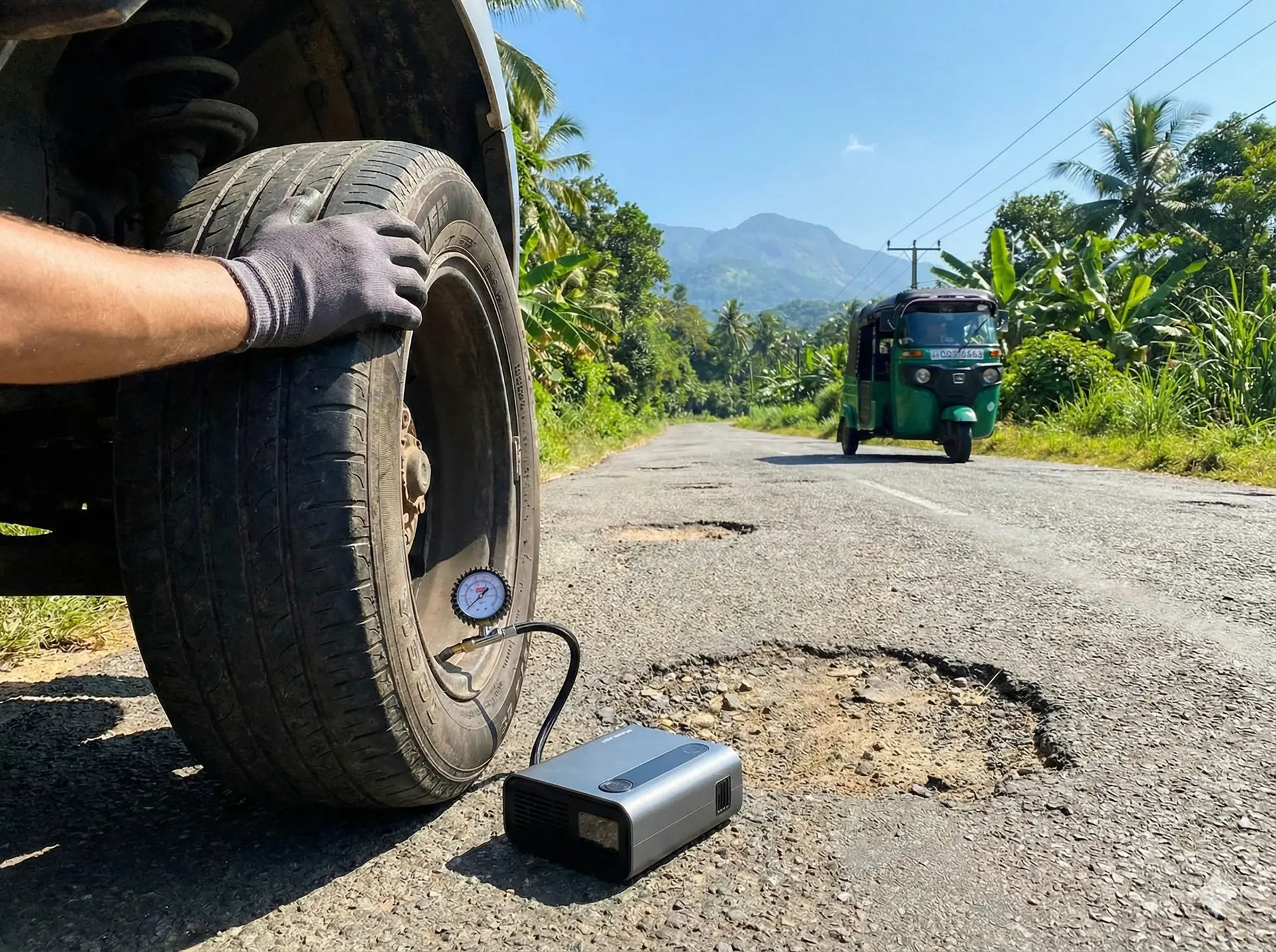
Learn how to maintain tyres on Sri Lanka’s pothole‑ridden roads in 2026, including pressure checks, tread care, and legal safety rules.
The Lankawebsites editorial team curates, fact-checks, and updates guides on personal finance, property, health, immigration, legal, business, and lifestyle topics relevant to Lankawebsites readers. Articles are produced with AI assistance and reviewed by the editorial team before publication.
If you drive on Sri Lankan roads, you’ll already know that potholes are basically part of the daily commute. Every time you see a suspicious patch, your instinct is to swerve or brake, but these bumps are also quietly damaging your tyres. In 2026, with nearly 40% of Sri Lanka’s road network still in poor or very poor condition, looking after your tyres is no longer optional—it’s essential for safety and saving money. This guide will walk you through practical tyre care specifically for our pothole‑ridden roads, from tyre‑pressure checks to tread maintenance and legal rules you should know.
Why Sri Lankan Roads Damage Tyres
Years of heavy traffic, monsoon rains, and inconsistent maintenance have left many roads in Sri Lanka full of cracks, potholes and uneven surfaces. These pavement failures mean extra stress on your tyres, especially when you hit sharp edges or deep holes at speed. Tyre sidewalls can crack, tread patterns can chip, and even the inner structure can weaken, which increases the risk of blow‑outs and skidding. Good driving habits and regular checks can significantly reduce this damage, even on busy routes like Kandy Road, Negombo Road or the Colombo–Kandy expressway.

How to Check Tyre Pressure Correctly
Starting with the basics: tyre pressure makes a huge difference to how your car handles potholes and how long your tyres last. Too low and your sidewalls flex too much; too high and the tyre sits harder on bumps, increasing impact damage. Most Sri Lankan passenger cars and small SUVs recommend pressures between about 30–35 psi when cold, but the exact figures are printed in your owner’s manual or on a sticker inside the driver’s door.
Step‑by‑step pressure check
- Use a digital or dial tyre‑pressure gauge that you can trust; basic gauges are widely available at local garages and tyre shops.
- Check tyres when they are cold—ideally before a long drive or after the car has been parked for at least three hours.
- Unscrew each valve cap, press the gauge firmly over the valve, read the pressure, and compare it to your vehicle’s recommended value.
- Adjust air at a service station or garage, then re‑check once the tyres are at normal temperature from short driving.
For everyday driving on Sri Lanka’s mixed roads, many local mechanics recommend keeping cold pressures close to the manufacturer’s recommendation rather than going too high, which can make the ride harsher and more likely to damage the tyre on potholes. If you regularly carry heavy loads or drive on poor roads, some brands suggest slightly higher pressures, but always stick to figures within the tyre manufacturer’s safe range.
Tyre Tread: How Much Do You Really Need?
Tread depth is crucial for grip, especially when it rains. Sri Lanka’s roads often flood during monsoon, and shallow tread increases the risk of skidding and aquaplaning. Internationally, many safety bodies recommend keeping car tyres above 3 mm, even though the legal minimum is 1.6 mm across the central three‑quarters of the tread around the full circumference.
How to measure tread depth
- Use a tread‑depth gauge or a simple coin test (many local garages use this method with a 20‑cent or 50‑cent coin).
- Check the main grooves at several points around the tyre, especially the centre and outer edges, because uneven wear can hide low tread.
- If the tread is at or below 1.6 mm in any legal inspection area, replace the tyre as soon as possible.
On Sri Lanka’s pothole‑laden routes, tyres with at least 2–3 mm tread will give you better control, shorter stopping distances and more confidence in wet conditions. If you notice any bald spots, cracks, or bulges, do not wait for the measurement—you should get the tyre inspected immediately.
Protecting Tyres When Hitting Potholes
It’s impossible to avoid every pothole, but you can still reduce the damage. Many road‑accident reports link poor road conditions to tyre failure and loss of control, especially on busy rural and highway sections. Simple changes in driving style can help your tyres last longer and keep you safer.
Practical tips for pothole impact
- Slow down when you see a suspicious patch or standing water; it’s safer to reduce speed than to hit a hidden hole at high speed.
- Avoid sharp swerving at the last moment, which can throw the car sideways and increase tyre stress; instead, brake gently and then steer smoothly.
- Keep tyres properly inflated and avoid under‑inflated tyres, which are more likely to develop sidewall bulges or bead damage when hitting potholes.
- After a hard hit, stop at the next safe point and visually inspect each tyre for cuts, bulges, or unusual vibrations when you drive.
If you notice any vibration, uneven wear, or a change in steering feel after hitting a pothole, get an alignment and balance check at a reputable garage. On many expressways and major highways, authorities are tightening safety checks, and vehicles with unsafe tyres may be barred from entry or fined.
Sri Lanka’s Legal Rules on Tyre Condition
The Motor Traffic (Consolidated) regulations in Sri Lanka state that no one should use a motor vehicle with tyres that are not in a fit condition or that fail prescribed safety standards. Although the law does not always spell out a specific millimetre value, the global standard of 1.6 mm minimum tread depth is widely used by local inspectors and garages when checking tyres.
What can get you in trouble
- Driving with tyres that are bald, cracked, bulging, or deeply cut, especially where the ply or cord is exposed.
- Using mismatched tyres (radial with bias, old with brand new) on the same axle, which can create uneven wear and handling problems.
- Carrying excessive loads that exceed the tyre’s load rating, particularly on pick‑up trucks, vans or small lorries.
On expressways, new safety upgrades announced in 2025–2026 mean vehicles with unsafe or substandard tyres may be inspected more strictly and could be denied entry or asked to replace tyres before continuing. Regular annual checks at registration and at expressway toll gates can include tyre inspections, so it is wise to keep tread depth and overall condition well above the minimum.
Best Tyre Maintenance Habits for 2026
With Sri Lanka’s roads unlikely to change overnight, a proactive maintenance routine is your best protection. Regular checks only take a few minutes but can prevent costly replacements and dangerous failures.
Monthly tyre care checklist
- Check tyre pressure at least once a month or before any long journey, especially during the hot season when pressure can rise.
- Inspect tyres for cuts, bulges, cracks, nails or screws, and remove stones trapped in the tread when you wash the car.
- Watch for uneven wear patterns (more wear on the inside, outside or centre), which can signal alignment or suspension issues.
- Rotate tyres every 8,000–10,000 km where the manufacturer allows it, to balance wear between front and rear on Sri Lanka’s bumpy roads.
When buying new tyres, choose a reputable brand such as CEAT, Michelin, or other recognised suppliers and ensure the size, load and speed ratings match your vehicle’s requirements. Many local dealers offer balancing and alignment services, and some give limited warranties on tyres that can be useful if you find defects or premature wear.
Next Steps for Your Tyres in 2026
On Sri Lanka’s pothole‑ridden roads, your tyres are your first line of defence against accidents and breakdowns. Start by checking your current tyre pressure and tread depth, then set a monthly reminder on your phone or diary to repeat the checks. If you’re unsure about your vehicle’s recommended pressure or tread condition, visit a reputable tyre dealer or service centre and ask them to inspect all four tyres. By combining regular checks, sensible driving habits and legal awareness, you can keep your tyres safer, last longer, and reduce the risk of being caught out by a sudden failure on a bumpy road near Colombo, Kandy, Galle, or Jaffna.
Frequently Asked Questions
Related Articles
Best Engine Oils for Sri Lankan Roads in 2026: Comparisons and Recommendations
Driving on Sri Lanka's roads means battling heat, humidity, dust from the dry zones, and heavy traffic in Colombo. With temperatures often soaring above 30°C and our tropical climate accelerating engi
Preparing Your Car for Sri Lanka's 2026 Southwest Monsoon
Protect your vehicle from monsoon damage with this comprehensive preparation guide for Sri Lanka's 2026 southwest monsoon season.
Top Mechanics in Colombo for 2026 Car Servicing
Discover Colombo's most trusted mechanics for 2026, from DIMO and Sterling to independent workshops. Get expert tips on choosing reliable car service.

Hybrid vs Petrol Cars: Best Choice for Sri Lanka 2026
Comparing hybrid vs petrol cars in Sri Lanka for 2026. Discover real fuel costs, maintenance expenses, and which option suits your driving needs best.