Threatened Species Sanctuaries
Introduction to Threatened Species Sanctuaries New Zealand is renowned for its stunning natural beauty and unique wildlife. However, many of our native sp
Sri Lanka, an island nation in the Indian Ocean, is home to a diverse range of flora and fauna. With its unique geography and climate, the country has become a haven for many species of plants and animals. However, due to various human activities, many of these species are facing threats to their survival. To combat this, the government and conservation organizations have established Threatened Species Sanctuaries to protect and conserve these species. In this article, we'll delve into the world of threatened species sanctuaries in Sri Lanka, exploring their importance, the species they protect, and how we can contribute to their conservation.
What are Threatened Species Sanctuaries?
Threatened species sanctuaries are protected areas that provide a safe habitat for species that are threatened or endangered. These sanctuaries are established to conserve and protect species that are facing threats such as habitat loss, pollution, hunting, and climate change. In Sri Lanka, the Department of Wildlife Conservation (DWC) is responsible for establishing and managing these sanctuaries [1]. The DWC works closely with other government agencies, conservation organizations, and local communities to ensure the effective management of these sanctuaries.
Types of Threatened Species Sanctuaries in Sri Lanka
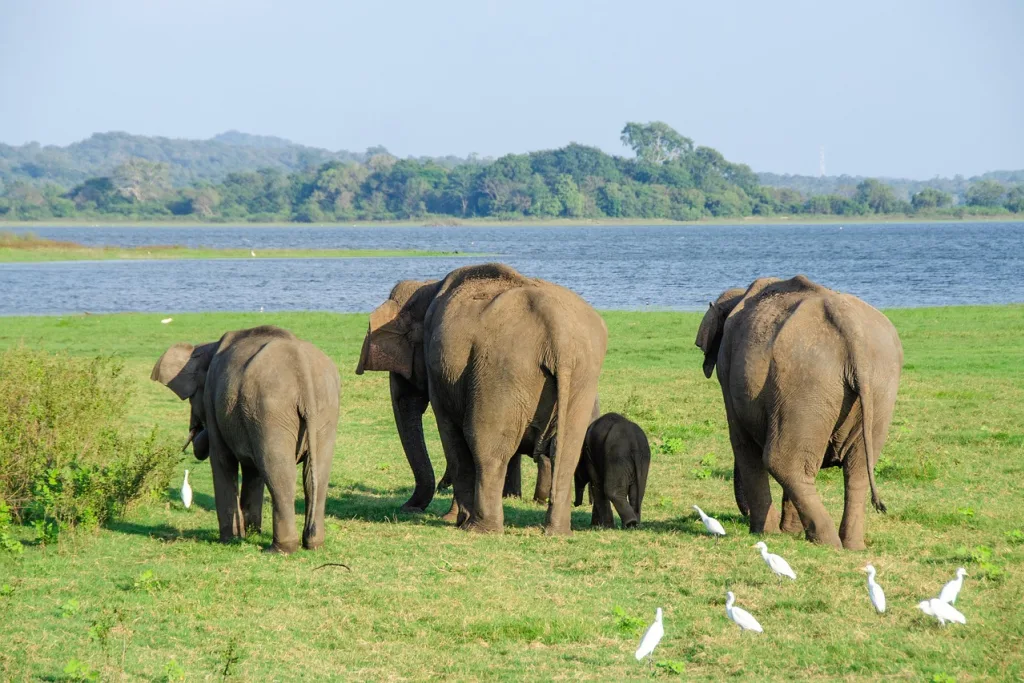
There are several types of threatened species sanctuaries in Sri Lanka, including national parks, wildlife reserves, and sanctuaries. These sanctuaries are established to protect specific species or groups of species. For example, the Yala National Park is a sanctuary for elephants, leopards, and sloth bears, while the Bundala National Park is a sanctuary for migratory birds [2]. Sri Lanka is also home to several turtle sanctuaries, which protect sea turtles and their habitats.
Importance of Threatened Species Sanctuaries
Threatened species sanctuaries play a crucial role in conserving and protecting Sri Lanka's biodiversity. These sanctuaries provide a safe habitat for species to live, feed, and breed, helping to maintain healthy populations. They also help to maintain ecosystem balance, which is essential for the overall health of the environment. Additionally, threatened species sanctuaries can help to support local communities by providing income opportunities through ecotourism [3].
Success Stories of Threatened Species Sanctuaries in Sri Lanka
There are several success stories of threatened species sanctuaries in Sri Lanka. For example, the Elephant Transit Home in Udawalawe has helped to rehabilitate and release orphaned elephants back into the wild [4]. The Sea Turtle Conservation Project in Rekawa has also helped to protect sea turtles and their habitats, resulting in an increase in turtle populations [5]. These success stories demonstrate the importance and effectiveness of threatened species sanctuaries in Sri Lanka.
How You Can Help
There are several ways you can help support threatened species sanctuaries in Sri Lanka. One way is to visit these sanctuaries and support ecotourism. By visiting these sanctuaries, you can help to generate income for local communities and support conservation efforts. You can also donate to organizations that work to protect and conserve threatened species. Additionally, you can help to spread awareness about the importance of threatened species sanctuaries and the need to protect Sri Lanka's biodiversity [6].
Practical Tips for Visiting Threatened Species Sanctuaries
If you're planning to visit a threatened species sanctuary in Sri Lanka, here are some practical tips to keep in mind:
- Respect the sanctuary's rules and regulations
- Keep a safe distance from the animals
- Avoid littering and pollution
- Support local communities by buying local products
- Report any illegal activities to the authorities
Frequently Asked Questions
Here are some frequently asked questions about threatened species sanctuaries in Sri Lanka:
- What is the purpose of threatened species sanctuaries? The purpose of threatened species sanctuaries is to protect and conserve species that are threatened or endangered.
- How can I visit a threatened species sanctuary in Sri Lanka? You can visit a threatened species sanctuary in Sri Lanka by contacting the Department of Wildlife Conservation or a local tour operator.
- What are some of the threatened species found in Sri Lanka? Some of the threatened species found in Sri Lanka include elephants, leopards, sloth bears, and sea turtles.
- How can I support threatened species sanctuaries in Sri Lanka? You can support threatened species sanctuaries in Sri Lanka by visiting these sanctuaries, donating to organizations that work to protect and conserve threatened species, and spreading awareness about the importance of these sanctuaries.
- Are threatened species sanctuaries effective in conserving species? Yes, threatened species sanctuaries have been shown to be effective in conserving species. They provide a safe habitat for species to live, feed, and breed, helping to maintain healthy populations.
- What is the role of local communities in threatened species sanctuaries? Local communities play a crucial role in threatened species sanctuaries. They can help to support conservation efforts by providing income opportunities through ecotourism and by helping to protect the sanctuaries from illegal activities.
Conclusion
Threatened species sanctuaries play a vital role in conserving and protecting Sri Lanka's biodiversity. By supporting these sanctuaries, we can help to maintain healthy populations of threatened species and preserve the country's natural heritage. If you're interested in visiting a threatened species sanctuary in Sri Lanka, we encourage you to do so. Remember to respect the sanctuary's rules and regulations, and support local communities by buying local products. Together, we can make a difference and help to protect Sri Lanka's threatened species.
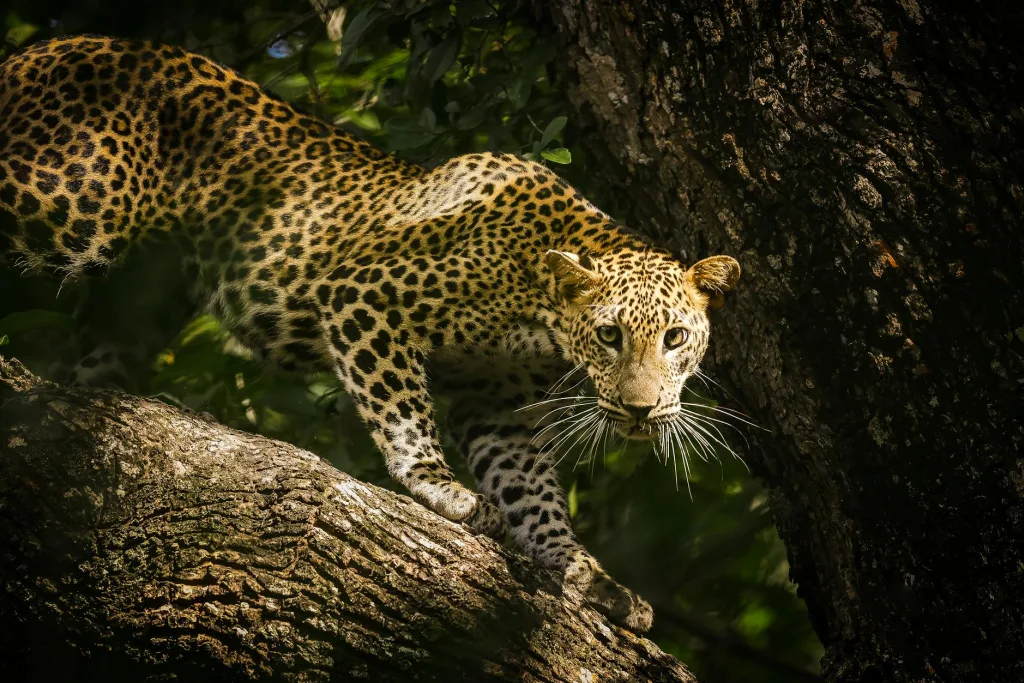
Photo by Rajee Kumar from pexels
Sources & References
- Department of Wildlife Conservation — Department of Wildlife Conservation, Sri Lanka
- Yala National Park — Yala National Park, Sri Lanka
- International Union for Conservation of Nature — International Union for Conservation of Nature
- Udawalawe National Park — Udawalawe National Park, Sri Lanka
- Sea Turtle Conservation Project — Sea Turtle Conservation Project, Sri Lanka
- Sri Lanka Ecotourism — Sri Lanka Ecotourism, Sri Lanka