Diving with Sharks and Wrecks: Advanced Diving in Sri Lanka
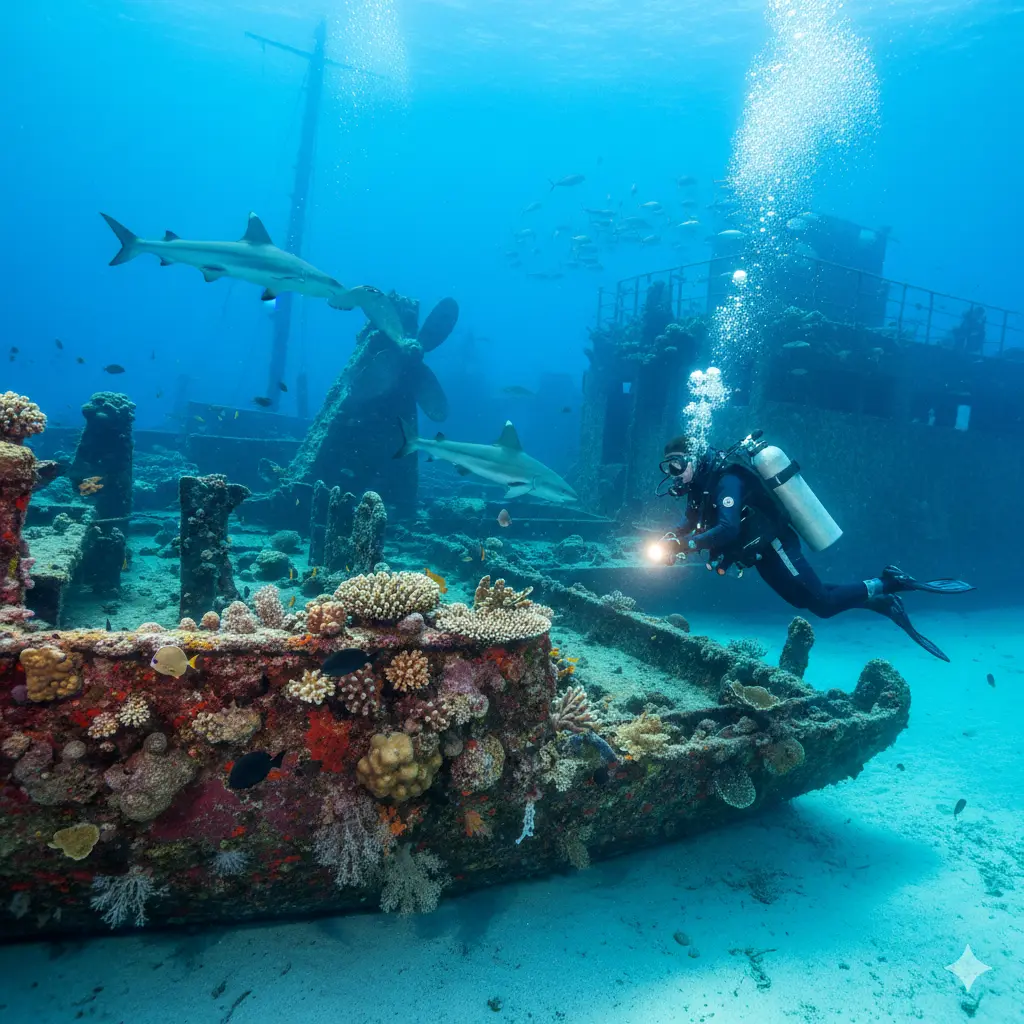
Imagine gliding through crystal-clear waters, coming face-to-fin with a reef shark patrolling an ancient shipwreck, its hull encrusted with vibrant corals. That's the thrill of advanced diving in Sri...
Imagine gliding through crystal-clear waters, coming face-to-fin with a reef shark patrolling an ancient shipwreck, its hull encrusted with vibrant corals. That's the thrill of advanced diving in Sri Lanka, where our island's rich marine life and historical wrecks offer experiences that rival the world's best dive spots. For locals ready to level up from beginner dives, these sites deliver adrenaline, beauty, and unforgettable encounters right in our backyard.[1][2]
Why Advanced Diving Thrives in Sri Lanka
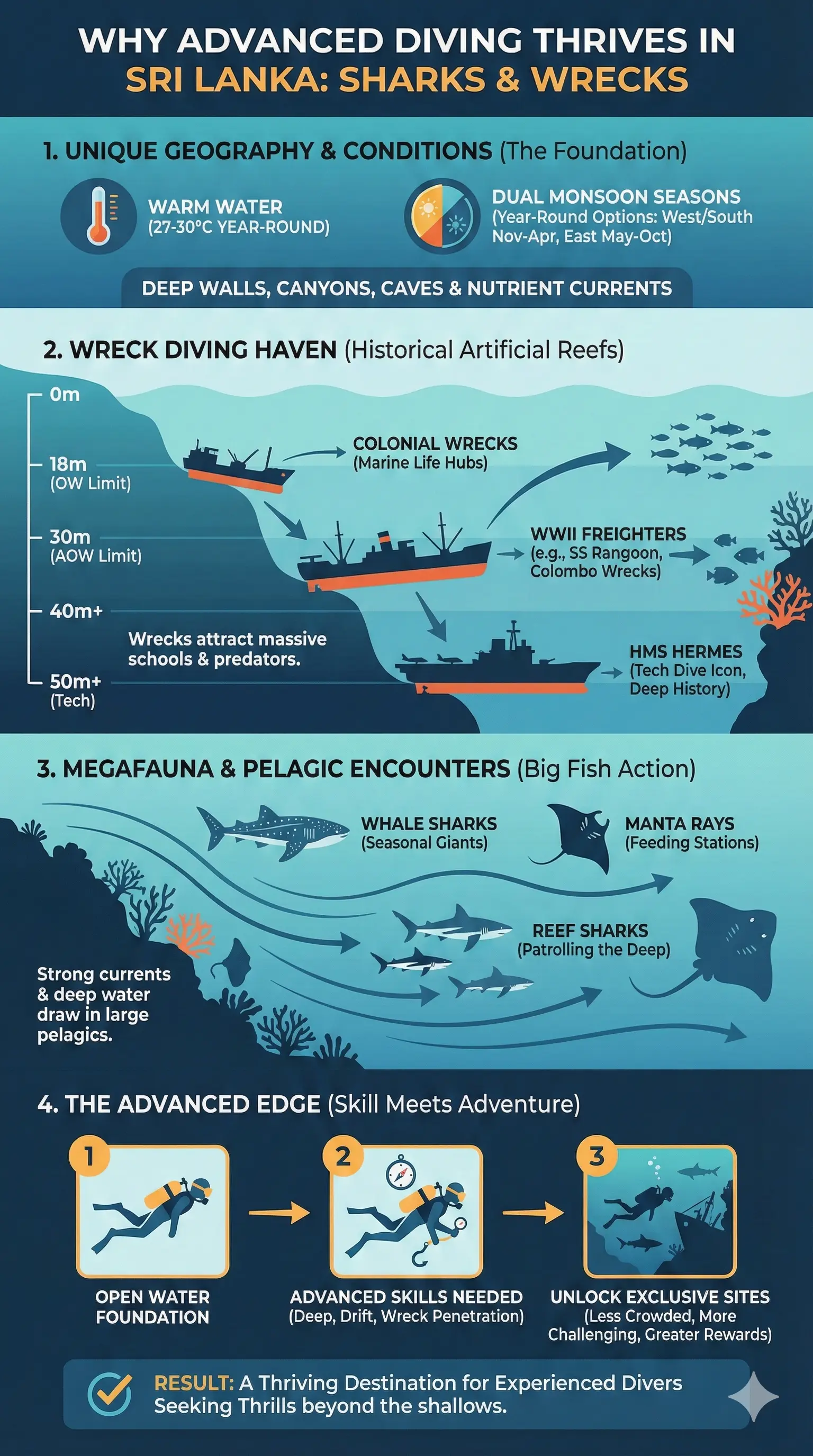
Our waters around Sri Lanka teem with biodiversity, from reef sharks and eagle rays to turtles and pelagics, thanks to warm currents from the Indian Ocean. Advanced sites often reach depths of 18-40 metres, with wrecks like the SS Rangoon and Galle Shipwreck attracting barracudas and strong currents that test your skills.[1][2] In 2026, with improved marine protections, visibility often hits 20 metres during peak seasons, making it prime time for PADI Advanced Open Water Divers.[3]
What sets our advanced dives apart? Historical wrecks from colonial eras, combined with pristine reefs in protected areas like Pigeon Island National Park and Bar Reef Marine Sanctuary. Locals know the southwest and northeast coasts deliver the goods, but you'll need proper certification and a reputable centre to dive safely.[2]
Certification Essentials for Locals
Don't dive deep without quals. PADI or SSI Advanced Open Water Diver certification lets you explore up to 30 metres and tackle night dives, wreck penetrations, or drift dives—perfect for Sri Lanka's conditions.[2] Rescue Diver adds safety skills for currents and marine life encounters. Expect courses at centres like Poseidon Diving Station in Hikkaduwa (oldest on the island since 1973) to cost LKR 50,000-80,000 in 2026, including gear and 5 dives.[2]
- Get certified locally: Blue Deep Diving in Unawatuna offers wreck-specialty courses for SS Rangoon.[2]
- Pro tip: Check Marine Environment Protection Authority (MEPA) guidelines for protected zones—no touching corals or feeding fish.[1]
- Cost-saving hack: Join group courses at Trincomalee Diving Centre during April-October season for discounts up to 20%.[2]
Top Shark and Wreck Dive Sites for Advanced Divers
Sri Lanka's advanced spots blend shark sightings with wreck explorations. Here's where locals head for the action, with depths, marine life, and 2026 tips.
Hikkaduwa: Coral Gardens and Wrecks
On our southwest coast, Hikkaduwa's Coral Gardens drops to 30 metres, ideal for spotting reef sharks amid hard corals and rays. Advanced divers love the rocky reefs and shipwrecks nearby—visibility 10-15 metres from November-April.[1][3] Dive with Poseidon Diving Station; a double-tank dive runs LKR 15,000-20,000.[2]
Shark alert: Blacktip reef sharks cruise the edges; stay calm and maintain neutral buoyancy to avoid stirring silt.[3]
Unawatuna: SS Rangoon and Galle Shipwreck
Unawatuna's star is the SS Rangoon wreck, sunk over a century ago at 30 metres. Encased in soft corals, it's home to lionfish, hawksbill turtles, nudibranchs, and occasional whale sharks.[2][3] The Galle Shipwreck (18-30 metres) buzzes with barracudas, trevallies, and rays—watch for boat traffic and currents.[1]
Best November-March; book Blue Deep Diving for guided wreck penetrations (LKR 18,000 per dive). Pro local tip: Arrive early from Galle by train (6km away) to beat crowds.[3]
Trincomalee and Nilaveli: Pigeon Island and Swami Rock
Northeast paradise! Pigeon Island National Park (3-10 metres shallow, deeper walls to 30m) swims with reef sharks, eagle rays, and turtles—protected since 1963.[1][2] Swami Rock (10-30m) hosts pelagics; currents demand drift skills.[1]
Nilaveli adds untouched reefs (6-35m) with rock swim-throughs. Season: March-October, visibility 5-20m. Trincomalee Diving Centre charges LKR 16,000-22,000; take the train from Colombo (248km).[3]
Kalpitiya and Bar Reef: Manta Rays and Cargo Wreck
Northwest's Bar Reef Marine Sanctuary (307 km²) offers depths to 40m. Advanced divers target the Cargo Wreck (30m) for reef sharks, lobsters, and rays amid sponges.[1][2] Mantas glide by seasonally; pair with dolphin watches.
Kalpitiya Diving Center (PADI 5-Star) runs trips for LKR 20,000; currents can surge, so Rescue Diver recommended. Best May-September.[5]
Mirissa and Batticaloa: Deep Wrecks and Pelagics
Mirissa Point (25m) mixes reefs with whale shark sightings; Mirissa Dive Centre adds wreck dives.[1][2] Batticaloa's wrecks draw advanced explorers—depths to 35m with schooling fish.[2]
Colombo's coast boasts 25+ wrecks like Chief Dragon and Earl of Shaftesbury via Sri Lanka Diving Tours—Gorgonian Gardens at 35m dazzles with fans.[3][6][7]
Practical Tips for Safe Advanced Diving
We've got world-class sites, but safety first. Follow these local hacks:
- Gear up: Rent from certified centres (BCD, regs, 12L tanks standard); bring your own computer for wreck nav.
- Buddy system: Dive pairs only; signal for sharks calmly.
- Regulations: No diving in no-take zones without MEPA permit; Pigeon Island entry LKR 1,500 locals (2026 rate).[1]
- Health check: DAN Asia-Pacific recommends annual medical for depths over 30m.
- Weather watch: Use Navy charts or apps like Windy; avoid monsoons.
- Budget: Full-day advanced wreck/shark dive: LKR 25,000-35,000 incl. boat, guide, lunch.
Choose PADI/SSI 5-Star centres like Divinguru (Unawatuna/Nilaveli) or Kalpitiya Diving for insured ops.[3][5]
Best Time and Getting There for Locals
Southwest (Hikkaduwa/Unawatuna/Mirissa): November-April. Northeast (Trincomalee): March-October. Northwest (Kalpitiya): May-September.[1][3]
From Colombo: Buses/trains cheap (LKR 500-2,000); taxis LKR 15,000-30,000. Bandaranaike Airport proximity aids Negombo wrecks.[3]
FAQ
What certification do I need for shark and wreck dives?
PADI Advanced Open Water minimum; add Wreck and Deep specialties for penetrations up to 30-40m.[2]
Are reef sharks dangerous in Sri Lanka?
No—blacktips here are shy. Maintain distance; incidents rare with proper buoyancy.[1][2]
How much does advanced diving cost in 2026?
LKR 15,000-25,000 per dive; courses LKR 50,000+ at PADI centres.[2]
Best wreck for beginners turning advanced?
Galle Shipwreck (18-30m) in Unawatuna—guided with Open Water upgrade.[1]
Can I spot whale sharks year-round?
Peak Mirissa/Kalpitiya March-May, September-November; seasonal migrations.[1]
Any local laws for wreck diving?
MEPA bans artefact removal; dive only with licensed guides in protected areas.[1]
Next Steps: Plan Your Dive Today
Ready to chase sharks through wrecks? Contact a PADI centre like Blue Deep or Poseidon for a try-dive, then certify. Book via Lanka Websites partners for local deals—grab your gear, check tides, and dive into Sri Lanka's underwater wonders. Share your stories; our seas await![2]
Sources & References
- The Ultimate Guide to Scuba Diving In Sri Lanka — divessi.com
- Scuba diving in Sri Lanka: Best spots and prices - Holafly eSIM — esim.holafly.com
- Top Spots for Scuba Diving in Sri Lanka - Divinguru — divinguru.com
- 9 Best Diving in Sri Lanka in 2026 - Seek Sophie — seeksophie.com
- THE BEST Sri Lanka Scuba Diving & Snorkeling (2026) - Tripadvisor — tripadvisor.com
- Top dive sites in Sri Lanka - PADI — padi.com
- Sri Lanka Jan 2026 - Scuba Network — indiascubanetwork.com
Related Articles
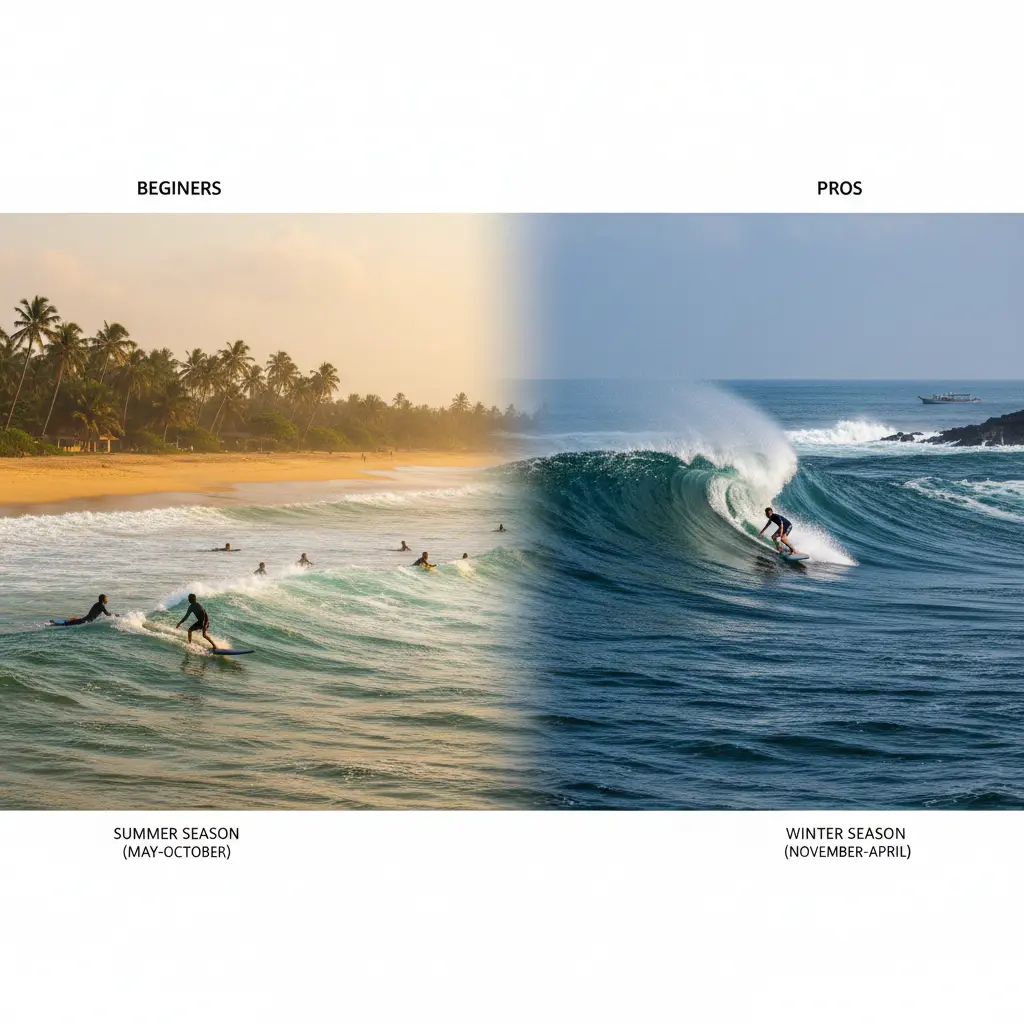
Surfing in Sri Lanka: Best Spots by Season for Beginners and Pros
Sri Lanka's waves call to us locals and visitors alike, offering year-round thrills from gentle rollers perfect for your first stand-up to barreling rights that challenge the pros. Whether you're a be...
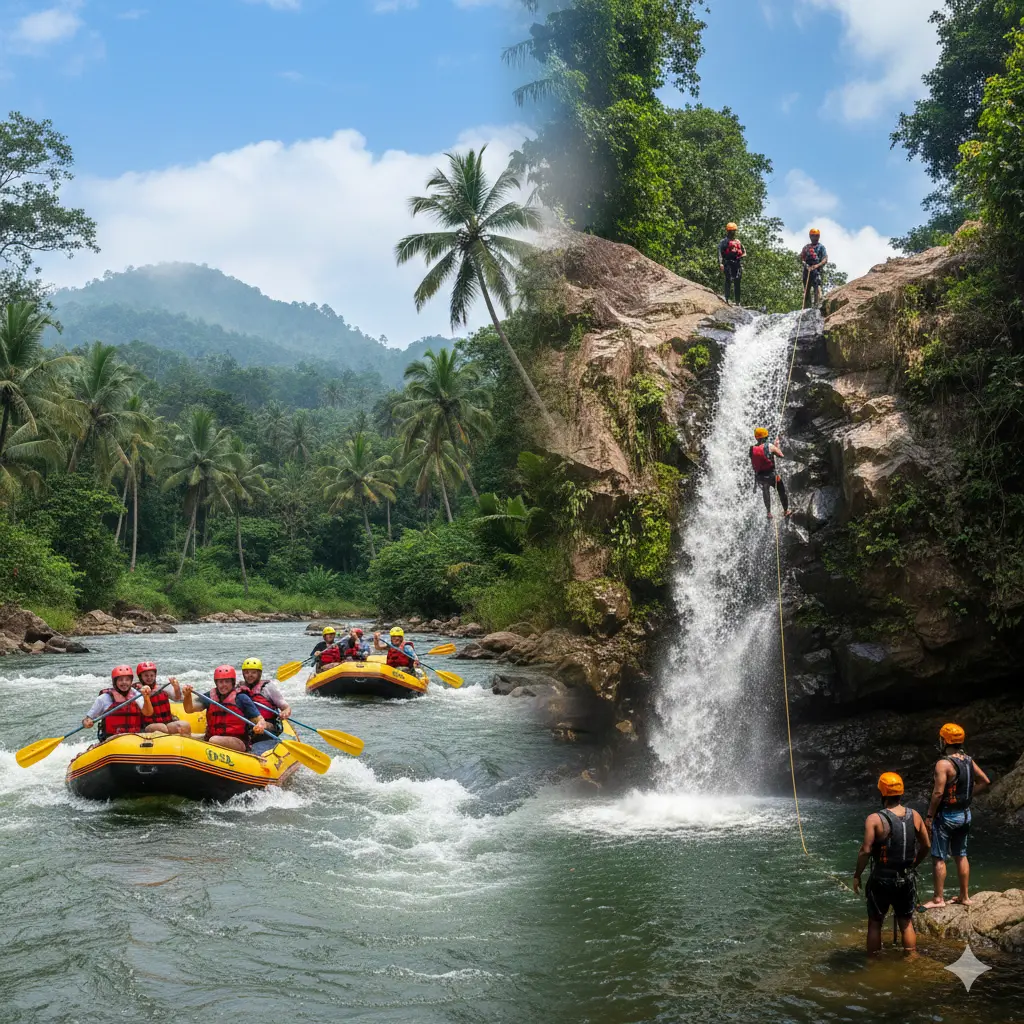
White-Water Rafting and Canyoning in Kitulgala: Adventure Guide
If you're craving an adrenaline rush and a genuine connection with Sri Lanka's wild side, Kitulgala is calling your name. Nestled in the Sabaragamuwa Province, this jungle adventure hub offers some of...
Kitesurfing in Kalpitiya: Wind Season, Schools & Gear Rentals
Kalpitiya, nestled on Sri Lanka's remote northwestern coast, has become one of the world's premier kitesurfing destinations. Whether you're a seasoned rider chasing consistent winds or a beginner eage...

Climbing Adam’s Peak (Sri Pada): Pilgrimage vs Off-Season Hike
Imagine standing at the summit of Adam’s Peak as the first rays of dawn paint the sky in hues of orange and pink, with thousands of fellow pilgrims chanting softly around you—or savouring that same br...