Climbing Adam’s Peak (Sri Pada): Pilgrimage vs Off-Season Hike
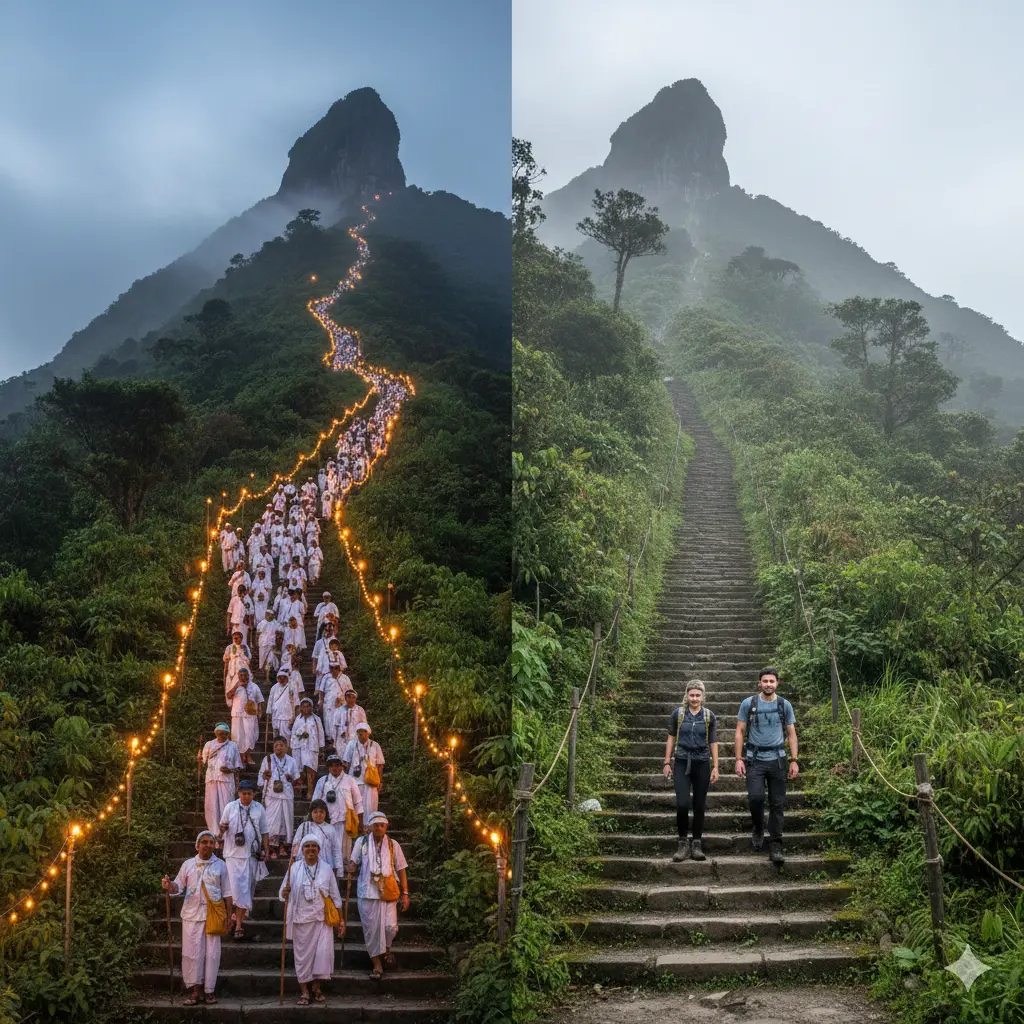
Imagine standing at the summit of Adam’s Peak as the first rays of dawn paint the sky in hues of orange and pink, with thousands of fellow pilgrims chanting softly around you—or savouring that same br...
Imagine standing at the summit of Adam’s Peak as the first rays of dawn paint the sky in hues of orange and pink, with thousands of fellow pilgrims chanting softly around you—or savouring that same breathtaking view in near solitude, surrounded only by the whisper of wind through tea plantations. Whether you're drawn by deep faith during the bustling pilgrimage season or seeking a challenging workout in the quiet off-season, climbing Sri Pada offers a uniquely Sri Lankan adventure that's equal parts spiritual and physical.
This guide breaks down everything you need to know about Climbing Adam’s Peak (Sri Pada): Pilgrimage vs Off-Season Hike, tailored for us locals planning our next trip from Colombo, Kandy, or the hill country. We'll cover the best times, routes, what to pack, and practical tips to make your ascent safe and memorable in 2026.
What is Adam’s Peak and Why Climb It?
Adam’s Peak, or Sri Pada as we call it here in Sri Lanka, rises to 2,243 metres in the Central Highlands, within the Peak Wilderness Sanctuary.[3] At the summit sits a sacred footprint revered by Buddhists as the Buddha’s, by Hindus as Shiva’s, and by Muslims and Christians as Adam’s—making it one of our most holy sites.[3] Beyond faith, the climb rewards you with panoramic views of misty mountains, endless tea estates, and that iconic sunrise shadow play over the plains.
For locals, it's more than a hike; it's a chance to connect with our shared heritage. Pilgrims flock here annually, but off-season trekkers discover a rawer, more personal challenge.[1]
Pilgrimage Season: The Spiritual Spectacle
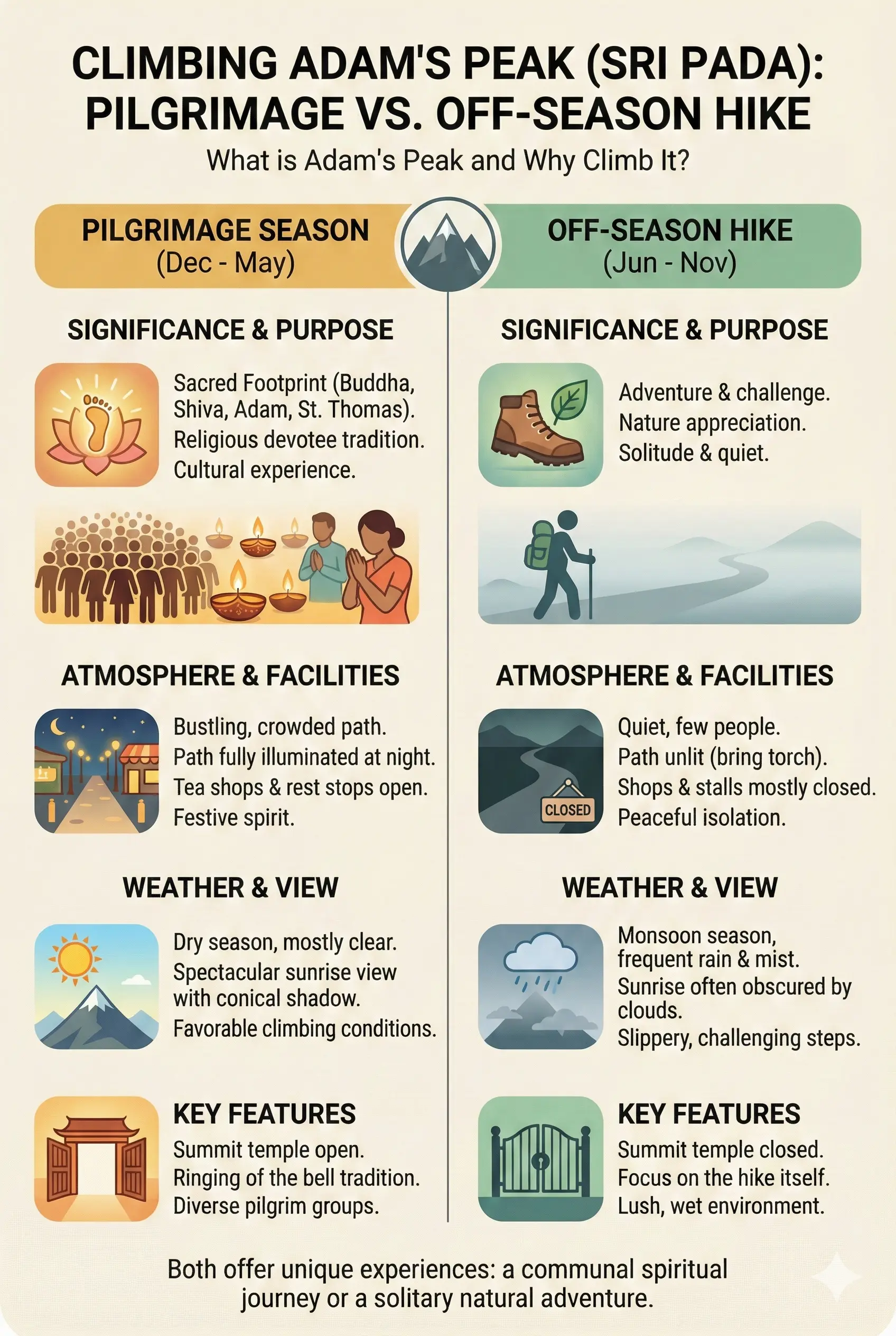
The pilgrimage season runs from December to May, peaking in January when queues snake up the mountain like a river of lights.[4] This is when Sri Pada truly comes alive—we're talking lakhs of devotees from across the island, oil lamps flickering along the path, and the air filled with prayers and the scent of incense.[3]
Why Choose Pilgrimage Season?
- Electric Atmosphere: Join families, monks, and elders climbing together; it's a communal bond like no other.
- Full Support: The trail from Dalhousie (Nallathanniya) is lit, signposted, and lined with stalls selling tea, hoppers, and sweets—open 24/7.[4][5]
- Sunrise Magic: Higher chances of clear skies for that perfect Adam’s Peak sunrise.[1]
- Cultural Events: Temples buzz with poya vibes, especially during full moon nights.
Practical Tips for Pilgrimage Climbs
Start at 2am from Dalhousie to hit the summit by 6am sunrise.[2][5] Expect 2-4 hours up (longer in peak crowds), covering 5km with 5,500 steps and 900m elevation gain.[2][5] Crowds mean slower paces, so patience is key—some sections bottleneck near the top.[4]
Public buses from Colombo to Hatton (Rs. 500-700, 4-5 hours) then tuk-tuks or buses to Dalhousie (Rs. 200-300) are wallet-friendly for us locals.[5] Stay overnight at guesthouses like Sri Pada View Point (Rs. 3,000-5,000/night in 2026).[1] Dress modestly: white clothes for pilgrims, cover shoulders and knees out of respect.
Off-Season Hike: Solitude and Challenge
From June to November, the monsoon transforms Sri Pada into a hiker's haven—fewer people, cooler temps, but expect rain, mist, and closed stalls.[4] It's pilgrimage vs off-season hike at its clearest: trade crowds for peace and a tougher workout.
Why Hike Off-Season?
- No Queues: Reach the summit in 1.5-3 hours; descend even faster.[5][6]
- Nature Immersion: Lush greenery, waterfalls, and wildlife in the Peak Wilderness—perfect for birdwatchers spotting rare montane species.
- Budget-Friendly: Accommodation drops to Rs. 1,500-3,000; fewer tourists mean better deals on tuk-tuks.
- Fitness Test: Uneven, slippery steps build endurance without the pilgrimage buzz.
Off-Season Challenges and Safety
Rain makes steps treacherous—leeches appear, and visibility drops.[5] The path remains accessible but unlit, so bring a headtorch. It's safe solo if fit, but go with a mate or local guide (Rs. 2,000-4,000).[3] Check weather via the Met Department app; avoid heavy downpours to prevent slips.[1]
Transport's trickier: buses to Hatton run, but tuk-tuks to Dalhousie are scarcer—book ahead via WhatsApp groups like local Hatton taxi chats.[5]
Routes to the Summit: Which One for You?
The classic Nallathanniya (Dalhousie) route from the north is most popular: 5km of stairs, starting gentle then steepening.[2][3] Alternatives include Hatton (longer, gentler) or Maskeliya (scenic but tougher).[4] For pilgrimage, stick to Dalhousie; off-season, any works.
| Route | Distance | Time (Up) | Best For |
|---|---|---|---|
| Dalhousie (Nallathanniya) | 5km | 2-4 hours | Pilgrimage crowds, facilities |
| Hatton | 7km | 3-5 hours | Off-season solitude |
| Maskeliya | 6km | 2.5-4 hours | Scenic views |
What to Pack: Essential Gear for Both Seasons
Pack light but smart—steps demand knee-friendly choices.
- Footwear: Grippy trekking shoes; no sandals on wet stone.
- Clothing: Quick-dry layers, rain jacket (off-season must), hat, gloves for cold summit (10-15°C dawn).[1]
- Hydration & Snacks: 2L water, bananas, glucose—stalls unreliable off-season.[6]
- Tech: Headlamp, power bank, phone with offline maps (Maps.me).
- Other: Salt for leeches, knee supports, Rs. 1,000 cash for stalls/donations.
Tip: Test your pack on a local hill like mini-Sri Pada trails near Ratnapura first.
Fitness and Preparation: Is It for You?
No technical skills needed, but 5,500 steps test legs and lungs—expect gruelling sections.[5][6] Beginners: train with stairs at home or Pidurutalagala walks. Families: fine for kids over 10 in pilgrimage season; off-season, better for adults.
Health note: Asthmatics beware high altitude; hydrate to avoid cramps. Central Province Health Services recommend check-ups for heart conditions.[1]
Costs in 2026: Budget Breakdown
For us locals, it's affordable:
- Transport (Colombo return): Rs. 2,000-3,000 public.[5]
- Stay: Rs. 2,000-5,000.[1]
- Food/Stalls: Rs. 500-1,000.
- Guide (optional): Rs. 2,000-4,000.[3]
- Total: Rs. 5,000-10,000 per person.
Entry to Peak Wilderness: Rs. 500 locals (2026 rate).[1]
FAQ
Is Adam’s Peak open year-round?
Yes, but facilities close June-November. Best pilgrimage: Dec-May; hikes anytime if weather permits.[4]
How hard is the climb?
Moderate: stairs only, no ropes, but 900m gain tires unfit climbers. 2-5 hours up.[2][6]
Can I climb alone off-season?
Yes, if experienced; pair up for safety. Trail marked, but misty.[5]
What's the sunrise like?
Magical—shadow of the peak stretches over clouds. 6am-ish; clearer in pilgrimage season.[1]
Are there toilets/water on the way?
Pilgrimage: plenty. Off-season: carry your own; basic toilets midway.[4]
Best transport from Kandy?
Bus to Hatton (2 hours, Rs. 300), then tuk-tuk (Rs. 500).[5]
Your Next Steps: Plan Your Climb Today
Whether for sil reda or sweat, Sri Pada awaits. Check the Meteorological Department for weather, book transport early via 1194 bus helpline, and join local Facebook groups like "Sri Pada Pilgrims 2026" for real-time tips. Start training those legs—we'll see you at the top!
Sources & References
- Adam's Peak Hike 2026: Sri Pada Sunrise & Pilgrimage Guide — srilankavisits.com
- Sri Lanka in Depth 2026 Adams Peak - 15 Days — theadventurepeople.com
- Experiences - Adam's Peak climb — srilankainstyle.com
- How to climb Adam's Peak (Sri Lanka), best time and practical tips — elprismadefer.com
- A guide to hiking Adam's Peak, Sri Lanka — weareglobaltravellers.com
- Climbing Adam's Peak in Sri Lanka - A Complete Guide — chrisandwrensworld.com
Related Articles
Surfing in Sri Lanka: Best Spots by Season for Beginners and Pros
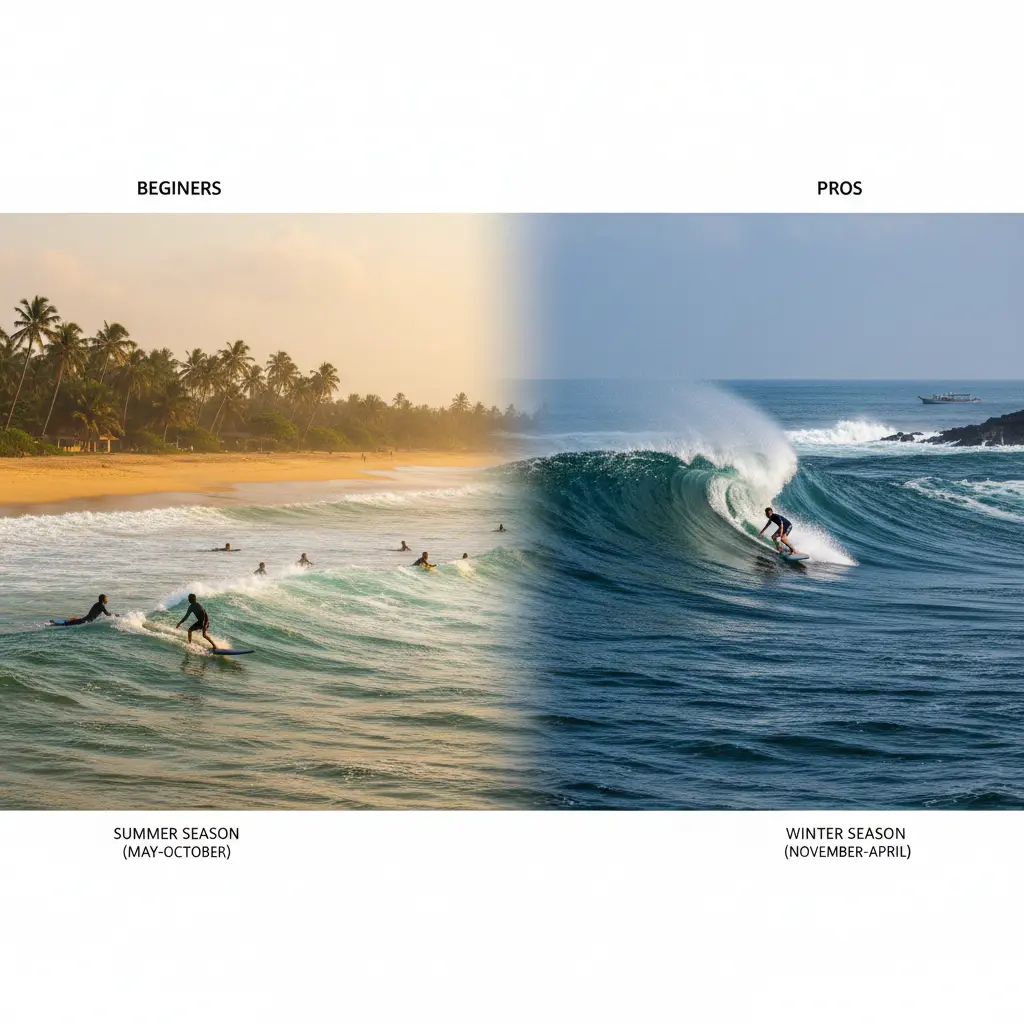
Sri Lanka's waves call to us locals and visitors alike, offering year-round thrills from gentle rollers perfect for your first stand-up to barreling rights that challenge the pros. Whether you're a be...
White-Water Rafting and Canyoning in Kitulgala: Adventure Guide
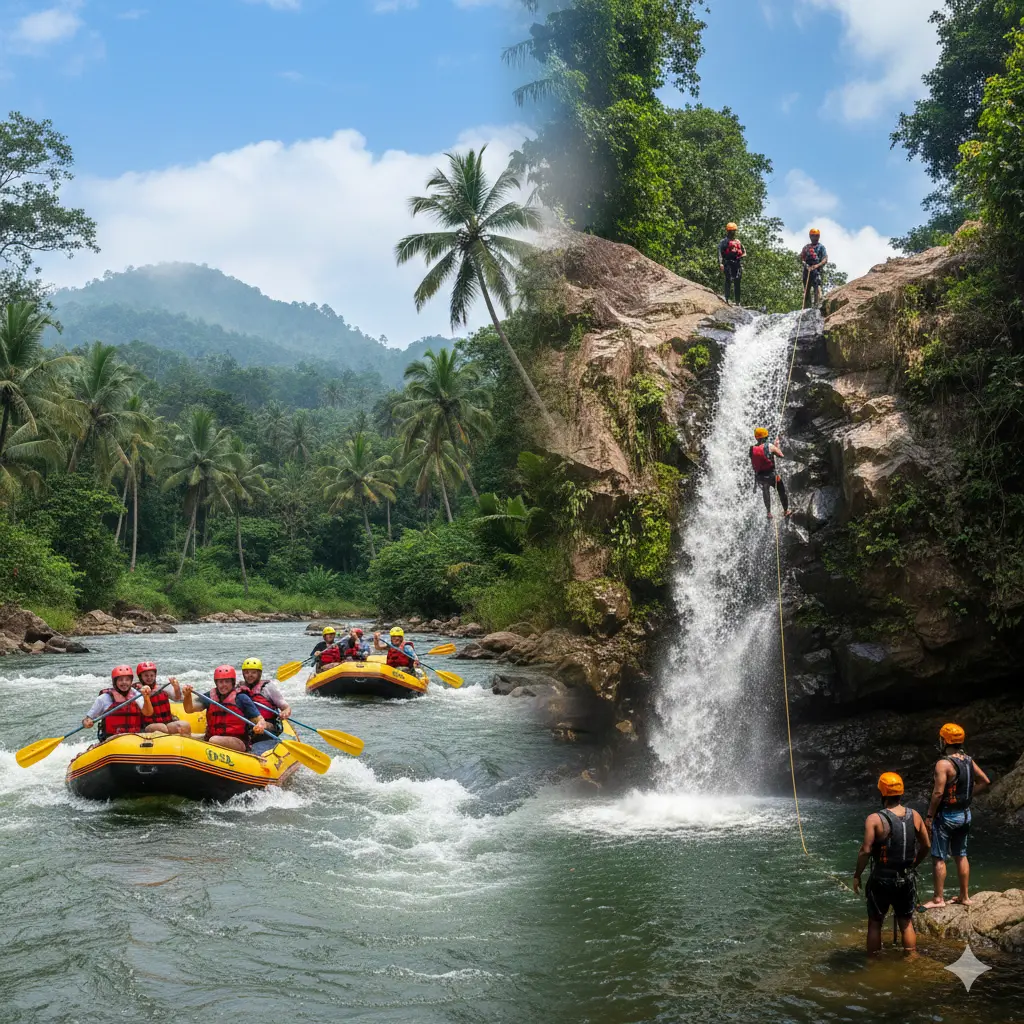
If you're craving an adrenaline rush and a genuine connection with Sri Lanka's wild side, Kitulgala is calling your name. Nestled in the Sabaragamuwa Province, this jungle adventure hub offers some of...
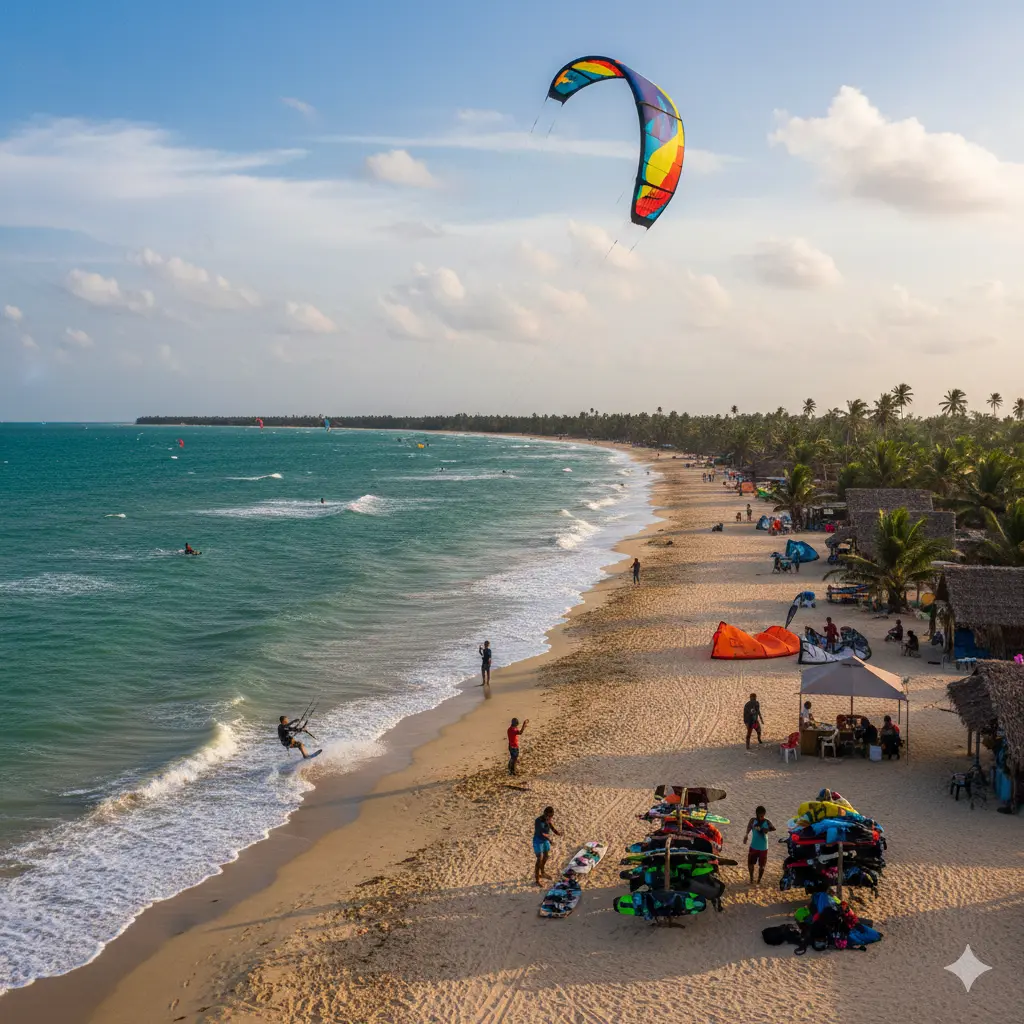
Kitesurfing in Kalpitiya: Wind Season, Schools & Gear Rentals
Kalpitiya, nestled on Sri Lanka's remote northwestern coast, has become one of the world's premier kitesurfing destinations. Whether you're a seasoned rider chasing consistent winds or a beginner eage...
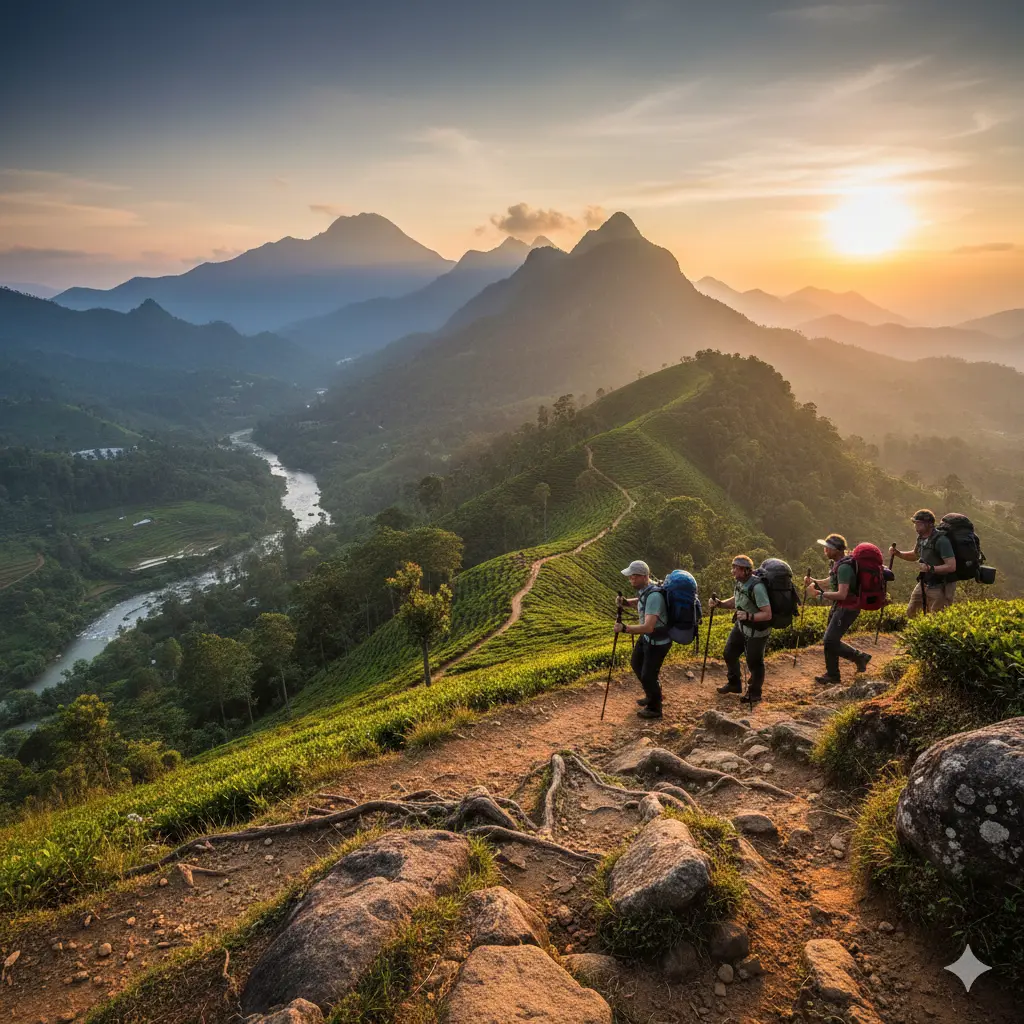
Multi-Day Trekking Routes in Sri Lanka for Serious Hikers
Sri Lanka's rugged peaks, misty highlands, and ancient trails call to serious hikers like us locals who crave multi-day challenges right in our backyard. Whether you're eyeing the epic 300km Pekoe Tra...