Sri Lanka Introduces Licensing System for Commercial Drone Pilots
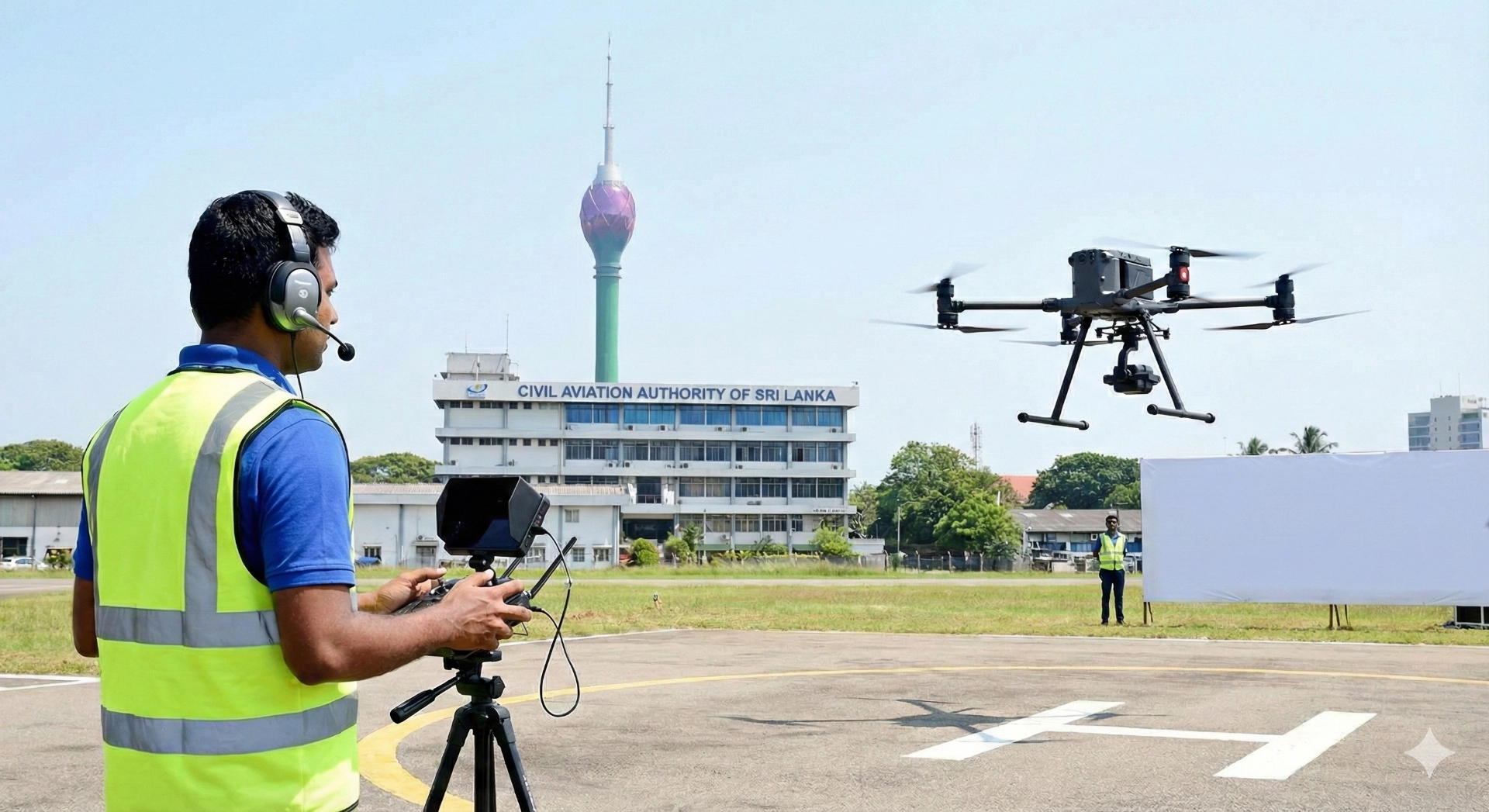
COLOMBO — For the first time, the Civil Aviation Authority of Sri Lanka (CAASL) is moving to introduce a mandatory licensing system for Unmanned Aircraft Systems (UAS) operators engaged in commercial and professional activities. This initiative is being spearheaded under the guidance of Captain...
COLOMBO — For the first time, the Civil Aviation Authority of Sri Lanka (CAASL) is moving to introduce a mandatory licensing system for Unmanned Aircraft Systems (UAS) operators engaged in commercial and professional activities.
This initiative is being spearheaded under the guidance of Captain Daminda Rambukwella, the Director General of Civil Aviation (DGCA) and Chief Executive Officer.
Why This Matters for Sri Lanka
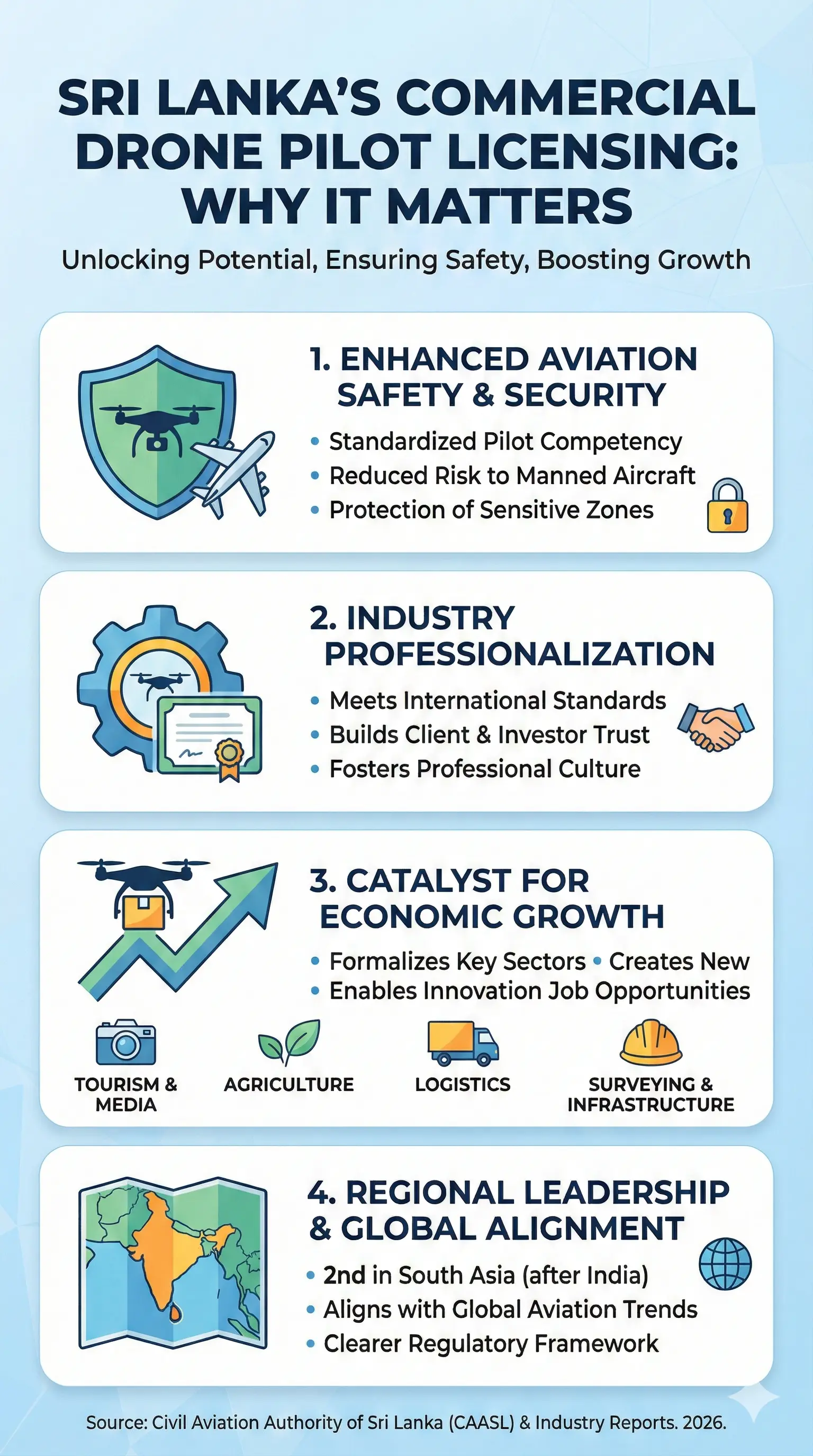
The introduction of a formal licensing system is a critical step for Sri Lanka as the utilization of drones expands rapidly across vital sectors such as tourism, agriculture, and media. With the island’s airspace becoming increasingly busy, this framework ensures that commercial operators possess the necessary technical knowledge and flight discipline to operate safely near manned aircraft and sensitive security zones. By standardizing competency, the CAASL aims to professionalize the local drone industry, allowing certified Sri Lankan pilots to meet international safety standards and gain greater trust from commercial clients and investors.
New Regulatory Framework
The CAASL has already issued standard drone regulations under IS-53, which serves as the foundation for this new pilot licensing framework. As the National Aviation Authority, CAASL is responsible for the oversight of both manned aircraft operations and unmanned systems.
Current regulations strictly mandate that all UAS used for commercial purposes must be registered with the CAASL. The new licensing drive aims to foster a professional operational culture within the local drone industry, aligning Sri Lanka with global aviation trends where UAS technology is increasingly vital.
Licensing Requirements
Obtaining a UAS Pilot License will be a rigorous process designed to ensure safety and competency. Applicants must successfully complete the following steps:
- Theoretical Examination: A written test on aviation rules and drone operations.
- Practical Assessment: A live demonstration of operational competency.
- Medical Evaluation: Completion of a mandatory medical check.
- Security Clearance: Obtaining the necessary security background checks.
First Assessment Conducted
The evaluation process for the issuance of the country’s first UA Pilot License has already commenced. DGCA Captain Daminda Rambukwella personally conducted the assessment.
Mr. Pravin Wijesinghe, a Civil Aviation Inspector (UAS), successfully completed the practical demonstration for the authority after passing the requisite theoretical examination.
Regional Significance
With the full implementation of this system, Sri Lanka is set to become the second country in South Asia, following India, to introduce such a comprehensive licensing framework for drone operators.
The authority expects this initiative to act as a catalyst for national economic growth by formalizing and supporting the multiple industries that rely on drone technology for logistics, agriculture, media, and surveying.
Source: CAASL Civil Aviation Authority Page
Related Articles

AI Impact on Healthcare Industry
Imagine being able to diagnose diseases more accurately and quickly, or having personalized treatment plans tailored to your specific genetic profile. This is the promise of artificial intelligence in healthcare, and I think it's an incredibly exciting development. As you read this article, you'll...

AI Impact on Finance Industry
As you manage your finances, you're likely no stranger to the frustrations that come with slow processing times, inaccurate predictions, and inefficient risk management. You may have experienced the disappointment of a declined loan application due to outdated credit scoring models or the anxiety o...
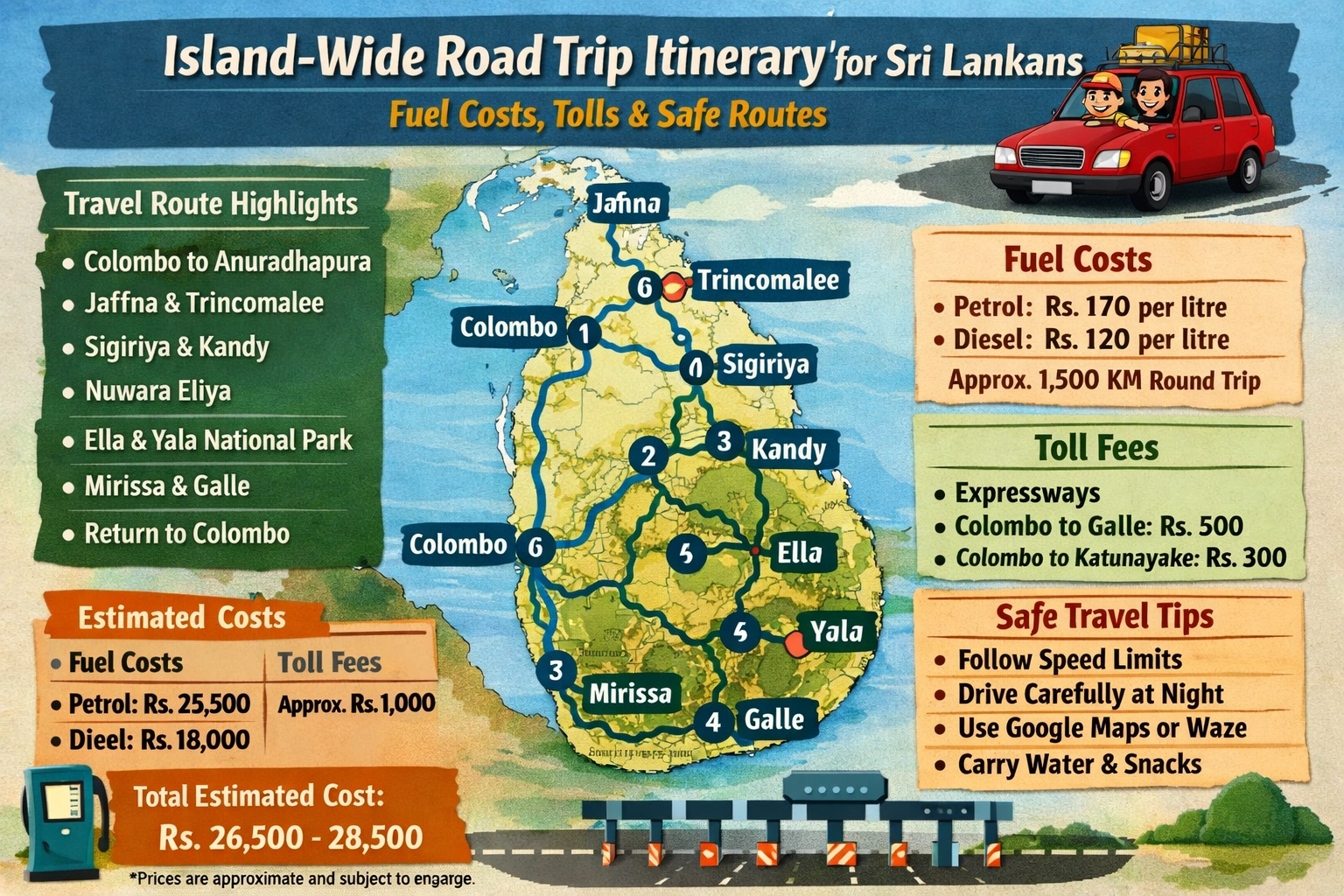
Island‑wide road trip itinerary for Sri Lankans: Fuel costs, tolls, and safe routes.
Planning Your Island‑Wide Sri Lanka Road Trip An island‑wide road trip in Sri Lanka is absolutely doable for locals with their own car or bike, as long as you plan around fuel costs, expressway tolls, and safe, practical routes. This section breaks down how to design a realistic loop that covers m...
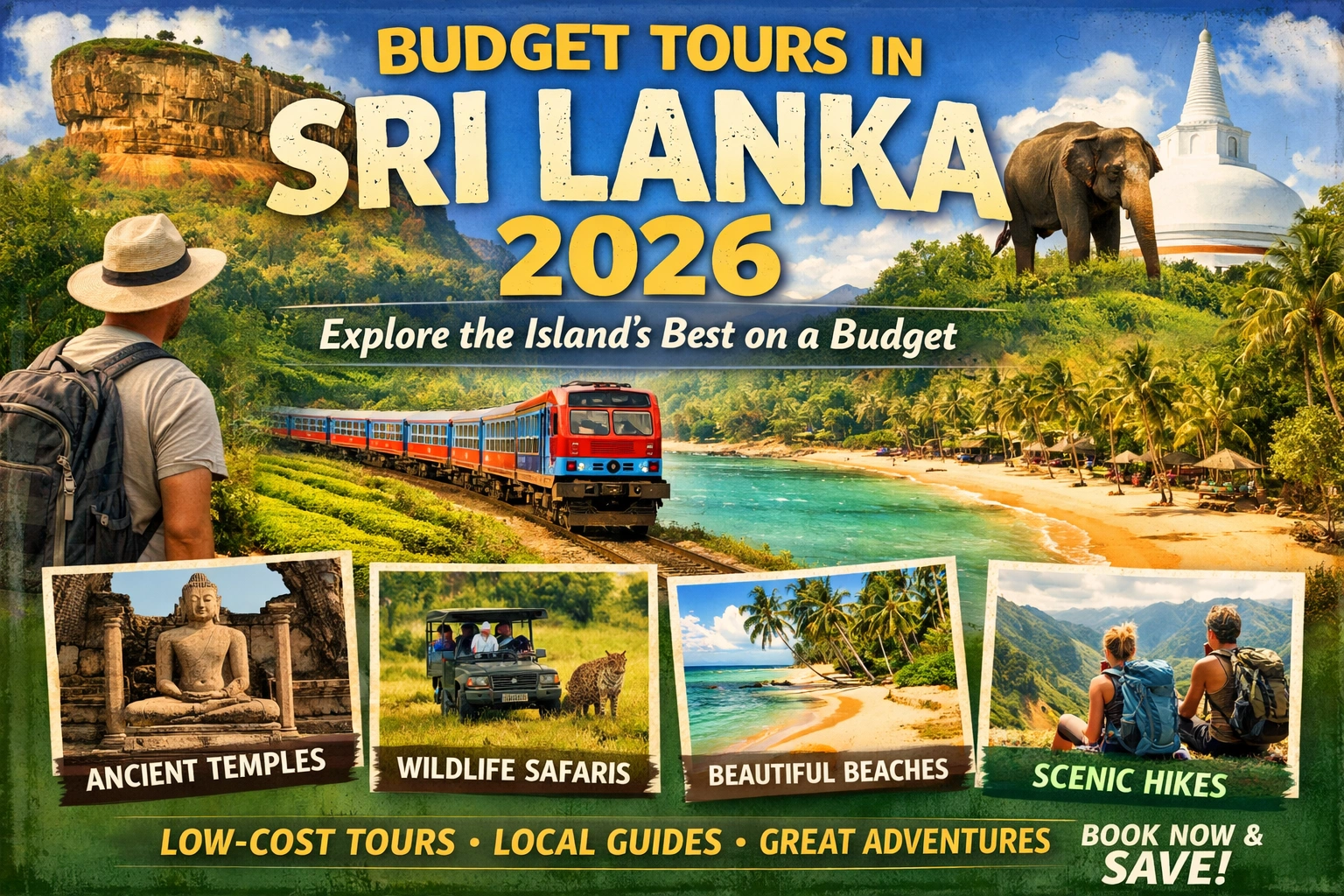
Budget Tours in Sri Lanka 2026: Explore the Island’s Best on a Budget
Sri Lanka in 2026 welcomes travelers with a wealth of affordable adventures that combine ancient cultural heritage, misty hill country landscapes, and golden beaches — all without breaking the bank. Budget tours this year are designed for all types of travelers, from solo backpack...