Despite the widespread adoption of 5G technology, a surprising 70% of consumers believe it's primarily designed for faster smartphone browsing. However, this misconception barely scratches the surface of what 5G has to offer. As you explore the capabilities of this technology, you'll discover its p
The Lankawebsites editorial team curates, fact-checks, and updates guides on personal finance, property, health, immigration, legal, business, and lifestyle topics relevant to Lankawebsites readers. Articles are produced with AI assistance and reviewed by the editorial team before publication.
509 views
1500 articles
Share:
Despite the widespread adoption of 5G technology, a surprising 70% of consumers believe it's primarily designed for faster smartphone browsing. However, this misconception barely scratches the surface of what 5G has to offer. As you explore the capabilities of this technology, you'll discover its potential to revolutionize industries beyond telecommunications.
Your understanding of 5G will likely shift as you learn about its applications in areas such as manufacturing, healthcare, and transportation. With 5G, you can expect significant improvements in efficiency, productivity, and innovation. By examining the intricacies of 5G, you'll gain a deeper appreciation for its transformative power.
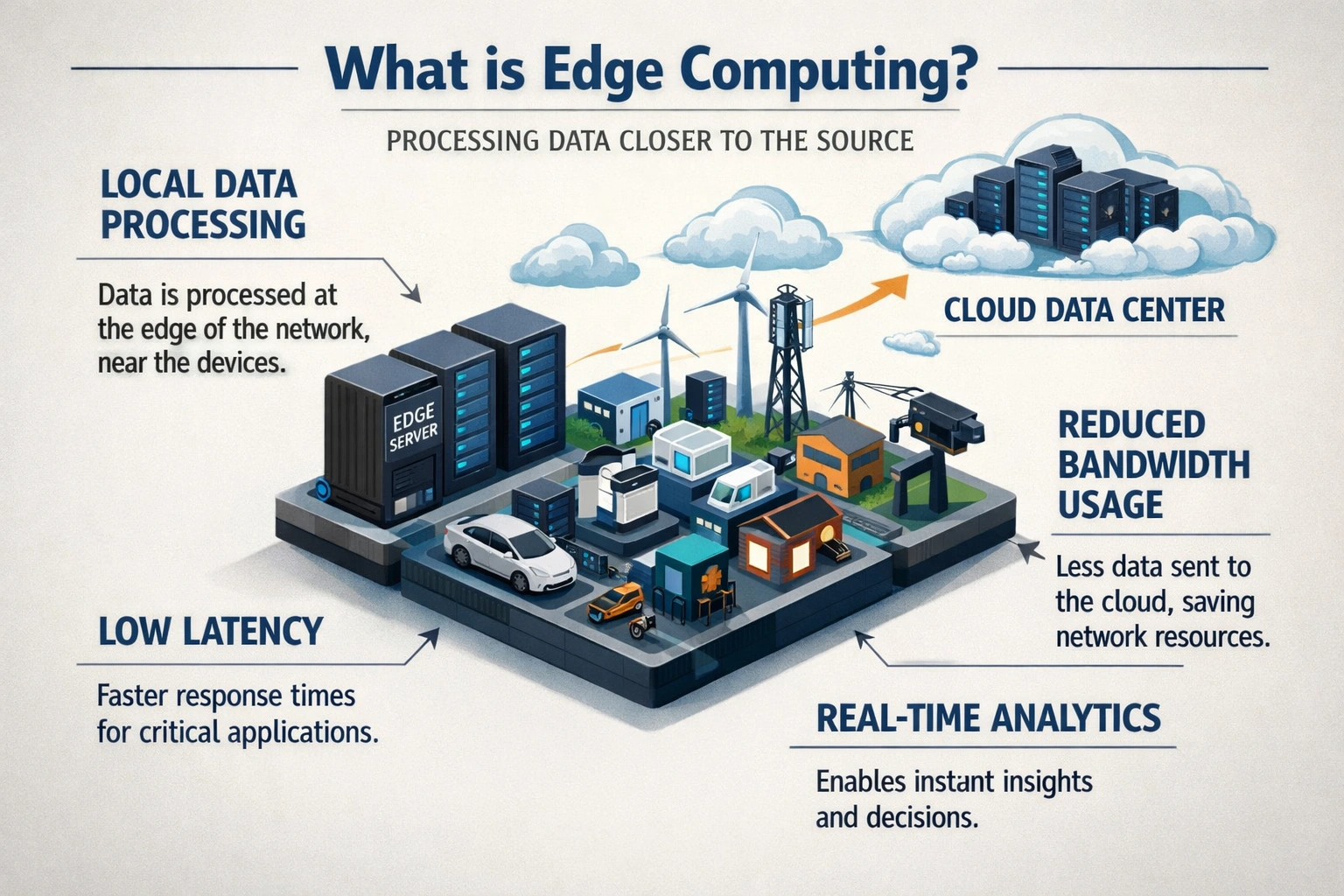
As we explore the complexities of 5G technology, you'll learn about the specific benefits it provides, such as enhanced network reliability and reduced latency. You'll also discover how 5G enables the widespread adoption of emerging technologies like IoT, AI, and edge computing. By the end of this journey, you'll have a nuanced understanding of 5G and its potential to reshape your world.
Introduction to 5G Technology
When discussing 5G technology, many people assume that it's just an incremental upgrade to the existing 4G network, offering slightly faster data speeds. But this conventional wisdom couldn't be further from the truth. In reality, 5G represents a fundamental shift in the way wireless technology operates, with far-reaching implications for industries and individuals alike. As the fifth generation of wireless technology, 5G is designed to provide significantly faster data speeds, lower latency, and greater connectivity than its predecessors.
<img src='https://www.lankawebsites.com/wp-content/uploads/2026/01/pixabay-5g-wireless-technology-evolution-d2d33-762x1024.webp' alt='evolution of wireless technology' loading='lazy' />
A key aspect of 5G technology is its ability to support a wide range of use cases, from enhanced mobile broadband to mission-critical communications. For instance, Verizon's 5G Ultra Wideband network has been shown to deliver download speeds of up to 4 Gbps, making it possible to download a full-length movie in a matter of seconds. This level of performance is made possible by the use of millimeter wave spectrum, which offers a significant increase in bandwidth and capacity compared to traditional cellular frequencies.
Evolution of 5G Technology
The development of 5G technology has been a long and complex process, involving the collaboration of numerous industry stakeholders and standards organizations. One notable example is the 3GPP, a consortium of telecommunications companies that has played a key role in defining the technical specifications for 5G. By working together, these organizations have been able to create a set of standards that ensure interoperability and compatibility across different 5G networks and devices. You can see this in action with the 5G deployment in South Korea, where multiple operators have been able to launch commercial 5G services using a common set of standards and technologies.
As 5G technology continues to evolve, we can expect to see a wide range of new applications and use cases emerge. From smart cities to industrial automation, the potential benefits of 5G are vast and varied. By understanding the underlying technology and its capabilities, we can begin to unlock the full potential of 5G and create a more connected, efficient, and productive world. With its ability to support faster data speeds and lower latency, 5G is poised to revolutionize the way we live and work, and its impact will be felt for years to come.
At a Glance — What is 5G Technology (click to enlarge)
Key Features of 5G Technology
Here's what really matters though. When discussing 5G technology, many people focus on the speed and latency, but the true power of 5G lies in its key features. One of the most significant features is the use of the millimeter wave spectrum, which operates at frequencies between 24 GHz and 90 GHz. This spectrum provides a much larger bandwidth than the sub-6 GHz frequencies used in previous generations, allowing for faster data transfer rates and lower latency. For example, Verizon's 5G network in the US uses millimeter wave spectrum to provide speeds of up to 1.5 Gbps, making it ideal for applications such as online gaming and virtual reality.
Another key feature of 5G technology is massive machine-type communications (mMTC), which enables the connection of a large number of devices to the network. This feature is critical for applications such as smart cities, where thousands of sensors and devices need to be connected to the network to collect and transmit data. mMTC uses techniques such as network slicing and edge computing to ensure that the network can handle the large number of devices and the vast amounts of data they generate. A case study by Ericsson found that the use of mMTC in a smart city deployment can reduce the cost of network deployment by up to 50% and increase the number of connected devices by up to 100 times.
Ultra-reliable low-latency communications (URLLC) is another key feature of 5G technology. This feature provides latency as low as 1 ms, making it ideal for applications such as remote healthcare, where real-time communication is critical. URLLC uses techniques such as priority scheduling and packet duplication to ensure that critical communications are given priority and that data is transmitted reliably. For instance, a study by the University of California found that the use of URLLC in remote healthcare can reduce the latency of critical communications by up to 90%, making it possible to provide remote healthcare services in real-time.
You can see the potential of these features in various scenarios. What if you could control a remote robot in real-time, or have a self-driving car respond to its environment instantly? The key features of 5G technology make such scenarios possible, and they have the potential to transform various industries and revolutionize the way we live and work.
Applications of 5G Technology
Building on that foundation, the true potential of 5G technology lies in its diverse applications, which are often misunderstood as being solely focused on enhanced mobile broadband. While enhanced mobile broadband is indeed a key aspect, with speeds reaching up to 20 Gbps, 5G technology has far more to offer. For instance, mission-critical communications will enable ultra-reliable and low-latency communications, making it possible for applications such as remote healthcare and public safety to thrive.
A notable example of 5G's mission-critical capabilities is the Smart Factory initiative in Germany, where 5G networks are being used to facilitate real-time communication between machines and workers, resulting in increased efficiency and reduced downtime. This is a prime illustration of how 5G can be used to create Industry 4.0 environments, where machines and devices can communicate with each other in real-time, leading to increased productivity and reduced costs.
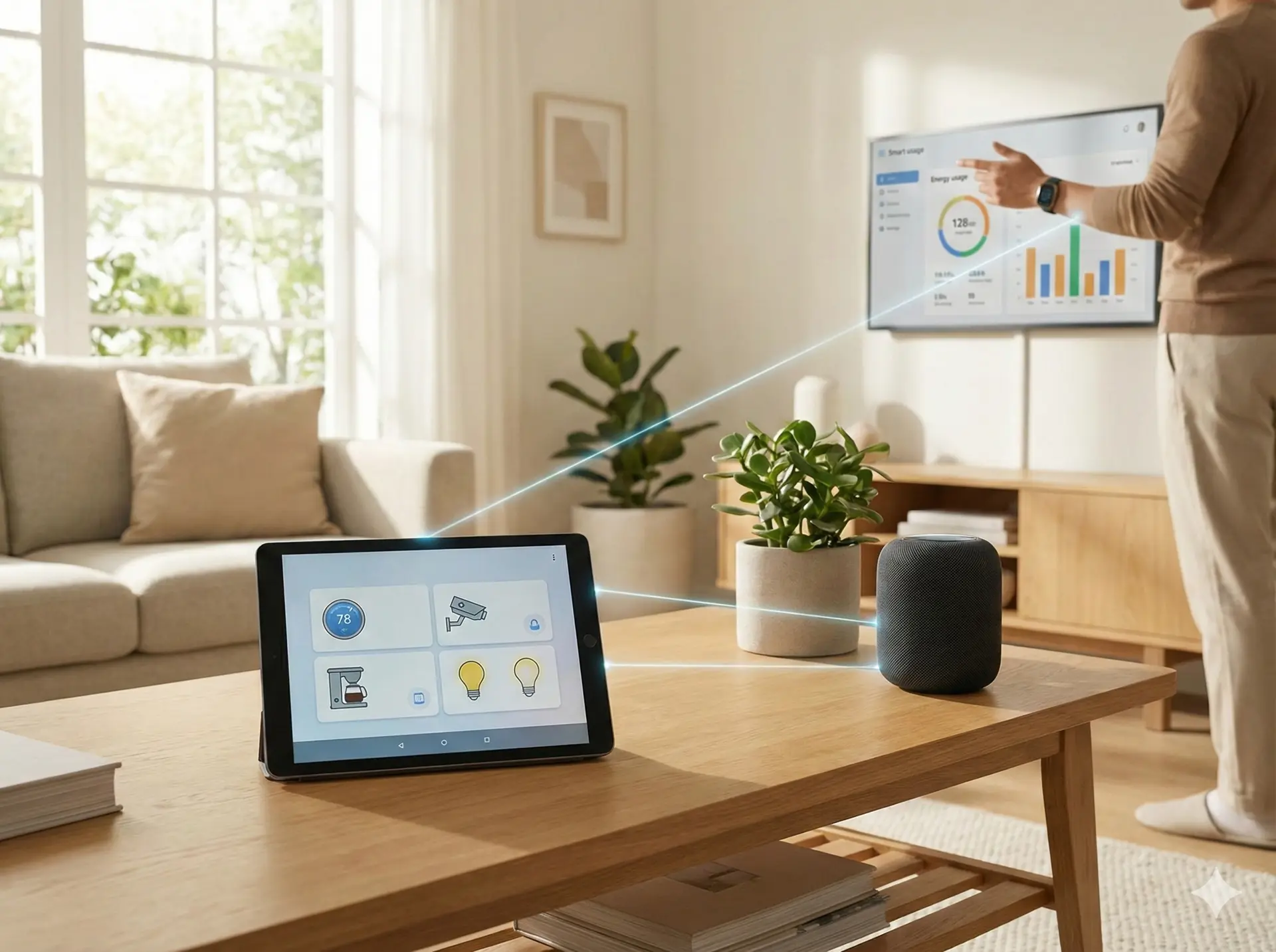
In addition to enhanced mobile broadband and mission-critical communications, 5G technology will also play a significant role in the Internet of Things (IoT). With its ability to support a vast number of devices, 5G will enable the widespread adoption of IoT devices, from smart home appliances to industrial sensors. For example, a smart city like Barcelona is already using 5G-enabled IoT devices to monitor and manage its waste management system, resulting in significant cost savings and improved efficiency. You can imagine the impact this could have on a larger scale, with entire cities being transformed into efficient, connected ecosystems.
As we explore the various applications of 5G technology, we must consider the nuances and exceptions that come with each use case. For instance, the security of 5G networks will be a major concern, particularly in mission-critical communications. To address this, network operators and device manufacturers will need to implement end-to-end encryption and other security measures to ensure the integrity of 5G networks. By doing so, we can unlock the full potential of 5G technology and create a more connected, efficient, and secure world.
Benefits and Challenges of 5G Technology
Speaking of which, many experts and industry leaders have been touting the benefits of 5G technology, from faster data speeds to lower latency. And while these benefits are indeed significant, there are also some challenges that need to be addressed. For instance, 5G technology has the potential to support data transfer rates of up to 20 Gbps, which is significantly faster than the 4G LTE networks that currently dominate the market. This means that users can expect to see much faster download and upload speeds, making it possible to stream high-definition video and engage in other data-intensive activities on the go.
Another key benefit of 5G technology is its lower latency, which refers to the amount of time it takes for data to travel from the user's device to the network and back again. With 5G, latency is expected to be as low as 1 ms, which is significantly faster than the 50 ms latency of 4G LTE. This means that users can expect to see much more responsive and interactive experiences, making it possible to engage in real-time activities like online gaming and video conferencing. For example, Verizon's 5G network has been shown to support latency as low as 10 ms, making it possible for users to engage in real-time activities like online gaming and video conferencing.
However, despite these benefits, there are also some security concerns that need to be addressed. For instance, the increased use of IoT devices on 5G networks means that there are more potential entry points for hackers to exploit. This means that network operators and device manufacturers need to prioritize security and implement robust measures to protect users' data. One example of this is the use of end-to-end encryption, which ensures that data is protected from interception and eavesdropping. You can implement this by using secure protocols like TLS to encrypt data in transit.
Future of 5G Technology
A common misconception about 5G technology is that its impact will be limited to enhancing mobile broadband services. In reality, the future of 5G technology holds much more promise, with potential applications in various industries such as healthcare, finance, and transportation. You can expect significant advancements in 5G technology, including the development of new use cases and applications that will transform the way we live and work.
For instance, Ultra-Reliable Low Latency Communications (URLLC) will enable mission-critical applications such as remote healthcare, where doctors can perform surgeries remotely with minimal delay. You can also expect the widespread adoption of Massive Machine-Type Communications (mMTC), which will facilitate the connection of billions of devices, from smart home appliances to industrial sensors. This will have a significant impact on industries such as manufacturing, where predictive maintenance and quality control can be optimized using real-time data from sensors.
New Applications and Use Cases
As 5G technology continues to evolve, we can expect to see new applications and use cases emerge. For example, Extended Reality (XR) will become more prevalent, enabling immersive experiences in fields such as education, entertainment, and training. You can also expect to see the growth of Smart Cities, where 5G technology will be used to manage traffic, energy, and waste management, making cities more efficient and sustainable. A case study of the city of Barcelona in Spain, which has implemented a 5G-based smart city initiative, shows how 5G technology can be used to improve public services and quality of life.
Global adoption of 5G technology is also expected to increase, with many countries investing heavily in 5G infrastructure. You can expect to see widespread adoption of 5G technology in countries such as China, Japan, and South Korea, which are already leaders in 5G technology. As 5G technology becomes more widespread, we can expect to see significant economic benefits, including increased productivity, job creation, and GDP growth.
Empowering the Future with 5G
Contrary to common misconceptions, 5G technology is not just an incremental upgrade, but a fundamental shift in how we interact with the digital world. The key takeaway is that 5G's potential lies not just in its speed, but in its ability to enable a wide range of innovative applications and services. As you consider the implications of 5G, ask yourself: what new possibilities will emerge when the boundaries of connectivity are pushed to their limits?
Frequently Asked Questions
5G technology is the fifth generation of wireless technology, offering faster data speeds and lower latency
The key features of 5G technology include millimeter wave spectrum, massive machine-type communications, and ultra-reliable low-latency communications