Remote Work Statistics 2026
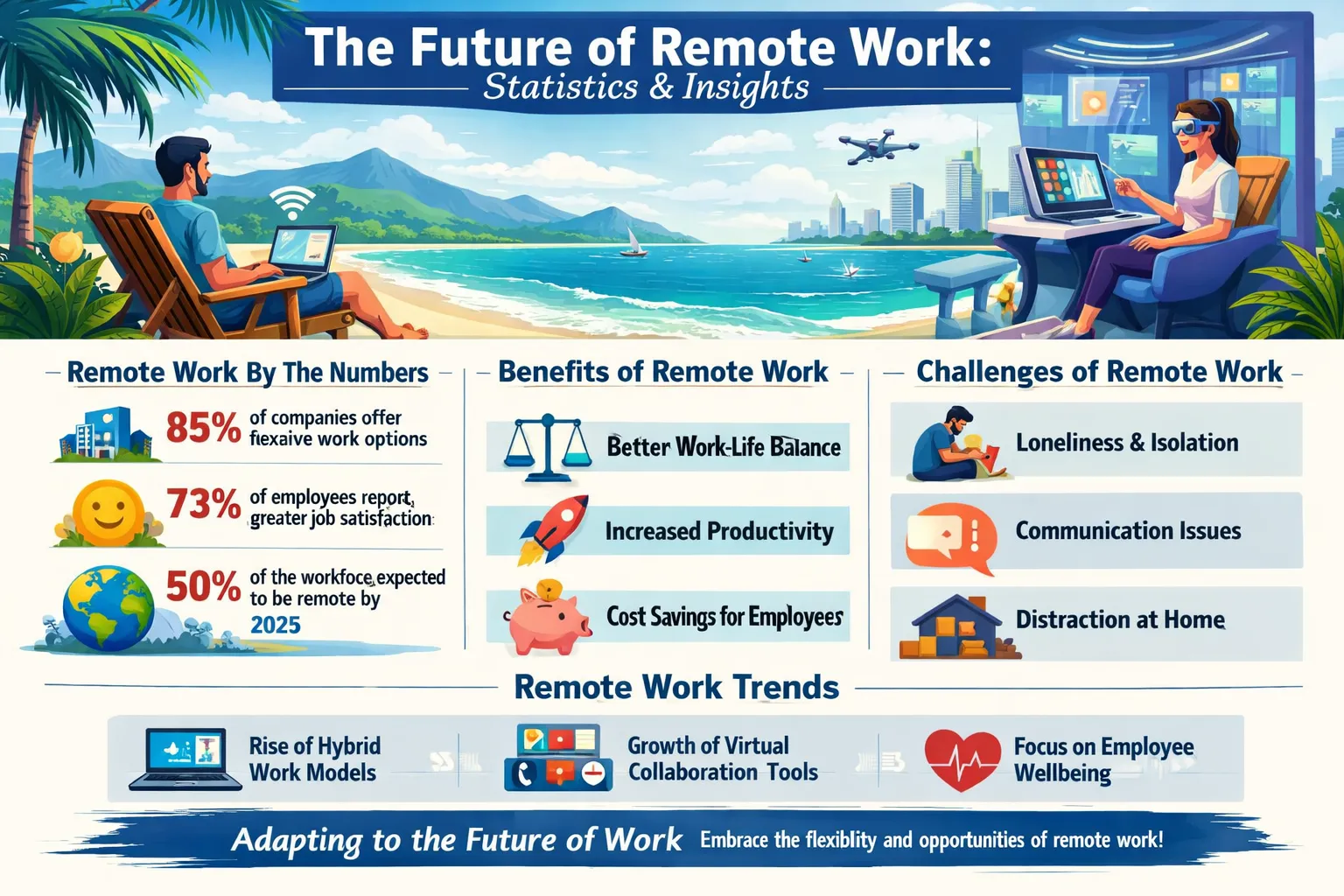
Are you tired of the daily commute, only to sit at a desk and stare at a screen for hours on end? You're not alone. Many people are seeking a better work-life balance, and remote work has become an attractive solution. With the rise of digital communication tools and cloud-based software, it's now
The Lankawebsites editorial team curates, fact-checks, and updates guides on personal finance, property, health, immigration, legal, business, and lifestyle topics relevant to Lankawebsites readers. Articles are produced with AI assistance and reviewed by the editorial team before publication.
Introduction to Remote Work Statistics
Remote work, also known as telecommuting or working from home, refers to the practice of working from a remote location, rather than commuting to a traditional office. This can include working from home, a coffee shop, or a co-working space. The benefits of remote work are numerous, and include increased flexibility, reduced commuting time, and improved work-life balance. According to a survey by Gallup, employees who work remotely at least some of the time are more likely to have higher levels of engagement, which can lead to increased productivity and better job satisfaction. The definition of remote work can vary depending on the context and industry. For example, some companies may consider remote work to be working from home full-time, while others may allow employees to work from home one or two days a week. Flexibility is key when it comes to remote work, and companies that offer flexible work arrangements are more likely to attract and retain top talent. In fact, a survey by Upwork found that 63% of companies have remote workers, and that number is expected to continue to grow in the coming years. As the remote work trend continues to grow, it's essential to understand the statistics behind it. By examining the data, we can gain insights into the benefits and challenges of remote work, as well as identify trends and predictions for the future. For example, a study by Stanford University found that remote work can lead to a 13% increase in productivity, as well as a 50% decrease in turnover rates. These statistics demonstrate the potential benefits of remote work, and highlight the importance of considering this option for your own organization.
Remote Work Adoption Rates
So, how many companies are adopting remote work? The answer may surprise you. According to a survey by PwC, 55% of companies allow remote work, and that number is expected to continue to grow in the coming years. In fact, a report by Global Workplace Analytics found that the number of remote workers has grown by 159% since 2005, and that number is expected to continue to grow as more companies adopt flexible work arrangements. Some industries are more likely to adopt remote work than others. For example, the tech industry has been at the forefront of remote work, with companies like Amazon and Google offering flexible work arrangements to their employees. Other industries, such as healthcare and finance, may be more resistant to remote work due to concerns about security and compliance. However, even in these industries, there are opportunities for remote work, particularly in roles such as customer service and data entry. The benefits of remote work adoption are numerous, and include cost savings, increased productivity, and improved employee satisfaction. For example, a study by CTrip found that remote work can save companies up to $11,000 per year per employee, due to reduced costs associated with commuting and office space. Additionally, remote work can lead to increased diversity and inclusion, as companies are able to hire the best talent from all over the world, rather than being limited to a specific geographic location.Benefits of Remote Work
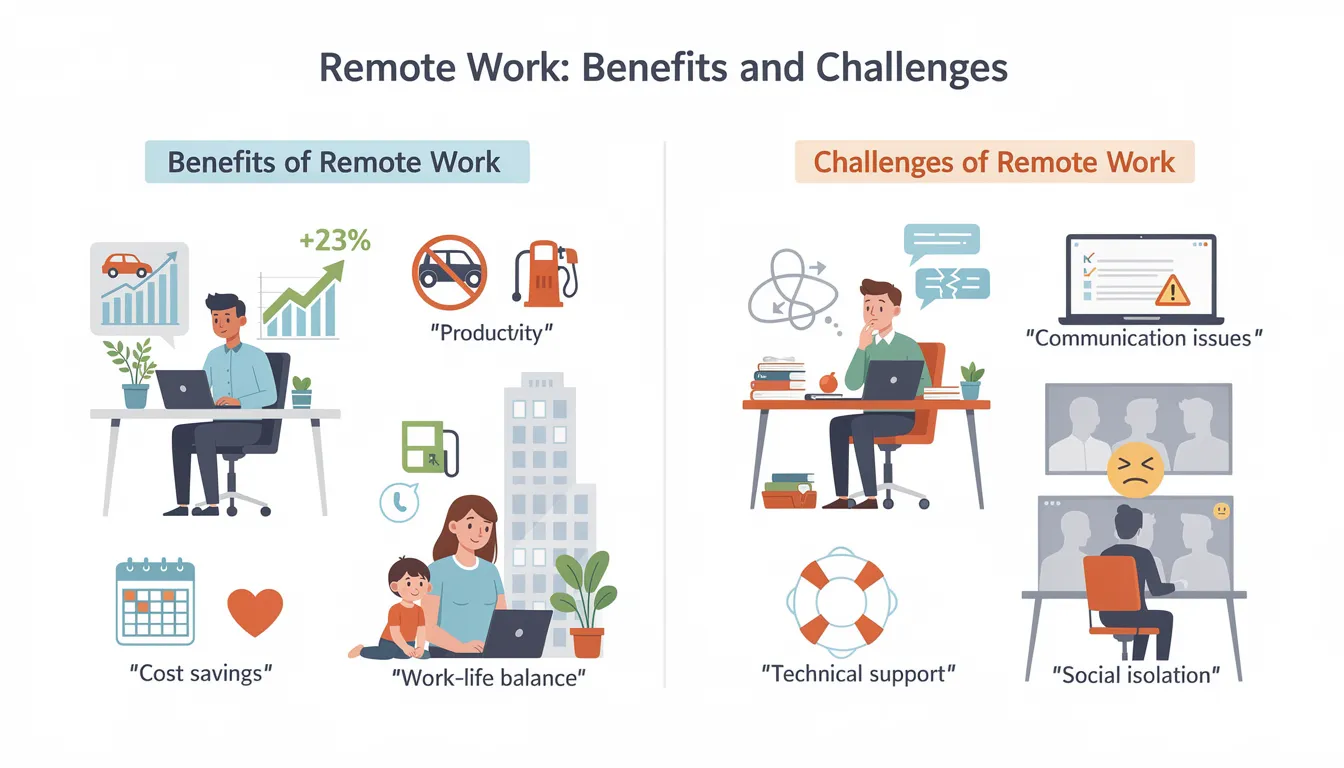 So, what are the benefits of remote work? One of the most significant benefits is increased productivity. Without the distractions of a traditional office environment, many people find that they are able to focus more easily and get more work done. In fact, a study by Harvard Business Review found that remote workers are 23% more productive than their office-based counterparts.
Another benefit of remote work is cost savings. Without the need to commute to an office, remote workers can save money on transportation, clothing, and other expenses associated with working in an office. Additionally, companies can save money on office space and utilities, which can be a significant cost savings. For example, a study by GSA found that the average cost of office space per employee is around $10,000 per year, which can be a significant expense for companies with large numbers of employees.
Remote work also offers improved work-life balance, which can lead to increased job satisfaction and reduced turnover rates. With the flexibility to work from anywhere, remote workers are able to take care of personal errands and appointments during the day, rather than having to take time off from work. This can be especially beneficial for working parents, who may need to balance work and family responsibilities. For example, a study by Working Mother found that 70% of working mothers would consider quitting their job if they didn't have flexible work arrangements, highlighting the importance of remote work for this demographic.
So, what are the benefits of remote work? One of the most significant benefits is increased productivity. Without the distractions of a traditional office environment, many people find that they are able to focus more easily and get more work done. In fact, a study by Harvard Business Review found that remote workers are 23% more productive than their office-based counterparts.
Another benefit of remote work is cost savings. Without the need to commute to an office, remote workers can save money on transportation, clothing, and other expenses associated with working in an office. Additionally, companies can save money on office space and utilities, which can be a significant cost savings. For example, a study by GSA found that the average cost of office space per employee is around $10,000 per year, which can be a significant expense for companies with large numbers of employees.
Remote work also offers improved work-life balance, which can lead to increased job satisfaction and reduced turnover rates. With the flexibility to work from anywhere, remote workers are able to take care of personal errands and appointments during the day, rather than having to take time off from work. This can be especially beneficial for working parents, who may need to balance work and family responsibilities. For example, a study by Working Mother found that 70% of working mothers would consider quitting their job if they didn't have flexible work arrangements, highlighting the importance of remote work for this demographic.
Challenges of Remote Work
While remote work offers many benefits, it also presents several challenges. One of the most significant challenges is communication breakdowns, which can occur when team members are not able to communicate face-to-face. This can lead to misunderstandings and errors, which can be costly and time-consuming to correct. To overcome this challenge, companies can use video conferencing tools, such as Zoom or Skype, to facilitate face-to-face communication. Technical issues are another challenge of remote work. Without the support of an IT department, remote workers may experience technical difficulties, such as connectivity issues or software problems. To overcome this challenge, companies can provide remote workers with the necessary tools and support, such as VPN access and technical support hotlines. Social isolation is also a challenge of remote work, which can lead to feelings of loneliness and disconnection. To overcome this challenge, companies can encourage remote workers to connect with each other through virtual social events, such as virtual happy hours or team-building activities. For example, a study by Society for Human Resource Management found that 60% of remote workers reported feeling isolated, highlighting the importance of addressing this issue.Remote Work Trends and Predictions
Best Practices for Implementing Remote Work
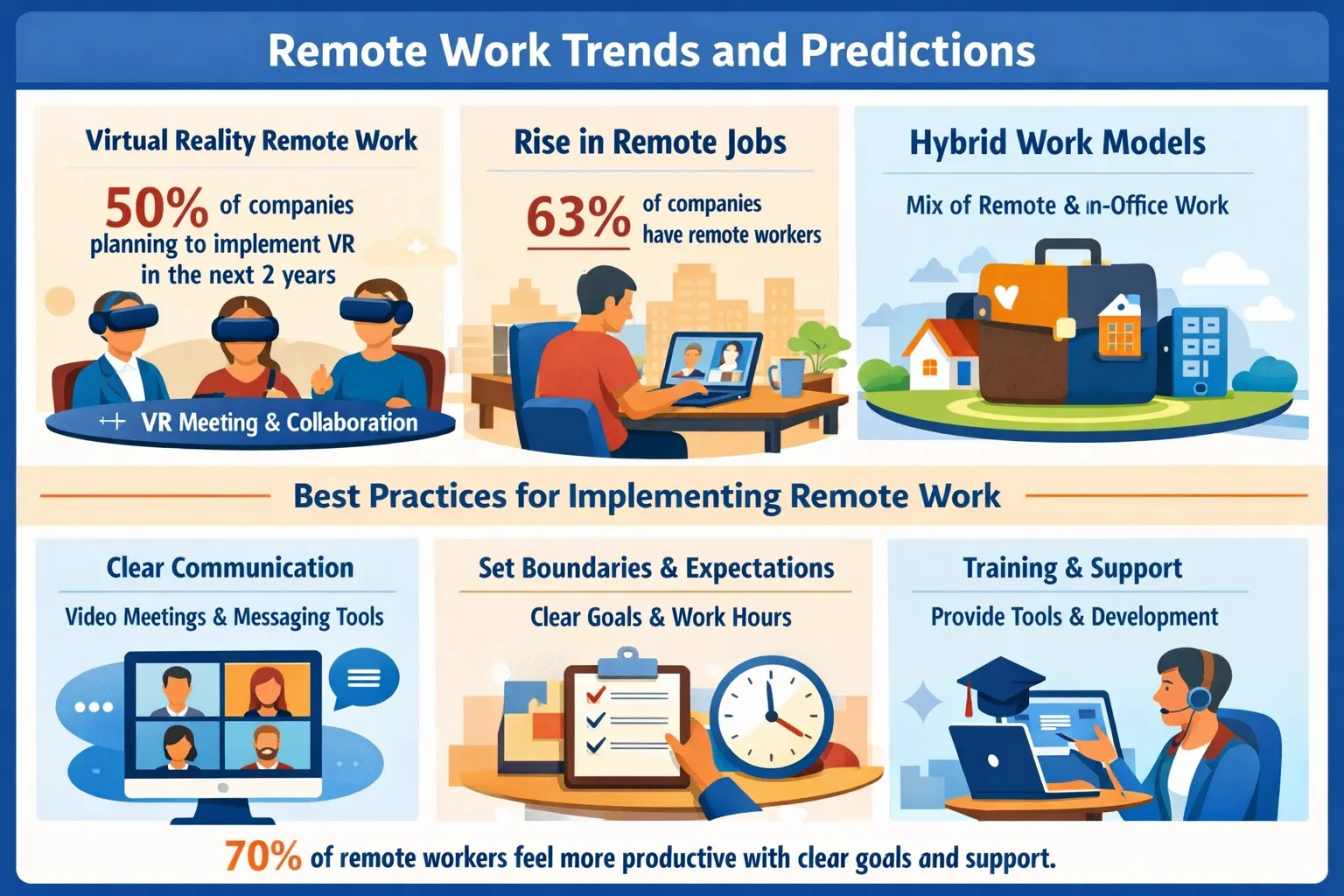
So, how can you implement remote work in your own organization? One best practice is to establish clear communication channels. This can include regular video meetings, instant messaging apps, and project management tools. For example, a study by Harvard Business Review found that companies that use video conferencing tools are more likely to have higher levels of employee engagement, highlighting the importance of face-to-face communication in remote work. Another best practice is to set boundaries and expectations. This can include establishing clear work hours, setting deadlines, and providing feedback and evaluation. For example, a study by Society for Human Resource Management found that 70% of remote workers reported feeling more productive when they had clear goals and expectations, highlighting the importance of setting boundaries and expectations in remote work. Providing training and support is also essential for remote workers. This can include providing access to software and tools, as well as offering training and development opportunities. For example, a study by CTrip found that remote workers who received training and support were more likely to have higher levels of job satisfaction, highlighting the importance of providing training and support in remote work.Key Takeaways
In conclusion, remote work is a trend that's here to stay. By understanding the statistics, benefits, and challenges of remote work, you can make informed decisions about your own work arrangements and create a more flexible and productive work environment. So, what's the next step for you? Will you consider adopting remote work in your own organization, or will you continue to work in a traditional office environment? The choice is yours, but one thing is clear: remote work is the future of work, and it's essential to be prepared. As you consider the future of work, remember that remote work is not just a trend, but a way of life. It offers the flexibility, autonomy, and work-life balance that many people crave. So, take the first step today and explore the possibilities of remote work. With the right tools, support, and mindset, you can create a more productive, flexible, and fulfilling work environment that meets your needs and exceeds your expectations.Frequently Asked Questions
Useful Tools
Related Articles

Remote Work Home Office Setup Checklist

Ergonomic Chair for Home Office
As you sit at your home office, you may be unaware of the silent enemy that's affecting your productivity and health: your chair. Many people assume that any chair will do, but the truth is, a poorly designed chair can lead to back pain, decreased focus, and reduced overall well-being. If you're on

Remote Work Set Up Guide
As you consider making the switch to remote work, you may be wondering if it's really possible to stay productive and efficient outside of a traditional office setting. You may have heard that remote work is isolating, or that it's difficult to separate your work and personal life. But the truth is

Home Office Ideas
Are you tired of feeling unproductive and disorganized while working from home? You're not alone. Many people struggle to create a dedicated workspace that fosters focus and efficiency. As you try to balance work and personal life, it's easy to get distracted by household chores, family members, or