Home Office Ideas
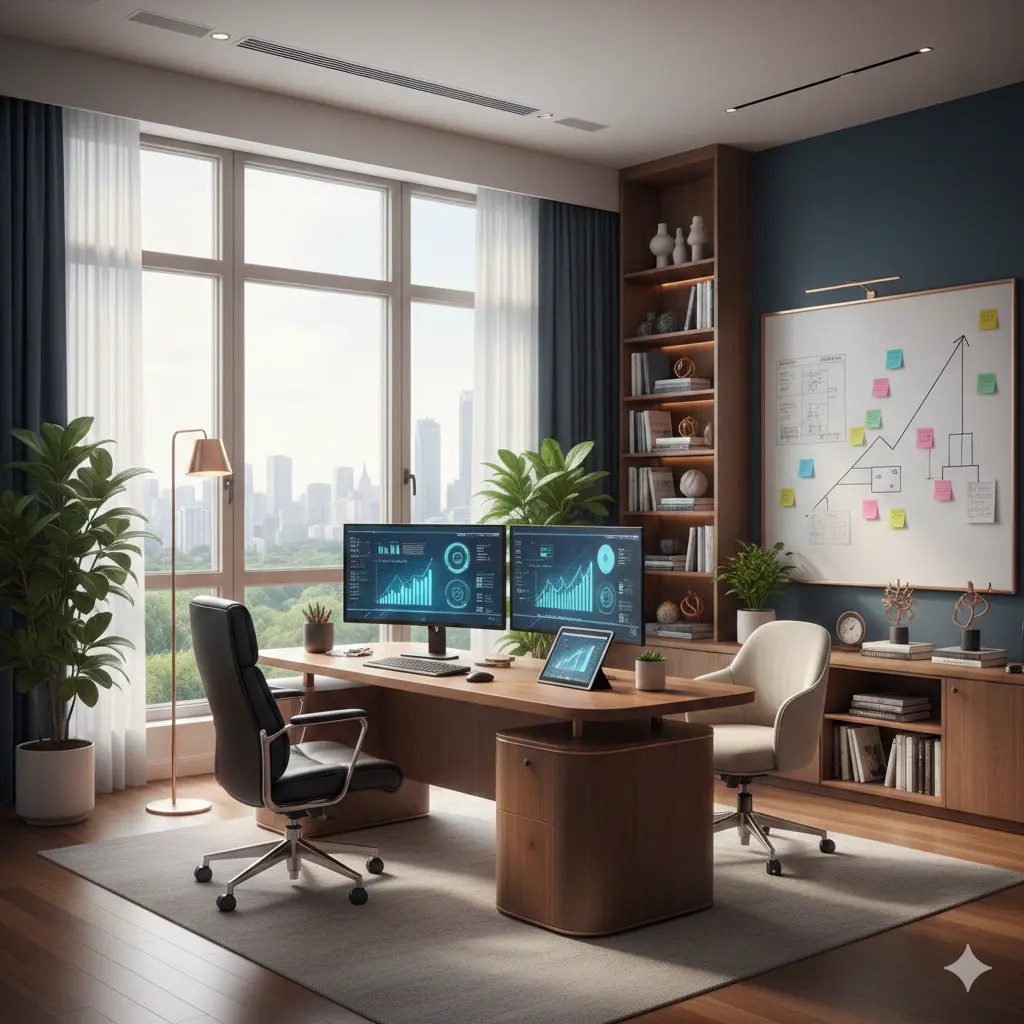
Are you tired of feeling unproductive and disorganized while working from home? You're not alone. Many people struggle to create a dedicated workspace that fosters focus and efficiency. As you try to balance work and personal life, it's easy to get distracted by household chores, family members, or
The Lankawebsites editorial team curates, fact-checks, and updates guides on personal finance, property, health, immigration, legal, business, and lifestyle topics relevant to Lankawebsites readers. Articles are produced with AI assistance and reviewed by the editorial team before publication.
Are you tired of feeling unproductive and disorganized while working from home? You're not alone. Many people struggle to create a dedicated workspace that fosters focus and efficiency. As you try to balance work and personal life, it's easy to get distracted by household chores, family members, or the temptation to watch TV. But what if you could create a home office that helps you stay on track and achieve your goals? In this article, you'll discover practical tips and ideas for designing a functional and comfortable home office that boosts your productivity and overall well-being.
By implementing a few simple strategies, you can transform your home office into a space that inspires creativity, reduces stress, and increases your sense of accomplishment. You'll learn how to choose the right furniture, select a color scheme that promotes focus, and create a schedule that works for you. Whether you're a freelancer, remote worker, or entrepreneur, you'll find valuable insights and actionable advice to help you create a home office that supports your unique needs and goals.
Introduction to Home Office Ideas
Creating a dedicated home office is one of the most effective ways to increase productivity and achieve a better work-life balance. When you have a dedicated workspace, you can avoid the distractions that come with working in a shared living area, such as the TV, kitchen, or family room. A home office provides a quiet, private space where you can focus on your work without interruptions. Additionally, a well-designed home office can help you establish a clear boundary between work and personal life, which is essential for maintaining a healthy balance between the two.
According to a study by Stanford University, people who work from home are 13% more productive than those who work in an office. This is likely due to the fact that home workers experience fewer distractions, such as meetings, watercooler conversations, and office noise. Moreover, a home office can be customized to meet your specific needs and preferences, allowing you to create a space that inspires creativity, comfort, and productivity. For example, you can choose a desk that fits your body type, select a chair that provides adequate support, and add plants or artwork that promote a sense of calm and focus.
By investing in a home office, you can also reduce your commuting time and expenses, which can be a significant benefit for those who live far from their workplace. Furthermore, a home office can provide a sense of professionalism and legitimacy, which can be essential for freelancers, entrepreneurs, and remote workers who need to project a professional image to clients and customers. With a dedicated home office, you can create a space that reflects your personal brand and values, helping you to establish trust and credibility with your audience.

Designing Your Home Office Space
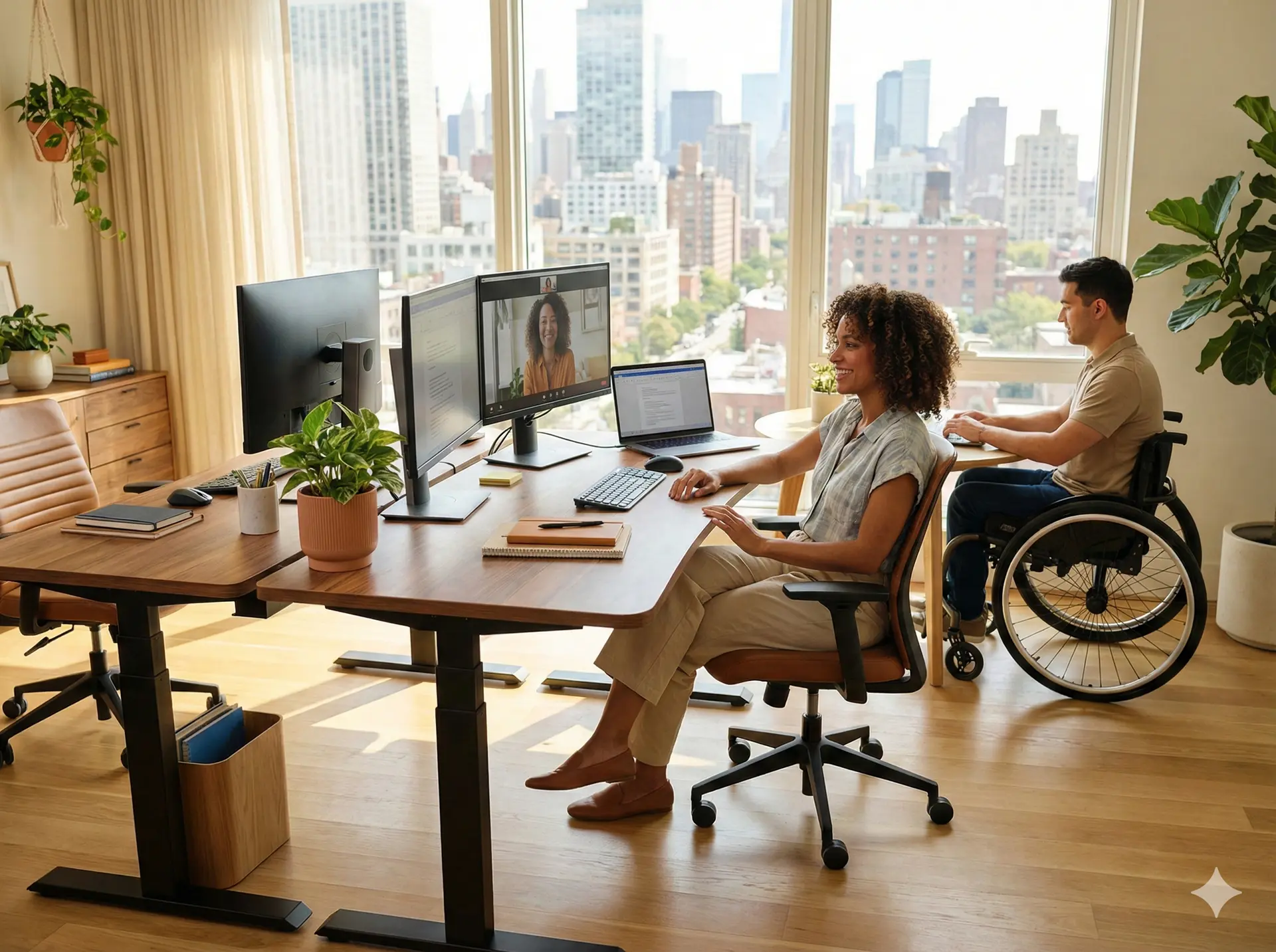
When it comes to designing your home office, there are several factors to consider. First and foremost, you need to choose the right furniture for your space. This includes a desk, chair, and any additional storage or shelving units. Look for furniture that is ergonomic, durable, and stylish, such as a standing desk or a comfortable, adjustable chair. You should also consider the color scheme of your home office, as this can have a significant impact on your mood and productivity. Cool colors such as blue, green, and purple can promote calmness and focus, while warm colors like red, orange, and yellow can stimulate creativity and energy.
In addition to furniture and color scheme, you should also think about the lighting in your home office. Natural light is always the best option, but if this is not possible, you can use lamps or overhead lighting to create a bright and welcoming space. You should also consider the noise level in your home office, as excessive noise can be distracting and disrupt your workflow. You can use noise-cancelling headphones, white noise machines, or soundproofing materials to minimize distractions and create a quiet, peaceful environment.
For example, you can create a home office in a spare bedroom or attic, using a room divider to separate the workspace from the rest of the room. You can also use a corner desk or a wall-mounted shelf to maximize space and create a sense of openness. By carefully considering the design and layout of your home office, you can create a space that is functional, comfortable, and inspiring, helping you to stay focused and productive throughout the day.
Productivity Tips for Home Office Workers
As a home office worker, it's easy to get distracted by household chores, family members, or personal activities. To stay focused and productive, you need to create a schedule and stick to it. This includes setting regular working hours, taking breaks, and prioritizing tasks. You should also establish clear boundaries with family members and friends, communicating your work hours and needs to avoid interruptions and distractions.
Another key productivity tip is to minimize distractions, such as turning off notifications on your phone or closing social media tabs on your computer. You can also use productivity tools, such as project management software or time tracking apps, to help you stay organized and on track. Additionally, you should take care of your physical and mental health, exercising regularly, eating a healthy diet, and getting enough sleep to maintain your energy and focus.
For instance, you can use the Pomodoro Technique, which involves working in focused, 25-minute increments, followed by a five-minute break. You can also use a task list or calendar to prioritize your work and stay on schedule. By creating a routine and sticking to it, you can establish a sense of discipline and structure, helping you to stay motivated and productive throughout the day. Moreover, you can use music or nature sounds to create a calming and focused environment, helping you to stay in the zone and achieve your goals.
Home Office Technology and Equipment
When it comes to setting up your home office, you'll need to invest in the right technology and equipment. This includes a reliable laptop or computer, a high-quality printer, and a fast internet connection. You should also consider investing in a comfortable and ergonomic keyboard, mouse, and chair, as these can help reduce eye strain, back pain, and other health issues associated with long hours of computer use.
In addition to the basics, you may also want to consider investing in specialized equipment, such as a scanner, fax machine, or video conferencing software. These tools can help you stay connected with clients and colleagues, and can also help you to manage your workload and stay organized. You should also think about data security and backup, using a secure router, firewall, and antivirus software to protect your computer and data from cyber threats.
For example, you can use a cloud-based storage service, such as Google Drive or Dropbox, to store and share files with colleagues and clients. You can also use a virtual private network (VPN) to secure your internet connection and protect your data when working remotely. By investing in the right technology and equipment, you can create a home office that is efficient, productive, and secure, helping you to stay ahead of the curve and achieve your goals.
Ergonomics and Comfort in the Home Office
When it comes to creating a comfortable and ergonomic home office, there are several factors to consider. First and foremost, you need to choose an ergonomic chair that provides adequate support and comfort. Look for a chair with adjustable height, lumbar support, and a breathable fabric or mesh material. You should also consider the position of your computer monitor, placing it directly in front of you at a distance of about 20-25 inches, and at a height that allows you to gaze slightly downward.
In addition to the chair and monitor, you should also think about the position of your keyboard and mouse. Place your keyboard directly in front of you, with your wrists straight and your elbows at a 90-degree angle. Your mouse should be placed close to your body, with your arm at a 90-degree angle and your wrist straight. You should also consider the lighting in your home office, using a combination of natural and artificial light to create a bright and welcoming space.
For instance, you can use a standing desk or a sit-stand workstation to alternate between sitting and standing throughout the day. You can also use a document holder to keep your papers at eye level, reducing strain on your neck and shoulders. By creating a comfortable and ergonomic home office, you can reduce the risk of injury and illness, and stay focused and productive throughout the day. Moreover, you can use a white noise machine or a fan to create a calming and peaceful environment, helping you to stay relaxed and focused.
Common Home Office Challenges and Solutions
As a home office worker, you may face a number of challenges, from managing distractions to staying motivated. One common challenge is the lack of structure and accountability, which can lead to procrastination and decreased productivity. To overcome this challenge, you can create a schedule and stick to it, using time management tools and productivity apps to stay on track.
Another common challenge is the isolation and loneliness that can come with working from home. To overcome this challenge, you can connect with colleagues and friends through video conferencing or social media, or join a coworking space or networking group to meet other remote workers. You should also prioritize self-care, taking breaks to exercise, meditate, or practice yoga, and scheduling time for social activities and hobbies.
For example, you can use a project management tool, such as Trello or Asana, to stay organized and on track. You can also use a time tracking app, such as Harvest or RescueTime, to monitor your productivity and stay focused. By acknowledging the challenges of home office work and developing strategies to overcome them, you can create a productive and fulfilling work environment that supports your well-being and success. Moreover, you can use a goal-setting framework, such as the SMART criteria, to set clear and achievable goals, helping you to stay motivated and directed throughout the day.
Key Takeaways
In conclusion, creating a functional and comfortable home office is essential for boosting productivity, reducing stress, and achieving a better work-life balance. By designing a dedicated workspace, investing in the right technology and equipment, and prioritizing ergonomics and comfort, you can create a home office that supports your unique needs and goals. Remember to stay focused, motivated, and connected, using productivity tools, time management strategies, and self-care practices to overcome the challenges of home office work.
As you reflect on your own home office setup, ask yourself: what changes can I make to create a more productive, comfortable, and inspiring workspace? What tools, strategies, and habits can I adopt to stay focused, motivated, and successful? By taking the time to assess your needs and make intentional design choices, you can create a home office that helps you thrive, both personally and professionally. So, what are you waiting for? Start designing your dream home office today and discover the freedom, flexibility, and fulfillment that comes with working from home.
Frequently Asked Questions
Related Articles
Remote Work Home Office Setup Checklist
Ergonomic Chair for Home Office
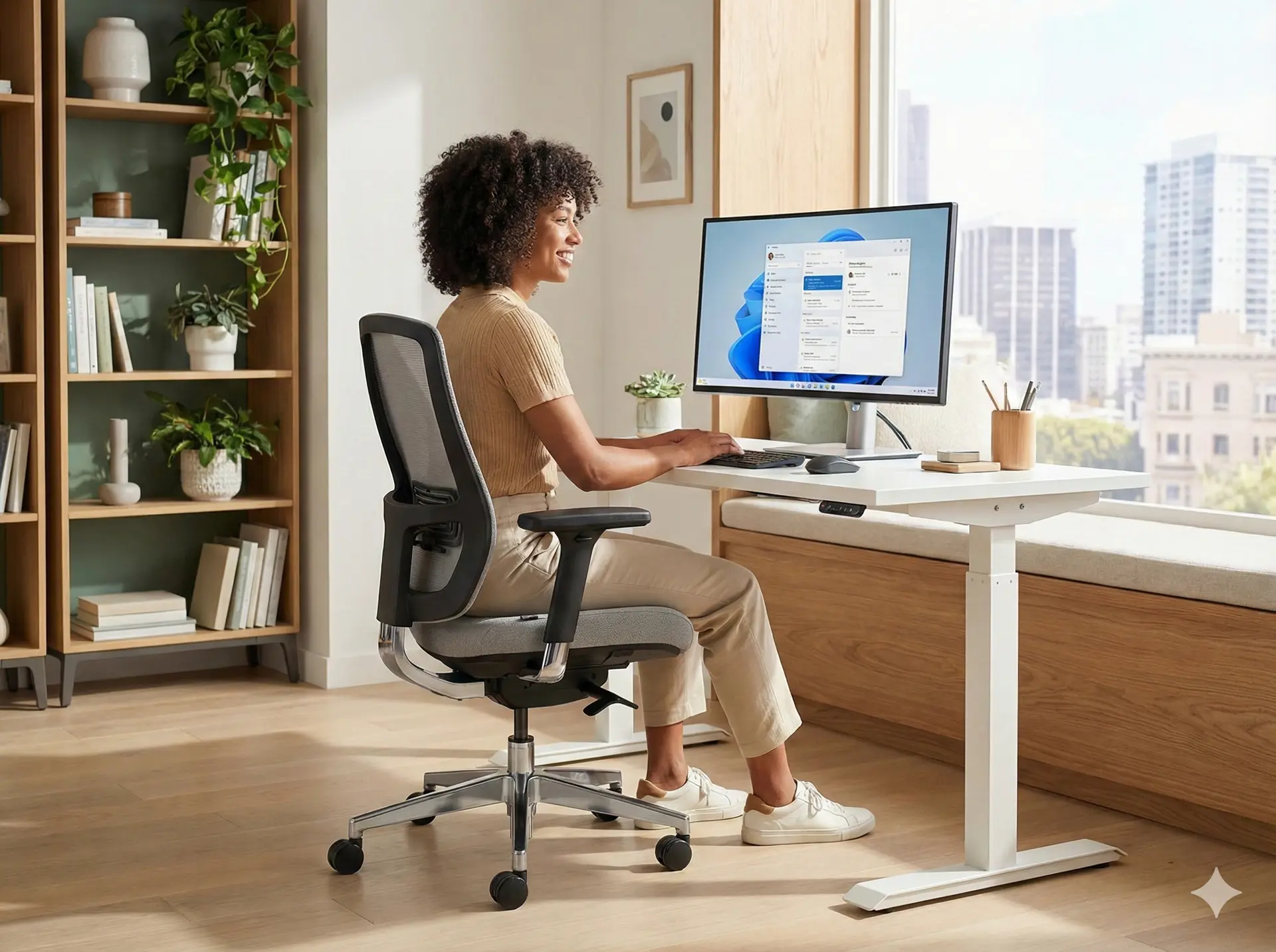
As you sit at your home office, you may be unaware of the silent enemy that's affecting your productivity and health: your chair. Many people assume that any chair will do, but the truth is, a poorly designed chair can lead to back pain, decreased focus, and reduced overall well-being. If you're on
Remote Work Set Up Guide
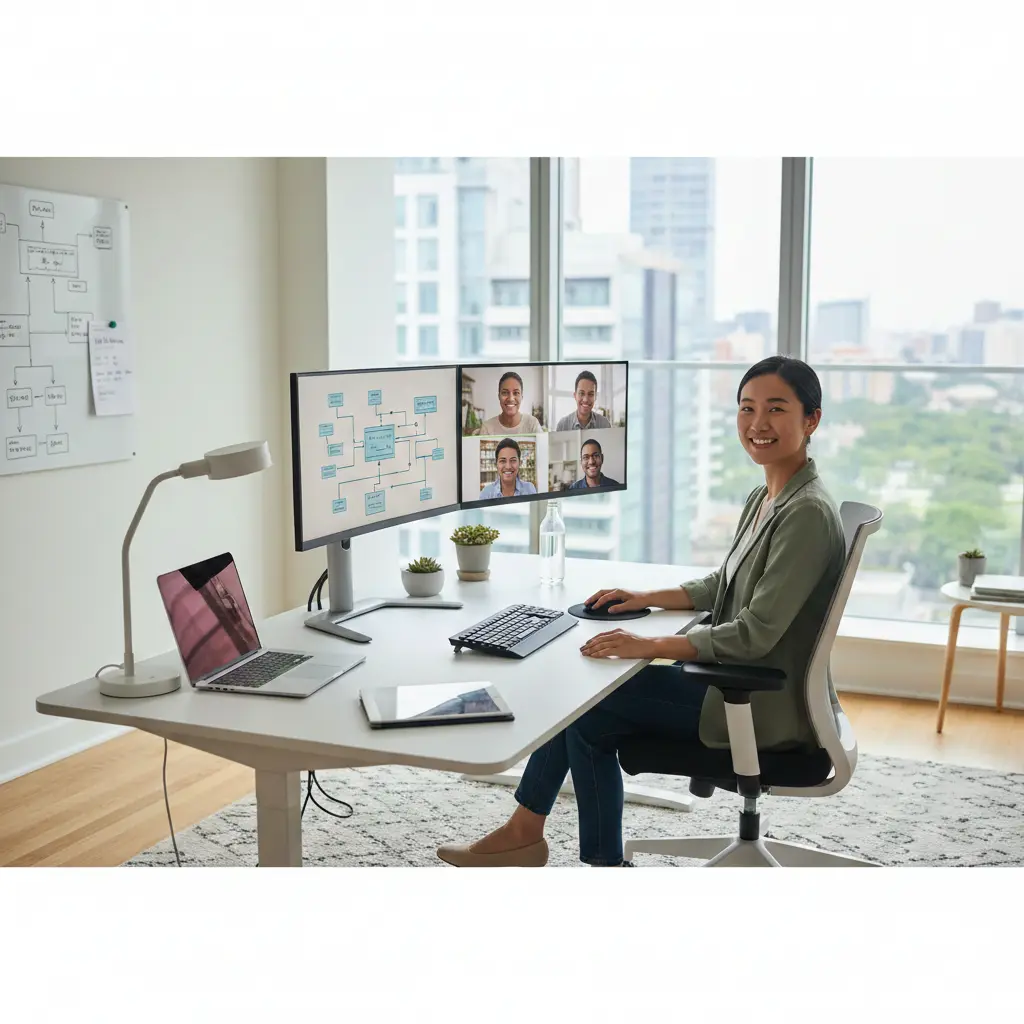
As you consider making the switch to remote work, you may be wondering if it's really possible to stay productive and efficient outside of a traditional office setting. You may have heard that remote work is isolating, or that it's difficult to separate your work and personal life. But the truth is
Best Home Office Desk
As you set up your home office, you're likely thinking about the furniture that will help you stay productive and comfortable. Your desk is one of the most essential pieces of furniture in your home office, and choosing the right one can make a significant difference in your work experience. You'll