Remote Work Set Up Guide

As you consider making the switch to remote work, you may be wondering if it's really possible to stay productive and efficient outside of a traditional office setting. You may have heard that remote work is isolating, or that it's difficult to separate your work and personal life. But the truth is
The Lankawebsites editorial team curates, fact-checks, and updates guides on personal finance, property, health, immigration, legal, business, and lifestyle topics relevant to Lankawebsites readers. Articles are produced with AI assistance and reviewed by the editorial team before publication.
As you consider making the switch to remote work, you may be wondering if it's really possible to stay productive and efficient outside of a traditional office setting. You may have heard that remote work is isolating, or that it's difficult to separate your work and personal life. But the truth is, with the right setup and mindset, remote work can be a highly effective and fulfilling way to work. In this article, you'll learn how to set up your remote work space for success, from choosing the right equipment to maintaining a healthy work-life balance. By the end of this article, you'll have a clear understanding of how to make remote work work for you.
You'll discover the benefits of remote work, including increased flexibility and productivity, and learn how to overcome common challenges such as distractions and isolation. You'll also learn about the latest tools and technologies that can help you stay connected and collaborative with your team, no matter where you are in the world. Whether you're a freelancer, entrepreneur, or employee, this article will provide you with the practical advice and insights you need to succeed in a remote work environment.
Introduction to Remote Work
Remote work, also known as telecommuting, is a work arrangement in which an employee works from a remote location, such as their home or a coffee shop, rather than commuting to a traditional office. This type of work arrangement has become increasingly popular in recent years, with 63% of companies having remote workers. The benefits of remote work are numerous, including increased flexibility, productivity, and job satisfaction. For example, a study by Stanford University found that remote workers were 13% more productive than their office-based counterparts.
Remote work also offers a number of benefits for employers, including reduced overhead costs and access to a global talent pool. With the rise of digital communication tools and cloud-based software, it's never been easier for teams to collaborate and work together remotely. According to a report by Upwork, 63% of companies have remote workers, and this number is expected to continue to grow in the coming years. As the nature of work continues to evolve, it's likely that remote work will become an increasingly important part of the modern work landscape.
Despite the many benefits of remote work, there are also some common challenges that remote workers face. These include distractions and lack of motivation, as well as difficulty separating work and personal life. However, with the right mindset and strategies, it's possible to overcome these challenges and thrive in a remote work environment. For example, many remote workers find that creating a dedicated workspace helps them to stay focused and avoid distractions.

Setting Up Your Home Office
When it comes to setting up your home office, there are a few key things to consider. First, you'll need to choose the right equipment, including a comfortable and ergonomic chair, a reliable computer, and a high-quality internet connection. You'll also want to create a comfortable and distraction-free workspace, which may involve investing in a noise machine or a set of noise-cancelling headphones. Finally, you'll need to minimize distractions, which may involve setting boundaries with family members or roommates, or using a website blocker to avoid social media and other online distractions.
For example, many remote workers find that investing in a standing desk helps them to stay energized and focused throughout the day. Others prefer to work from a co-working space, which can provide a sense of community and connection with other remote workers. Regardless of your specific needs and preferences, the key is to create a workspace that is comfortable, functional, and free from distractions. By doing so, you'll be able to stay focused and productive, and achieve your goals in a remote work environment.
In addition to the physical setup of your home office, you'll also want to consider the ergonomic and organizational aspects of your workspace. This may involve investing in a document scanner, a paper shredder, or a set of storage bins to keep your workspace organized and clutter-free. By taking the time to set up your home office in a way that is functional and comfortable, you'll be able to work more efficiently and effectively, and achieve your goals in a remote work environment.
Remote Communication and Collaboration Tools
When it comes to remote communication and collaboration, there are a wide range of tools and technologies available. Video conferencing tools such as Zoom and Google Meet allow teams to connect and collaborate in real-time, regardless of their location. Instant messaging apps such as Slack and Microsoft Teams provide a convenient way to communicate and share files with team members. And project management software such as Trello and Asana help teams to stay organized and on track, even when working remotely.
For example, many remote teams use virtual whiteboard tools such as Mural or Google Jamboard to brainstorm and collaborate on projects. Others use time tracking software such as Toggl or Harvest to track their hours and stay productive. By using these tools and technologies, remote teams can stay connected and collaborative, even when working from different locations. And with the rise of artificial intelligence and machine learning, it's likely that remote communication and collaboration tools will continue to evolve and improve in the coming years.
In addition to these tools and technologies, remote teams also need to establish clear communication protocols and collaboration workflows. This may involve setting up regular team meetings, establishing clear roles and responsibilities, and using project management methodologies such as Agile or Scrum. By doing so, remote teams can ensure that they are working together effectively, and achieving their goals in a remote work environment.
Time Management and Productivity Tips
When it comes to time management and productivity, remote workers face a unique set of challenges. Without the structure and accountability of a traditional office environment, it can be easy to fall into bad habits and struggle with motivation. However, with the right strategies and tools, remote workers can stay focused and productive, and achieve their goals. For example, many remote workers find that creating a schedule helps them to stay on track and avoid procrastination.
Others use time management techniques such as the Pomodoro Technique, which involves working in focused 25-minute increments, followed by a 5-minute break. This can help to increase productivity and reduce burnout, and can be especially helpful for remote workers who may be prone to overwork or isolation. Additionally, remote workers can use productivity apps such as RescueTime or Focus@Will to track their time and stay focused, and can establish clear boundaries with family members or roommates to minimize distractions.
In addition to these strategies and tools, remote workers also need to prioritize self-care and wellness. This may involve taking regular breaks to stretch, move around, and rest their eyes, as well as practicing mindfulness and meditation to reduce stress and increase focus. By taking care of their physical and mental health, remote workers can stay energized and motivated, and achieve their goals in a remote work environment. For example, many remote workers find that starting the day with a morning routine helps them to feel more grounded and focused, and can involve activities such as exercise, meditation, or journaling.
Data Security and Cybersecurity
When it comes to data security and cybersecurity, remote workers face a unique set of risks and challenges. Without the protection of a traditional office network, remote workers may be more vulnerable to cyber threats such as hacking, phishing, and malware. However, with the right strategies and tools, remote workers can protect themselves and their data, and stay safe online. For example, many remote workers use a virtual private network (VPN) to encrypt their internet connection and protect their data.
Others use two-factor authentication to add an extra layer of security to their online accounts, and keep their software and operating system up to date to prevent vulnerabilities and exploits. Additionally, remote workers can use password managers such as LastPass or 1Password to generate and store strong, unique passwords, and can avoid using public Wi-Fi or other unsecured networks to minimize the risk of cyber threats.
In addition to these strategies and tools, remote workers also need to be aware of data protection regulations such as GDPR and HIPAA, and take steps to comply with these regulations. This may involve encrypting sensitive data, using secure communication channels, and implementing data backup and recovery procedures. By taking these steps, remote workers can protect themselves and their data, and stay safe online. For example, many remote workers use cloud-based storage services such as Google Drive or Dropbox to store and share files, and can use file encryption tools such as Veracrypt or BitLocker to protect sensitive data.
Maintaining a Work-Life Balance
When it comes to maintaining a work-life balance, remote workers face a unique set of challenges. Without the clear boundaries and separation between work and personal life that a traditional office environment provides, it can be easy to fall into the trap of overwork or burnout. However, with the right strategies and mindset, remote workers can maintain a healthy balance between their work and personal life, and achieve their goals. For example, many remote workers find that creating a dedicated workspace helps them to separate their work and personal life, and can involve setting up a home office or co-working space.
Others use time management techniques such as time blocking or priority scheduling to schedule their work and personal activities, and can establish clear boundaries with family members or roommates to minimize distractions. Additionally, remote workers can prioritize self-care and wellness by scheduling time for exercise, meditation, or hobbies, and can use technology such as calendar apps or reminder tools to stay organized and on track.
In addition to these strategies and mindset, remote workers also need to be aware of the importance of taking breaks and practicing self-compassion. This may involve scheduling time for relaxation or leisure activities, and can involve activities such as reading, walking, or spending time with loved ones. By taking care of their physical and mental health, remote workers can maintain a healthy work-life balance, and achieve their goals in a remote work environment. For example, many remote workers find that starting the day with a morning routine helps them to feel more grounded and focused, and can involve activities such as exercise, meditation, or journaling.
Key Takeaways
As you set up your remote work environment, remember that it's all about creating a space that is comfortable, functional, and free from distractions. By choosing the right equipment, minimizing distractions, and establishing clear communication protocols, you can stay focused and productive, and achieve your goals. Don't forget to prioritize self-care and wellness, and take steps to maintain a healthy work-life balance. With the right mindset and strategies, you can thrive in a remote work environment, and achieve your goals.
So what's the first step you'll take to set up your remote work environment? Will you start by investing in a new chair or setting up a home office? Whatever you choose, remember that the key to success is to be intentional and mindful in your approach. By taking the time to set up your remote work environment in a way that is functional and comfortable, you'll be able to stay focused and productive, and achieve your goals in a remote work environment. What will you do next to take your remote work to the next level?
Frequently Asked Questions
Related Articles

Remote Work Home Office Setup Checklist
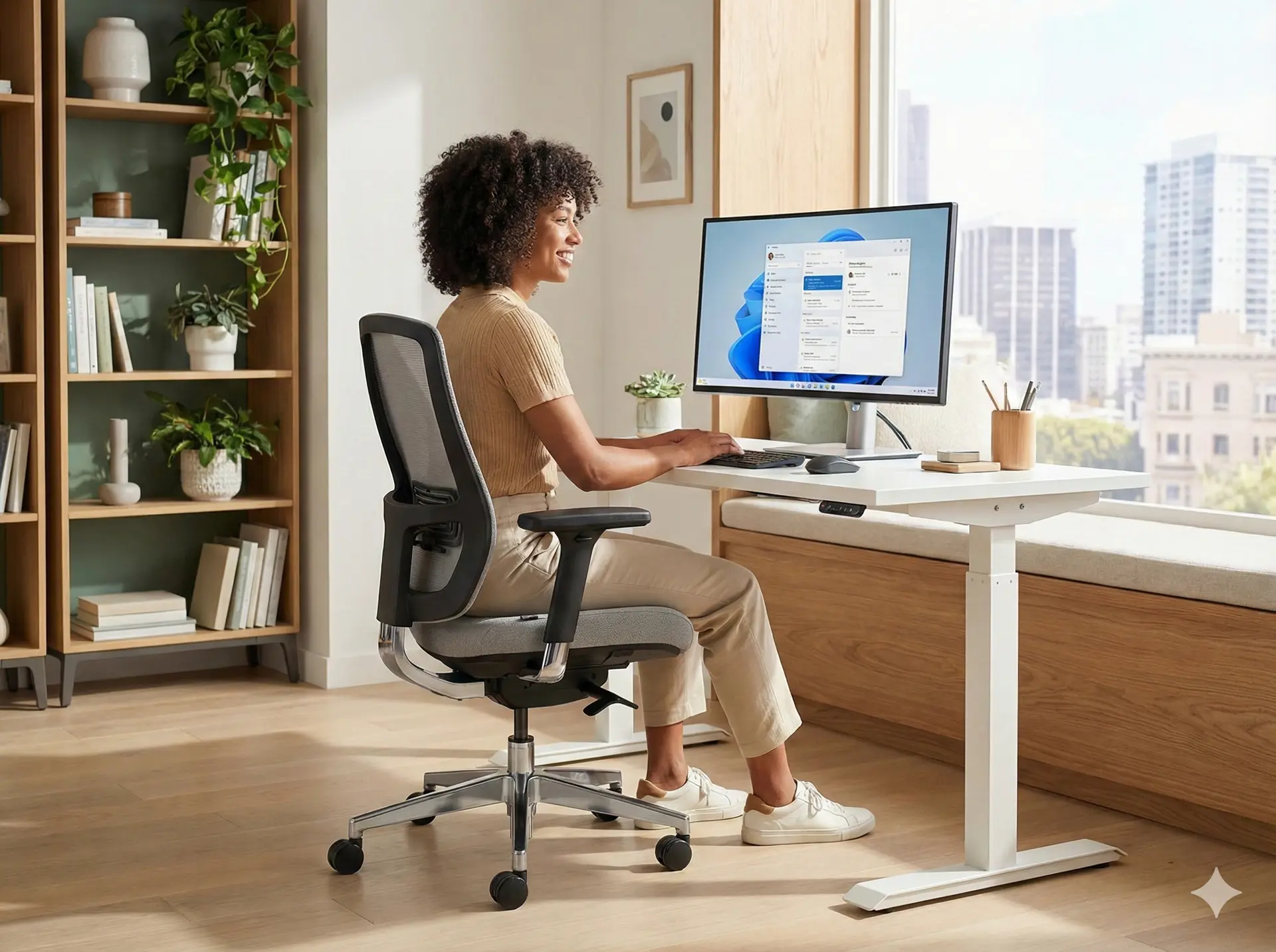
Ergonomic Chair for Home Office
As you sit at your home office, you may be unaware of the silent enemy that's affecting your productivity and health: your chair. Many people assume that any chair will do, but the truth is, a poorly designed chair can lead to back pain, decreased focus, and reduced overall well-being. If you're on

Home Office Ideas
Are you tired of feeling unproductive and disorganized while working from home? You're not alone. Many people struggle to create a dedicated workspace that fosters focus and efficiency. As you try to balance work and personal life, it's easy to get distracted by household chores, family members, or
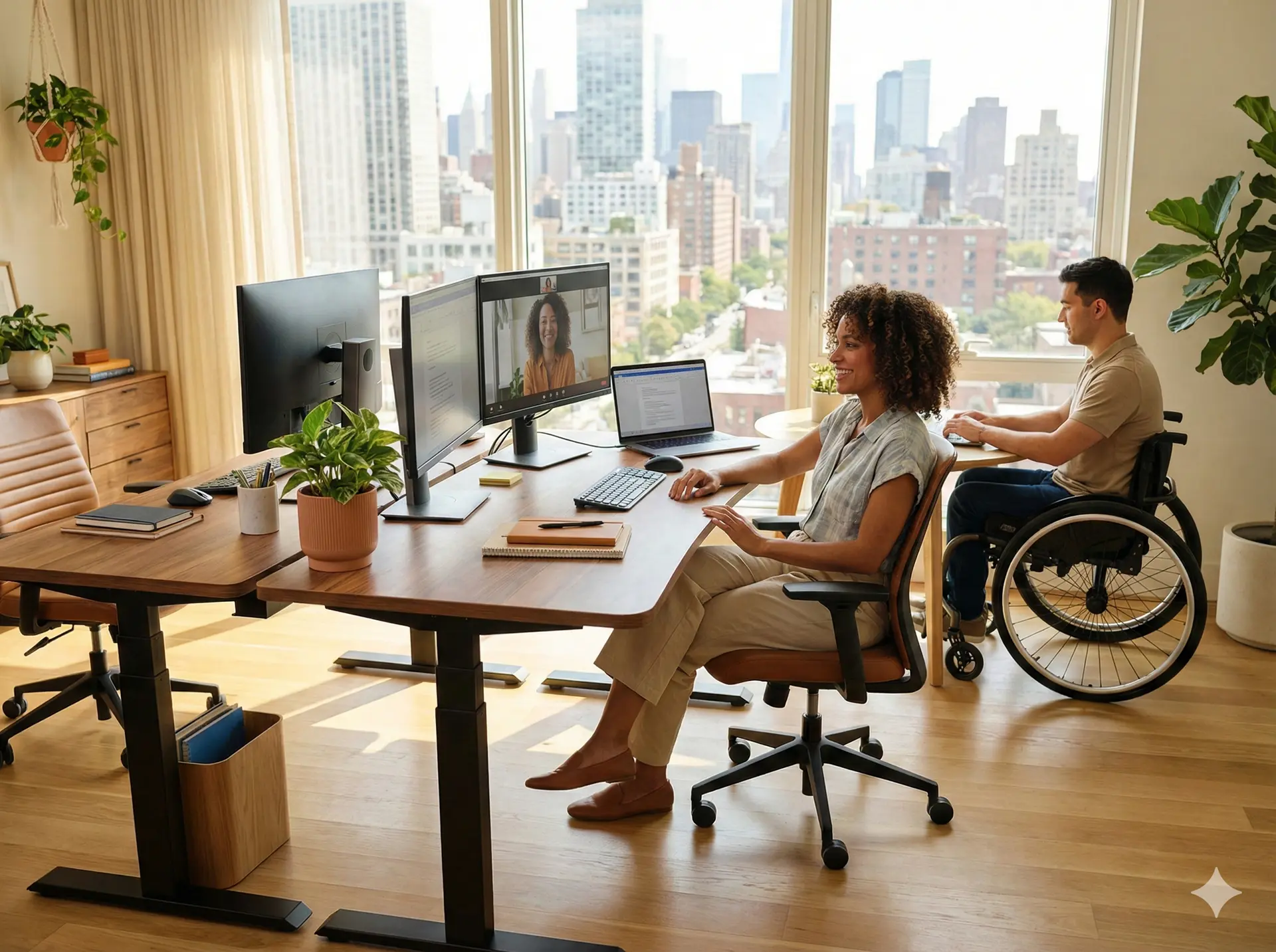
Best Home Office Desk
As you set up your home office, you're likely thinking about the furniture that will help you stay productive and comfortable. Your desk is one of the most essential pieces of furniture in your home office, and choosing the right one can make a significant difference in your work experience. You'll