Ergonomic Chair for Home Office
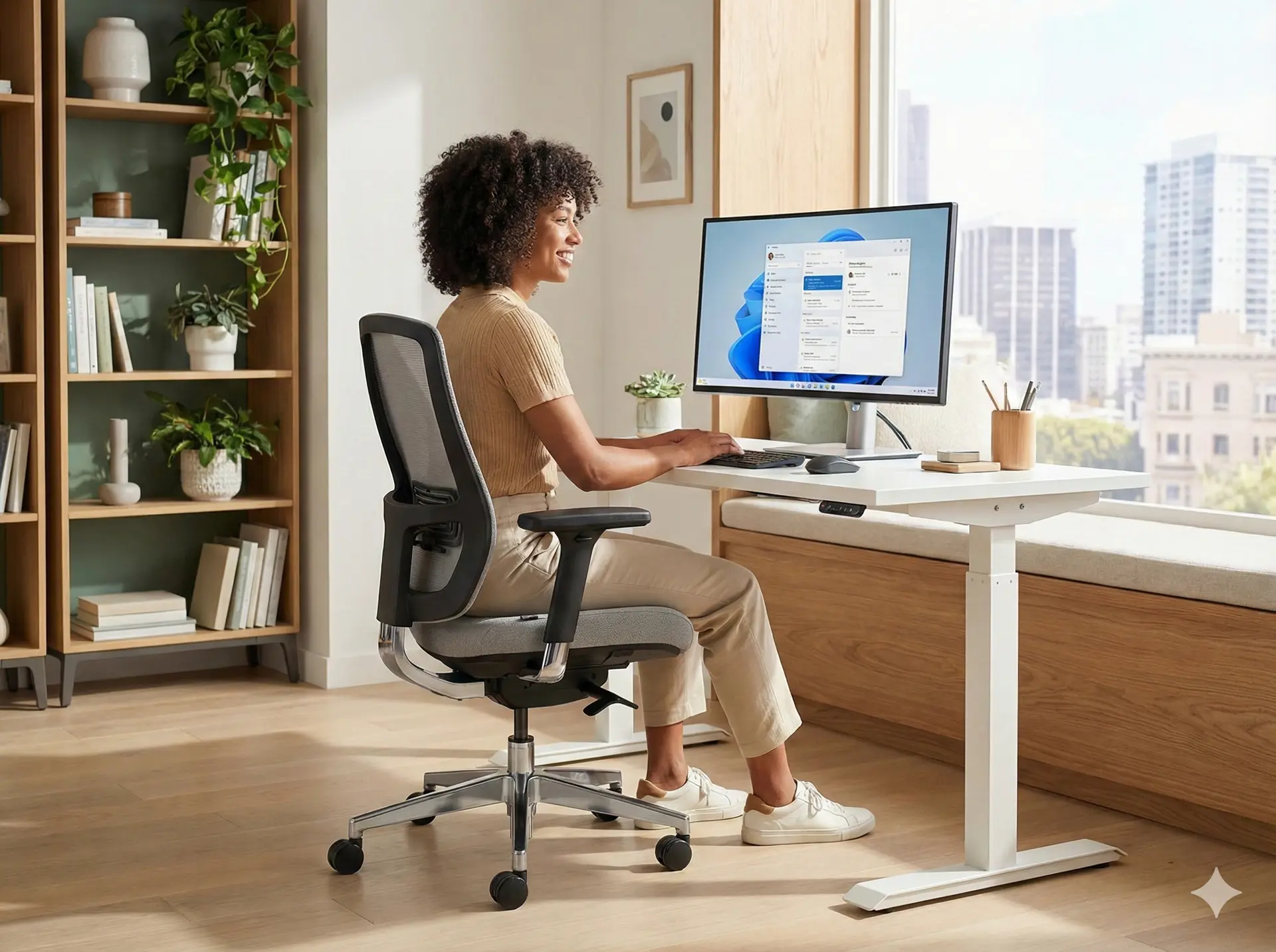
As you sit at your home office, you may be unaware of the silent enemy that's affecting your productivity and health: your chair. Many people assume that any chair will do, but the truth is, a poorly designed chair can lead to back pain, decreased focus, and reduced overall well-being. If you're on
The Lankawebsites editorial team curates, fact-checks, and updates guides on personal finance, property, health, immigration, legal, business, and lifestyle topics relevant to Lankawebsites readers. Articles are produced with AI assistance and reviewed by the editorial team before publication.
As you sit at your home office, you may be unaware of the silent enemy that's affecting your productivity and health: your chair. Many people assume that any chair will do, but the truth is, a poorly designed chair can lead to back pain, decreased focus, and reduced overall well-being. If you're one of the many people who spend hours working from home, it's time to rethink your seating arrangement. In this article, you'll discover the benefits of using an ergonomic chair, how to choose the right one for your needs, and tips for maintaining it to ensure you stay comfortable and healthy.
You'll learn how to identify the key features of an ergonomic chair, from adjustable height and armrests to lumbar support and breathable fabric. You'll also find out how to avoid common mistakes when selecting a chair, such as prioritizing style over substance or neglecting to consider your personal preferences and needs. By the end of this article, you'll be equipped with the knowledge to create a comfortable and productive home office that supports your physical and mental health.
Introduction to Ergonomic Chairs
An ergonomic chair is designed to provide optimal support and comfort for your body, promoting good posture and reducing the risk of injury or discomfort. The benefits of using an ergonomic chair are numerous, including improved back health, increased productivity, and enhanced overall well-being. Many people mistakenly believe that ergonomic chairs are only necessary for people with pre-existing back problems, but the truth is, anyone can benefit from using an ergonomic chair.
One of the most common mistakes people make when choosing a chair is prioritizing aesthetics over functionality. While a stylish chair may look great in your home office, it's essential to consider the chair's features and how they will support your body. For example, a chair with a sleek design may not provide adequate lumbar support, leading to back pain and discomfort. On the other hand, an ergonomic chair may not be the most stylish option, but it will provide the necessary support and comfort to keep you healthy and productive.
A study by the Journal of Occupational Rehabilitation found that employees who used ergonomic chairs experienced a significant reduction in back pain and discomfort, compared to those who used traditional chairs. This highlights the importance of investing in a high-quality ergonomic chair, rather than settling for a cheap or stylish alternative. By doing so, you can create a comfortable and healthy work environment that supports your overall well-being.
Key Features of an Ergonomic Chair
Adjustable Height and Armrests
An ergonomic chair should have adjustable height and armrests to accommodate different body types and preferences. This allows you to customize the chair to fit your needs, ensuring that you can work comfortably and maintain good posture. For example, if you're tall, you'll want a chair with a higher seat height to avoid straining your legs and back. On the other hand, if you're shorter, you'll want a chair with a lower seat height to avoid feeling like you're sinking into the chair.
Lumbar support is another critical feature of an ergonomic chair. This refers to the curved section of the chair that supports your lower back, promoting good posture and reducing the risk of back pain. Look for a chair with adjustable lumbar support, allowing you to customize the fit to your body. Additionally, consider a chair with breathable fabric, such as mesh or fabric with built-in ventilation, to keep you cool and comfortable during long work sessions.
When evaluating an ergonomic chair, pay attention to the seat depth and width. A seat that's too deep can cause you to slouch, while a seat that's too narrow can lead to discomfort and poor posture. Look for a chair with a seat depth that allows you to sit with your feet flat on the floor or on a footrest, with your knees at or below hip level.
Benefits of Using an Ergonomic Chair
Using an ergonomic chair can have a significant impact on your physical and mental health. One of the most notable benefits is reduced back pain. By providing optimal support and promoting good posture, an ergonomic chair can help alleviate back pain and discomfort. This is especially important for people who spend long hours working at a desk, as back pain can lead to decreased productivity and overall well-being.
In addition to reducing back pain, an ergonomic chair can also improve focus and concentration. When you're comfortable and supported, you're able to focus on your work without distractions or discomfort. This can lead to increased productivity and better overall performance. A study by the Harvard Business Review found that employees who worked in comfortable and supportive environments were more productive and had better job satisfaction, compared to those who worked in uncomfortable or unsupportive environments.
Another benefit of using an ergonomic chair is improved overall health. By promoting good posture and reducing the risk of back pain, an ergonomic chair can help reduce the risk of other health problems, such as headaches, fatigue, and cardiovascular disease. This is especially important for people who spend long hours working at a desk, as a sedentary lifestyle can lead to a range of health problems.
Choosing the Right Ergonomic Chair for Your Home Office
When choosing an ergonomic chair for your home office, there are several factors to consider. First, consider your space and budget constraints. If you have a small home office, you'll want a chair that's compact and space-efficient. On the other hand, if you have a larger budget, you may be able to invest in a higher-end chair with more features and adjustable options.
Next, consider your personal preferences and needs. If you have a pre-existing back condition, you may want a chair with extra lumbar support or a more adjustable design. On the other hand, if you're looking for a chair for general use, you may prioritize features like breathable fabric or a comfortable seat cushion. It's essential to think about your specific needs and preferences when choosing an ergonomic chair, as this will ensure that you find a chair that meets your unique requirements.
When evaluating an ergonomic chair, pay attention to the warranty and customer support. Look for a chair with a comprehensive warranty that covers parts and labor, as well as a customer support team that's available to answer questions and provide assistance. This will give you peace of mind and ensure that you're protected in case anything goes wrong with your chair.
Ergonomic Chair Maintenance and Care
To get the most out of your ergonomic chair, it's essential to regularly clean and inspect it. This includes wiping down the chair with a damp cloth, checking for worn or damaged parts, and making adjustments as needed. By doing so, you can ensure that your chair continues to provide optimal support and comfort, and that it lasts for a long time.
In addition to regular cleaning and inspection, it's also important to properly adjust and use your ergonomic chair. This includes adjusting the height, armrests, and lumbar support to fit your body, as well as taking regular breaks to stand up and stretch. By doing so, you can reduce the risk of back pain and discomfort, and ensure that you're getting the most out of your chair.
Finally, consider upgrading or replacing your ergonomic chair as needed. If you notice that your chair is no longer providing optimal support or comfort, it may be time to consider upgrading to a new chair. This can be a significant investment, but it's essential to prioritize your health and well-being, especially if you spend long hours working at a desk.
Top Recommendations for Ergonomic Chairs
When it comes to choosing an ergonomic chair, there are many options available. Here are a few top recommendations to consider:
- The Herman Miller Embody Chair, which features a sleek design and adjustable lumbar support
- The Steelcase Leap Chair, which offers a comfortable seat cushion and adjustable armrests
- The Varier Variable Balans Chair, which features a unique design and adjustable height and armrests
In addition to these high-end options, there are also many budget-friendly ergonomic chairs available. These chairs may not have all the bells and whistles, but they can still provide optimal support and comfort at a lower price point. Some popular budget-friendly options include the AmeriHome Ergonomic Chair and the Essentials by OFM ESS-3005.
When evaluating an ergonomic chair, be sure to read reviews and do your research to find the best option for your needs and budget. By doing so, you can ensure that you find a chair that meets your unique requirements and provides optimal support and comfort.
Key Takeaways
In conclusion, an ergonomic chair is a essential investment for anyone who spends long hours working at a desk. By providing optimal support and comfort, an ergonomic chair can help reduce back pain, improve focus and concentration, and promote overall health and well-being. When choosing an ergonomic chair, consider your space and budget constraints, personal preferences and needs, and look for features like adjustable height and armrests, lumbar support, and breathable fabric.
As you consider your next steps, ask yourself: what's the true cost of a poorly designed chair, and how can you prioritize your health and well-being by investing in a high-quality ergonomic chair? By taking the time to research and evaluate your options, you can find a chair that meets your unique needs and provides optimal support and comfort, leading to a healthier, happier, and more productive you.
Frequently Asked Questions
Related Articles

Remote Work Home Office Setup Checklist

Remote Work Set Up Guide
As you consider making the switch to remote work, you may be wondering if it's really possible to stay productive and efficient outside of a traditional office setting. You may have heard that remote work is isolating, or that it's difficult to separate your work and personal life. But the truth is
Home Office Ideas
Are you tired of feeling unproductive and disorganized while working from home? You're not alone. Many people struggle to create a dedicated workspace that fosters focus and efficiency. As you try to balance work and personal life, it's easy to get distracted by household chores, family members, or
Best Home Office Desk
As you set up your home office, you're likely thinking about the furniture that will help you stay productive and comfortable. Your desk is one of the most essential pieces of furniture in your home office, and choosing the right one can make a significant difference in your work experience. You'll