Best Places to See Elephants in the Wild in Sri Lanka
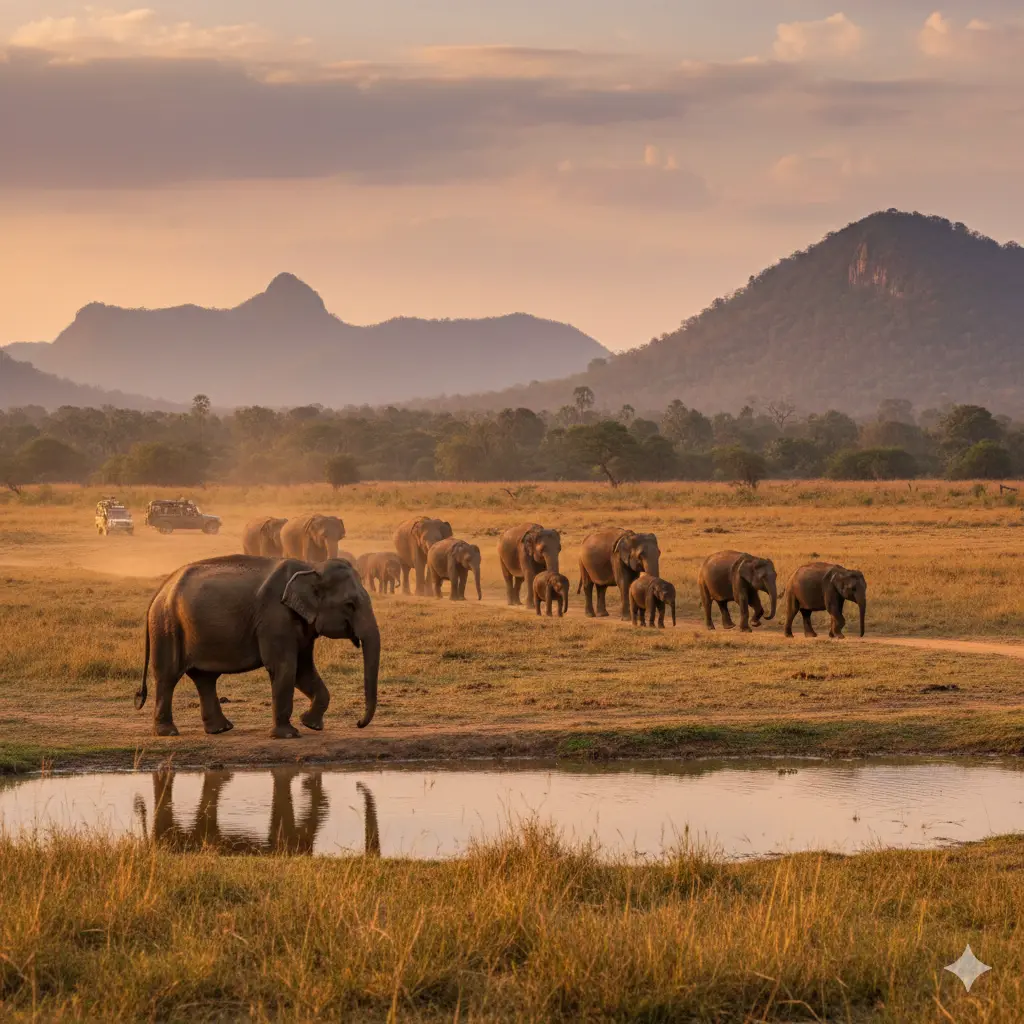
Sri Lanka's wild elephants are a breathtaking sight, roaming freely across our island's ancient forests and grasslands. If you're a local looking for the best places to see elephants in the wild in Sr
The Lankawebsites editorial team curates, fact-checks, and updates guides on personal finance, property, health, immigration, legal, business, and lifestyle topics relevant to Lankawebsites readers. Articles are produced with AI assistance and reviewed by the editorial team before publication.
Sri Lanka's wild elephants are a breathtaking sight, roaming freely across our island's ancient forests and grasslands. If you're a local looking for the best places to see elephants in the wild in Sri Lanka, you'll want spots where these gentle giants live naturally, away from chains and crowds.
With around 4,000 Sri Lankan elephants left—listed as endangered due to habitat loss and human conflicts—seeing them in their natural habitat supports conservation while giving you an unforgettable experience. We'll guide you through top national parks, practical tips for visits, and how to do it responsibly in 2026.
Why See Elephants in the Wild?
Our elephants once roamed the entire island, but today they're mostly in the dry zone lowlands, squeezed by expanding settlements and deforestation. National parks offer the ethical way to observe them: no riding, no feeding, just pure wildlife magic. As locals, we know the joy of spotting a herd at a waterhole, and these spots help fund protection efforts against the 65% population drop since the 19th century.
Recent government rules for captive elephants—fresh food, daily exercise, no work before age five—highlight the shift towards welfare, but wild viewing is always best.
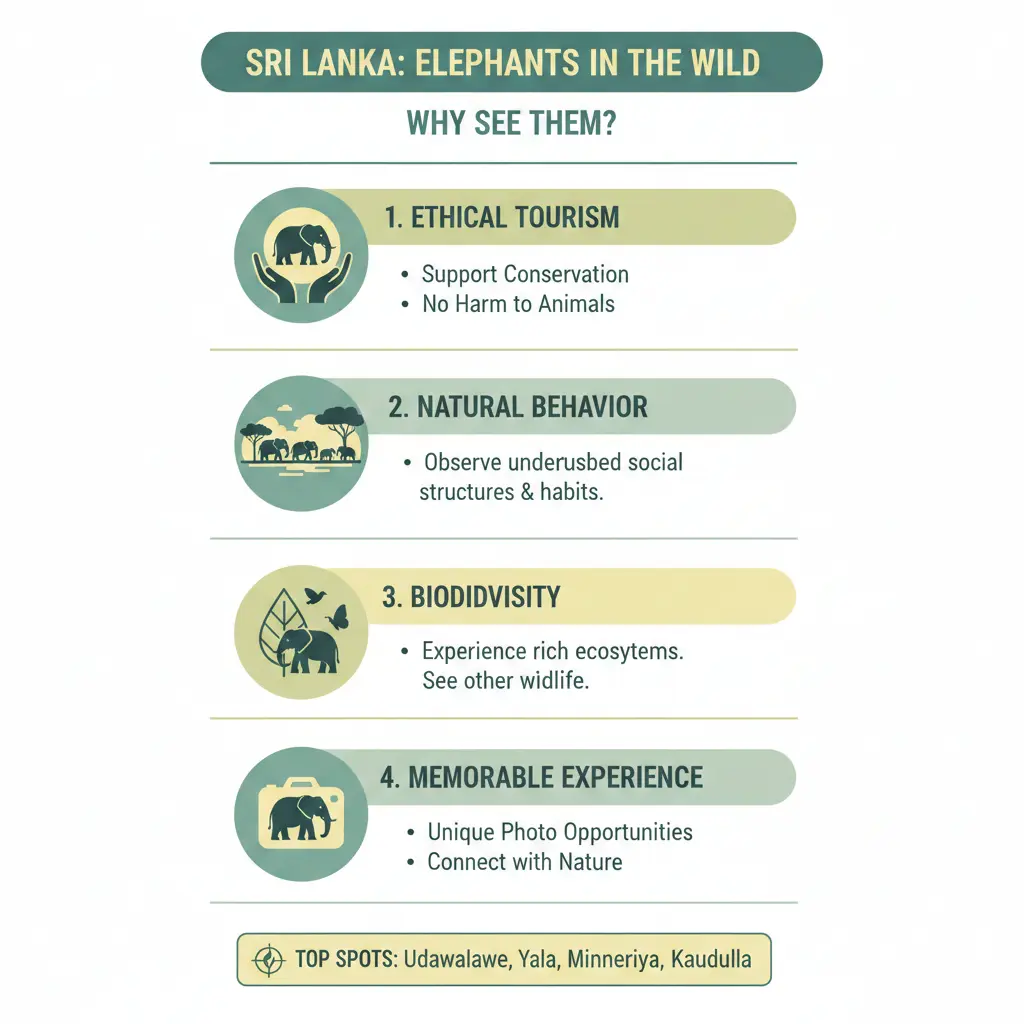
Top Places to See Elephants in the Wild
Here are the premier spots, ranked by elephant sightings and accessibility for us Sri Lankans. Focus on dry season (May to September) for massive gatherings at reservoirs.
Minneriya National Park: The Elephant Gathering hotspot
Minneriya, near Sigiriya, is arguably the best place to see elephants in the wild in Sri Lanka during the dry months. Herds of up to 200 gather at the ancient Minneriya Tank—Asia's biggest elephant reunion.
- Best time: July to September; mornings (6-10am) or evenings (3-6pm) for peak activity.
- How to get there: Drive from Colombo (4 hours via A6), or bus to Sigiriya/Habarana. Stay in Pidurangala for budget guesthouses like Back of Beyond Jungle Hideaway.
- Cost (2026): Adult LKR 750 entry + LKR 4,000-6,000 jeep safari (shares well with family).
- Tip: Book jeeps via DWC-approved operators at the gate to avoid scams.
Connected to Kaudulla via an elephant corridor, you can hop between parks for more sightings.
Kaudulla National Park: Peaceful Herds and Tuskers
Just north of Minneriya, Kaudulla shines with fewer crowds and stunning birds. One of Sri Lanka's 15 newest parks, it's famed for elephant herds and birdlife.
- Highlights: Elephants bathing in Kaudulla Tank; leopards and crocs too.
- Access: 30-min drive from Minneriya; Habarana bases work perfectly.
- Cost: Similar to Minneriya; combo tickets save money.
- Local pro tip: Early morning safaris spot tuskers—rare males with impressive ivory.
Wasgamuwa National Park: Untamed Jungle Herds
In the central dry zone, Wasgamuwa boasts large elephant herds amid biodiverse jungle. It's a top pick for volunteers researching wild elephants. Monkeys, buffaloes, leopards, and sloth bears add thrill.
- Best for: Serious wildlife fans; rough tracks mean 4x4 jeeps only.
- Getting there: 3-4 hours from Colombo via Kurunegala; campsites available.
- Entry: LKR 750; safaris LKR 5,000+.
- 2026 update: Enhanced ranger patrols reduce poaching risks.
Udawalawe National Park: Family Herds by the Reservoir
Near Rathnapura, Udawalawe's open grasslands and reservoir draw elephant families daily. Nearby Elephant Transit Home releases orphans back to the wild—observe from afar.
- Why go: Consistent sightings year-round; great for photos.
- Travel: 4 hours from Colombo; stay in Embilipitiya.
- Cost: LKR 750 entry + LKR 4,500 safari.
- Advice: Avoid weekends if you hate traffic; go midweek.
Kala Wewa Sanctuary: Tusker Heaven
This ancient reservoir (built 5th century by King Dhatusena) near Anuradhapura hosts the highest tusker density in Sri Lanka during dry season. Herds socialise safely here.
- Unique: Massive gatherings like Minneriya but quieter.
- Access: Combine with Wilpattu; 5 hours north from Colombo.
- Tip: Hire a local guide for bird spotting too.
Practical Tips for Spotting Wild Elephants
As locals, we get the bus-tuk routes and bargaining. Here's how to plan ethically:
- Book via Department of Wildlife Conservation (DWC): Official site for permits; avoids touts. Check DWC website for 2026 updates.
- Best gear: Binoculars, hat, water, long sleeves for sun/mosquitos. No plastic—parks ban it.
- Safety first: Stay in vehicles; elephants charge if provoked. Follow ranger rules.
- Budget for locals: Group jeeps cut costs to LKR 1,500/head. Fuel up in advance—stations sparse.
- Weather hack: Dry season for herds; wet for lush green but muddy roads.
- Support conservation: Donate to DWC or join patrols—many parks need volunteers.
Elephant Sanctuaries: Ethical Alternatives or Skip?
Skip controversial spots like Pinnawala (65 elephants, now with new musth sanctuary for males, but criticised for chaining and overcrowding). Opt for ethical ones:
- Elephant Freedom Project: Near Kegalle; follow free-roaming rescues like Kumari. Family-run, visitor limits. 1.5 hours from Kandy.
- Udawalawe Elephant Transit Home: Watch releases, not rides.
New 2026 laws ban pre-5 work and mandate nutrition—check DWC for compliant sites. Wild is always better.
Conservation Challenges and How We Can Help
Human-elephant conflicts kill dozens yearly; electric fences and tree houses help farmers. Pinnawala's 76 births since 1984 aid breeding, targeting 50-80 managed elephants. As locals, report poaching to DWC hotline (1926).
Plan Your Elephant Adventure Today
Grab your DWC permit, fuel the van, and head to Minneriya for that herd-at-waterhole moment. Whether weekend getaway or family trip, these spots deliver. Check road conditions via 118 app, pack eco-snacks, and share your pics with #WildLankaElephants. Your visit funds their future—safe travels!
Frequently Asked Questions
Sources & References
- 1
-
2
Elephant Sanctuary in Sri Lanka (2025) — volunteerworld.com — www.volunteerworld.com
-
3
The best National Parks to see Elephants in Sri Lanka — midnightblueelephant.com — www.midnightblueelephant.com
-
4
Elephant Freedom Project Sri Lanka — elephantfreedomproject.com — www.elephantfreedomproject.com
-
5
Sri Lanka: Elephant Country - Holiday 2026-2027 — earthtrip.co.uk — www.earthtrip.co.uk
Related Articles
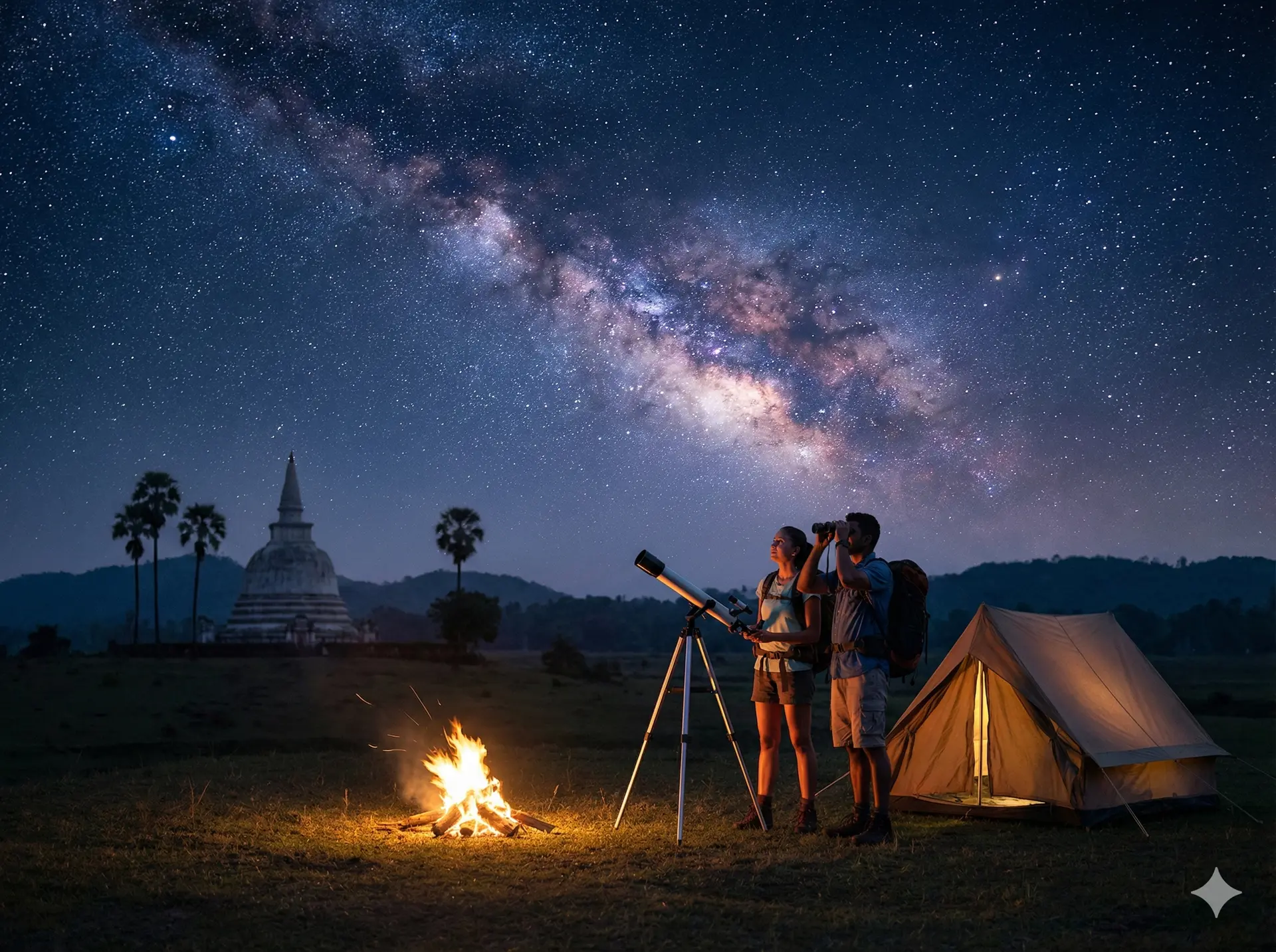
Stargazing & Astro Tourism in Sri Lanka: Dark Sky Spots Around the Island
Imagine lying back on a cool hillside in the central highlands, far from Colombo's glow, as the Milky Way unfurls like a river of diamonds across the sky. That's the magic of stargazing in Sri Lanka—w

Yala vs Wilpattu: Which National Park Is Best for Safaris?
Imagine rumbling through the bush in a 4x4 jeep at dawn, the air thick with anticipation as a leopard's spots flash in your headlights. That's the thrill of a Sri Lankan safari, and right here in our
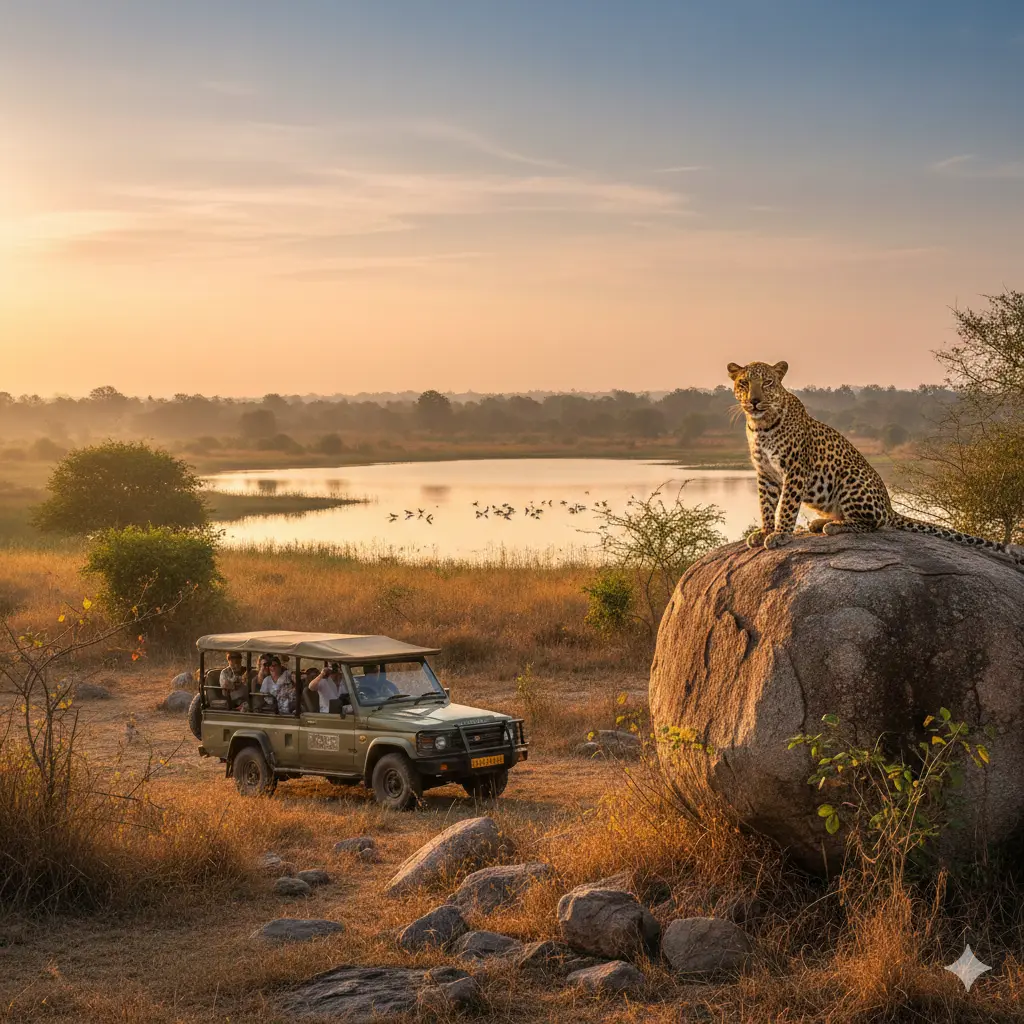
Complete Guide to Yala National Park: Safaris, Seasons & Leopard Chances
Imagine the thrill of spotting a leopard lounging on a rocky outcrop at dawn, or a herd of wild elephants quenching their thirst at a shimmering lagoon—that's the magic of Yala National Park, right he
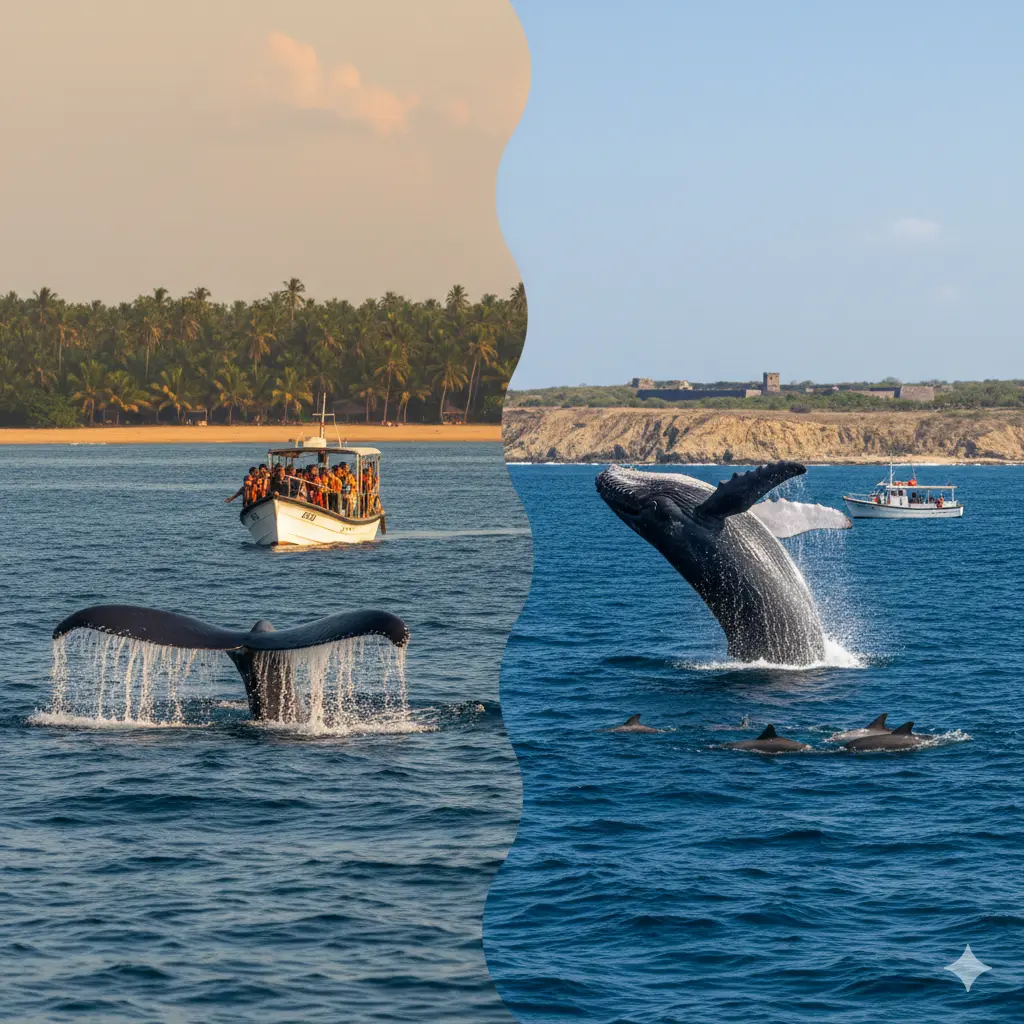
Whale Watching in Sri Lanka: Mirissa vs Trincomalee Compared
Sri Lanka's southern and eastern coasts have emerged as world-class whale watching destinations, but each location offers distinct advantages depending on what you're seeking. Whether you're planning