2026 Updates to Sri Lanka Driving License Tests and Fees
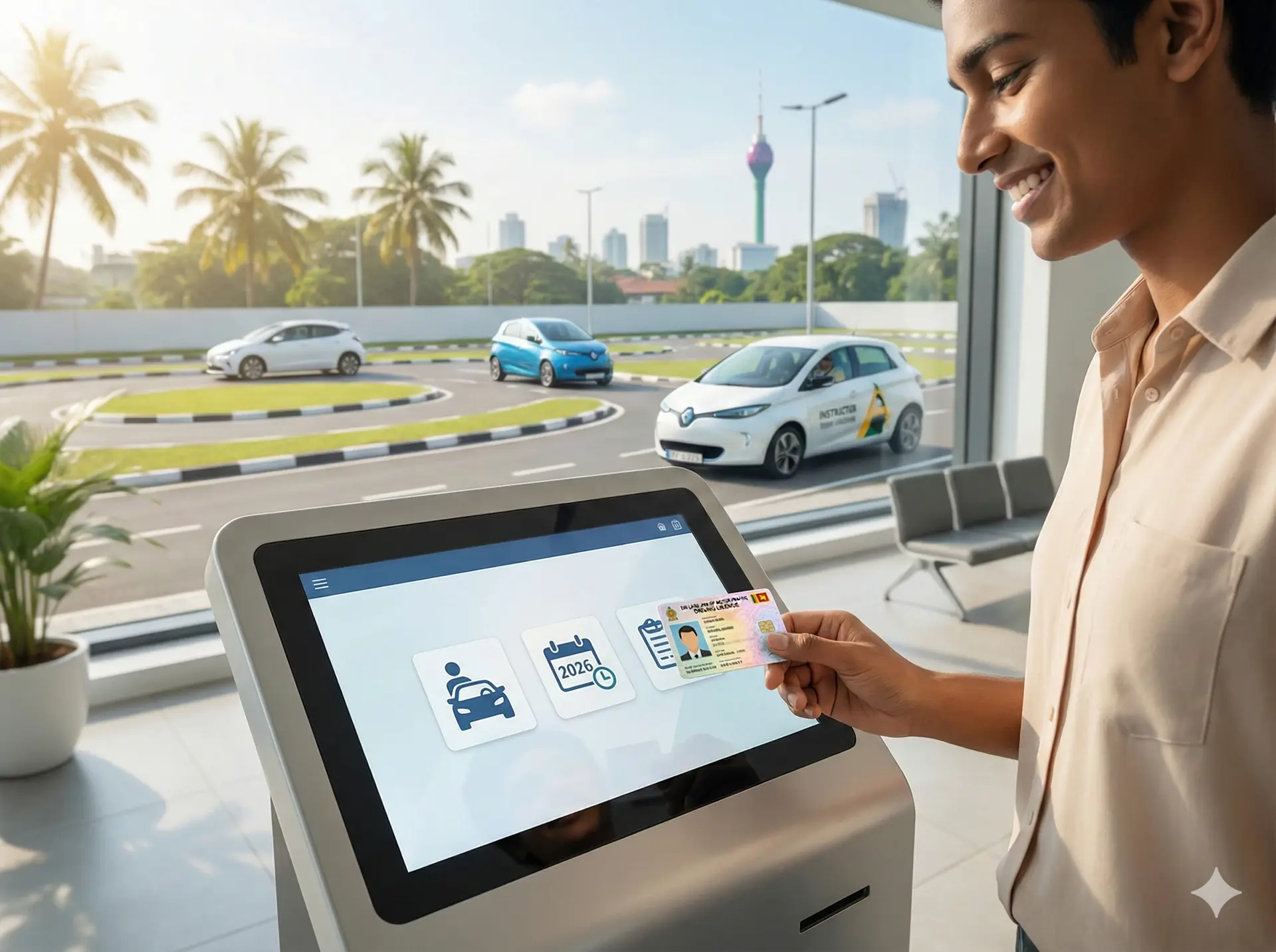
Everything Sri Lankan drivers need to know about 2026 licence updates, including fee changes, test procedures, and the 500,000 backlog clearance.
The Lankawebsites editorial team curates, fact-checks, and updates guides on personal finance, property, health, immigration, legal, business, and lifestyle topics relevant to Lankawebsites readers. Articles are produced with AI assistance and reviewed by the editorial team before publication.
If you're planning to obtain or renew your driving licence in Sri Lanka this year, you'll want to stay informed about the latest changes affecting tests, fees, and processing times. The Department of Motor Traffic (DMT) has implemented several updates in early 2026 that directly impact how locals navigate the licensing system. From clearing massive backlogs to expanding service centres and revising fee structures, these changes aim to modernise our driving licence framework whilst addressing longstanding administrative challenges.
Major Developments in Early 2026
Clearing the 500,000 License Backlog
One of the most significant updates for 2026 is the DMT's commitment to issuing approximately 500,000 delayed driving licences by March 2026 . Commissioner General of Motor Traffic Kamal Amarasinghe confirmed that the backlog, caused by a shortage of printing cards, is now being addressed. The required licence cards have been imported, and printing is underway at three locations: the DMT main office in Werahera, and regional centres in Hambantota and Anuradhapura . If you've been waiting for your permanent licence after receiving a temporary one, you should receive it directly at your home address through the Department of Post within the coming weeks.
Expanded Service Centres for International Permit Holders
Effective 2 February 2026, the Ministry of Transport expanded temporary driving licence services for international permit holders . The service, previously available only at Werahera and Bandaranaike International Airport (BIA), is now accessible at Kurunegala, Hambantota, Gampaha, Anuradhapura, and Jaffna district offices . Whilst this primarily benefits tourists and expatriates, it indicates the DMT's push towards decentralisation and improved service delivery across the island.
Current Fee Structure for Sri Lankan Citizens
Learner's Permit and Testing Fees
For locals obtaining a new driving licence, the fee structure remains relatively affordable compared to regional standards. Based on current rates, applying for a learner's permit for a car (Category B) costs approximately Rs. 3,700, whilst motorcycle applicants can expect to pay around Rs. 6,000 . These fees cover the medical examination, written test registration, and learner's permit issuance. The application fee for a new driving licence is Rs. 2,500 per class under regular service and Rs. 3,500 under the expedited one-day service .
Test Retake Fees
If you fail the written examination, you can reapply up to three times by paying Rs. 100 for each attempt . However, if you fail the practical examination, you'll need to make the full payment again for each retake, up to three attempts . This fee structure encourages thorough preparation before attempting the practical test, as it's considerably more expensive to retake.
Recent Fee Revisions for Foreign Licence Holders
Whilst most fees for Sri Lankan citizens remain stable, the Extraordinary Gazette No. 2463/04 dated 17 November 2025 introduced significant fee increases for foreign nationals and Sri Lankans holding foreign licences . A Sri Lankan citizen who already holds a foreign licence now pays Rs. 30,000 to obtain a local licence, whilst foreign nationals in the same category pay Rs. 60,000 . These revised fees primarily affect expatriates and returning residents rather than first-time local applicants.
Understanding the Licence Application Process
Eligibility Requirements for Light Vehicles
To apply for a driving licence for light vehicles (cars and similar), you must be at least 17 years old to register and sit for the written test . You'll need to present your National Identity Card (NIC), original birth certificate, and a valid Aptitude Medical Certificate obtained from the National Transport Medical Institution within six months . The medical examination includes height and weight measurements, vision tests, and basic motor skill assessments to ensure you're physically capable of operating a vehicle safely.
The Written Test and Learner's Permit
Once you pass the written test, which covers road signs, traffic regulations, and driving theory, you'll receive a learner's permit valid for up to 18 months . The test is conducted electronically via touch screen at designated exam halls, and you'll receive your score immediately upon completion . During this period, you're legally allowed to practice driving with your L-permit displayed on the vehicle, provided you're accompanied by a licensed driver. You must hold the learner's permit for a minimum of three months before you're eligible to take the practical test .
The Practical Test Requirements
To sit for the practical test, you must be at least 18 years old and have held your learner's permit for at least three months . The practical examination consists of two main phases: reverse parking and road driving . During reverse parking, you'll demonstrate your ability to manoeuvre the vehicle by pulling out to the left and reversing back into a designated test area. The road driving test requires you to drive onto the main road, make turns, and demonstrate safe stopping procedures . Passing this test is mandatory to receive your full driving licence.
Smart Card Licences and Processing Methods
Online and Offline Processing Options
The DMT currently issues smart card driving licences through two methods . The online method is available at the Head Office in Werahera and select district offices including Kurunegala, Hambantota, Gampaha (including the Negombo sub-office), Anuradhapura, Kaluthara, Jaffna, and Monaragala . At these locations, you don't need to bring photographs as they're taken during the computer process. The offline method is used at other district offices, where you'll need to provide two passport-size black and white photographs with a white background .
Licence Issuance Timeline
After passing your practical examination, you'll receive a temporary licence valid for up to six months . Previously, delays in issuing permanent licences were common due to card shortages, but with the current backlog clearance initiative, the DMT aims to deliver permanent licences within a reasonable timeframe . Your permanent smart card licence will be sent to your registered address by post once printing is completed.
Heavy Vehicle Licence Extensions
If you're looking to extend your licence to include heavy vehicles such as motor lorries or buses, you must first hold a licence for light vehicles (classes B and B1) for a minimum of two years . The minimum age to register for the heavy vehicle written test is 20 years, and you must be 21 years old to take the practical test . Height requirements also apply: you need to be at least 4 feet 10 inches tall for light motor bus and motor lorry categories, and 5 feet tall for motor bus and motor lorry categories . The same medical certificate and learner's permit procedures apply, with the learner's permit valid for up to 18 months.
Practical Tips for Licence Applicants
To navigate the licensing process efficiently, book your medical examination and written test appointments online through the DMT website well in advance, as slots fill up quickly at popular centres like Werahera. Arrive at least 15 minutes before your scheduled appointment with all required documents: NIC or passport, original birth certificate, and any previous medical certificates. Keep all receipts and confirmation letters, as you'll need to present them at various stages throughout the process. For your practical test, arrive at least one hour early to complete check-in procedures and join the queue in proper order .
What to Expect in the Coming Months
With the backlog clearance underway and expanded service centres operational, 2026 represents a turning point for driving licence services in Sri Lanka. The DMT's focus on digitalisation and decentralisation should reduce waiting times and improve accessibility for locals across the country. If you're currently holding a temporary licence, you can expect your permanent smart card to arrive by post within March 2026. For new applicants, the process remains straightforward: complete your medical examination, pass the written test, practice for at least three months, and successfully complete the practical examination to receive your full licence.
Frequently Asked Questions
Sources & References
-
1
Sri Lanka to issue 500,000 delayed driving licenses in March 2026 — www.onlanka.com
- 2
-
3
A full guide on getting your learner's permit (2025) — www.reddit.com
-
4
Driving licence fees revised in Sri Lanka — www.onlanka.com
- 5
-
6
Driving licence fees increased for foreigners: New rates — www.newswire.lk
-
7
New Driving License - Department of Motor Traffic — dmt.gov.lk
-
8
Guide for first time drivers license applicants — www.reddit.com
Useful Tools
Related Articles
Best Engine Oils for Sri Lankan Roads in 2026: Comparisons and Recommendations
Driving on Sri Lanka's roads means battling heat, humidity, dust from the dry zones, and heavy traffic in Colombo. With temperatures often soaring above 30°C and our tropical climate accelerating engi
Preparing Your Car for Sri Lanka's 2026 Southwest Monsoon
Protect your vehicle from monsoon damage with this comprehensive preparation guide for Sri Lanka's 2026 southwest monsoon season.
Top Mechanics in Colombo for 2026 Car Servicing
Discover Colombo's most trusted mechanics for 2026, from DIMO and Sterling to independent workshops. Get expert tips on choosing reliable car service.
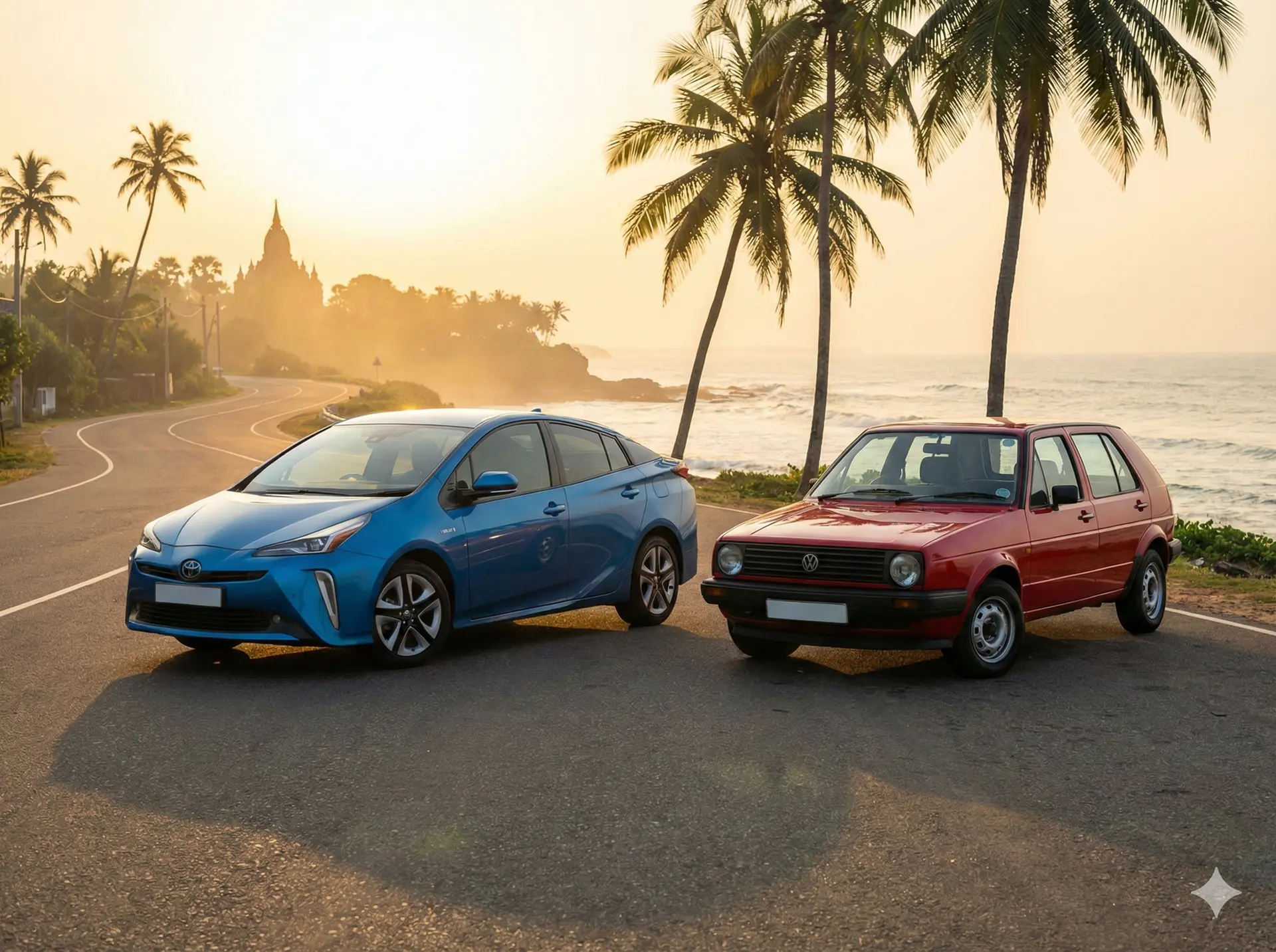
Hybrid vs Petrol Cars: Best Choice for Sri Lanka 2026
Comparing hybrid vs petrol cars in Sri Lanka for 2026. Discover real fuel costs, maintenance expenses, and which option suits your driving needs best.