Camping Experiences in Sri Lanka’s National Parks: What to Expect
Imagine waking up to the rustle of leaves, the distant call of a wild peacock, and the golden sunrise over Sri Lanka's untamed wilderness. That's the thrill of camping in our national parks, where you
The Lankawebsites editorial team curates, fact-checks, and updates guides on personal finance, property, health, immigration, legal, business, and lifestyle topics relevant to Lankawebsites readers. Articles are produced with AI assistance and reviewed by the editorial team before publication.
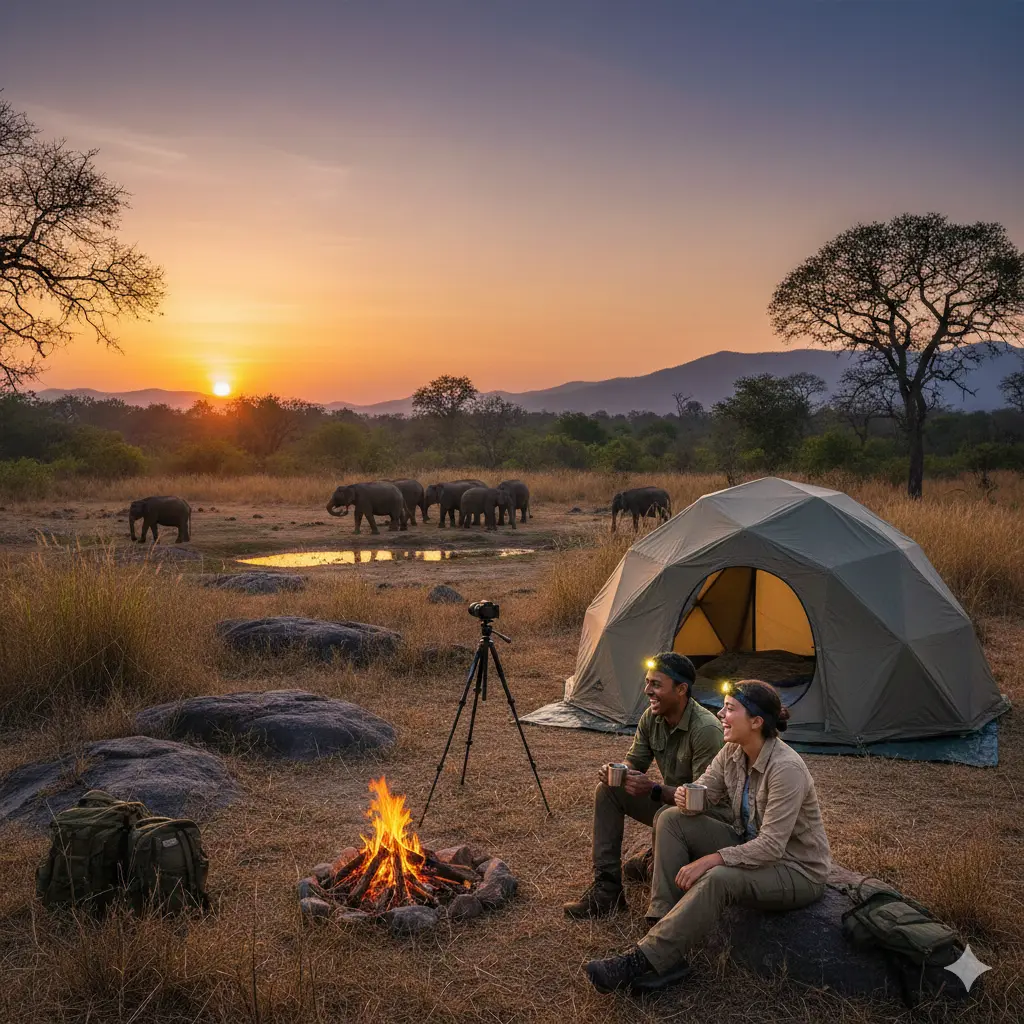
Imagine waking up to the rustle of leaves, the distant call of a wild peacock, and the golden sunrise over Sri Lanka's untamed wilderness. That's the thrill of camping in our national parks, where you can truly escape the city chaos and reconnect with nature right here at home.
Whether you're a seasoned camper from Colombo or a family from Kandy planning your first adventure, Sri Lanka's national parks offer unforgettable **camping experiences**. From spotting leopards in Yala to elephants in Udawalawe, these trips blend adventure, wildlife spotting, and starry nights under the open sky. In this guide, we'll cover everything you need to know for 2026—what to pack, where to go, park rules, and tips to make your trip safe and smooth.
Why Camp in Sri Lanka’s National Parks?
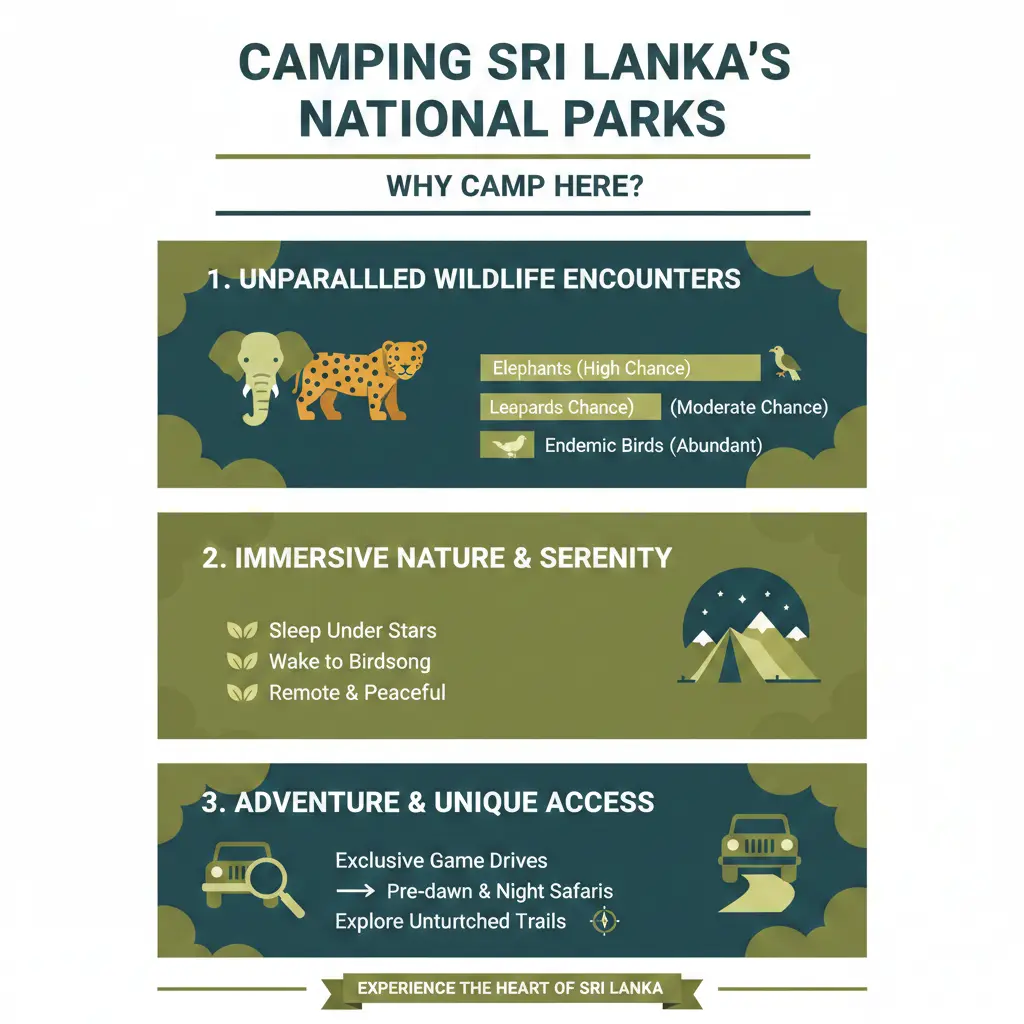
Our island's 26 national parks and reserves are biodiversity hotspots, home to elephants, leopards, sloth bears, and over 400 bird species. Camping lets you immerse yourself deeper than a day safari—hear nocturnal animals, watch dawn patrols, and feel the pulse of the wild.
It's not just about thrills; it's practical too. Camping saves money compared to lodges, teaches self-reliance, and supports conservation—your fees help the Department of Wildlife Conservation (DWC) protect these areas. Plus, with rising eco-tourism, 2026 sees more organised sites blending tents with basic glamping for comfort.
Top National Parks for Camping
- Yala National Park: Famous for leopards (no tigers here, so they're bold and daytime-active) and elephants. Block 1 is leopard central but crowded; try Block 5 for quiet vibes with riverine forests and reservoirs.
- Wilpattu National Park: Dense forests and lakes (villus) teeming with leopards and sloth bears. Fewer crowds, perfect for birdwatchers.
- Udawalawe National Park: Elephant heaven with huge herds at waterholes. Great for families and photographers.
- Sinharaja Forest Reserve: UNESCO site for endemic birds and rainforest camping. More hiking-focused, less safari jeeps.
Each park has unique ecosystems—dry scrub in Yala, monsoon forests in Wilpattu—making every trip different.
How to Book Your Camping Trip in 2026
Don't just show up—planning is key. All camping requires advance reservations through official channels to avoid disappointments.
Step-by-Step Booking Process
- Check Availability Online: Use the DWC portal at dwc.lankagate.gov.lk. Select your park and date; it shows remaining slots.
- Enter Group Details: Include everyone—drivers, guides, even kids. Provide NIC, mobile, and email for SMS/email confirmations.
- Pay and Print: Fees start at LKR 500-2000 per adult local (2026 rates; check site for updates). Print your permit and receipt—mandatory at gates.
- Reserve Camping Site: Book via DWC or authorised operators. No walk-ins; sites fill fast, especially weekends.
For safaris, hire licensed 4x4 jeeps only—no private cars. Mandatory DWC ranger joins every vehicle to enforce rules and spot wildlife. Budget LKR 10,000-25,000 for jeep + guide per day (locals get discounts).
Best Times to Visit
- Dry season (May-Oct): Best visibility, active animals at waterholes.
- Avoid Yala's annual closure (Sep 1 to mid-Oct) for rejuvenation; Block 5 stays open.
- Monsoon (Oct-Dec): Lush but rainy; fewer crowds.
What to Expect: A Day in the Life of a Camper
Your adventure starts at the gate with your printed permit. A ranger briefs you on rules: stay in zones, no littering, no flash photography.
Daily Rhythm
Morning: 5:30 AM jeep safari—spot leopards on rocks or elephants bathing. Guides share insights on habitats.
Day: Guided walks (where allowed), birdwatching, or relax at camp. Basic facilities: no mains electricity, but solar lights and toilets.
Evening: Sunset safari, campfire stories, stargazing. Nights bring jackals' calls and glowing eyes.
Camps offer tent pitches or glamping pods. Expect shared ablutions, campfire cooking—pack your stove as firewood is restricted.
Essential Packing List for Local Campers
Pack light but smart. Here's what you'll need:
- Basics: Waterproof tent, sleeping bag (nights cool to 20°C), mat, torch/headlamp.
- Clothing: Light, long sleeves for bugs; hat, sturdy shoes. Neutral colours blend in.
- Health Kit: Repellent (DEET 30%), mosquito net, first aid, malaria tabs if rural long-stay.
- Food & Gear: Cooler, stove, water purifier (boil park water), dry foods. No plastics—leave no trace.
- Tech: Power bank, camera with zoom. Binoculars essential.
- Safety: Whistle, multi-tool, park map app.
Pro tip: Rent gear from Colombo outfitters like Campers Lanka for LKR 2000-5000 per set.
Park Rules, Safety, and Regulations
Safety first—wildlife is unpredictable. Follow DWC rules strictly:
- Stay in vehicle except with guide's OK. Maintain 50m from animals.
- No feeding, touching, or littering. Wild camping banned; use designated sites.
- Mandatory ranger; report issues to DWC hotline: 1926.
- Health: Bug spray, tick checks post-hike. Avoid undercooked meat, animal contact.
- Overtourism fixes: Yala caps jeeps at 500; avoid "jeep jams" in Block 1.
"Always maintain a safe distance when observing wildlife—only exit a vehicle when a professional guide or warden says it’s safe."
Locals get concessional fees; kids under 6 free. Penalties for violations: fines up to LKR 50,000 or bans.
Costs Breakdown for 2026 (Local Rates)
| Item | Estimated Cost (LKR) |
|---|---|
| Park Entry (Adult) | 500-2000/day |
| Jeep + Guide | 10,000-25,000/day (shared) |
| Camping Site | 1000-3000/night |
| Food/Fuel | 2000-5000/trip |
| Total (2D1N, 4 pax) | 25,000-50,000 |
Rates include 15% VAT; book early for deals. Ethical operators prioritise welfare over crowds.
Practical Tips for an Epic Trip
- Go midweek for solitude.
- Combine with nearby sites: Sithulpawwa Temple near Yala.
- Family-friendly: Udawalawe has open views, less scary.
- Eco-tip: Use reusable everything; support DWC conservation.
- Weather app: Check for monsoons.
- Transport: Bus to Tissamaharama, then jeep transfer.
Ready to Pitch Your Tent?
Sri Lanka's national parks await with raw beauty and wildlife wonders. Start by checking DWC availability today, pack smart, and respect our wild home. Your camping story starts now—book that permit and create memories that'll last a lifetime. Happy camping, Lanka!
Frequently Asked Questions
Sources & References
-
1
Camping & Safaris in Sri Lanka - Excursions — www.srilankaclassytours.com
-
2
The Ultimate 2026 Yala National Park Safari and Travel Guide — www.yalawildlife.com
-
3
Travel advice and advisories for Sri Lanka — travel.gc.ca
-
4
Camping Options? - Sri Lanka Forum — www.tripadvisor.com
-
5
Reservation of Day Visitor Permit — DWC Official Portal — dwc.lankagate.gov.lk
-
6
Camping in Sri Lanka: Is it possible and safe? — www.guide-srilanka.fr
Related Articles
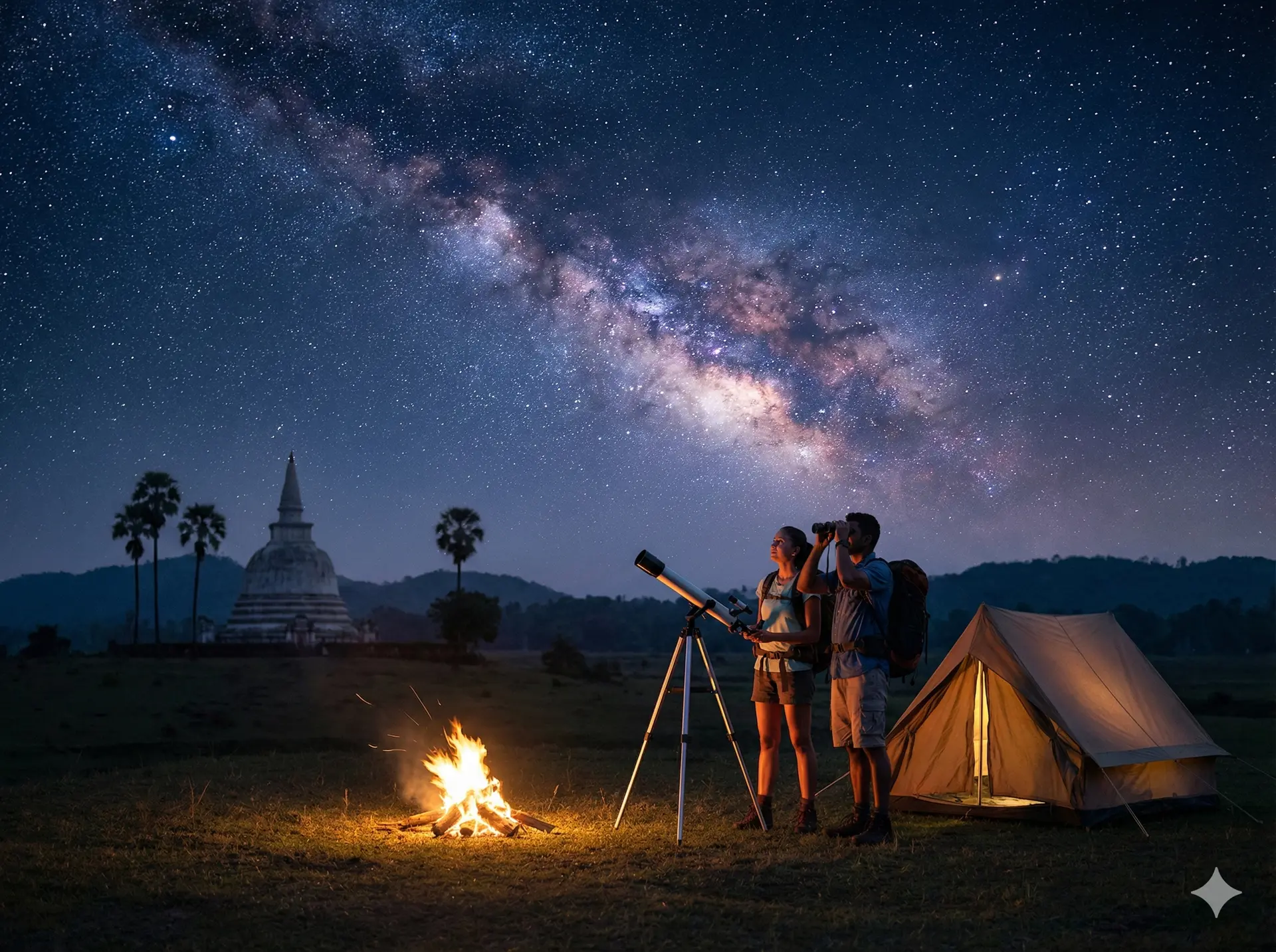
Stargazing & Astro Tourism in Sri Lanka: Dark Sky Spots Around the Island
Imagine lying back on a cool hillside in the central highlands, far from Colombo's glow, as the Milky Way unfurls like a river of diamonds across the sky. That's the magic of stargazing in Sri Lanka—w

Yala vs Wilpattu: Which National Park Is Best for Safaris?
Imagine rumbling through the bush in a 4x4 jeep at dawn, the air thick with anticipation as a leopard's spots flash in your headlights. That's the thrill of a Sri Lankan safari, and right here in our
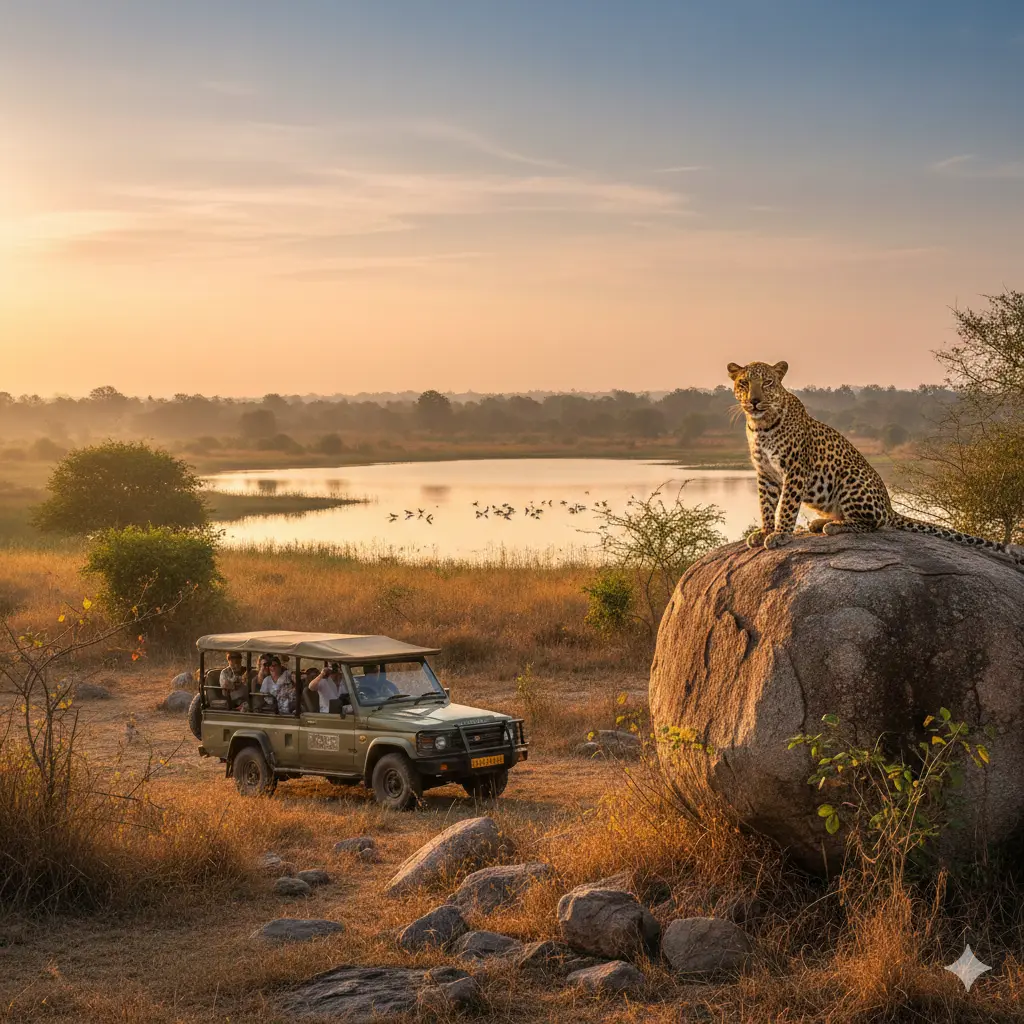
Complete Guide to Yala National Park: Safaris, Seasons & Leopard Chances
Imagine the thrill of spotting a leopard lounging on a rocky outcrop at dawn, or a herd of wild elephants quenching their thirst at a shimmering lagoon—that's the magic of Yala National Park, right he
Whale Watching in Sri Lanka: Mirissa vs Trincomalee Compared
Sri Lanka's southern and eastern coasts have emerged as world-class whale watching destinations, but each location offers distinct advantages depending on what you're seeking. Whether you're planning