Stargazing & Astro Tourism in Sri Lanka: Dark Sky Spots Around the Island
Imagine lying back on a cool hillside in the central highlands, far from Colombo's glow, as the Milky Way unfurls like a river of diamonds across the sky. That's the magic of stargazing in Sri Lanka—w
The Lankawebsites editorial team curates, fact-checks, and updates guides on personal finance, property, health, immigration, legal, business, and lifestyle topics relevant to Lankawebsites readers. Articles are produced with AI assistance and reviewed by the editorial team before publication.
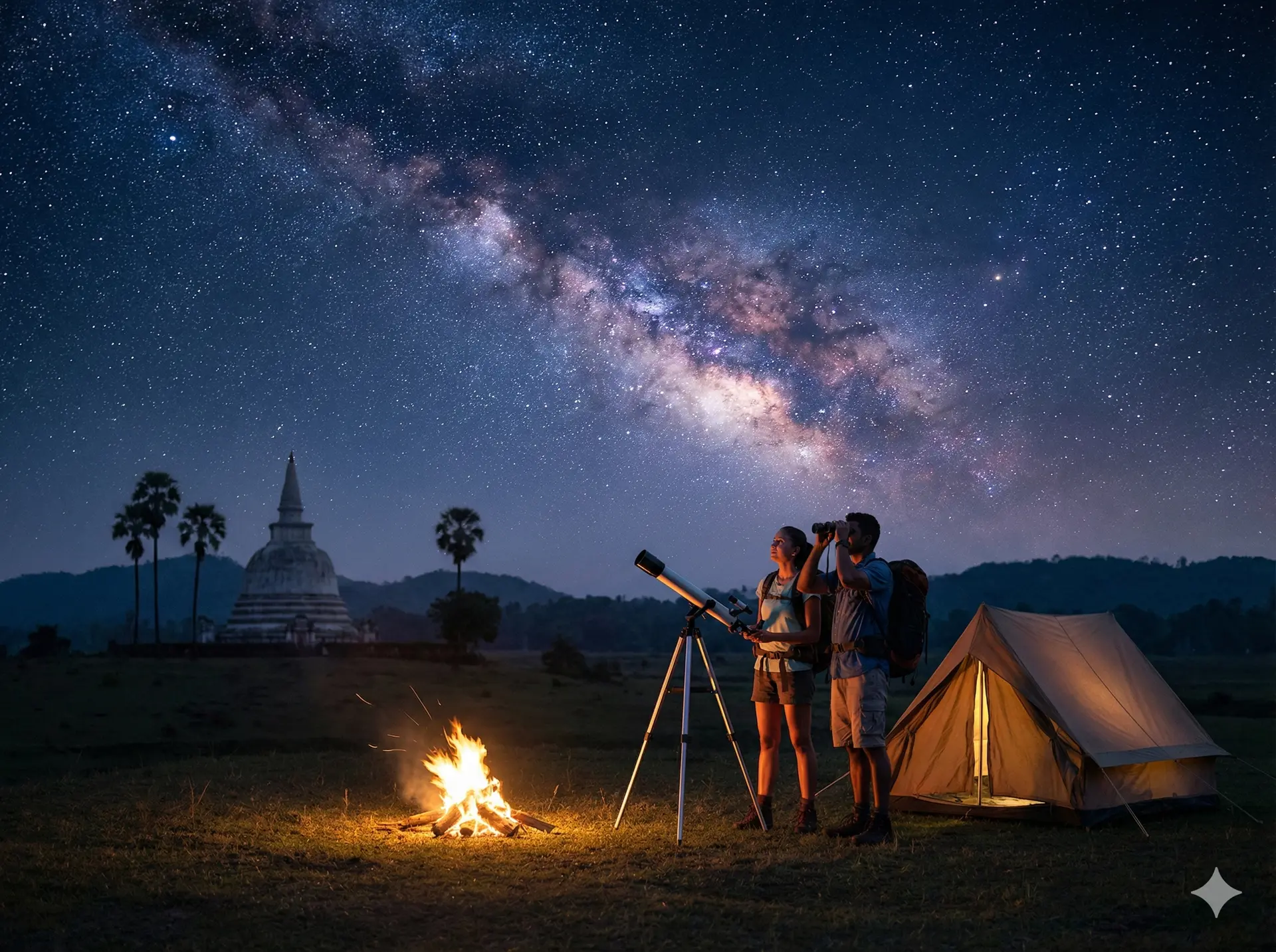
Imagine lying back on a cool hillside in the central highlands, far from Colombo's glow, as the Milky Way unfurls like a river of diamonds across the sky. That's the magic of stargazing in Sri Lanka—we've got some of the darkest skies in South Asia right here on our island, perfect for locals looking to escape the daily grind and connect with the cosmos.
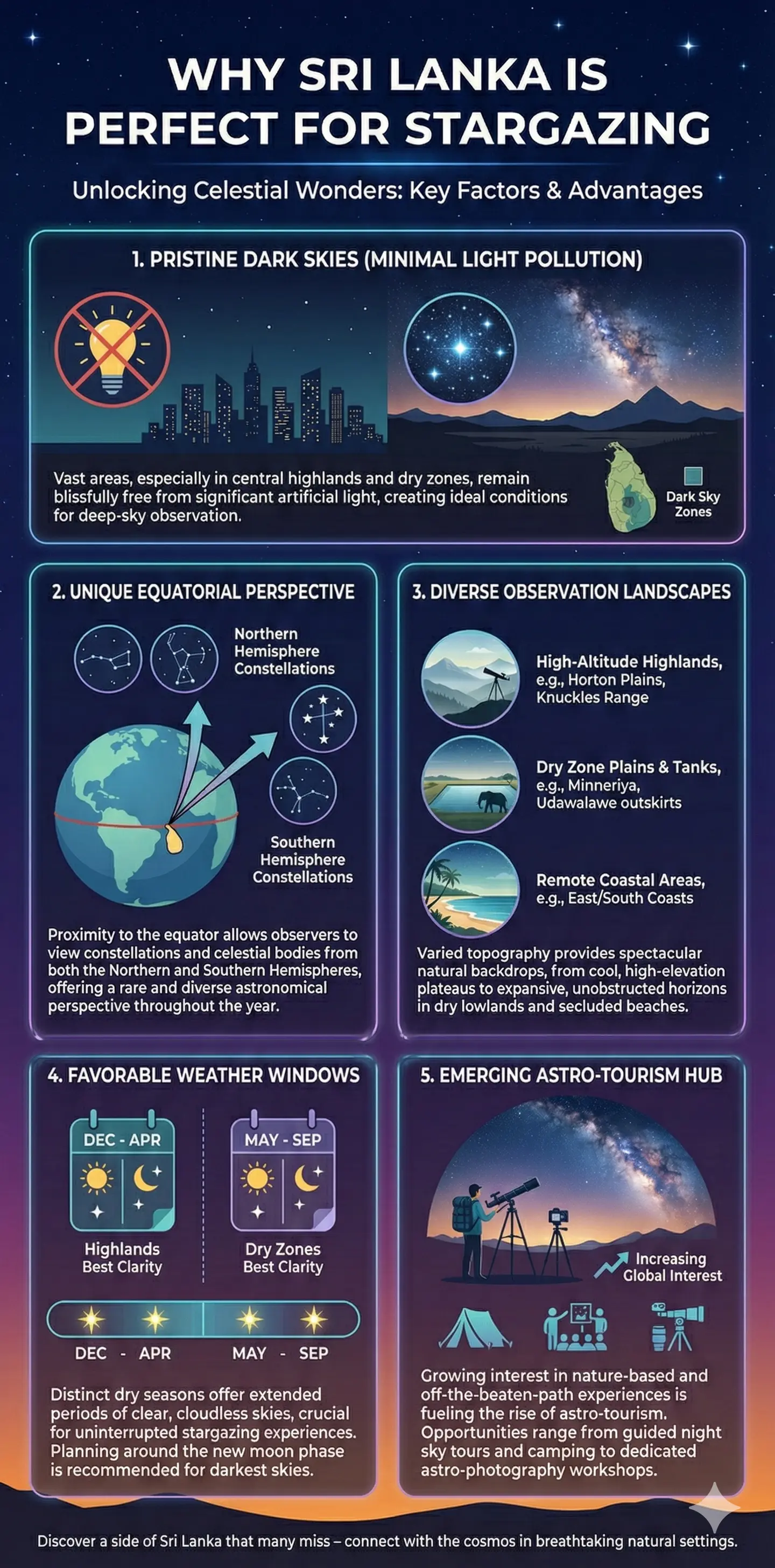
Our equatorial position means you'll spot both northern and southern hemisphere constellations throughout the year, from the Southern Cross to Orion's Belt.Stargazing & Astro Tourism in Sri Lanka is booming, with pristine dark sky spots that rival anywhere else. Whether you're in Nuwara Eliya or the dry zone, these locations offer clear views away from light pollution. Let's dive into the best spots, tips, and everything you need to plan your night under the stars.
Why Sri Lanka is Perfect for Stargazing
Sri Lanka's varied terrain—from misty mountains to flat plains—creates ideal conditions for astro tourism. High elevations reduce atmospheric distortion, while remote areas keep light pollution low. According to the Dark Site Finder map, much of our central highlands and north-central regions show Bortle Class 2-4 skies, where the Milky Way shines brightly. The Light Pollution Map for 2026 confirms trends, with rural spots holding steady against urban sprawl.
Our dry seasons bring clearer skies, and with minimal development in national parks, these sites stay dark. Plus, it's budget-friendly for locals—no need for international trips when we've got world-class views at home.
Top Dark Sky Spots Around the Island
We've scouted the best locations based on elevation, low light pollution, and accessibility. Focus on these for your next astro adventure.
Horton Plains National Park
At over 2,000 metres, Horton Plains offers crisp air and flat plateaus perfect for setups. The World's End escarpment provides panoramic views, and low population density means Bortle Class 2 skies—ideal for spotting galaxies. After a day hike, stay till dusk; the Milky Way reflection in nearby bakes is stunning.
Practical tips: Enter via Ohiya or Pattipola (park fees LKR 3,600 for adults in 2026, via Department of Wildlife Conservation). Camp with permits only—book ahead at DWC site. Use a 4x4 for the rough last 10km; avoid misty nights.
Knuckles Mountain Range
This UNESCO site in Matale District boasts rugged peaks with unobstructed horizons. Remote ridges like Pitawala Paththara deliver dark skies amid biodiversity hotspots. Expect meteor showers without city haze.
Getting there: Drive from Kandy (2-3 hours); hire a local guide (LKR 5,000/day) for trails. Guesthouses in Teldeniya area are astro-friendly. Check weather—mists roll in post-monsoon.
Minneriya National Park & Dry Zone
Famous for elephant gatherings, Minneriya's flat expanses and reservoirs reflect starlight beautifully during dry months. Outside park boundaries, Bortle Class 3 skies prevail, far from Polonnaruwa lights. Pair it with a day safari.
Access: Park closes at 6:30 PM (fees LKR 1,440/adult 2026); stargaze from nearby eco-lodges. Own transport essential—no buses after dark.
Other Hidden Gems
- Nilaveli & Pigeon Island area: East coast beaches with horizon views; low pollution in off-season.
- Yala & Bundala National Parks: Southern dry zones for wide skies; elephant neighbours optional.
- Adam's Peak (pre-dawn): Summit trails lead to epic pre-sunrise shows, but crowds thin post-pilgrimage.
Use the Light Pollution Map to scout: zoom into our island for real-time Bortle readings.
Best Times for Stargazing in Sri Lanka
Dry seasons rule: December-March (southwest) and May-September (northeast) for clearest skies. Avoid full moons—check lunar phases on apps like Stellarium. Prime hours: 10 PM-midnight, when Earth's shadow darkens the sky further.
Key 2026 events:
- Perseids (Aug): Peak from Knuckles.
- Geminids (Dec): Horton Plains spectacular.
- Orionids (Oct): Dry zone horizons.
Gear Up: Equipment for Local Stargazers
You don't need pro kit to start—our skies forgive beginners.
- Essentials: Red flashlight (preserves night vision, LKR 500 at Abans), blanket, hot tea thermos.
- Beginner: Binoculars (10x50, LKR 5,000); apps like SkySafari (free tier).
- Advanced: Portable telescope (Dobsonian 6-inch, LKR 50,000 from local dealers); star tracker for photos.
- Photography: DSLR/mirrorless with wide lens (14mm); Exposure Calculator on Light Pollution Map adjusts for Bortle class.
Rent gear from Colombo hobby shops or join meetups via Facebook groups like "Sri Lanka Stargazers".
Planning Your Astro Trip: Practical Advice
Transport: 4x4 SUV vital for highlands (rent from LKR 15,000/day via Drive Lanka). Public buses stop early; trains to Nuwara Eliya then taxi.
Safety & Laws: No night driving in parks without permits (DWC rules). Watch for leeches/elephants; inform someone of plans. Eco etiquette: pack out rubbish, dim lights.
Weather Check: Met Department app for forecasts; high areas cloud-prone.
Group Up: Join Sri Lanka Astronomy Association events for guided nights—safe and social for families.
Challenges and How to Overcome Them
Light pollution creeps from cities, but 2026 maps show highlands stable. Clouds? Have backups like Minneriya. Bugs/mosquitos? Repellent and nets. Cost? Day trip from Kandy: LKR 10,000 for fuel/park fees/group of 4.
Ready to Chase the Stars?
Sri Lanka's dark skies are our hidden treasure—grab your gear, pick a spot, and make astro tourism your next weekend escape. Start small: download a sky app tonight, then book a dry season trip. Connect with fellow stargazers online, respect our parks, and you'll create memories that'll outshine any city lights. Clear skies ahead!
Frequently Asked Questions
Sources & References
- 1
-
2
Dark Site Finder Map — darksitefinder.com
-
3
Light Pollution Map | Bortle Scale & Dark Sky (2026) — lightpollutionmap.app
-
4
Sri Lankan Skies - International Planetarium Society — www.ips-planetarium.org
-
5
Department of Wildlife Conservation Official Site — www.dwc.gov.lk
Related Articles

Yala vs Wilpattu: Which National Park Is Best for Safaris?
Imagine rumbling through the bush in a 4x4 jeep at dawn, the air thick with anticipation as a leopard's spots flash in your headlights. That's the thrill of a Sri Lankan safari, and right here in our
Complete Guide to Yala National Park: Safaris, Seasons & Leopard Chances
Imagine the thrill of spotting a leopard lounging on a rocky outcrop at dawn, or a herd of wild elephants quenching their thirst at a shimmering lagoon—that's the magic of Yala National Park, right he
Whale Watching in Sri Lanka: Mirissa vs Trincomalee Compared
Sri Lanka's southern and eastern coasts have emerged as world-class whale watching destinations, but each location offers distinct advantages depending on what you're seeking. Whether you're planning
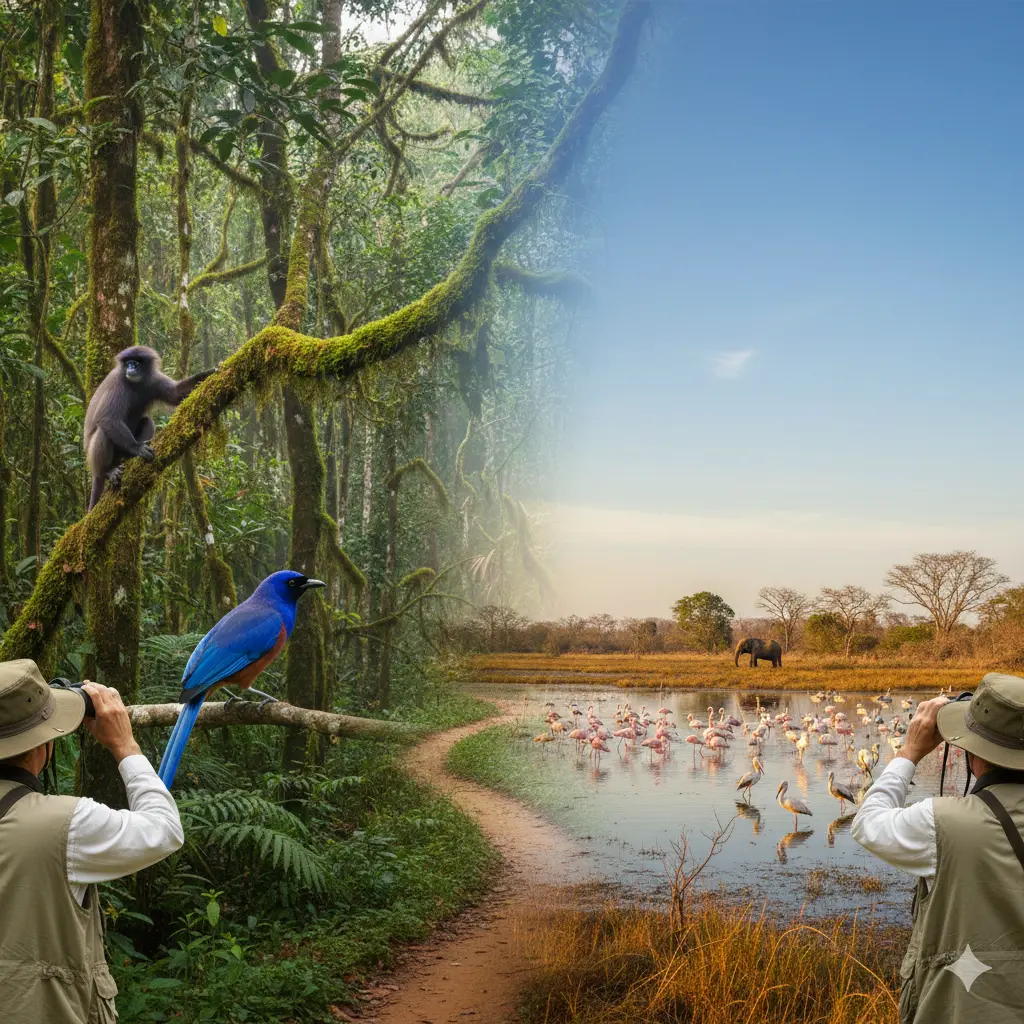
Birdwatching Hotspots in Sri Lanka: From Sinharaja to Bundala
Sri Lanka's lush rainforests, misty highlands, and coastal wetlands teem with over 430 bird species, including 34 endemics that make our island a birder's paradise.Birdwatching hotspots in Sri Lanka l