Marco Polo Called Sri Lanka the Finest Island
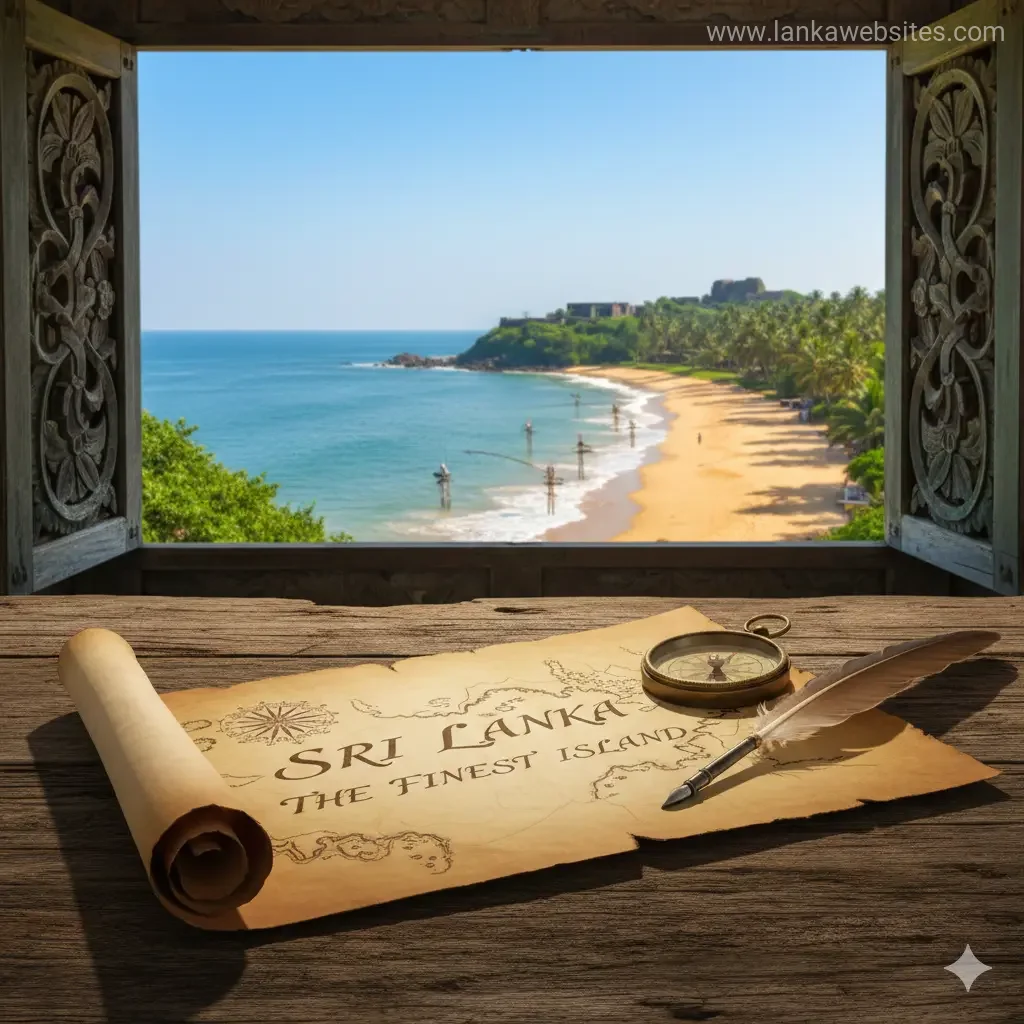
Imagine standing on the shores of Jaffna or gazing at the misty hills of Ella, knowing that over 700 years ago, a Venetian explorer sailed these waters and declared our island the finest of its size i
The Lankawebsites editorial team curates, fact-checks, and updates guides on personal finance, property, health, immigration, legal, business, and lifestyle topics relevant to Lankawebsites readers. Articles are produced with AI assistance and reviewed by the editorial team before publication.
Imagine standing on the shores of Jaffna or gazing at the misty hills of Ella, knowing that over 700 years ago, a Venetian explorer sailed these waters and declared our island the finest of its size in the world. Marco Polo's words about Sri Lanka—then known as Seilan—have echoed through history, captivating travellers and locals alike. Today, in 2026, as we cherish our UNESCO heritage sites and pristine beaches, let's uncover why Polo was so enchanted and how you can experience that magic yourself.
Who Was Marco Polo and Why Did He Visit Sri Lanka?
Marco Polo, the famed 13th-century Venetian merchant and explorer, documented his epic journeys across Asia in his book The Travels of Marco Polo. Around 1300 CE, on his return from China, he passed through the Indian Ocean and described Seilan (our Sri Lanka) in glowing terms.Marco Polo called Sri Lanka the finest island of its size in all the world, praising its vast girth, riches, and unique produce.
Polo likely never set foot on the island himself but gathered accounts from sailors and traders at ports like Jaffna. His narrative places Seilan 1,000 miles south-west of the Andaman Islands, with a circumference of 2,400 miles—far larger than our actual 700 miles today, showing the maps of his era were imaginative at best. Historians link his visit to the reign of King Parakrama Bahu III (1287-1293) in Polonnaruwa, a time when our kingdom stood independent, paying tribute to no one.
The King 'Sendemain' and a Free Nation
Polo mentioned a ruler called Sendemain—possibly a twist on the Tamil 'Sandamann'—who governed idol-worshippers (Hindus) thriving on rice, milk, meat, sesame oil, and tree wine like toddy from palmyra or coconut palms. In Jaffna, where Polo's ship may have docked, palmyra toddy remains a cultural staple. Watch skilled tappers scale trees at dusk, a sight unchanged since medieval times.
"On leaving the island of Andaman and sailing for 1,000 miles a little south of west, you come to the island of Seilan, which is undoubtedly the finest island of its size in all the world."
This independence Polo noted aligns with our resilient history, from ancient hydraulic civilisations to modern sovereignty.
Marco Polo's Description of Sri Lanka's Treasures
Polo wasn't just poetic; he detailed Sri Lanka's wonders with a merchant's eye. He raved about the island's extraordinary girth, once even larger per old charts, and its unparalleled beauty. Central to his awe was the king's ruby: "a palm in length, as thick as a man’s arm... the most resplendent object upon earth."
Gems, Elephants, and Tree Wine
- Gems: Polo highlighted Sri Lanka's mines yielding the world's finest rubies, sapphires, and topazes. In 2026, Ratnapura remains our gem capital—visit the National Gem and Jewellery Authority for ethical sourcing under government regulations.
- Elephants: He described capturing wild elephants by digging pits, a method still echoed in cultural tales. Kandy's Esala Perahera in July-August showcases tuskers like Nadungamuwa Raja, drawing thousands.
- Tree Wine: Toddy from palms impressed Polo. In the North, try palmyra arrack; in the South, coconut variants. It's regulated by the Excise Department—consume responsibly to avoid fines up to LKR 50,000.
These accounts warn us against tourism hype: some sites misquote Polo as calling Sri Lanka "the finest island in the whole world," omitting nuances.
Marco Polo's Legacy in Modern Sri Lanka
In 2026, Polo's praise fuels our tourism boom. Post-2009 peace and 2022 recovery, visitor numbers hit 2.3 million last year, per Sri Lanka Tourism Development Authority (SLTDA). His words adorn brochures, from Colombo's Beira Lake hotels to Passikudah's untouched beaches.
From Cultural Triangle to Hill Country
Explore sites Polo evoked:
- Sigiriya Lion Rock: A 5th-century marvel with sheer cliffs and water gardens—climb 1,200 steps for panoramic views. Entry: LKR 4,500 for foreigners, LKR 50 for locals (2026 rates).
- Polonnaruwa: Parakrama Bahu III's era—rent bikes (LKR 500/day) to tour Gal Vihara's Buddha carvings.
- Lipton's Seat: In Haputale, survey seven provinces like Sir Thomas Lipton did. Free entry, perfect for picnics.
For locals, these are weekend escapes. Use the SLTDA app for 2026 festivals and road updates via 1919 helpline.
Practical Tips: Relive Marco Polo's Sri Lanka
As a local, rediscover our island through Polo's lens with these actionable steps:
Plan Your Polo-Inspired Road Trip
- Northern Ports (Jaffna): Start at Nallur Kandaswamy Temple, taste palmyra toddy at licensed taverns. Bus from Colombo: LKR 2,500 return (2026).
- Cultural Triangle: Stay in Habarana eco-lodges (LKR 15,000/night). Book via SLTDA portal for discounts.
- Hill Country: Train to Ella (2nd class: LKR 1,200). Hike Little Adam's Peak at dawn.
- East Coast: Passikudah beaches for snorkelling—SLTDA-certified operators ensure safety amid monsoons.
2026 Travel Essentials
- Download ETA app for quick permits if needed.
- Respect wildlife: No feeding elephants; fines LKR 10,000 under Fauna and Flora Protection Ordinance.
- Sustainable tourism: Use reusable bottles—plastic bans enforced island-wide since 2017.
- Budget: LKR 20,000 covers a 5-day trip for two, excluding fuel (LKR 400/litre petrol).
Photography tip: Capture Sigiriya at golden hour, like Polo's ruby.
FAQ
Did Marco Polo actually visit Sri Lanka?
Likely not—he relied on traders' tales at ports like Jaffna around 1300 CE.
What did Marco Polo call Sri Lanka?
Seilan, praising it as the finest island of its size in all the world.
Is the giant ruby Polo described real?
Possibly exaggerated, but Sri Lanka's Ratnapura gems are world-renowned.
Where can locals experience Polo's 'tree wine' today?
Jaffna for palmyra toddy or Southern coconut groves—check Excise Ordinance for legal spots.
How has Sri Lanka changed since Polo's time?
From independent kingdoms to a democratic republic, yet beaches and ruins endure.
Best time for a Polo trail in 2026?
December-April for dry weather; avoid May-October monsoons.
Next Steps: Your Adventure Awaits
Marco Polo's enchantment with Sri Lanka endures because our island blends ancient grandeur with vibrant life. Grab your backpack, fuel up the scooter, and trace his path from Jaffna's ports to Sigiriya's heights. Visit SLTDA for maps, join local history tours via Lanka Websites community forums, and share your snaps with #MarcoPoloSriLanka. Whether it's a family day out or solo reflection, rediscover why he called it the finest—it's ours to cherish.
Related Articles

The Island Has Over 3,000 Years of Recorded History
Introduction to New Zealand's Rich History New Zealand is a country with a fascinating history that spans over 3,000 years, with a rich cultural heritage t

Sri Lanka Has More Elephants Than African Countries Per Square Km
Introduction to Sri Lanka's Elephant Population As you delve into the world of wildlife, you may come across some fascinating facts that will leave you in

Sigiriya Mirror Wall: Ancient Graffiti from 8th Century
Introduction to the Sigiriya Mirror Wall As you explore the ancient ruins of Sigiriya in Sri Lanka, you'll stumble upon a fascinating piece of history - th

The Mahavamsa: One of the World's Longest Historical Chronicles
Introduction to the Mahavamsa The Mahavamsa, which translates to "Great Chronicle" in English, is one of the longest historical chronicles in the