East Coast vs South Coast: Where to Go for the Perfect Sri Lankan Beach Holiday
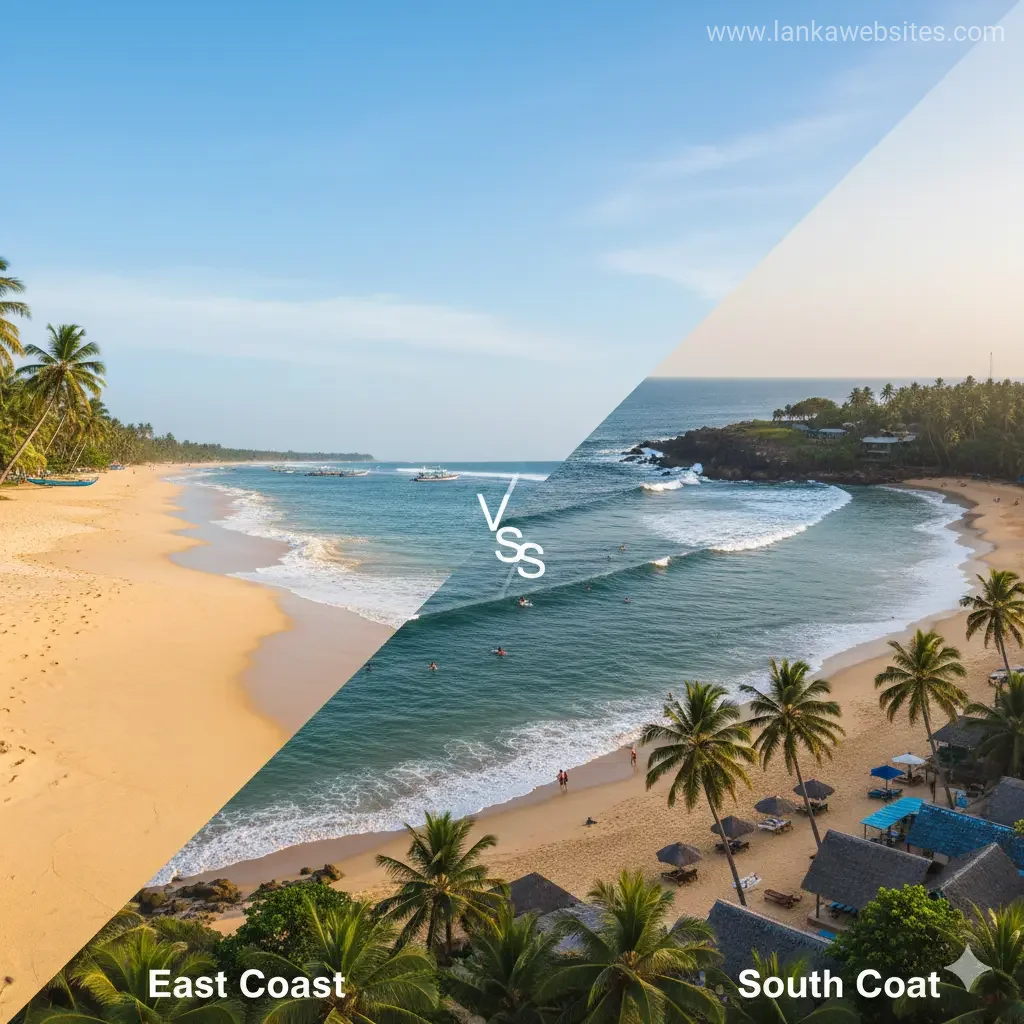
Sri Lanka's coastline is a treasure trove of stunning beaches, but choosing between the East Coast and South Coast can be tricky. Both offer incredible experiences, yet they're remarkably different. T
The Lankawebsites editorial team curates, fact-checks, and updates guides on personal finance, property, health, immigration, legal, business, and lifestyle topics relevant to Lankawebsites readers. Articles are produced with AI assistance and reviewed by the editorial team before publication.
Sri Lanka's coastline is a treasure trove of stunning beaches, but choosing between the East Coast and South Coast can be tricky. Both offer incredible experiences, yet they're remarkably different. The South Coast is more developed and lively, ideal for those seeking activities and nightlife, whilst the East Coast is more tranquil and laid-back, perfect for surfers and nature lovers seeking quieter shores. Whether you're planning a family getaway, a surf adventure, or a peaceful retreat, understanding what each coast offers will help you make the right choice for your perfect beach holiday.
The South Coast: Vibrant, Developed, and Action-Packed
The South Coast is renowned for its diverse beachscapes and well-developed tourism infrastructure. You'll find everything from wide, golden stretches perfect for sunbathing and family fun to rocky outcrops creating natural swimming pools. This region has become increasingly popular with both local and international visitors, offering a lively atmosphere with plenty of restaurants, bars, and water sports facilities.
Top South Coast Beaches
Weligama stands out as the ultimate beginner surf beach, with gentle waves perfect for learning to ride. The long, sandy bay is dotted with colourful fishing boats, adding genuine charm to your experience. It's an excellent choice if you're new to surfing or want to introduce family members to the sport.
Hiriketiya is a trendy, laid-back cove that's become a surfer's paradise with a bohemian vibe and crystal-clear waters. The beach has developed a vibrant social scene with beachfront cafes and accommodation options catering to the backpacker and digital nomad crowd.
Tangalle offers a more tranquil experience further east, with secluded bays like Goyambokka and Silent Beach, perfect for escaping the crowds. Despite being on the South Coast, Tangalle provides a quieter alternative whilst still maintaining good access to amenities.
What Makes the South Coast Special
- More developed infrastructure with a wider range of accommodation, dining, and entertainment options
- Easier access to shops, hospitals, and other services
- Greater variety of water sports and beach activities
- Better road connections to other parts of Sri Lanka
- More nightlife and social scene options
The East Coast: Serene, Authentic, and Unspoilt
The East Coast is characterised by long, sweeping stretches of golden sand and calm, turquoise waters, particularly during its season (roughly May to September). This region offers a more authentic Sri Lankan coastal experience with fewer crowds and a stronger connection to local culture and nature.
Top East Coast Beaches
Arugam Bay is the surfing mecca of Sri Lanka's East Coast, drawing surfers from around the globe with its consistent point breaks. If you're a serious surfer, this is where you'll find the best waves and a dedicated surfing community. The bay has developed a laid-back surfer culture whilst maintaining its peaceful atmosphere.
Passekudah and Kalkudah are twin bays that boast incredibly shallow and calm waters, perfect for swimming, wading, and families with young children. These beaches are ideal if you're looking for safe, gentle waters without the hustle and bustle of more developed beach towns.
What Makes the East Coast Special
- Peaceful, tranquil atmosphere ideal for relaxation
- Off-the-beaten-path experience with authentic local culture
- Excellent for nature lovers and wildlife enthusiasts
- Incredibly calm waters, especially during peak season
- Less crowded beaches and more space to yourself
- Lower cost of living and more budget-friendly accommodation
Comparing the Coasts: A Quick Reference Guide
| Factor | South Coast | East Coast |
|---|---|---|
| Atmosphere | Lively, developed, touristy | Tranquil, laid-back, authentic |
| Infrastructure | Well-developed with many amenities | More basic, fewer facilities |
| Crowds | Generally crowded, especially peak season | Less crowded, more peaceful |
| Surfing | Good for beginners (Weligama) | Excellent for experienced surfers (Arugam Bay) |
| Families | Good infrastructure, varied activities | Calm waters ideal for young children |
| Best Season | Year-round (best Nov–March) | May–September |
| Cost | Generally more expensive | More budget-friendly |
Which Coast Should You Choose?
For Families
Both coasts offer family-friendly beaches. The South Coast has more developed infrastructure and a wider range of activities, making it convenient for families who want easy access to shops, restaurants, and entertainment. However, the East Coast, particularly Passekudah and Kalkudah, offers incredibly calm and shallow waters ideal for young children who're learning to swim. Consider your priorities: convenience and variety (South Coast) or peaceful, safe waters (East Coast).
For Surfers
If you're serious about surfing, the East Coast, especially Arugam Bay, is the surfing hotspot. However, if you're a beginner or want to learn, Weligama on the South Coast is your best bet with its gentle waves and excellent instructors. The choice depends on your skill level and what type of waves you're seeking.
For Tranquility-Seekers
If you prefer peaceful beaches, a relaxed atmosphere, and a more off-the-beaten-path experience, head to the East Coast. It's perfect for nature lovers and those seeking a quieter, more authentic Sri Lankan coastal experience away from the tourist hustle.
For Adventure and Nightlife
The South Coast is your destination if you want a mix of beach time, water sports, restaurants, bars, and nightlife. You'll have plenty of options for evening entertainment and social activities.
Practical Considerations for Your Visit
Getting There
The South Coast is more accessible via the Southern Expressway and has better public transport connections from Colombo. The East Coast requires more travel time and may involve less frequent bus services, though it's still reachable by road. If you're hiring a vehicle, both coasts are accessible, but plan for longer driving times to the East Coast.
Accommodation Options
The South Coast offers everything from luxury resorts to budget guesthouses, giving you flexibility in pricing and comfort levels. The East Coast has fewer options but is developing steadily, with a good range of mid-range and budget accommodation. Booking in advance is recommended, especially during peak season.
Food and Dining
The South Coast has numerous restaurants offering international and local cuisine, with competitive pricing due to the number of establishments. The East Coast has fewer restaurants but offers authentic local food at lower prices. Expect more limited dining variety but genuine Sri Lankan culinary experiences.
Safety and Health
Both coasts are generally safe for tourists. Ensure you have travel insurance and know the location of the nearest hospital. The South Coast has better medical facilities readily available, whilst the East Coast may require travel to larger towns for serious medical needs.
Frequently Asked Questions
Is February a good time to visit either coast?
February is an excellent time for the South Coast, which experiences dry weather during this period. The East Coast can be visited in February, though it's outside the peak season (May–September), so you'll find calmer waters but potentially less consistent waves for surfing.
How long should I spend on each coast?
For the South Coast, 3–5 days allows you to visit multiple beaches and experience the local scene. For the East Coast, 2–4 days is ideal to explore the main beaches and soak in the peaceful atmosphere. Many visitors combine both coasts in a longer trip.
Can I visit both coasts in one trip?
Absolutely! Many visitors spend time on the South Coast first (easier access from Colombo) and then travel to the East Coast. The journey between them takes several hours by road, so plan your itinerary accordingly. A two-week trip allows you to experience both coasts thoroughly.
What's the best way to get around once I'm there?
Renting a vehicle (car with driver or self-drive) offers the most flexibility on both coasts. Alternatively, tuk-tuks and buses are available, though they're more frequent and reliable on the South Coast. For the East Coast, hiring a vehicle is often more convenient given fewer public transport options.
Are the beaches safe for swimming?
Both coasts have safe swimming areas, though conditions vary. Always check local advice, heed warning flags, and be aware of currents. The East Coast's Passekudah and Kalkudah have exceptionally calm, safe waters. The South Coast beaches are generally safe but can have stronger currents in some areas.
What should I pack for either coast?
For both coasts, bring sunscreen (high SPF), a hat, light clothing, swimwear, and reef-safe sunscreen. The South Coast can be more touristy, so you might want smarter casual clothes for restaurants and bars. The East Coast is more laid-back, so casual beachwear is perfectly acceptable everywhere.
Making Your Decision
Your choice between the East and South coasts ultimately depends on what you're seeking from your beach holiday. If you want convenience, variety, and a lively atmosphere with plenty of amenities, the South Coast is your perfect match. You'll enjoy diverse beaches, excellent infrastructure, and plenty of things to do beyond just swimming.
However, if you're craving peace, authenticity, and a genuine connection with Sri Lanka's natural beauty, the East Coast offers an incomparable experience. You'll find yourself on less-crowded beaches, interacting with local communities, and experiencing the island in a more meaningful way.
Many visitors find the best solution is combining both coasts in a longer trip, spending time in the lively South Coast before heading to the serene East Coast for rest and reflection. Whichever you choose, Sri Lanka's beaches promise unforgettable memories and the perfect escape you're seeking.
Related Articles

Ahangama Travel Guide: Surf Breaks, Cafés & Creative Scene
Introduction to Ahangama Ahangama, a small coastal town on the south coast of Sri Lanka, has become a haven for surfers, foodies, and creatives alike. Loc

Talalla Beach: Quiet Bay for Yoga and Digital Nomads
Introduction to Talalla Beach Talalla Beach, located on the southern coast of Sri Lanka, is a hidden gem that has been gaining popularity among yogis, digi

Passikudah & Kalkudah: Shallow Bays & High-End Beach Resorts
Introduction to Passikudah and Kalkudah If you're looking for a unique and unforgettable beach experience, you might want to consider Passikudah and Kalkud

Best Beaches in Sri Lanka: From Unawatuna to Trincomalee
Sri Lanka's coastline stretches over 1,340km, offering everything from golden sands perfect for family picnics to world-class surf breaks that draw adventurers from across the island.[1] Whether you'r