Buddhist Monastic Architecture Through Ages
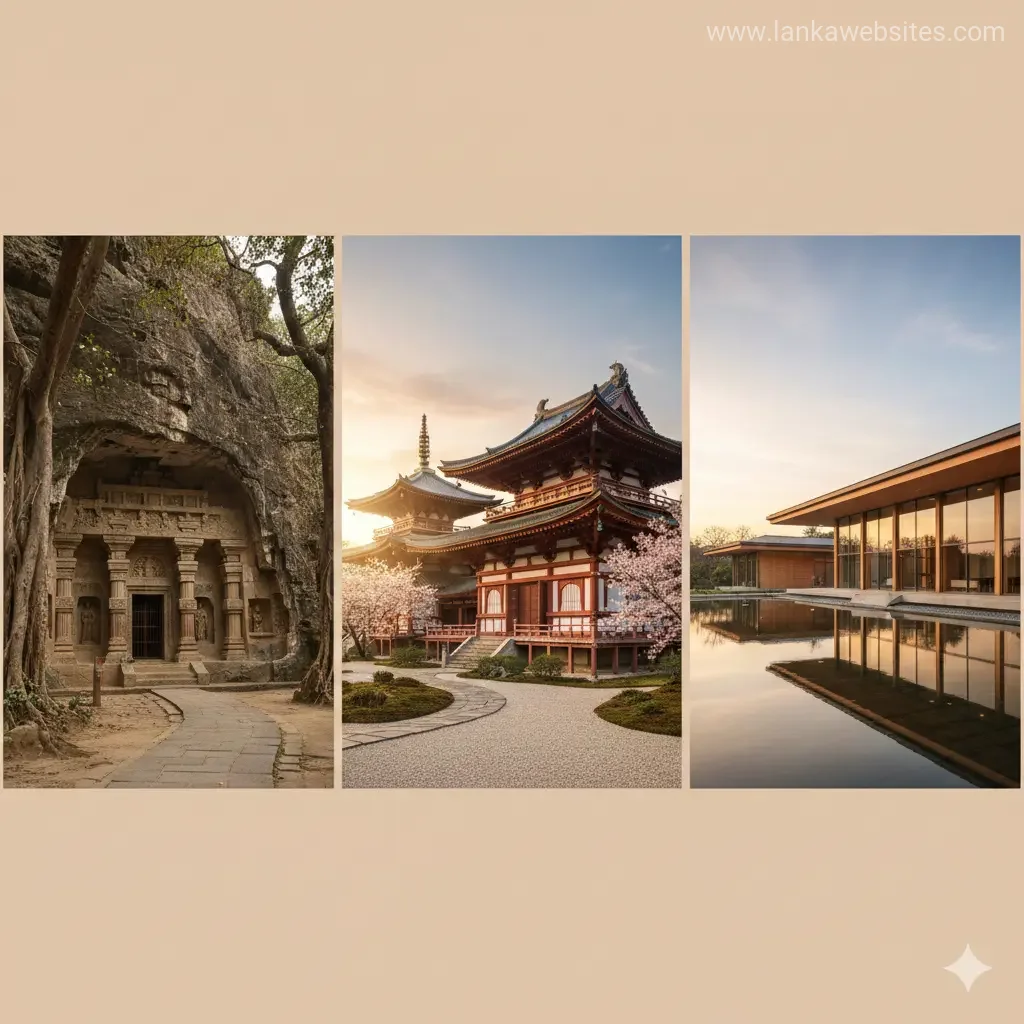
Imagine wandering through the misty hills of Anuradhapura, where ancient stupas rise like silent guardians of our island's spiritual heritage. These monumental structures aren't just stone and brick—t
The Lankawebsites editorial team curates, fact-checks, and updates guides on personal finance, property, health, immigration, legal, business, and lifestyle topics relevant to Lankawebsites readers. Articles are produced with AI assistance and reviewed by the editorial team before publication.
Imagine wandering through the misty hills of Anuradhapura, where ancient stupas rise like silent guardians of our island's spiritual heritage. These monumental structures aren't just stone and brick—they tell the story of how Buddhist monastic architecture evolved over millennia, shaping Sri Lanka's identity from the time of King Devanampiya Tissa in the 3rd century BCE to the vibrant temples we visit today.
Buddhism arrived in Sri Lanka around 250 BCE, brought by Arahat Mahinda, son of Emperor Ashoka, transforming our landscape with viharas, stupas, and image houses that blended Indian influences with local ingenuity. Over the ages, these designs adapted to our tropical climate, royal patronage, and Theravada traditions, creating a unique Sri Lankan style that's UNESCO-protected and draws pilgrims worldwide. Whether you're a local history buff or planning a temple visit, understanding this evolution reveals why sites like Polonnaruwa and Kandy remain living treasures in 2026.
Origins: From Indian Roots to Sri Lankan Foundations
The story of Buddhist monastic architecture through ages begins in the 5th century BCE on the Indian subcontinent, where early forms served monastic, ritual, and commemorative purposes. Stupas—dome-shaped relics mounds—emerged first, symbolising the Buddha's enlightenment, while viharas provided monk residences and chaityas acted as prayer halls.
In Sri Lanka, this architecture took root during the Anuradhapura Kingdom (377 BCE–1017 CE). King Devanampiya Tissa built the Thuparama Stupa, our oldest, enshrining a relic of the Buddha brought by Mahinda. Unlike India's simpler mounds, Sri Lankan stupas like Ruwanwelisaya (built by King Dutugemunu in 140 BCE) feature massive hemispherical domes, square relic chambers, and ornate hatadage (tooth relic houses), designed to withstand monsoons with lime mortar and brick cores.
Key Features of Early Anuradhapura Designs
- Stupas (Dagabas): Evolved from burial mounds to grand reliquaries, up to 100m tall, plastered white and topped with chatras (parasols).
- Viharas: Cave monasteries like Vessagiri, carved into rock with drip-ledges to keep rain out—perfect for our wet zones.
- Image Houses: Simple square chambers for Buddha statues, often with moonstones (sandakada pahana) at entrances symbolising the path to enlightenment.
These innovations reflected Theravada purity, emphasising impermanence over icon worship seen elsewhere.
Golden Age: Polonnaruwa and Medieval Mastery
Shifting south to Polonnaruwa (11th–13th centuries), architecture reached new heights under kings like Vijayabahu I and Parakramabahu I. Here, Buddhist monastic architecture blended Anuradhapura grandeur with South Indian Chola influences from invasions.
The Gal Vihara, carved by Parakramabahu I in the 12th century, showcases four colossal Buddha rock reliefs—standing, seated, reclining, and protected—framed by intricate Brahmi inscriptions. Vatadage enclosures, like those at Medirigiri, protected relics with concentric railings and guard stones, adapting to seismic risks in our dry zone.
Innovations in Polonnaruwa
- Panchavasa (Fivefold Residences): Monastic complexes with separate halls for teaching, debating, and sleeping, as at Lankatilaka Image House.
- Geejara Galge: Elephant-guarded platforms hinting at Mahayana influences before Theravada revival.
- Hetharama Devale: Multi-storey shrines showing vertical experimentation.
By 2026, the Central Cultural Fund (CCF) maintains these under the Antiquities Ordinance No. 9 of 1990, ensuring locals can access them freely while preserving against erosion.
Kandyan Era: Fortified Monasteries Amidst Hills
As kingdoms fragmented, the Kandy Era (1592–1815) saw architecture adapt to defensive needs in central highlands. Temples like the Temple of the Tooth (Sri Dalada Maligawa) combined monastic cells with royal palaces, featuring octagonal stupas and pahata mandapayas (open pavilions) on stone pillars.
Monasteries such as Gadaladeniya and Lankatilaka (14th century, Gampola) fused Sinhalese and South Indian Dravidian styles—curvilinear roofs, towering gopurams, and frescoes depicting Jataka tales. These were built with timber frames over granite bases, ideal for earthquake-prone areas.
In 2026, the Department of Archaeology offers guided tours via their app, helping us appreciate how these sites influenced modern eco-resorts in the Cultural Triangle.
Regional Variations Across Sri Lanka
- Upland (Kandy): Steep-roofed, wood-carved viharas resisting humidity.
- Dry Zone (Anuradhapura): Brick stupas with vast urupola (conical spires).
- South (Galle): Coastal shrines like Rumassala with Portuguese-era fortifications.
Colonial Disruptions and 20th-Century Revival
Portuguese, Dutch, and British rule (1505–1948) damaged many sites, but post-independence revival mirrored global trends. The 20th century saw restorations like Sigiriya's monastic caves and new viharas in Colombo, blending tradition with concrete for urban needs.
In the 1970s–80s, amid civil unrest, temples became refugee centres, prompting resilient designs. Today, in 2026, the Urban Development Authority regulates new builds under the Town & Country Planning Ordinance, mandating heritage impact assessments for monastic expansions.
Modern Expressions: 21st-Century Adaptations
Contemporary Buddhist monastic architecture in Sri Lanka honours the past while facing climate change. Kelaniya Raja Maha Vihara's 2024 expansions use sustainable brick kilns, reducing carbon footprints. Eco-viharas in Sinharaja employ solar panels and rainwater harvesting, visited via the Wild Sri Lanka platform.
For locals, the CCF's 2026 grants support community restorations—apply via archanet.lk for your temple project.
Practical Tips for Exploring and Preserving
- Visit Safely: Use Department of Archaeology passes (Rs. 500/day in 2026) for Cultural Triangle sites.
- Volunteer: Join CCF digs at Yapahuwa—training provided free.
- Photograph Ethically: No drones near stupas per Antiquities Act.
- Home Learning: Download UNESCO's Anuradhapura VR tour app.
FAQ
What’s the oldest Buddhist monastic site in Sri Lanka?
Thuparama Stupa in Anuradhapura, dating to the 3rd century BCE, built by King Devanampiya Tissa.
How does Sri Lankan stupa design differ from Indian ones?
Sri Lankan dagabas are larger, brick-built with plaster, and feature devata statues, unlike India's smaller rock-cut versions.
Can locals contribute to preserving these sites?
Yes, via CCF's adoption programme—donate or volunteer at ccf.lk.
Are there laws protecting Buddhist architecture?
The Antiquities Ordinance (1990) prohibits unauthorised changes; fines up to Rs. 1 million in 2026.
What’s a must-visit for first-timers?
Polonnaruwa's Gal Vihara—rent e-bikes for Rs. 300/hour via tourism.gov.lk.
How has climate change affected these sites?
Rising seas erode coastal viharas; CCF's 2026 Mangrove Shield project counters this.
Preserving Our Legacy: Next Steps for You
Our Buddhist monastic architecture through ages isn't frozen in time—it's a call to action. Start by visiting one site this Vesak: pack water, wear respectful attire, and reflect on impermanence amid these giants. Download the Archaeology Department's app for maps, join local pirivena talks, or support via annual passes. Together, we'll ensure these whispers from Devanampiya Tissa echo for generations. Plan your trip at srilanka.travel today.
Related Articles

The Ancient Kingdom of Ruhuna
Introduction to the Ancient Kingdom of Ruhuna The ancient kingdom of Ruhuna, located in present-day Sri Lanka, is a fascinating piece of history that showc

The Ancient Rajarata (King's Land) Civilization
Introduction to the Ancient Rajarata Civilization The Ancient Rajarata Civilization, also known as the King's Land, is a fascinating and mysterious ancient

Guard Stones and Architectural Elements
Introduction to Guard Stones and Architectural Elements As you wander through the historic sites of New Zealand, you may have stumbled upon intriguing ston

Ancient Forest Monasteries (Aranya Senasana)
Introduction to Ancient Forest Monasteries As you wander through the lush forests of New Zealand, it's easy to imagine a sense of tranquillity and peace th