Gal Oya’s Lake Islands: Safari by Boat Rather Than Jeep
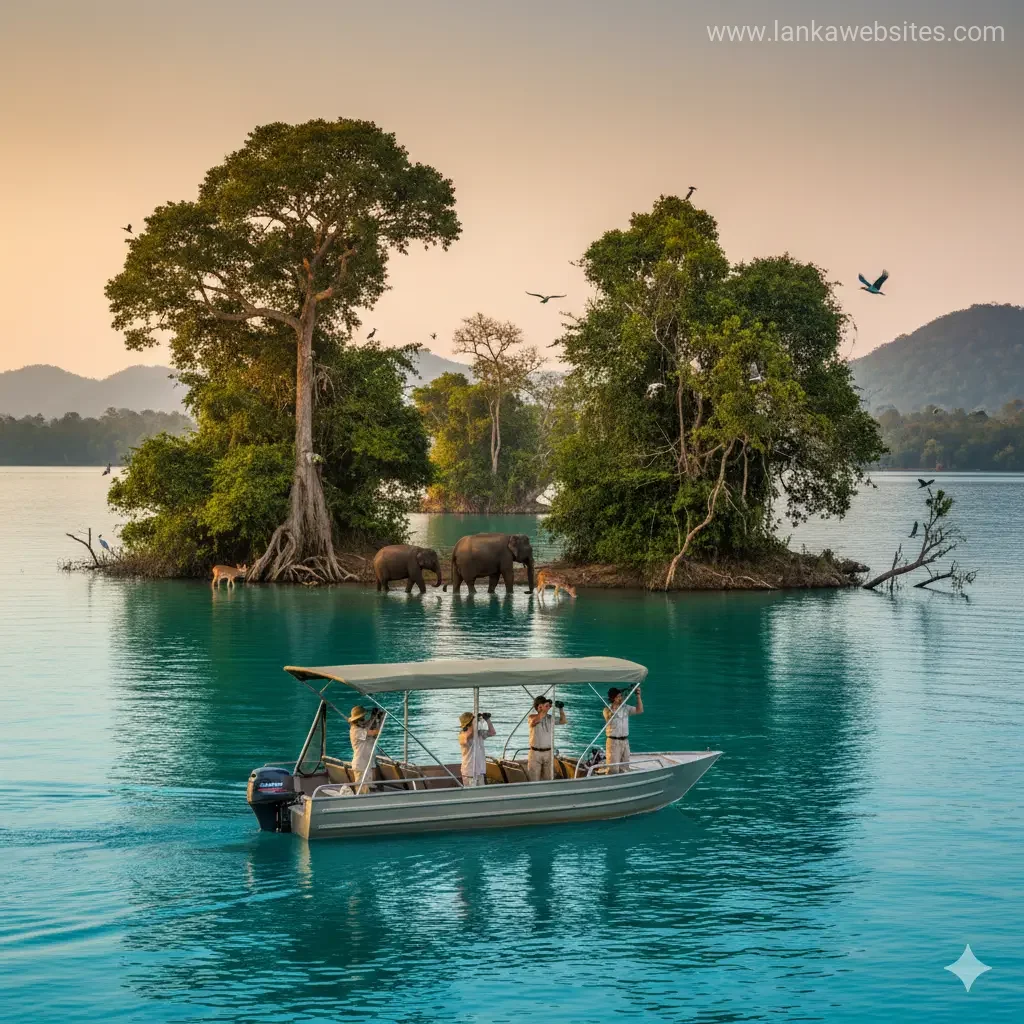
If you're planning a safari in Sri Lanka, you've probably heard about Yala and Wilpattu national parks. But there's a hidden gem in the Eastern Province that offers something completely different – Ga
The Lankawebsites editorial team curates, fact-checks, and updates guides on personal finance, property, health, immigration, legal, business, and lifestyle topics relevant to Lankawebsites readers. Articles are produced with AI assistance and reviewed by the editorial team before publication.
If you're planning a safari in Sri Lanka, you've probably heard about Yala and Wilpattu national parks. But there's a hidden gem in the Eastern Province that offers something completely different – Gal Oya National Park, where you can experience wildlife from the water rather than just a jeep. This unique approach to safari gives you unforgettable encounters with nature that you simply can't get anywhere else in Sri Lanka.
Why Gal Oya's Boat Safari is Different
Gal Oya National Park stands out because it's Sri Lanka's only national park where you can explore by boat. While jeep safaris are the traditional way to experience wildlife in most of our national parks, Gal Oya offers something truly special: the chance to glide across Senanayake Samudraya Lake and witness elephants swimming between islands.
This experience is rare and magical. You won't see elephants swimming in lakes at Yala or Wilpattu – it's unique to Gal Oya. The lake setting creates a completely different atmosphere from a jeep safari. Instead of dust clouds and engine noise, you'll enjoy the tranquil sounds of water and wildlife calls echoing across the reservoir.
The Elephant Swimming Experience
The main draw of a Gal Oya boat safari is watching Asian elephants swim gracefully from one island to another. These magnificent creatures are natural swimmers, and seeing them move through the water is a spectacle you'll never forget. They forage along the water's edge and socialise with other elephants – behaviour that's best observed from the calm vantage point of a boat.
What makes this even more special is that you're likely to have a quieter, more intimate experience. Gal Oya National Park is one of Sri Lanka's least-visited wilderness areas, so you might find yourself as the only boat on the lake – a stark contrast to busier safari parks.
What Wildlife You'll See
Beyond elephants, Gal Oya's waters and surrounding jungle are home to diverse wildlife. During your boat safari, you can expect to spot:
- Leopards
- Bears
- Deer
- Grizzled giant squirrels
- Monkeys and primates
- Crocodiles
- Numerous bird species
The birdlife is particularly impressive. The lake and surrounding jungle attract many species, and if you're a keen birdwatcher, you'll find plenty to see and hear.
Combining Boat and Jeep Safaris
Many visitors choose to experience both boat and jeep safaris during their time at Gal Oya. This combination gives you the best of both worlds. The jeep safaris take you into different sections of the park, including the lesser-known Nilgala area, which was historically preserved by ancient royalty for its medicinal plants and unique birdlife.
If you're planning a visit, we recommend staying at least two nights to fully experience both safari types. This gives you time for a morning boat safari, an afternoon jeep safari, and an evening safari – each offering unique wildlife encounters. However, if you're short on time, you can arrive by lunchtime on your first day, do an evening safari, and a morning safari the next day.
How to Book Your Gal Oya Safari
Accommodation Options
Several lodges operate in the Gal Oya area and offer safari packages. Gal Oya Lodge is a distinctive ecolodge spread over 20 acres of private jungle, while Wild Glamping Gal Oya offers a more adventurous stay. Most accommodation providers include safari access in their packages.
Safari Group Sizes
Boat safaris typically accommodate a maximum of 6 people per boat, whilst jeep safaris also limit groups to 6 people per vehicle. This keeps the experience intimate and ensures minimal disturbance to wildlife.
Duration and Timing
Boat safaris typically last between 2–3 hours. Early morning and evening safaris are generally the best times to spot wildlife, as animals are more active during cooler parts of the day.
Best Time to Visit
October is recommended as an excellent time to visit Gal Oya, as the water level drops and elephants congregate along the shoreline. However, safaris operate year-round, and February (when you're reading this) offers good wildlife viewing opportunities as well.
Getting to Gal Oya National Park
Gal Oya National Park is located in the Eastern Province, in the Ampara district. If you're driving from Colombo, expect a journey of several hours. Many safari operators offer hotel pickups from nearby towns like Arugam Bay, which makes getting there convenient.
The park entrance is at Gal Oya Valley National Park – The Crossing, located in Henebadda. Entry fees are included in most safari packages, so you don't need to worry about additional costs.
What to Expect on Your Boat Safari
Your typical boat safari experience includes:
- Hotel pickup (if you've booked through a tour operator)
- A guided boat journey across Senanayake Samudraya Lake
- Expert guidance from experienced naturalists
- Opportunities to photograph wildlife
- Picnic breakfast or evening snacks (depending on safari timing)
- Return to your hotel or starting point
Most tours are conducted in English with knowledgeable guides who can explain the wildlife behaviour and ecology of the park.
Why Choose Boat Safari Over Traditional Jeep Safaris
Boat safaris offer several advantages for wildlife enthusiasts:
- Less disturbance to wildlife: Animals are generally less stressed by boats on water than by vehicles on land
- Unique viewing angles: You get perspectives of wildlife and landscape that aren't possible from a jeep
- Quieter experience: The peaceful water setting creates a more meditative, immersive nature experience
- Exclusive wildlife encounters: Elephant swimming is unique to Gal Oya
- Fewer crowds: Gal Oya is less visited than major safari parks, offering more solitude
- Authentic wilderness: You're experiencing untouched nature in one of Sri Lanka's hidden gems
Frequently Asked Questions
Is it safe to go on a boat safari in Gal Oya?
Yes, boat safaris in Gal Oya are conducted by experienced operators with trained guides. Safety equipment and protocols are in place. The boats are designed for wildlife viewing and operate on calm lake waters.
Can I see elephants swimming on every safari?
Whilst elephant sightings are common, they're not guaranteed on every safari. Wildlife viewing depends on animal behaviour and seasonal factors. However, you'll see plenty of other wildlife regardless.
How much does a Gal Oya boat safari cost?
Prices vary depending on whether you book accommodation packages or day trips. Most packages include entry fees, guides, and sometimes meals. It's best to check with individual operators for current 2026 pricing.
What should I bring on a boat safari?
Bring binoculars, a good camera, sunscreen, a hat, and insect repellent. Wear neutral-coloured clothing to avoid startling wildlife. Bring a waterproof bag for your valuables, as you'll be on water.
Can families with children do boat safaris?
Yes, boat safaris are suitable for families with children. Tours accommodate ages 0–99, making it an activity the whole family can enjoy together.
How long should I spend at Gal Oya?
We recommend a minimum of two nights to experience both boat and jeep safaris properly. This gives you enough time to truly appreciate the park's unique offerings without feeling rushed.
Planning Your Gal Oya Adventure
If you're looking for a safari experience that's different from the typical jeep-based parks, Gal Oya deserves a place on your Sri Lanka itinerary. It's perfect for nature lovers, photographers, and anyone seeking a more intimate, peaceful wildlife experience.
The combination of boat safaris on Senanayake Samudraya Lake and traditional jeep expeditions gives you the best of both worlds. You'll witness elephants swimming, spot rare wildlife, and experience the tranquillity of one of Sri Lanka's most pristine wilderness areas.
Start planning your visit today. Book your accommodation well in advance – especially if you're visiting during peak season – and prepare for an unforgettable adventure that will remind you why Sri Lanka is such a special destination for wildlife enthusiasts.
Related Articles

Wilpattu Buffer Villages: Community Stays Near the Park
This article references the following sources for accuracy and further reading:

Kilinochchi & Mullaitivu: War History, Lagoons & Emerging Tourism
Introduction to Kilinochchi and Mullaitivu Kilinochchi and Mullaitivu are two towns located in the Northern Province of Sri Lanka, an island nation in the

Avissawella & Seethawaka: Waterfalls & Gardens Near Colombo
Introduction to Avissawella and Seethawaka If you're looking for a relaxing getaway from the hustle and bustle of city life in Colombo, Sri Lanka, then Avi

Top Island Escapes Around Sri Lanka: Delft, Nainativu, Pigeon Island & More
Introduction to Sri Lanka's Island Escapes As a New Zealander, you're likely no stranger to beautiful coastlines and stunning islands. However, if you're