Standing Desk Setup Ideas
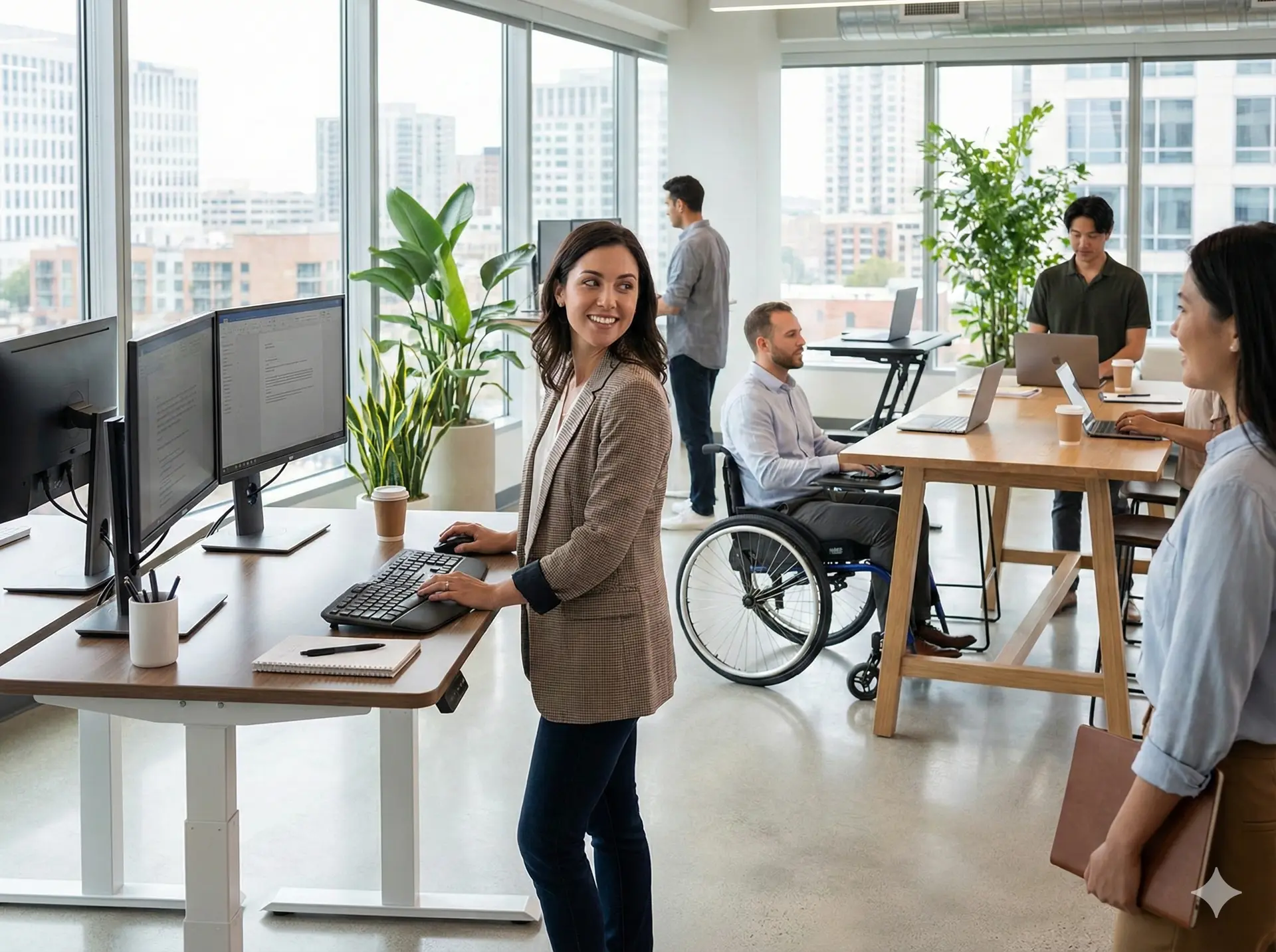
I still remember the day I decided to switch to a standing desk. I had been experiencing back pain and fatigue from sitting for long hours, and a friend had recommended giving standing a try. At first, I was skeptical - wouldn't standing all day be just as tiring? But after doing some research and
The Lankawebsites editorial team curates, fact-checks, and updates guides on personal finance, property, health, immigration, legal, business, and lifestyle topics relevant to Lankawebsites readers. Articles are produced with AI assistance and reviewed by the editorial team before publication.
I still remember the day I decided to switch to a standing desk. I had been experiencing back pain and fatigue from sitting for long hours, and a friend had recommended giving standing a try. At first, I was skeptical - wouldn't standing all day be just as tiring? But after doing some research and investing in a basic standing desk setup, I was amazed at the difference it made. My energy levels increased, my back pain decreased, and I found myself feeling more focused and productive throughout the day. If you're considering making the switch to a standing desk, you're probably wondering where to start. In this article, we'll explore the benefits of standing desks, how to choose the right one, and provide you with practical tips and setup ideas to help you get the most out of your new workspace.
As you read through this article, you'll learn how to create a standing desk setup that works for you, whether you're working from home or in an office. You'll discover the health benefits of standing, how to boost your productivity, and how to choose the right accessories to enhance your experience. By the end of this article, you'll be equipped with the knowledge and inspiration you need to create a comfortable and effective standing desk setup that supports your well-being and helps you achieve your goals.
Introduction to Standing Desks
Standing desks have been gaining popularity in recent years, and for good reason. Studies have shown that sitting for long periods of time can have negative effects on our health, including increased risk of obesity, diabetes, and cardiovascular disease. Standing, on the other hand, can help to improve our posture, reduce back pain, and increase our energy levels. Many people have reported feeling more alert and focused when standing, and some have even seen an improvement in their overall mood.
In addition to the health benefits, standing desks can also boost our productivity. When we're standing, we're more likely to move around and stretch, which can help to increase our circulation and reduce fatigue. This can be especially beneficial for people who spend long hours working on computers, as it can help to reduce the risk of eye strain and carpal tunnel syndrome. Some companies have even reported seeing an increase in employee productivity and job satisfaction after implementing standing desks in the workplace.
For example, a study by the University of Texas found that employees who used standing desks were 54% more likely to report an increase in energy levels, and 45% more likely to report an improvement in their overall mood. Another study by Steelcase found that employees who used standing desks were 32% more likely to report an increase in productivity, and 25% more likely to report an improvement in their overall job satisfaction.

Choosing the Right Standing Desk
When it comes to choosing a standing desk, there are several factors to consider. One of the most important things to think about is the size of the desk. You'll want to choose a desk that is large enough to hold your computer, keyboard, and any other essential items, but not so large that it takes up too much space in your room. You should also consider the material the desk is made of - some people prefer the look and feel of wood, while others prefer the durability and ease of cleaning of metal or glass.
Another important factor to consider is adjustability. You'll want to choose a desk that can be adjusted to different heights, so you can switch between standing and sitting throughout the day. Some desks also come with additional features, such as built-in cable management systems or ergonomic accessories. It's also worth considering the weight capacity of the desk, as well as the stability and sturdiness of the frame.
For example, the VariDesk is a popular standing desk that is known for its durability and adjustability. It has a weight capacity of 35 pounds, and can be adjusted to different heights using a simple and smooth mechanism. The Stand Steady is another popular option, which is made of sturdy steel and has a weight capacity of 50 pounds. It also comes with a built-in cable management system, which can help to keep your workspace organized and clutter-free.
Ergonomic Standing Desk Setup
Once you've chosen your standing desk, it's time to think about the ergonomic setup. One of the most important things to consider is the height of your monitor. You'll want to position your monitor directly in front of you, at a distance of about 20-25 inches. The top of the monitor should be at eye level, or slightly below. This will help to reduce strain on your neck and shoulders, and improve your overall posture.
You should also consider the position of your keyboard and mouse. Your keyboard should be positioned directly in front of you, with your wrists straight and your elbows at a 90-degree angle. Your mouse should be positioned close to your body, with your arm at a 90-degree angle and your wrist straight. This will help to reduce strain on your wrists and hands, and improve your overall typing experience.
In addition to the position of your monitor, keyboard, and mouse, you should also consider your footwear. You'll want to wear shoes that are comfortable and supportive, with good arch support and cushioning. This will help to reduce strain on your feet and legs, and improve your overall comfort and stability. For example, New Balance and Brooks are popular brands that offer high-quality, supportive shoes that are perfect for standing desk users.
Standing Desk Accessories and Tools
Once you've set up your standing desk, you may want to consider adding some accessories and tools to enhance your experience. One popular option is an anti-fatigue mat, which can provide extra cushioning and support for your feet. These mats are designed to reduce strain on your feet and legs, and can help to improve your overall comfort and stability.
Another popular option is a standing desk converter, which can be placed on top of an existing desk to create a standing workstation. These converters are often less expensive than a full standing desk, and can be a great option for people who are just starting out. They can also be easily moved from one desk to another, making them a great option for people who work in different locations.
You may also want to consider investing in some wire management tools, such as cable ties or a cord organizer. These can help to keep your workspace organized and clutter-free, and can reduce the risk of tripping or electrical shock. For example, the CableOrganizer is a popular brand that offers a range of wire management tools, including cable ties, cord organizers, and cable management boxes.
Standing Desk Setup Ideas for Small Spaces
One of the challenges of setting up a standing desk is finding a space that is large enough to accommodate it. However, there are many creative solutions that can help to maximize your space and create a functional and comfortable workspace. One popular option is a wall-mounted desk, which can be installed directly on the wall to save floor space.
Another option is a corner desk, which can be placed in a corner of the room to create a dedicated workspace. These desks are often smaller than traditional desks, but can still provide enough space for a computer, keyboard, and other essential items. You can also consider using a space-saving design, such as a desk with a built-in shelf or a desk with a compact footprint.
For example, the IKEA Micke desk is a popular option for small spaces, as it is compact and affordable. It has a small footprint, but still provides enough space for a computer, keyboard, and other essential items. The Varidesk ProPlus is another popular option, which is designed to be compact and space-efficient. It has a built-in shelf and a compact footprint, making it perfect for small spaces.
Tips for Transitioning to a Standing Desk
Transitioning to a standing desk can take some time, and it's not always easy. One of the most important things to remember is to start slowly, and to listen to your body. You may want to start by standing for short intervals, such as 30 minutes to an hour, and gradually increase the amount of time you spend standing as you become more comfortable.
You should also make sure to stay hydrated, and to take regular breaks to rest and stretch. This can help to reduce the risk of fatigue and discomfort, and can improve your overall experience. It's also a good idea to wear comfortable and supportive shoes, and to consider investing in an anti-fatigue mat or other ergonomic accessories.
For example, you may want to try alternating between standing and sitting throughout the day, to give your body a break and reduce the risk of fatigue. You can also try stretching exercises to loosen up your muscles and improve your flexibility. Some popular stretches include the neck stretch, the shoulder roll, and the wrist extension.
Key Takeaways
In conclusion, setting up a standing desk can be a great way to improve your health, boost your productivity, and enhance your overall work experience. By choosing the right desk, setting up an ergonomic workspace, and using the right accessories and tools, you can create a comfortable and functional workspace that supports your well-being and helps you achieve your goals.
So, what's the next step? Will you start by investing in a standing desk, or by trying out a standing desk converter? Whatever you choose, remember to start slowly, listen to your body, and stay hydrated. With a little practice and patience, you can create a standing desk setup that works for you, and start enjoying the many benefits that come with standing while you work. What will you achieve with your new standing desk setup?
Frequently Asked Questions
Related Articles
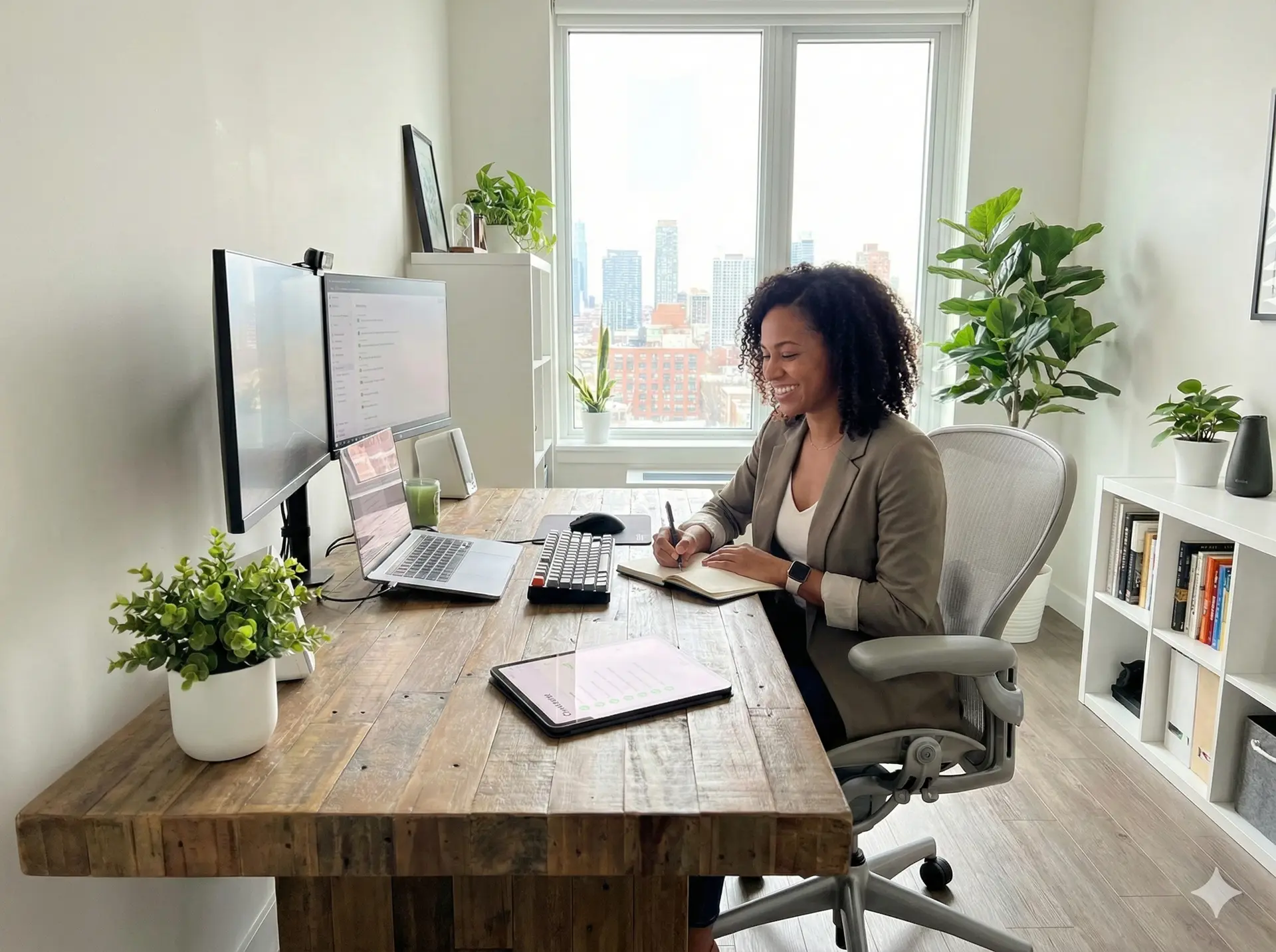
Remote Work Home Office Setup Checklist
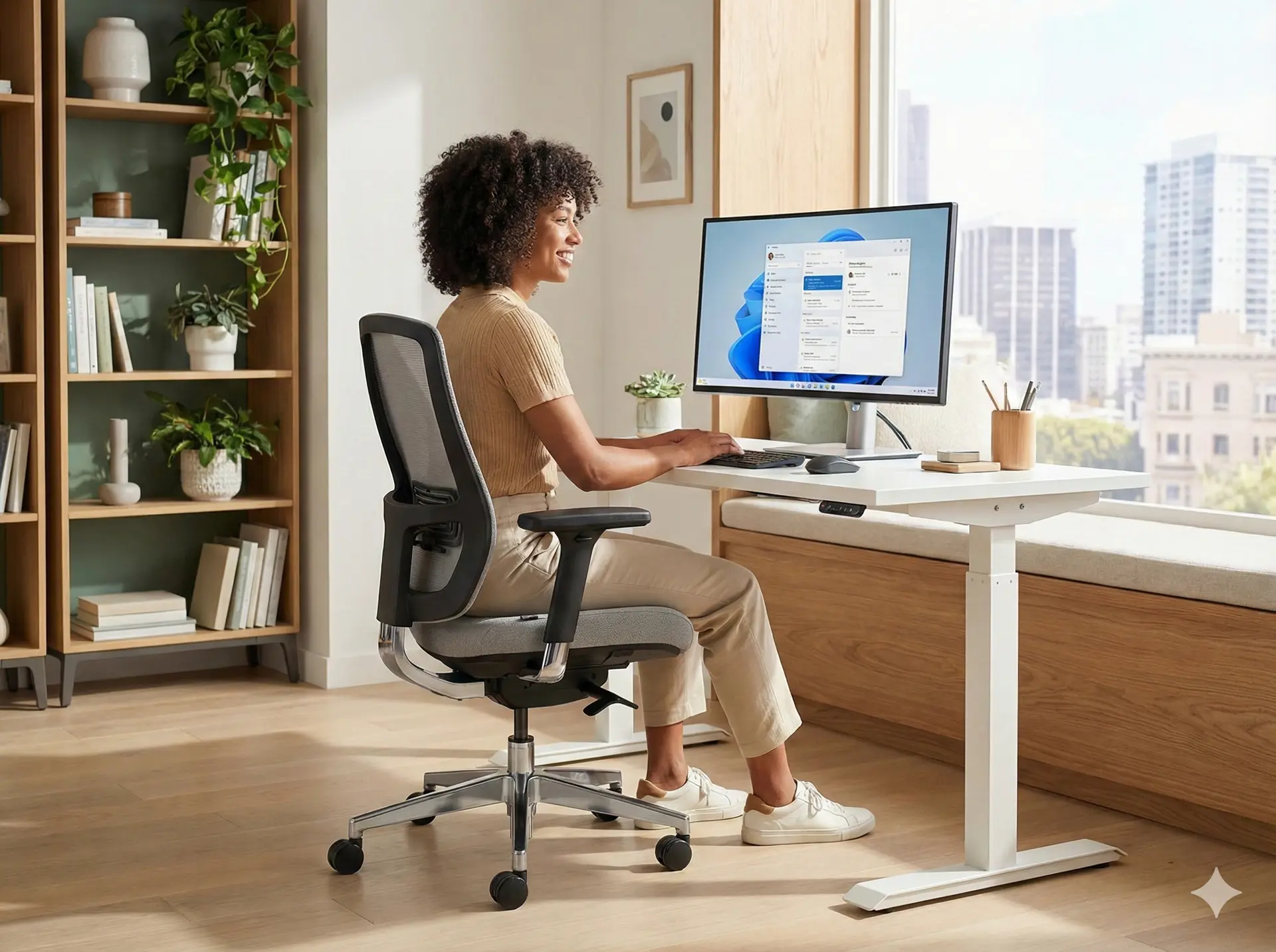
Ergonomic Chair for Home Office
As you sit at your home office, you may be unaware of the silent enemy that's affecting your productivity and health: your chair. Many people assume that any chair will do, but the truth is, a poorly designed chair can lead to back pain, decreased focus, and reduced overall well-being. If you're on
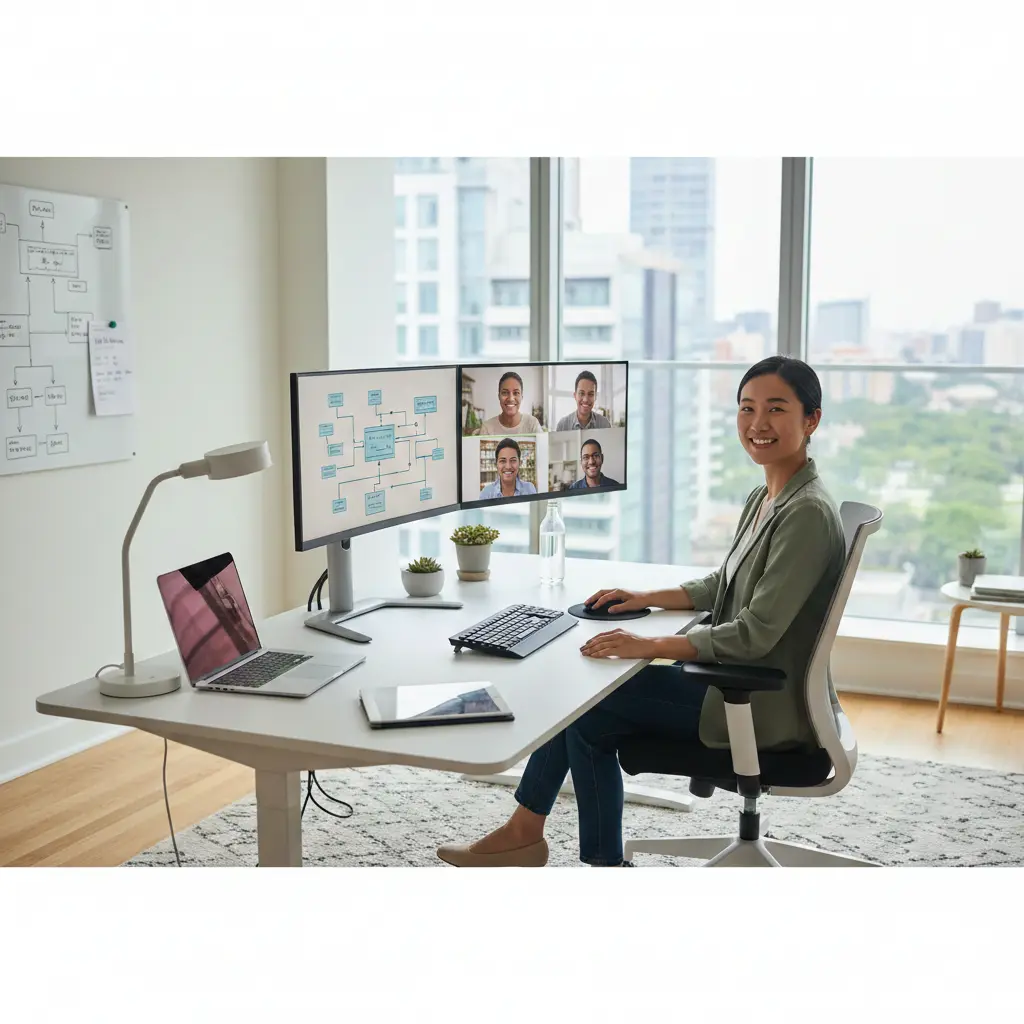
Remote Work Set Up Guide
As you consider making the switch to remote work, you may be wondering if it's really possible to stay productive and efficient outside of a traditional office setting. You may have heard that remote work is isolating, or that it's difficult to separate your work and personal life. But the truth is
Home Office Ideas
Are you tired of feeling unproductive and disorganized while working from home? You're not alone. Many people struggle to create a dedicated workspace that fosters focus and efficiency. As you try to balance work and personal life, it's easy to get distracted by household chores, family members, or