How to Start an Online Business

Starting an online business in Sri Lanka is more accessible than ever, but success requires understanding the legal requirements, tax obligations, and practical steps involved.
The Lankawebsites editorial team curates, fact-checks, and updates guides on personal finance, property, health, immigration, legal, business, and lifestyle topics relevant to Lankawebsites readers. Articles are produced with AI assistance and reviewed by the editorial team before publication.
Starting an online business in Sri Lanka is more accessible than ever, but success requires understanding the legal requirements, tax obligations, and practical steps involved. Whether you're selling digital products, services, or physical goods online, this guide will walk you through everything you need to know to launch your venture properly and legally.
Understanding the Legal Framework for Online Businesses in Sri Lanka
Before you launch, it's essential to understand Sri Lanka's regulatory environment for digital commerce. The country has been modernising its tax and digital infrastructure significantly, which affects how online businesses operate.
If you're planning to sell digital services—such as software, apps, streaming content, online courses, or cloud-based solutions—you'll need to be aware of recent changes to Value Added Tax (VAT) regulations. From 1 April 2026, non-resident digital service providers must register for VAT in Sri Lanka and charge 18% VAT on business-to-consumer (B2C) digital services. This applies to a wide range of services including streaming platforms, apps, e-books, e-journals, and internet services.
If you're a Sri Lankan resident starting an online business, you'll need to register with the Inland Revenue Department once your turnover reaches the VAT threshold. The current VAT registration threshold in Sri Lanka applies to businesses with annual turnover exceeding a certain limit, so check with the Inland Revenue Department for current thresholds.
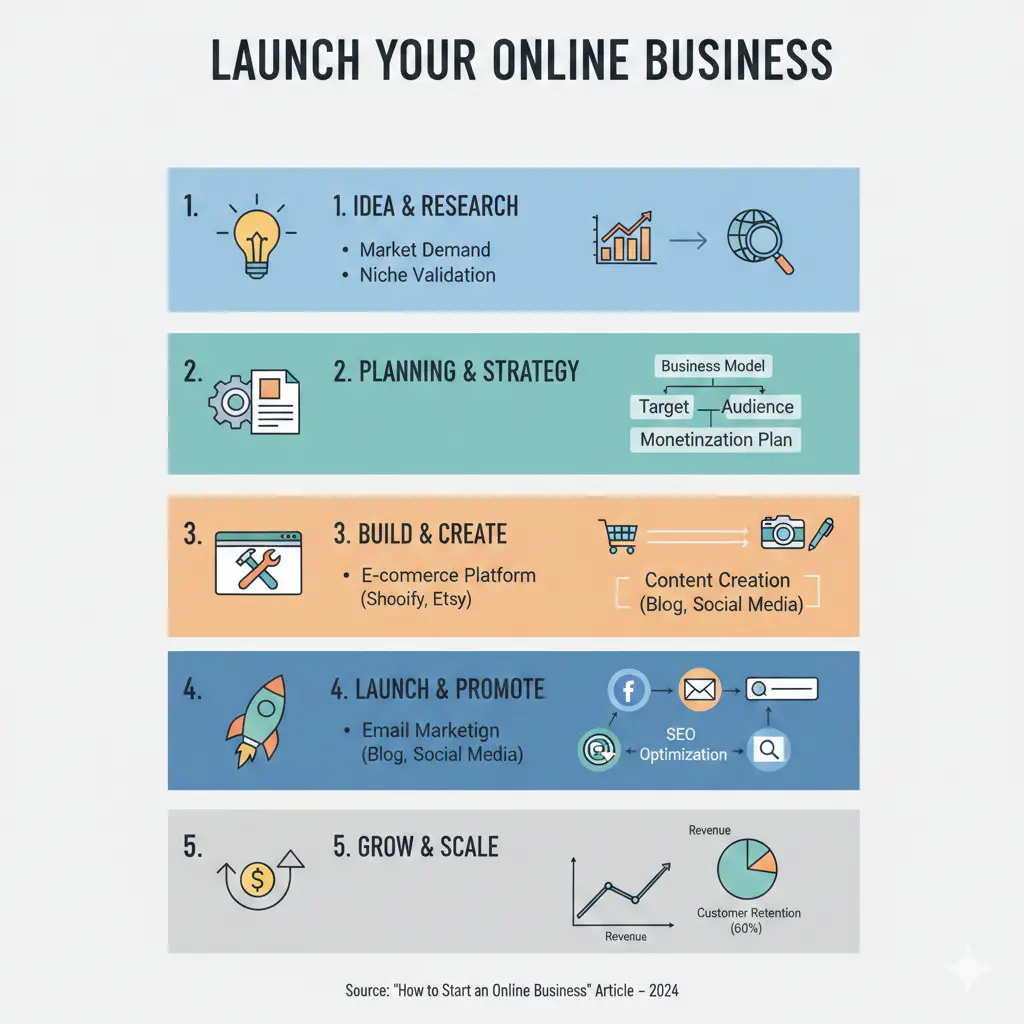
Key Steps to Starting Your Online Business
1. Choose Your Business Structure
Decide whether you'll operate as a sole proprietor, partnership, or limited company. Each structure has different tax implications and legal responsibilities. For most small online businesses starting out, a sole proprietorship or partnership is simpler, but as you grow, you may want to consider registering as a limited company for liability protection and tax benefits.
2. Register Your Business
You'll need to register your business with the Registrar of Companies if you're operating as a limited company, or with your local Divisional Secretariat if you're operating as a sole proprietor. Keep all registration documents safe, as you'll need them for tax purposes and when dealing with financial institutions.
3. Obtain a Tax Identification Number (TIN)
Register with the Inland Revenue Department and obtain your Tax Identification Number. This is essential for all business operations and tax compliance. You can apply online through the Inland Revenue Department's portal or visit their office in person.
4. Understand Your VAT Obligations
Once your business turnover exceeds the VAT threshold, you must register for VAT. VAT is charged at 18% on most goods and services in Sri Lanka. If you're selling digital services to consumers, ensure you understand the new regulations coming into effect in April 2026.
Sri Lanka is also implementing a national e-Invoicing system as part of its digital tax compliance modernisation. This system will eventually require all VAT-registered businesses to use electronic invoicing integrated with the Revenue Administration Management Information System (RAMIS). Following a pilot phase, the system will expand to include export-oriented firms, then all VAT-registered taxpayers, and eventually integrate with point-of-sale (POS) machines.
5. Set Up Your Online Platform
Choose an appropriate platform for your business model:
- E-commerce platform: If you're selling physical products, consider platforms like Shopify, WooCommerce, or local Sri Lankan alternatives
- Digital service platform: For services like consulting, design, or programming, you might use platforms like Upwork, Fiverr, or your own website
- Content platform: If you're selling digital products like courses or e-books, platforms like Teachable, Gumroad, or Kajabi work well
- Social commerce: Many Sri Lankan businesses successfully use Facebook and Instagram for direct sales
6. Set Up a Business Bank Account
Open a dedicated business bank account to keep your personal and business finances separate. This makes accounting easier and looks more professional to customers. Most Sri Lankan banks now offer business accounts with online banking facilities, which is essential for managing an online business.
7. Implement Proper Accounting Systems
Keep detailed records of all income and expenses. Consider using accounting software like QuickBooks, Xero, or local alternatives to track your finances. Proper accounting is crucial for tax compliance and understanding whether your business is actually profitable.
Tax Compliance for Online Businesses
Tax compliance is non-negotiable for sustainable business operations. Here's what you need to know:
Income Tax: You must file annual income tax returns with the Inland Revenue Department. The tax rates depend on your income level and business structure.
VAT Returns: If you're VAT-registered, you'll need to file monthly or quarterly VAT returns, depending on your turnover and the Inland Revenue Department's requirements.
Digital Services VAT: If you're a non-resident selling digital services to Sri Lankan consumers, you must register for VAT and charge 18% from 1 April 2026. If you're a Sri Lankan resident selling digital services, standard VAT rules apply.
E-Invoicing: Be prepared for the upcoming mandatory e-Invoicing system. Ensure your accounting software is compatible with RAMIS integration, or plan to upgrade when the system becomes mandatory for your business category.
Practical Tips for Success
- Start small and test: Don't invest heavily before validating that customers actually want what you're selling
- Use social media: Facebook, Instagram, and WhatsApp are powerful tools for reaching Sri Lankan customers
- Offer multiple payment options: Include local payment methods like bank transfers, mobile money (Dialog, Airtel, Hutch), and international options like PayPal or Stripe
- Understand your customers: Research your target market thoroughly—what do they need, what can they afford, how do they prefer to shop?
- Provide excellent customer service: Respond quickly to inquiries, resolve issues promptly, and build trust through reliable service
- Keep learning: Digital marketing, SEO, and e-commerce best practices are constantly evolving—invest time in staying updated
- Stay compliant: Keep up with tax deadlines, maintain proper records, and consult with an accountant if you're unsure about your obligations
Next Steps to Get Started
Starting an online business requires careful planning and compliance with Sri Lankan regulations, but it's absolutely achievable. Begin by validating your business idea with real customers, then formalise your business structure and register with the relevant authorities. Set up proper accounting systems from day one—it's much easier to maintain good records from the start than to sort them out later. Connect with other online business owners in Sri Lanka through forums and social media groups to learn from their experiences. Most importantly, stay committed to learning and adapting as your business grows.
The digital economy in Sri Lanka is growing rapidly, with government support for modernisation and digital transformation. By starting your online business now and building it on a solid legal and financial foundation, you're positioning yourself to succeed in this expanding market.
Frequently Asked Questions
Sources & References
-
1
Sri Lanka to postpone the implementation of non-resident VAT on B2C e-services until April 2026 — fiscalsolutions.co.uk
-
2
Sri Lanka delays digital services tax to April 2026 — www.anrok.com
-
3
Sri Lanka to Impose 18% VAT on Cross-Border Digital Services — www.fonoa.com
- 4
- 5
- 6
Related Articles

How to Analyze Stocks for Beginners
If you're thinking about investing in stocks but don't know where to start, you're not alone. Many Sri Lankan investors feel overwhelmed by market jargon, complex charts, and endless investment options.

Best Retirement Accounts for Self-Employed
If you're self-employed in Sri Lanka, you're responsible for your own retirement planning—and that's both a challenge and an opportunity.
Cryptocurrency Trading for Beginners
A staggering 27% of millennials prefer investing in cryptocurrencies over traditional stocks, according to a Charles Schwab survey. This shift in investment preferences is not surprising, given the potential for high returns in the cryptocurrency market. If you're considering joining the ranks of c

Best Bitcoin Wallets 2026
What Is a Bitcoin Wallet and Why Does It Matter? A Bitcoin wallet is software or hardware that stores your private keys—essentially the passwords that prove you own your cryptocurrency.