How to Eat Like a Local in Sri Lanka: Rice & Curry, Short Eats, and More
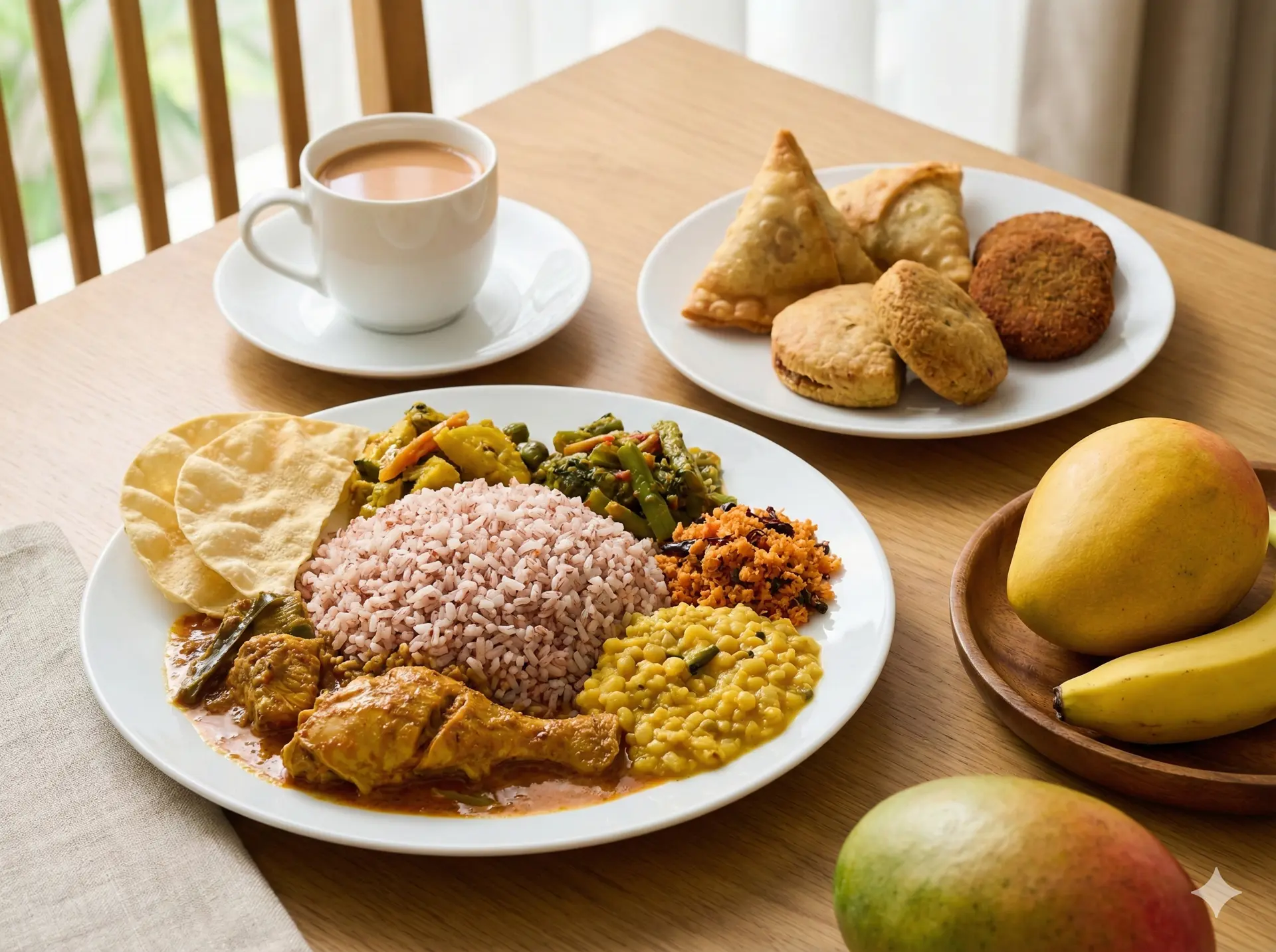
Eating like a local in Sri Lanka isn't just about trying new dishes—it's about understanding how we live, celebrate, and gather around food. From the everyday rice and curry that anchors our tables to
The Lankawebsites editorial team curates, fact-checks, and updates guides on personal finance, property, health, immigration, legal, business, and lifestyle topics relevant to Lankawebsites readers. Articles are produced with AI assistance and reviewed by the editorial team before publication.
Eating like a local in Sri Lanka isn't just about trying new dishes—it's about understanding how we live, celebrate, and gather around food. From the everyday rice and curry that anchors our tables to the sizzling kottu roti that fuels late-night conversations, Sri Lankan food tells stories of our culture, our coastlines, and our traditions. Whether you're a local rediscovering your own food heritage or someone curious about how we actually eat day to day, this guide will show you the real flavours that define life here.
The Heart of Sri Lankan Eating: Rice & Curry
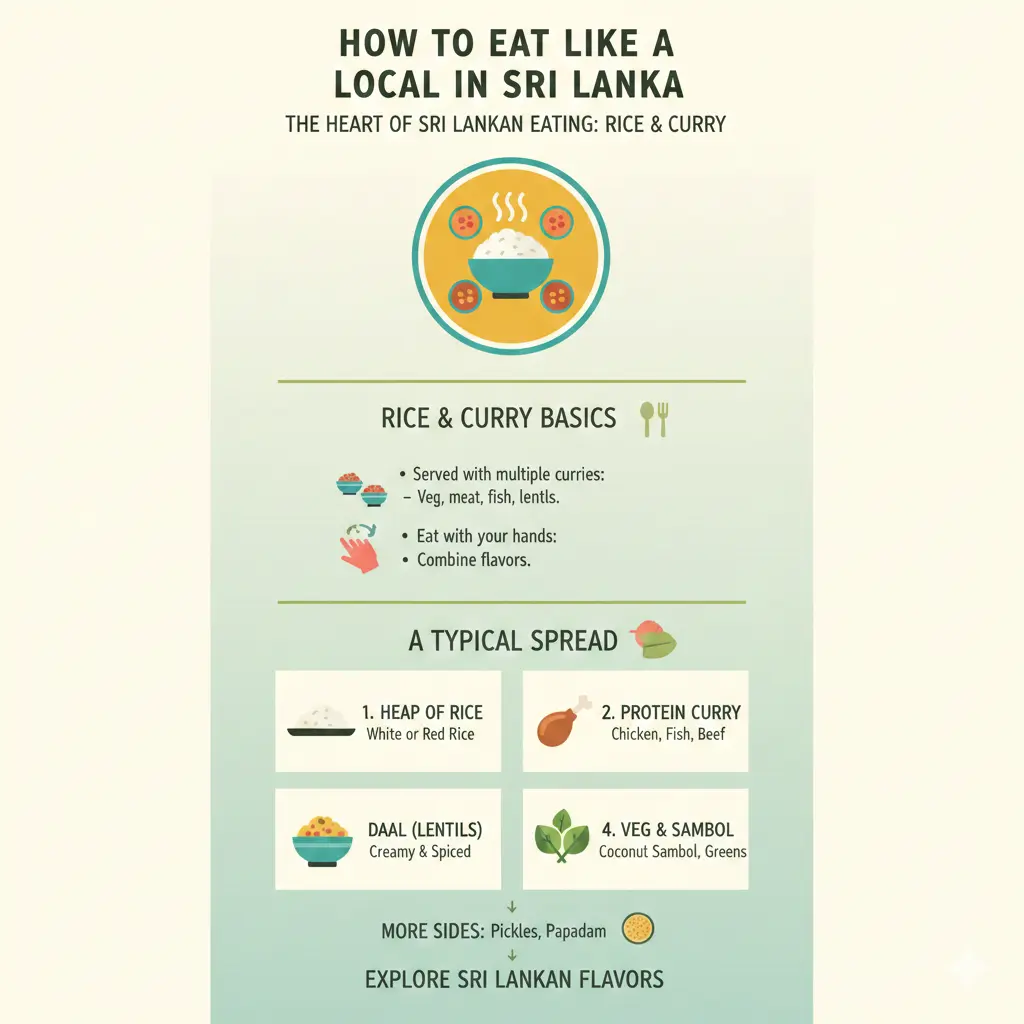
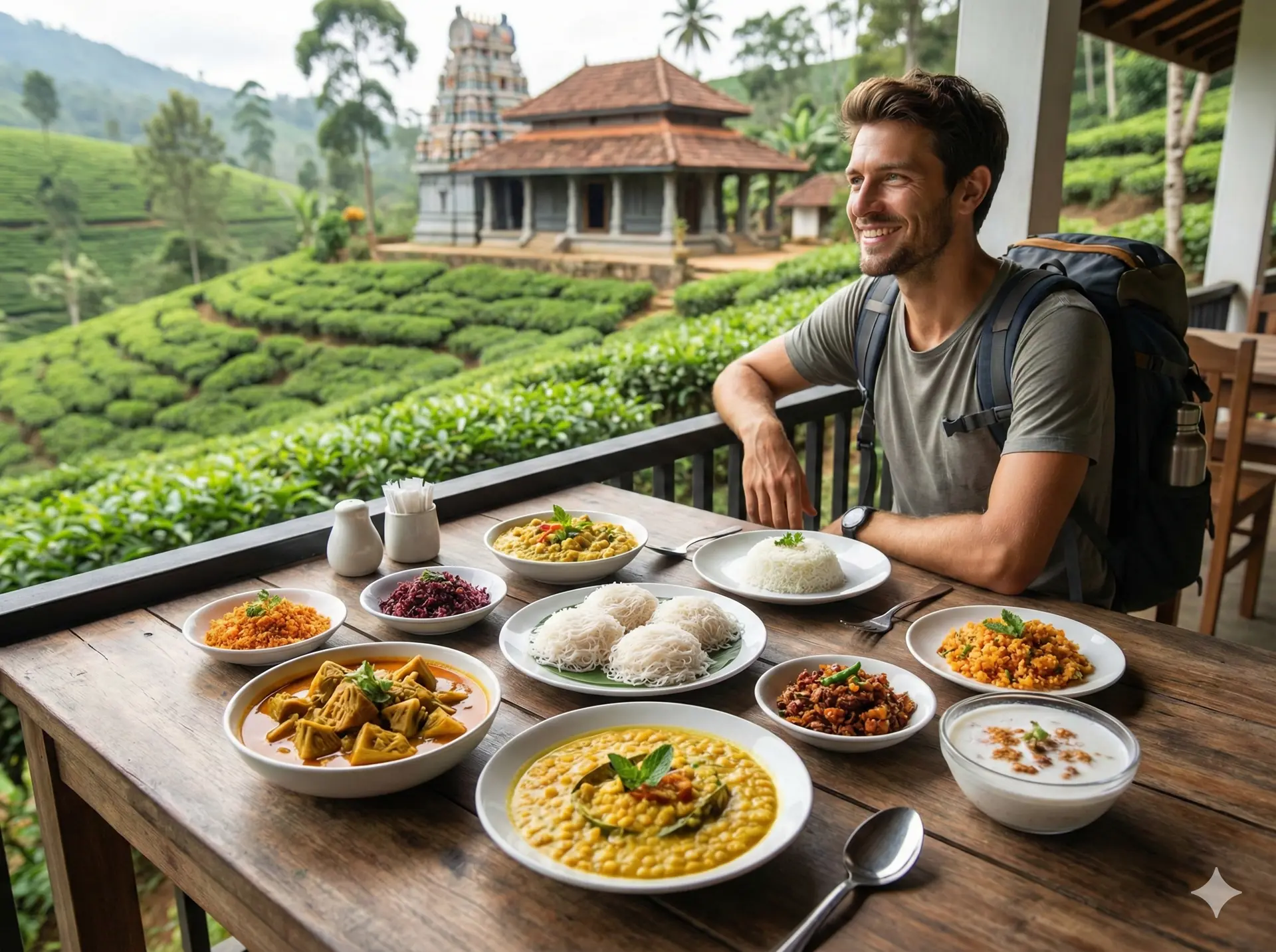
If there's one dish that represents how we eat at home, it's rice and curry. This isn't fancy restaurant food—it's what appears on our tables for lunch and dinner, day after day. The dish is beautifully simple: a mound of steamed rice surrounded by small bowls of curries and sambols, each one prepared differently depending on what's available and what your family prefers.
What makes rice and curry special is that no two plates are ever identical. Your neighbour's version might feature fish curry with tamarind and coconut milk, whilst yours might include dhal, jackfruit curry, beetroot curry, and chicken—all on the same plate. The curries are cooked in coconut milk and spices that create a balance of heat and creaminess, and everything is topped with crispy fried papadums and fresh chillies for that essential crunch.
The beauty of this meal is its flexibility. You'll find vegetarian versions with potato curry, pumpkin curry, beans, and eggplant salad, making it one of the oldest vegetarian options in our cuisine. The sambols—fresh condiments made from coconut, lime, and chillies—add brightness and complexity to every bite. Each household has its own style, and that's exactly how it should be.
Where to Eat Rice & Curry Like a Local
The best rice and curry happens in everyday restaurants and local eateries across the country. In Colombo, Kandy, and Negombo, you'll find reliable Chinese-Sri Lankan eateries serving generous plates. For the most authentic experience, head to small family-run restaurants in towns and villages—these places take pride in their recipes and use fresh, market-sourced ingredients.
If you're in Ella, Matey Hut is a cosy spot where you can enjoy authentic Sri Lankan rice and curry with a view of the train tracks—a truly local experience. The restaurant's open kitchen lets you see exactly how your meal is being prepared, and the ambiance captures the essence of eating in our communities.
Street Food That Defines Our Culture
Kottu Roti: The Sound of Sri Lanka
Walk through any town after sunset, and you'll hear it—the distinctive clang-clang-clang of metal spatulas on a hot flat-top grill. That's kottu being made, and it's one of the most iconic sounds of Sri Lankan street food. Kottu is chopped godamba roti stir-fried with eggs, vegetables, and optional meat, all mixed together with spices, curry sauce, and onions. The result is hearty, chaotic, and incredibly satisfying—perfect for a late-night meal or when you're craving something filling and affordable.
What makes kottu special is that it's found all over the island and costs just a few hundred rupees. Locals often eat it late at night, making it a cultural food icon that brings people together. If you try only one street dish, make it kottu—it's the taste of Sri Lanka at its most authentic and accessible.
Short Eats: The Perfect Bite
Sri Lankan short eats are the snacks we grab between meals, from street vendor kiosks and roadside stalls. These include:
- Godamba roti—a stuffed vegetarian or meat roti that's warm and satisfying
- Vade—a savoury, deep-fried patty or fritter with spices
- Samosas—triangle-shaped pastries filled with spiced vegetables or meat
- Kadala—boiled chickpeas with different dressings, a favourite 'bite' among locals
- Achcharu—a spicy, sweet, tangy, and savoury pickle with Sri Lankan Malay influence
These aren't just snacks—they're part of how we move through our day, grabbing quick energy whilst running errands or catching up with friends.
Curries That Tell Our Story
Fish Curry: Pride of the Coast
If rice and curry is the foundation of our meals, fish curry is the pride of our coastal regions. Made with fresh coastal fish slow-cooked in coconut milk, chilies, turmeric, and tamarind, the broth becomes rich and sour-sweet. Mixed rice adds colour and texture, making it a complete seafood staple.
The best place to try fish curry is in coastal areas like Hikkaduwa, Trincomalee, Mirissa, and Galle, where seafood restaurants near fishing docks serve the freshest versions. The proximity to where the fish is caught that morning makes all the difference. Pair it with lime soda, ginger beer, or chilled water to balance the tangy curry, or try black iced tea to cut through the richness. For lunch by the sea, a King Coconut is the perfect pairing.
Kukul Mas Curry: Comfort in a Bowl
Kukul Mas (chicken) curry is slow-cooked chicken with roasted curry powders, coconut milk, cinnamon, chilli, and lemongrass. The sauce is thick and deeply aromatic, and every household has its own recipe. It's the kind of dish that feels like a warm hug—rich, hearty, and soul-warming.
Parippu: The Everyday Dhal
Parippu is a creamy dhal curry made with red lentils, coconut milk, turmeric, and tempered onions. It's mild, comforting, and served with nearly every meal in Sri Lankan homes. The texture is silky and lightly spiced, and it complements everything from rice to hoppers. You'll find great versions in restaurants across Colombo, Negombo, and Kandy, but the best parippu is often the one your mother or grandmother makes at home.
Hoppers, String Hoppers, and Traditional Breakfasts
Breakfast in Sri Lanka is a celebration of texture and flavour. Hoppers are bowl-shaped pancakes that are crispy on the outside and soft inside—perfect for scooping up curry or enjoying with a fried egg in the centre. String hoppers are thin noodles made from rice flour, steamed and served with curry or sambols.
These dishes, along with milk rice (a sweet rice dish served during festivals), are traditional foods that show up during celebrations, breakfasts, and roadside stops. They're rooted in our history, easy to find everywhere, and loved by locals. Trying them gives you a genuine taste of daily Sri Lankan life.
If you want to learn how to make these dishes yourself, cooking classes in Ella and other regions offer hands-on experiences where local instructors teach you step-by-step how to create traditional hoppers, rice and curry, string hoppers, and honey roti in open-air kitchens.
Desserts and Sweet Treats
Sri Lankan desserts are often tied to celebrations and special occasions. Wattalapam is a rich coconut custard with jaggery and spices, often served during festivals. Kiri Pani pairs buffalo curd with golden kithul (palm) treacle—simple, delicious, and refreshing. You'll also find buffalo curd in clay-pot varieties at curd shops along the southern coastal roads, particularly in towns near Galle, Mirissa, and Tangalle.
Sri Lanka is also home to over 50 varieties of mango and more than 20 varieties of bananas, so tropical fruit salads here are unlike anything you'll experience elsewhere. King Coconut, a naturally sweet golden-coloured coconut native to Sri Lanka, is a refreshing treat—vendors chop it fresh and serve the water straight from the shell, and once finished, you can spoon out the fleshy insides.
Where to Find Authentic Local Food in 2026
Street Vendors and Local Eateries
The most authentic Sri Lankan food comes from street vendors and small local eateries. These vendors serve kottu roti, hoppers, and fried snacks late into the night, and they're where you'll find the boldest flavours and the most genuine connections with local food culture.
Markets: Where Food Journeys Begin
Visit vibrant vegetable markets like Wadduwa's, which overflow with tropical produce: mangoes, papayas, jackfruit, okra, eggplant, and an endless array of greens. These markets give you a chance to see where your food journey begins and to understand the seasonal, local ingredients that make our cuisine special.
Recommended Dining Spots
For a blend of traditional and contemporary Sri Lankan cuisine, restaurants like Flow and Nuga Gama in Colombo offer refined takes on local classics, whilst Ocean at The Kingsbury Hotel specialises in fresh seafood. In Ella, Matey Hut remains a favourite for authentic rice and curry and vegetable and egg kottu.
How to Eat Like a Local: Practical Tips
- Embrace the variety. Order rice and curry and enjoy the mix of curries on your plate. Don't stick to just one—the whole point is experiencing different flavours together.
- Try street food. Some of the best meals in Sri Lanka come from vendors on the street. Don't be afraid to queue up for kottu or short eats.
- Eat with your hands if you're comfortable. Many locals eat with their right hand, mixing rice and curry together. It's perfectly acceptable and part of the experience.
- Visit markets early. Get to vegetable and fish markets in the morning to see the freshest produce and catch vendors selling prepared food.
- Ask for recommendations. Locals love sharing food knowledge. Ask your guesthouse owner, taxi driver, or shop keeper where they eat—you'll discover hidden gems.
- Be adventurous with spice levels. Sri Lankan food can be hot, but restaurants will adjust spice levels if you ask. Start mild and work your way up.
- Take a cooking class. Learning to cook traditional dishes gives you deeper insight into our food culture and techniques.
Conclusion: Eating Your Way Into Sri Lankan Life
Eating like a local in Sri Lanka means moving beyond restaurant menus and into the everyday food that defines how we live. It means queuing for kottu at a street vendor, discovering your favourite rice and curry spot, and understanding that food here is about community, tradition, and generosity.
Start with rice and curry at a local eatery, try kottu from a street vendor, explore coastal fish curry in a fishing town, and take time to visit markets where you can see the ingredients that make our cuisine special. If you're feeling adventurous, join a cooking class to learn the techniques and stories behind these dishes.
Sri Lankan food isn't just sustenance—it's how we celebrate, how we gather, and how we share our culture with each other. The next time you sit down to eat here, you're not just having a meal. You're participating in something deeply rooted in who we are.
Frequently Asked Questions
Sources & References
-
1
Sri Lankan Food Guide: Popular Dishes Every Traveller Should Try — www.30sundays.club
-
2
A Food Lover's Guide to Sri Lanka: Flavours You'll Fall in Love With — www.contemporaryceylon.com
-
3
The BEST Ella, Sri Lanka Local Food Tours 2026 — www.getyourguide.com
-
4
Colombo Food Guide – What to Eat, Local Dishes & Dining — www.secretflying.com
-
5
Must-Visit Dining Spots in Sri Lanka Right Now (2026) — wandervlogs.com
-
6
Sri Lankan Food Guide 2026: Best Dishes, Street Food & Culinary Tours — bhlankatours.com
-
7
The 10 Best Local Eats in Colombo (Updated 2026) — en.tripadvisor.com.hk
Related Articles

Tea vs Coconut: Signature Flavours That Define Sri Lankan Cuisine
When you think of Sri Lanka's culinary identity, two ingredients immediately come to mind: tea and coconut. Both are woven into the fabric of our island's food culture, yet they play distinctly differ
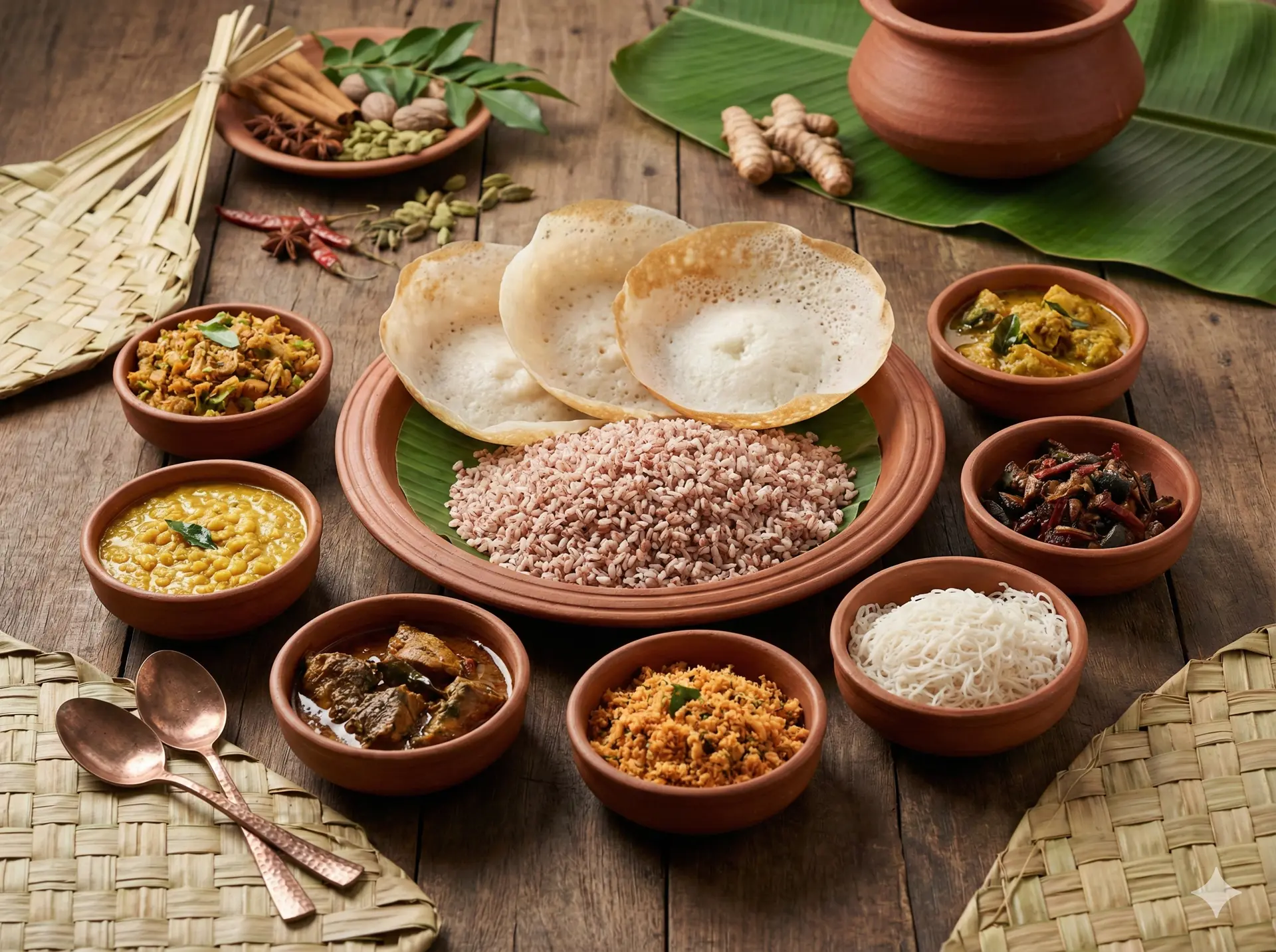
Sri Lankan Food Guide: 20 Dishes Every Visitor Must Try
Sri Lanka's food scene bursts with bold flavours, fresh coconut, and spices that tell our island's story—from misty hill country curries to fiery coastal sambols. Whether you're sharing a rice and cur
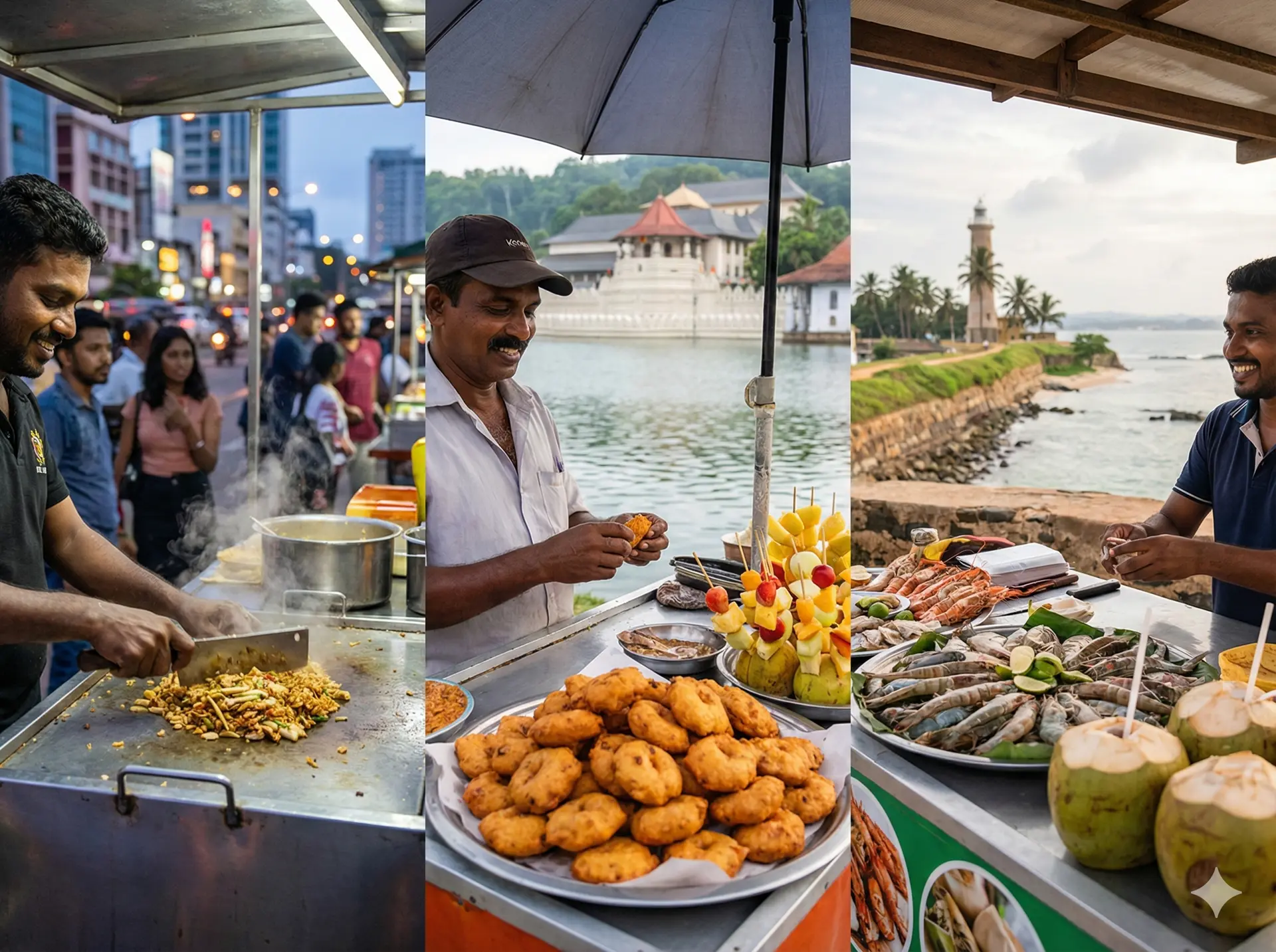
Best Street Food in Colombo, Kandy & Galle – and Where to Find It
Nothing beats the sizzle of a fresh kottu roti on a bustling Colombo street or the crispy edge of a hopper from a Kandy night cart—our island's street food scene is alive and kicking in 2026, blending
Vegetarian and Vegan Travel in Sri Lanka: How Easy Is It?
Imagine hopping on a train from Colombo to Kandy, your stomach rumbling for a hearty meal, but you're sticking to vegetarian or vegan choices. Will you find dhal, rice, and veg curry without a hitch,