Sri Lanka's Tropical Monsoon Climate Explained
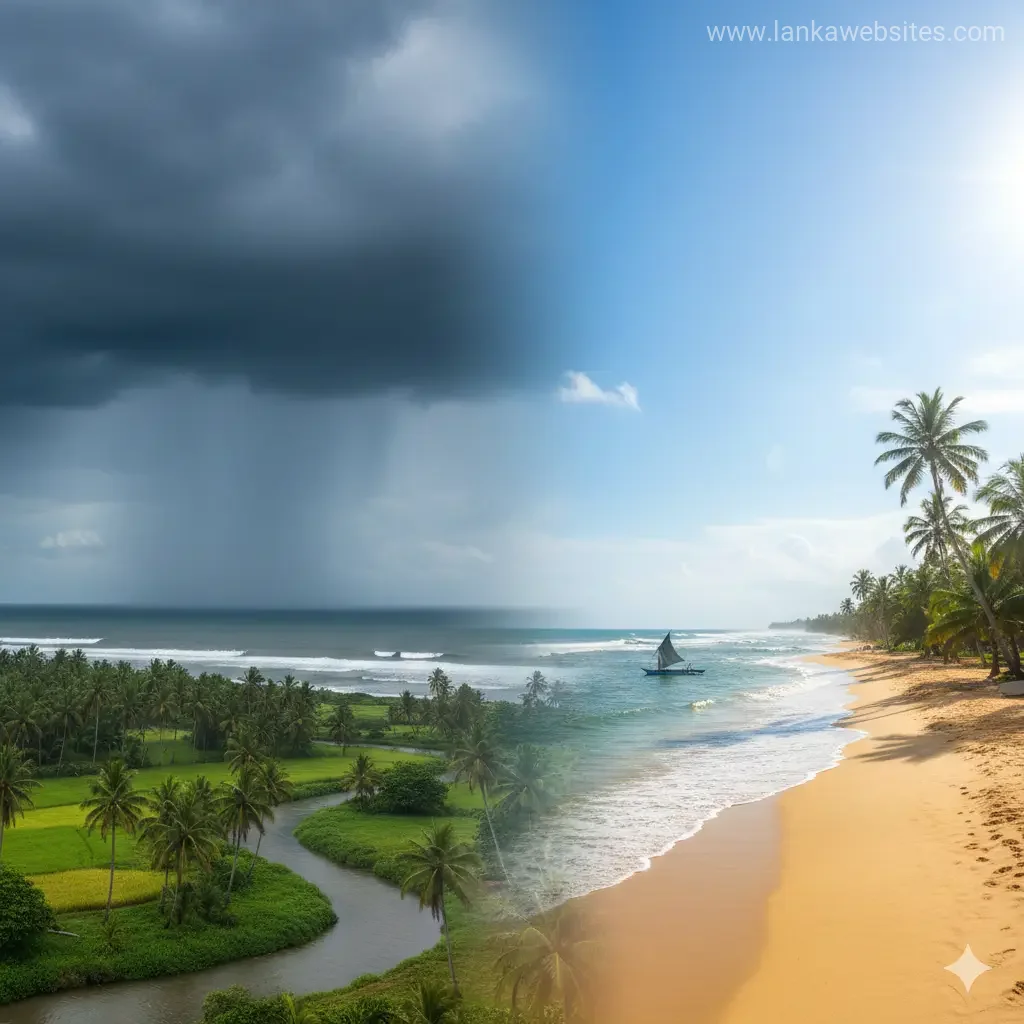
Sri Lanka's weather patterns are shaped by two powerful monsoon seasons that sweep across the island throughout the year, creating a tropical climate that's warm, humid, and predictable once you under
The Lankawebsites editorial team curates, fact-checks, and updates guides on personal finance, property, health, immigration, legal, business, and lifestyle topics relevant to Lankawebsites readers. Articles are produced with AI assistance and reviewed by the editorial team before publication.
Sri Lanka's weather patterns are shaped by two powerful monsoon seasons that sweep across the island throughout the year, creating a tropical climate that's warm, humid, and predictable once you understand how they work. If you live here or plan to spend time in different parts of the country, knowing when these monsoons arrive and how they affect your region is essential for planning activities, travel, and even daily life.
Understanding Sri Lanka's Tropical Climate
Sri Lanka enjoys a tropical climate characterised by warm temperatures year-round, with averages hovering around 27°C across the island. However, the weather you experience depends heavily on where you are and which season you're in. The coastal areas stay consistently warm, whilst the central highlands are noticeably cooler, with temperatures often dropping to around 16°C at higher elevations.
Unlike temperate countries with spring, summer, autumn, and winter, Sri Lanka's climate is dominated by two main monsoon systems that bring distinct wet and dry periods to different parts of the island. Understanding these patterns helps you plan everything from holidays to agricultural activities and outdoor events.
The Two Monsoon Seasons
Southwest Monsoon (Yala): May to September
The Southwest Monsoon, known as Yala, originates from the Indian Ocean and brings the heaviest rainfall to the southwestern region of Sri Lanka. This season typically runs from May through September, with the most intense rainfall occurring in May and June. During this period, the southern and western coasts—including areas around Colombo, Galle, and Mirissa—experience significant rainfall, with temperatures ranging from 25°C to 30°C.
If you live or work in the southwest during Yala, you'll notice increased humidity and frequent afternoon showers. However, this doesn't mean the entire country is wet. The eastern and northern regions remain relatively drier during this season, making them better options for travel and outdoor activities.
Northeast Monsoon (Maha): December to February
The Northeast Monsoon, called Maha, originates from the Bay of Bengal and affects the northeastern and eastern parts of Sri Lanka. This season runs from December through February, bringing rain primarily to the far north and east. For regions in the dry zone—like Jaffna and parts of the eastern coast—this monsoon brings the majority of their annual rainfall.
During the Maha season, if you're in the southwestern region, you'll typically experience drier and cooler conditions, making it one of the best times to visit beaches and the hill country. However, travellers heading to the eastern parts of Sri Lanka should expect occasional showers during this period.
Inter-Monsoon Rains: The Transitional Periods
Between the two main monsoons, Sri Lanka experiences two inter-monsoon periods that bring scattered rainfall across the island. These occur in March-April and October-November, and they're important to be aware of if you're planning activities during these months.
The second inter-monsoon season (October-November) is particularly notable, as heavy rain is possible anywhere across the island during this time. If you're organising outdoor events, construction work, or travel during October and early November, it's wise to have contingency plans for wet weather.
Regional Weather Variations
Coastal Areas
Sri Lanka's coastal regions experience warm temperatures throughout the year, typically between 26°C and 30°C. The monsoon patterns ensure that some coastal waters are always suitable for swimming, snorkelling, and diving, as the monsoon winds protect different coasts during different seasons.
Central Highlands
The Hill Country, situated at nearly 2,000 metres above sea level, is significantly cooler than the rest of Sri Lanka. This region is influenced by both monsoons, making it a pleasant escape from the heat of the coastal areas. The cooler temperatures and lush green landscapes during and after the monsoon seasons make the highlands a popular destination year-round.
Northern Region (Jaffna)
Jaffna, in the far north, is the hottest region in the country, with average temperatures reaching 30°C. It has a tropical savanna climate with a distinct dry season between February and August, making it ideal for visiting during these months when rainfall is minimal.
Monthly Weather Overview
Here's what you can expect month by month:
- January: 22–31°C, mostly dry with mild showers in the central hills
- February: 23–32°C, dry and warm with occasional inland showers
- March: 24–33°C, increasing humidity with scattered rain
- April: 25–34°C, hot with the onset of inter-monsoon rains
- May: 26–33°C, southwest monsoon brings rain to the south
- June: 25–31°C, heavy rainfall in the southwest, drier in the east
- July: 25–30°C, continued southwest monsoon rains
- August: 25–30°C, less rain but still humid and warm
- September: 25–31°C, scattered rain with high humidity
- October: 24–31°C, northeast monsoon starts with frequent showers
- November: 23–30°C, heavy rainfall in the northeast and east
- December: 22–30°C, northeast monsoon rains, drier in the south
Dry Seasons by Region
Sri Lanka does have dry seasons, but they vary by region. In the southwestern region, the dry season typically runs from December to March, whilst in the northeastern region, the dry season is usually from April to September. Understanding these patterns helps you plan travel, outdoor work, and activities based on your location.
How Monsoons Affect Daily Life in Sri Lanka
The monsoon seasons influence more than just the weather—they affect agriculture, tourism, transportation, and daily routines across the country. During monsoon seasons, roads in certain areas may become difficult to navigate, schools sometimes adjust schedules, and farmers plan their planting and harvesting around these predictable patterns.
If you work outdoors or in agriculture, understanding the monsoon calendar is crucial for planning your year. Similarly, if you operate a tourism business or depend on tourism, knowing when different regions experience their best weather helps you market your services effectively.
Practical Tips for Living with Sri Lanka's Monsoons
- Keep an umbrella handy during inter-monsoon periods (March-April and October-November) when rain can occur unexpectedly
- Plan beach trips during the dry season for your region—December to March for the southwest, April to September for the northeast
- Check regional forecasts from the Department of Meteorology Sri Lanka before planning outdoor activities, especially during monsoon transitions
- Prepare for humidity year-round, particularly during monsoon seasons when moisture levels are highest
- Allow extra travel time during heavy rain periods, as roads can become congested or difficult to navigate
- Stay informed about weather warnings, especially during the inter-monsoon seasons when sudden heavy downpours are possible
FAQ: Sri Lanka's Monsoon Climate
When is the best time to visit Sri Lanka's southwest beaches?
January to March is ideal for the southwest beaches, offering dry and sunny days perfect for beach activities. During these months, you'll experience minimal rainfall and comfortable temperatures for swimming and water sports.
Does Sri Lanka have a dry season?
Yes, but it varies by region. The southwest experiences its dry season from December to March, whilst the northeast has a dry season from April to September. This means some part of Sri Lanka is always in its dry season, making it a year-round destination.
What should I expect if I travel during the monsoon seasons?
Expect occasional showers during the Maha monsoon (December-January) in the east and the Yala monsoon (May-August) in the southwest. However, monsoon doesn't mean constant rain—you'll still have sunny days, and the lush green landscapes during this season are beautiful.
How hot does it get in Sri Lanka?
Temperatures typically range between 26°C to 30°C in coastal areas. In the highlands, it's cooler with temperatures often dropping to around 16°C. The hottest region is Jaffna in the far north, where temperatures can reach 30°C.
Which regions are affected by which monsoons?
The Southwest Monsoon (Yala) affects the southwestern region, including Colombo, the south coast, and the west coast. The Northeast Monsoon (Maha) impacts the far north and east, particularly affecting the dry zone regions.
Can I visit Sri Lanka during the monsoon seasons?
Absolutely. Monsoon seasons don't make Sri Lanka unvisitable. Different regions have different dry seasons, so you can always find somewhere with good weather. Plus, the lush green landscapes during monsoon season are stunning, and accommodation prices are often lower.
Understanding the Bigger Picture
Sri Lanka's monsoon climate is one of the defining features of our island's geography and culture. The predictable patterns of these wind systems have shaped everything from our agricultural practices to our tourism industry. By understanding how and when these monsoons arrive, you're better equipped to plan your activities, prepare for seasonal changes, and appreciate the natural rhythms that make Sri Lanka unique.
Whether you're a local navigating daily life or someone planning a visit, respecting these weather patterns and planning accordingly will ensure you get the most out of your time on the island. Check the Department of Meteorology Sri Lanka's latest forecasts before planning outdoor activities, especially during transitional seasons, and you'll be well-prepared for whatever weather comes your way.
Related Articles

Why Sri Lanka Has Two Monsoon Seasons
Introduction to Sri Lanka's Climate If you're planning a trip to Sri Lanka, you're probably aware that the country has a tropical climate, with high temper

Humidity Levels Across Different Zones
Introduction to Humidity Levels When it comes to understanding the climate and weather patterns in New Zealand, humidity levels play a significant role. A

Hambantota: One of the Driest Regions
Introduction to Hambantota: A Region of Extremes Hambantota, a district located in the southern part of Sri Lanka, is known for its unique and challenging

Why the Hill Country Is Cool Year-Round
Introduction to the Hill Country The hill country of New Zealand is a unique and fascinating region that offers a diverse range of landscapes, climates, an