Inter-Monsoon Periods: Unpredictable Weather
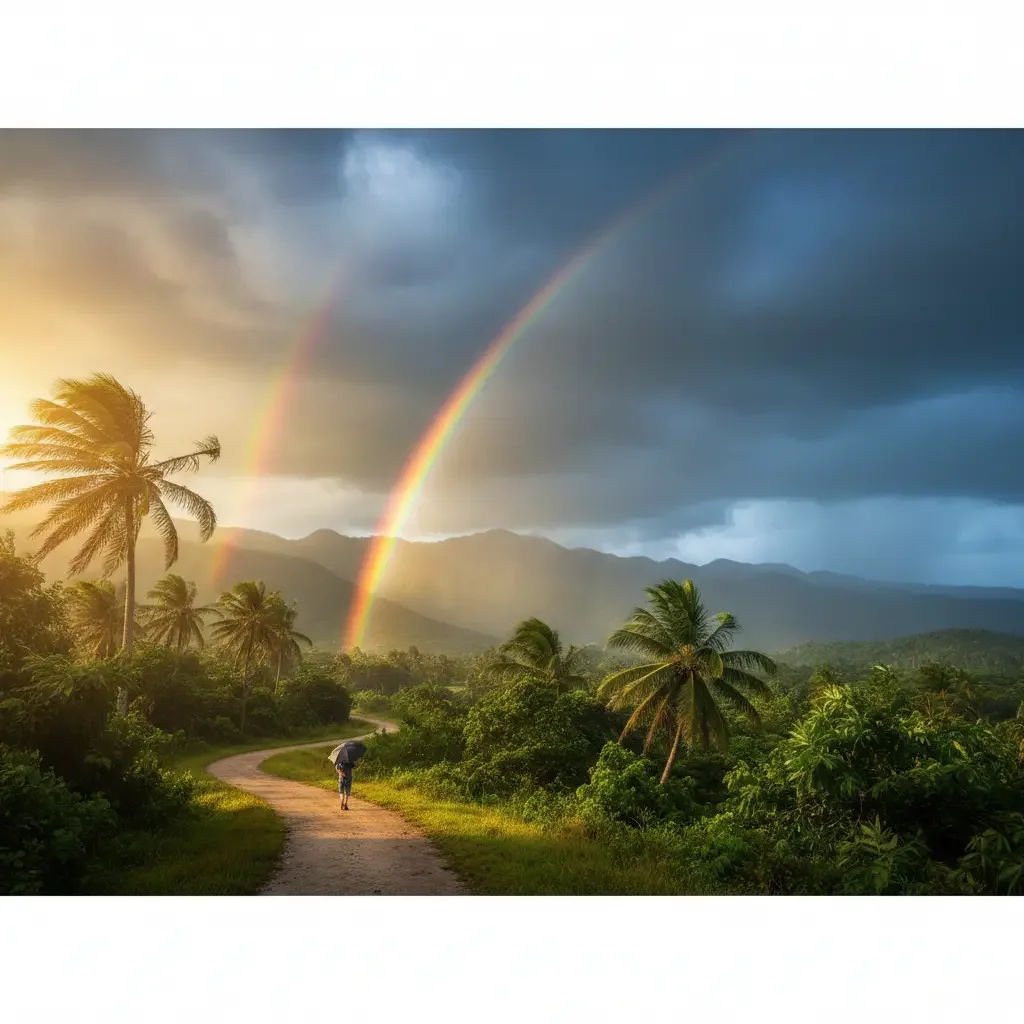
Sri Lanka's inter-monsoon periods are fascinating yet unpredictable weather systems that fall between our two major monsoon seasons. Unlike the more predictable southwest monsoon (Yala) from May to Se
The Lankawebsites editorial team curates, fact-checks, and updates guides on personal finance, property, health, immigration, legal, business, and lifestyle topics relevant to Lankawebsites readers. Articles are produced with AI assistance and reviewed by the editorial team before publication.
Sri Lanka's inter-monsoon periods are fascinating yet unpredictable weather systems that fall between our two major monsoon seasons. Unlike the more predictable southwest monsoon (Yala) from May to September and the northeast monsoon (Maha) from October to January, these transitional periods bring sudden thunderstorms, dramatic skies, and rapidly changing conditions that can catch both locals and visitors off guard. Understanding what happens during these times isn't just useful for planning a holiday – it affects everything from our daily routines to agricultural schedules and travel safety across the island.
What Are Inter-Monsoon Periods?
Inter-monsoon periods are short transitional seasons that occur between Sri Lanka's two major monsoon systems. The First Inter-Monsoon runs from March to April, while the Second Inter-Monsoon spans October to November. During these months, the island experiences a unique blend of weather patterns that differ significantly from the more stable monsoon seasons.
Sri Lanka's climate follows a "climatic year" that typically spans from March to February, rather than the standard January-to-December calendar. This means our weather patterns operate on a different schedule than many other countries, which is important to remember when planning activities or preparing for seasonal changes.
Understanding the Two Inter-Monsoon Periods
First Inter-Monsoon (March – April)
During March and April, you'll mostly encounter thundershowers in the afternoon or evening. The southwestern slopes can receive substantial rainfall – up to 700 mm in places like Keragala – whilst northern areas like Jaffna might see as little as 78 mm. This regional variation means the weather experience can be dramatically different depending on where you are in the country.
March brings increasing humidity and scattered rain, with daytime temperatures in lowlands commonly reaching 30–32°C. By April, conditions become even warmer and stickier, with temperatures reaching 31–32°C in many regions. The onset of inter-monsoon rains gradually increases, particularly in the southwest, as the Yala monsoon begins to establish itself.
This period coincides with important cultural events. The Sinhala and Tamil New Year celebrations in mid-April make this an excellent time to explore cultural festivals across the island, despite the afternoon showers you might encounter.
Second Inter-Monsoon (October – November)
The Second Inter-Monsoon brings more dramatic weather conditions. As the Intertropical Convergence Zone shifts southward, thundershowers accompanied by lightning often dominate afternoons and evenings. Some southwestern slopes receive anywhere from 750 mm to over 1,200 mm of rainfall – for instance, Weweltalawa Estate measures up to 1,219 mm.
During October and November, catastrophic flooding and thunderstorms can occur anytime and anywhere. Rain continues on the east and north coasts as the northeast monsoon sets in, whilst the west and south improve steadily. Temperatures typically range from 23–31°C depending on your location.
The off-peak season during this period means fewer tourists and lower prices, which appeals to budget-conscious travellers. However, the monsoon season makes the water rough, and swimming is often banned, so this isn't the best time for beach holidays.
Why Are Inter-Monsoon Periods So Unpredictable?
The unpredictability of inter-monsoon weather stems from the transitional nature of these seasons. Unlike the established monsoon patterns, which follow relatively consistent weather systems, inter-monsoon periods occur when one monsoon is ending and another is beginning. This creates a meteorological "grey zone" where weather patterns aren't fully settled.
Short localized showers can appear suddenly even during otherwise settled weeks. Afternoon clouds build rapidly over central highlands, and visibility can fluctuate significantly throughout the day. This makes planning outdoor activities challenging – what looks like a clear morning can turn into heavy afternoon thunderstorms within hours.
The inter-monsoon periods also experience mixed conditions with sunny intervals and dense showers, especially around Trincomalee and Jaffna corridors. This variability means you might experience completely different weather conditions just a few hours' drive away.
Regional Variations During Inter-Monsoon Periods
One of the most important things to understand about inter-monsoon weather is that it affects different regions very differently. Whilst one region experiences wet weather, another often enjoys sunshine. This makes Sri Lanka a year-round destination, provided you choose the right region at the right time.
During the First Inter-Monsoon (March–April):
- Southwest coastal belt (Colombo, Galle): Increasing rainfall as Yala monsoon approaches
- Central hills: Afternoon thundershowers, scattered rain
- North and east: Relatively dry conditions, milder showers
During the Second Inter-Monsoon (October–November):
- Northeast and east coasts (Trincomalee, Jaffna): Heavy rainfall as Maha monsoon begins
- Southwest and south: Improving conditions, becoming drier
- Central highlands: Mixed conditions with frequent showers
Practical Travel Tips for Inter-Monsoon Periods
Planning Your Days Wisely
If you're travelling during an inter-monsoon period, plan your days so that mornings are for outdoor excursions. Afternoon thundershowers are predictable even if the exact timing isn't, so you can structure your activities accordingly. Visit outdoor attractions, hiking spots, and cultural sites in the morning when conditions are typically more stable.
What to Pack
Keep an umbrella or light rain jacket handy, especially towards late afternoon. A compact, packable rain jacket is ideal because you might experience sudden downpours that can disrupt travel plans. However, brief afternoon showers during inter-monsoon periods rarely disrupt travel plans and often provide dramatic skies perfect for photography.
Road Safety and Transport
Heavy rainfall during inter-monsoon periods can cause road closures in affected areas. Check weather forecasts before travelling, particularly if you're heading to the southwest during March–April or the northeast during October–November. Allow extra travel time, as visibility can fluctuate when afternoon clouds build over central highlands.
Beach and Water Activities
During the Second Inter-Monsoon, the monsoon season makes the water rough, and swimming is often banned. Avoid planning beach holidays during October–November if you're hoping for calm seas and safe swimming conditions.
Advantages of Visiting During Inter-Monsoon Periods
Despite the unpredictable weather, inter-monsoon periods offer genuine advantages for travellers:
- Lush greenery: The recent rainfall keeps the landscape vibrant and beautiful
- Fewer tourists: Off-peak season means less crowded attractions and accommodation
- Lower prices: Hotels and tour operators offer competitive rates during quieter periods
- Cultural festivals: The First Inter-Monsoon coincides with Sinhala and Tamil New Year celebrations
- Photography opportunities: Dramatic skies and weather create stunning visual conditions
- Wildlife viewing: Early November offers opportunities for wildlife spotting in Yala and Udawalawe as the northeast monsoon begins
How Inter-Monsoon Weather Affects Daily Life
For those of us living in Sri Lanka, inter-monsoon periods create real impacts on daily routines. Afternoon thundershowers mean planning outdoor activities for mornings, keeping umbrellas accessible, and checking weather forecasts before commuting. For agricultural communities, particularly those growing tea in the central highlands, inter-monsoon rainfall is crucial for crop health.
The unpredictability also affects small businesses – coastal operations and harbour activities can experience disruptions during the Second Inter-Monsoon when the northeast monsoon begins. Schools and workplaces often adjust schedules or implement contingency plans during these transitional periods.
FAQ: Common Questions About Inter-Monsoon Periods
What's the difference between inter-monsoon periods and monsoon seasons?
Monsoon seasons follow established weather patterns with more predictable rainfall amounts and timing. Inter-monsoon periods are transitional seasons with mixed, unpredictable conditions – thunderstorms can occur suddenly, and weather varies significantly by region and even by hour.
Is it safe to travel during inter-monsoon periods?
Yes, it's generally safe to travel during inter-monsoon periods. Brief afternoon showers rarely disrupt travel plans significantly. However, plan outdoor activities for mornings, carry rain protection, and check weather forecasts before travelling to regions experiencing heavy rainfall.
Which inter-monsoon period is better for visiting Sri Lanka?
The First Inter-Monsoon (March–April) is often better for overall travel because rainfall is generally lighter and more localized. The Second Inter-Monsoon (October–November) brings heavier, more unpredictable rainfall, particularly in the northeast and east, making it less suitable for beach holidays.
Can I visit the beach during inter-monsoon periods?
During the First Inter-Monsoon (March–April), southern and western beaches are generally suitable. However, during the Second Inter-Monsoon (October–November), the water is rough and swimming is often banned, so beach holidays aren't recommended.
How much rainfall should I expect during inter-monsoon periods?
Rainfall varies dramatically by region. Southwestern slopes can receive up to 1,200 mm during the Second Inter-Monsoon, whilst northern areas might receive less than 100 mm. Afternoon showers are typical but usually brief.
Should I reschedule my trip if inter-monsoon weather is forecast?
Not necessarily. Adjust your plans instead – move outdoor activities to mornings, choose indoor attractions for afternoons, and select regions experiencing better conditions. The unpredictability is manageable with proper planning.
Planning Around Inter-Monsoon Weather
Understanding inter-monsoon periods helps you make informed decisions about when and where to travel, work, and plan outdoor activities. If you're flexible with your schedule, consider visiting during inter-monsoon periods for lower prices, fewer crowds, and dramatic natural beauty. If you prefer stable weather, plan your trips during the drier periods between February–March or August–September.
For those living in Sri Lanka, recognising inter-monsoon patterns helps with everyday planning – from deciding whether to carry an umbrella to understanding why your commute might take longer during October–November. The key is working with these weather patterns rather than against them.
Check the Meteorology Department's weather forecasts regularly, stay updated on regional conditions, and adjust your plans accordingly. With proper preparation and realistic expectations, inter-monsoon periods can be an excellent time to experience Sri Lanka's natural beauty and cultural richness.
Related Articles

Why Sri Lanka Has Two Monsoon Seasons
Introduction to Sri Lanka's Climate If you're planning a trip to Sri Lanka, you're probably aware that the country has a tropical climate, with high temper

Humidity Levels Across Different Zones
Introduction to Humidity Levels When it comes to understanding the climate and weather patterns in New Zealand, humidity levels play a significant role. A

Hambantota: One of the Driest Regions
Introduction to Hambantota: A Region of Extremes Hambantota, a district located in the southern part of Sri Lanka, is known for its unique and challenging

Why the Hill Country Is Cool Year-Round
Introduction to the Hill Country The hill country of New Zealand is a unique and fascinating region that offers a diverse range of landscapes, climates, an