Tea Tourism in Sri Lanka: Stay on a Working Estate Like a Planter
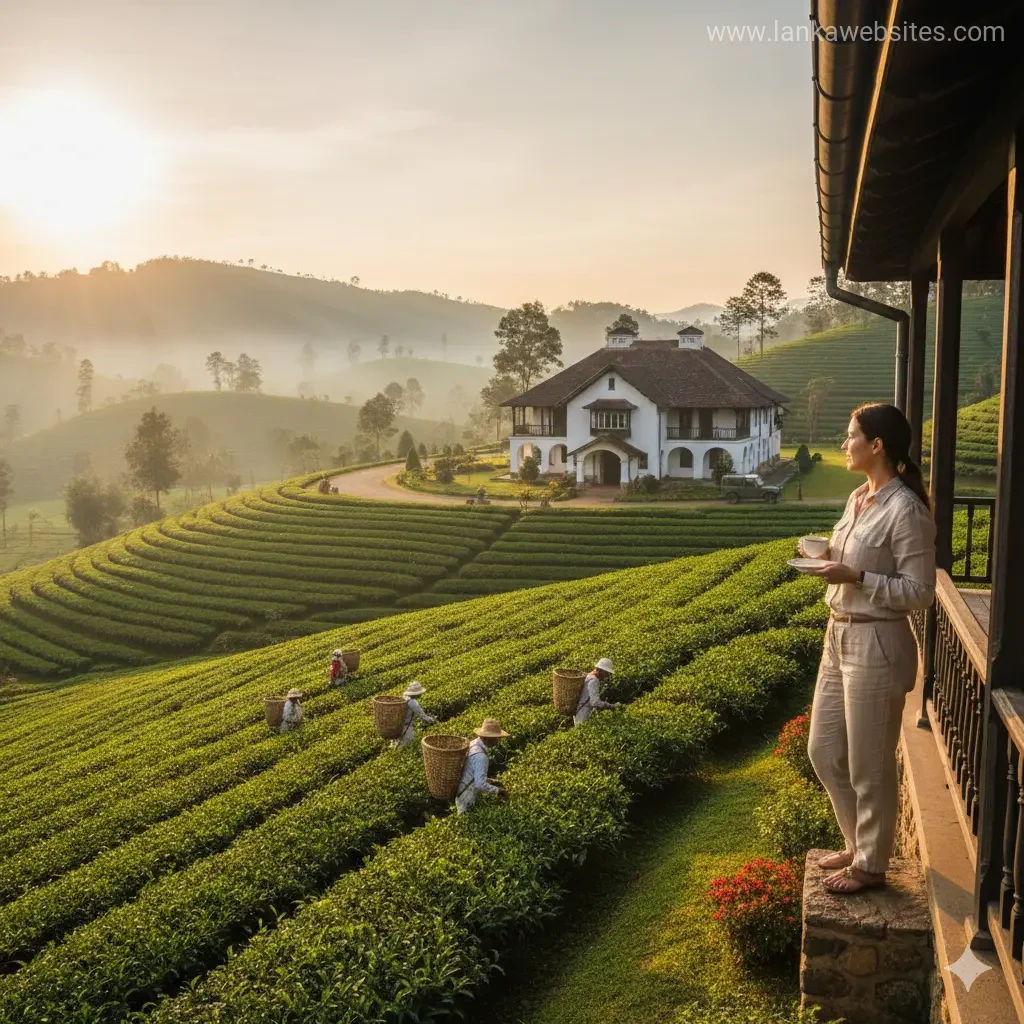
Imagine waking up to the misty hills of Nuwara Eliya, the aroma of fresh Ceylon tea brewing on your veranda, and stepping out to watch tea pluckers at work on the very estate where you're staying. Tha
The Lankawebsites editorial team curates, fact-checks, and updates guides on personal finance, property, health, immigration, legal, business, and lifestyle topics relevant to Lankawebsites readers. Articles are produced with AI assistance and reviewed by the editorial team before publication.
Imagine waking up to the misty hills of Nuwara Eliya, the aroma of fresh Ceylon tea brewing on your veranda, and stepping out to watch tea pluckers at work on the very estate where you're staying. That's the essence of tea tourism in Sri Lanka – staying on a working estate like a planter, immersing yourself in our island's iconic tea heritage without leaving the source.
For us locals, this isn't just a holiday; it's a chance to reconnect with Sri Lanka's lifeblood. Our tea industry employs thousands and shapes the Central Highlands' landscape. In 2026, with eco-tourism booming, more estates offer stays that let you live like the planters of old – from factory tours to high-grown tea tastings – all while supporting local communities.
Why Tea Tourism Appeals to Sri Lankans in 2026
We're lucky to have the world's finest tea right here, but many of us haven't ventured beyond Colombo's traffic to experience it up close. Tea tourism offers a perfect getaway for digital nomads seeking reliable Wi-Fi amid serene hills, wellness seekers craving fresh air hikes, or families wanting themed adventures. Estates now blend colonial charm with modern comforts, like solar-powered bungalows and yoga sessions overlooking tea fields.
Post-2024 economic recovery, prices have stabilised, making it accessible. A weekend stay starts at LKR 25,000 per night for two, including meals – far cheaper than coastal resorts, with the bonus of cultural depth.
Digital Nomads: Work with a View
Remote workers, you'll love estates like Ceylon Tea Trails in the Hill Country. These Relais & Chateaux properties on working tea estates offer high-speed fibre internet (up to 100Mbps in 2026), co-working verandas, and uninterrupted views. Trek to a café in the morning, then plug in while sipping estate-fresh tea. It's productivity boosted by altitude – cooler temps mean no afternoon slumps.
Wellness Retreats Amid Tea Bushes
Wellness fans, picture spa treatments using tea-infused oils, followed by guided hikes through undulating plantations. Many estates promote "tea therapy" – antioxidant-rich brews for detoxification. Combine with ayurvedic centres nearby in Ella or Haputale for holistic escapes that nourish body and mind.
Themed Travel: Live the Planter's Life
Channel British colonial planters with croquet on manicured lawns, afternoon tea sans milk to savour delicate flavours, or tiffin picnics in the fields. It's themed travel at its best – history, nature, and our Tamil tea communities woven together.
Top Working Tea Estates for Authentic Stays
Sri Lanka's Central Highlands, a UNESCO site, host most estates. Here's where to book for that planter immersion, all operational in 2026 with visitor accommodation.
Holyrood Estate, Near Nuwara Eliya
Home to Dilmah tea, this 465-hectare estate houses 4,000 residents, including 680 pluckers targeting 18kg daily. Stay in restored bungalows once used by managers. Watch women in raincoats pluck "two leaves and a bud" from 8am-4:30pm, with lunch breaks. Community facilities like schools and clinics highlight the family-like bond. Rates: LKR 30,000/night, including tours.
Ceylon Tea Trails, Hill Country
A luxury pick on a historic estate, featuring pools, tennis, and spa. Private factory tours show drying, fermenting, and grading. Hike with pluckers from multi-generational families, then enjoy planter's picnics. Perfect for couples; from LKR 60,000/night.
Handunugoda Tea Estate, Southern Lowlands
For a warmer twist, this Ahangama estate offers virgin white tea tours in a colonial bungalow. See hand-harvesting to processing, taste unique varieties. Stays in plantation villas from LKR 20,000/night – ideal for day trips from Galle.
Pro tip for locals: Use the Sri Lanka Tourism Development Authority's portal (tourismsrilanka.lk) to verify 2026 certifications ensuring ethical operations and worker welfare, per Labour Department guidelines.
Practical Tips for Booking and Visiting
Planning your tea tourism trip? Here's actionable advice tailored for us Sri Lankans.
- Getting There: Trains from Colombo Fort to Nanu Oya (Nuwara Eliya) cost LKR 250-1,000, passing through estates – scenic and budget-friendly. Buses via Kandy work too. Taxis from Bandarawela station: LKR 5,000 one-way.
- Best Time: March-May (dry season) or August-September. Avoid monsoons; mist adds romance but muddies trails.
- Packing Essentials: Layers for 10-20°C chills, sturdy shoes for hikes, rain gear. Download offline maps via PickMe app.
- Budget Breakdown (Weekend for Two):
Item Cost (LKR) Train/Bus 2,000 2-Night Stay 50,000-120,000 Meals & Tours 10,000 Total 62,000-132,000 - Sustainable Choices: Opt for estates supporting MJF Foundation initiatives for worker education and health. Boycott non-certified spots to uphold fair wages (avg. LKR 2,000/day in 2026).
Your Day as a Planter: A Sample Itinerary
- 7am: Sunrise yoga overlooking fields.
- 8am: Join pluckers; learn the "chooty" basket technique.
- 10am: Factory tour: Watch rolling, fermenting, sorting.
- 12pm: Tiffin lunch – rice, curry, estate tea.
- 2pm: Guided hike or croquet.
- 4pm: Tea tasting session; buy high-grown leaves (LKR 1,500/kg).
- Evening: Veranda sundowners, stargazing.
This routine mirrors real planter life, blending work and leisure.
FAQ: Common Questions on Tea Tourism
1. Is tea tourism suitable for families with kids?
Yes! Estates have safe trails, schools for context, and activities like picnics. Check for family bungalows; avoid steep hikes for little ones.
2. How much does staying on a working estate cost in 2026?
Budget: LKR 20,000-40,000/night; luxury: LKR 60,000+. Includes tours, meals. Book via estate sites or SLTDA for deals.
3. Are the estates ethical and worker-friendly?
Top ones like Holyrood provide housing, healthcare, education via foundations like MJF. Verify SLTDA certification.
4. Can I visit factories without staying overnight?
Absolutely – many allow drop-ins (LKR 500-2,000) during work hours. Public transport makes it easy.
5. What's the difference between highland and lowland tea estates?
Highland (Nuwara Eliya): Cooler, robust black teas. Lowland (Handunugoda): Warmer, lighter like white tea. Both offer stays.
6. Do I need a visa or permits as a local?
No permits needed; just your NIC. Estates welcome day visitors too.
Ready to Book Your Tea Estate Escape?
Don't miss this uniquely Sri Lankan experience – staying on a working estate lets you taste, touch, and live our tea story. Start by checking availability on official estate websites or the Sri Lanka Tourism app. Pack light, book trains early, and prepare for refreshment like never before. Your planter adventure awaits in those mist-shrouded hills.
Related Articles

Birding & Nature Photography Tours in Sri Lanka: How to Plan One
Sri Lanka's reputation as one of Asia's premier destinations for birding and nature photography isn't accidental—the island's incredible biodiversity, compact size, and accessibility make it ideal for

Is Sri Lanka the Next Big Digital Nomad Destination? Pros, Cons & Best Bases
Imagine waking up to the sound of waves crashing on golden beaches, sipping fresh king coconut while tapping away on your laptop from a beachside café in Mirissa. That's the dream Sri Lanka's new Digi

Romantic Getaways in Sri Lanka: Honeymoon Itineraries and Stays
Imagine whispering sweet nothings on a secluded beach at sunset, or strolling hand-in-hand through misty tea plantations—Sri Lanka's romantic getaways offer locals like us the perfect escape without l

Buddhist Pilgrimage Routes in Sri Lanka: Sacred Sites in One Journey
Sri Lanka's Buddhist pilgrimage routes offer one of the world's most profound spiritual journeys, weaving together ancient temples, sacred relics, and centuries of devotion into a transformative exper