Sri Lanka's Role in Iran-US Conflict: Timeline of EEZ Incidents

Sri Lanka finds itself at the centre of an unprecedented international crisis as the Iran-US conflict escalates into the Indian Ocean. What started as a regional confrontation in the Persian Gulf has
The Lankawebsites editorial team curates, fact-checks, and updates guides on personal finance, property, health, immigration, legal, business, and lifestyle topics relevant to Lankawebsites readers. Articles are produced with AI assistance and reviewed by the editorial team before publication.
Sri Lanka finds itself at the centre of an unprecedented international crisis as the Iran-US conflict escalates into the Indian Ocean. What started as a regional confrontation in the Persian Gulf has now directly threatened our nation's sovereignty, with military attacks occurring within our Exclusive Economic Zone (EEZ) and forcing our government to take urgent diplomatic action. Understanding these developments is crucial for every Sri Lankan, as they affect our maritime security, economic interests, and geopolitical standing.
The Escalation: How the Conflict Reached Our Waters
The 2026 Iran-US conflict began on 28 February 2026, when Israel and the United States launched coordinated joint attacks on various sites in Iran. What seemed like a distant regional conflict quickly spiralled into something far more serious for Sri Lanka.
In retaliation, Iran launched dozens of drones and ballistic missiles throughout the Persian Gulf at targets in Israel and US military bases across Jordan, Kuwait, Bahrain, Qatar, Iraq, Saudi Arabia, and the United Arab Emirates. Iran also closed the Strait of Hormuz, disrupting global oil and gas shipments—a move with serious implications for Sri Lanka's energy security and international trade.
The situation intensified when the conflict expanded beyond the Gulf region. By early March 2026, military operations had moved dangerously close to our shores, bringing the "West Asian war" directly into the Indian Ocean, as observers have described it.
The IRIS Dena Incident: Attack Within Our EEZ
What Happened on 5 March 2026
On Wednesday, 5 March 2026, a major incident unfolded off Sri Lanka's southern coast. A US nuclear submarine sank the Iranian warship IRIS Dena within Sri Lanka's Exclusive Economic Zone, approximately 40 miles off our coast.
The IRIS Dena, which carried around 180 crew members, issued a distress call to the Sri Lanka Navy early that Wednesday morning after being attacked. The attack was devastating: at least 87 sailors were killed in the incident. The vessel's location was initially identified only from a small oil slick, as Sri Lanka Navy spokesman Commander Buddhika Sampath noted at a media briefing.
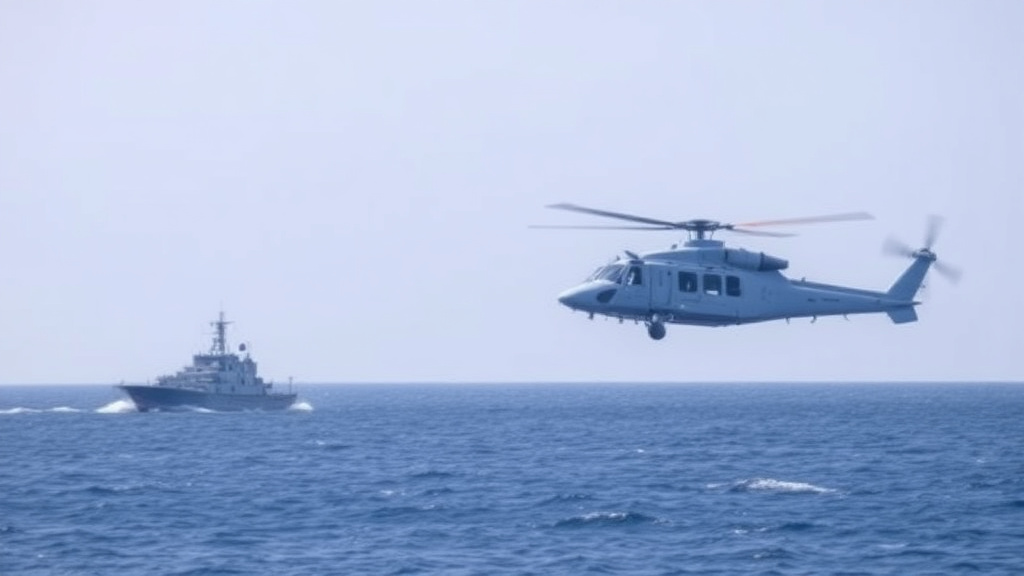
The Sri Lanka Navy and Sri Lanka Air Force immediately launched a search-and-rescue mission under international maritime obligations, deploying naval vessels and aircraft to the area. So far, 32 survivors have been rescued and are receiving medical care, whilst two freezers have been dispatched to store recovered bodies.
The Sovereignty Question
This incident struck at the heart of Sri Lanka's sovereignty. Sri Lankan opposition leader and member of parliament Sajith Premadasa described the attack as a "death blow" to the country's sovereignty.
"The Exclusive Economic Zone is for economic activities. It is not for military action," Premadasa stated, highlighting the fundamental breach of international maritime law.
The EEZ, which extends 200 nautical miles from our coast, is where Sri Lanka has exclusive rights to exploit mineral and living resources. It's not designated for military operations, making the US submarine attack a serious violation of our maritime rights under international law.
International Perspectives on the Attack
The Iranian Foreign Minister Abbas Araghchi claimed that the US struck the vessel in international waters and without warning, though the incident clearly occurred within Sri Lanka's EEZ. The US claimed responsibility for the attack, whilst Sri Lanka said it was investigating the incident.
Indian naval experts expressed serious concern. Admiral Arun Prakash, former Chief of the Naval Staff of India, described the incident as "irresponsible" and expressed shock that a US attack submarine had been operating in waters so close to India. He emphasised that the conflict now threatens global trade, energy supplies, and maritime security in the Indian Ocean, with potential significant economic impact on India and the region.
The Second Iranian Vessel: IRIS Bushehr
New Threat to Our Waters
Just one day after the IRIS Dena sank, Sri Lanka faced an even more complex situation. A second Iranian ship, the IRIS Bushehr, was reported in Sri Lanka's Exclusive Economic Zone on Thursday, 6 March 2026.
Sri Lanka's cabinet spokesman Nalinda Jayatissa informed parliament that Colombo was aware of the vessel and was taking urgent measures. "The President, defence officials, and all other relevant officials are aware and we are addressing the situation. We are doing our utmost to safeguard lives," he said.
Historic Internment Decision
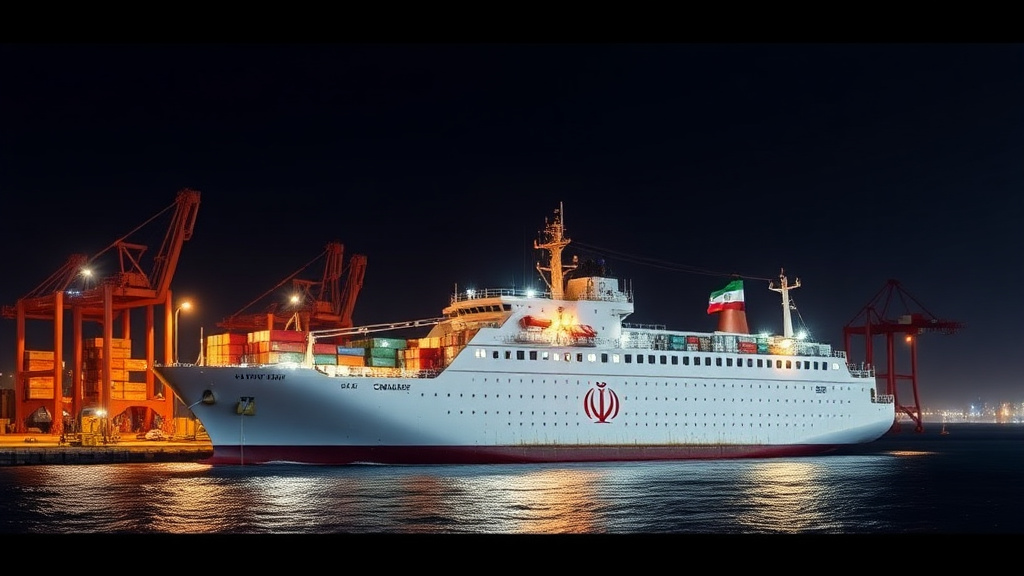
In a remarkable historical development, the Sri Lankan Navy interned the IRIS Bushehr and its crew of 208. This represents the first instance of a warship being interred in a neutral country since World War II—a decision that demonstrates Sri Lanka's careful balancing act between respecting international maritime law and protecting our sovereignty.
The internment of the vessel allows Sri Lanka to prevent it from becoming a target of further military action whilst ensuring the safety of its crew. This action underscores our nation's commitment to maintaining neutrality and upholding international maritime obligations.
What This Means for Sri Lanka
Economic and Security Implications
The expansion of the Iran-US conflict into the Indian Ocean has serious consequences for Sri Lanka:
- Maritime Security: The presence of military vessels and submarines operating in our EEZ poses direct risks to our shipping lanes and fishing communities.
- Energy Security: Iran's closure of the Strait of Hormuz disrupts global oil and gas shipments, affecting fuel prices and availability in Sri Lanka.
- Economic Impact: Tensions in the Indian Ocean threaten global trade routes that pass through our region, affecting our ports and shipping industry.
- Geopolitical Pressure: Sri Lanka must navigate complex diplomatic relationships with the US, Iran, India, and other regional powers.
Our Government's Response
The Sri Lankan government has taken several important steps:
- Launching immediate search-and-rescue operations for survivors
- Investigating the incident and documenting violations of our EEZ
- Engaging diplomatically with all parties involved
- Interning the IRIS Bushehr to prevent further military action and protect lives
- Monitoring the situation closely with defence and security officials
Understanding Sri Lanka's Exclusive Economic Zone
For Sri Lankan readers unfamiliar with maritime law, it's important to understand what the EEZ means:
Sri Lanka's EEZ extends 200 nautical miles from our coast and is governed by international maritime law, specifically the United Nations Convention on the Law of the Sea (UNCLOS). Within this zone, Sri Lanka has exclusive rights to:
- Exploit natural resources (fish, minerals, oil, and gas)
- Conduct economic activities such as fishing and shipping
- Install artificial structures for economic purposes
However, other nations retain the right to freedom of navigation and overflight in the EEZ, provided they respect our sovereign rights. Military attacks are not permitted under international law, which is why the US submarine strike on the IRIS Dena represents such a serious breach.
Regional Concerns and India's Position
India, our closest neighbour, has expressed serious concern about the escalation. The IRIS Dena had participated in naval exercises with the Indian Navy and attended the International Fleet Review in Visakhapatnam just days before the attack.
Indian naval experts argue that bringing military conflict to the Indian Ocean threatens the entire region's stability. Admiral Prakash called for India to convey its "deep concern and displeasure" to the United States, emphasising that this conflict is "needless, open-ended, pointless" and threatens global trade, energy supplies, and maritime security.
What Happens Next?
As Sri Lankans, we must stay informed about these developments. Our government continues to monitor the situation closely, and international negotiations are ongoing. The US has indicated it may complete its operations within a four-week timeframe, though the situation remains fluid.
For now, our focus should be on supporting the survivors of the IRIS Dena incident, respecting international maritime law, and ensuring that our nation's sovereignty is protected. The internment of the IRIS Bushehr shows that Sri Lanka can navigate these complex waters responsibly.
Keep up with official government announcements through the Ministry of Defence and the Sri Lanka Navy for the latest updates on this developing situation. Our nation's response to this crisis will shape how we're perceived internationally and our role in regional stability.
Frequently Asked Questions
Sources & References
-
1
US attack on Iranian ship near Sri Lanka: What we know so far — www.thenationalnews.com
-
2
Sri Lanka Responds to Second Iranian Ship Near Coast After US Attack — www.youtube.com
-
3
US Submarine Sinks Iranian Warship 40 Miles Off Sri Lanka — www.youtube.com
-
4
2026 Iran war — en.wikipedia.org
-
5
US strikes Iranian warship within Sri Lanka's Exclusive Economic Zone — www.dailymirror.lk
Related Articles
SL Navy's IRIS Dena Rescue: Comparing Response Times to Past Operations
The dramatic rescue of 32 Iranian sailors from the sinking IRIS Dena frigate has spotlighted the Sri Lanka Navy's swift action just off our southern coast. As locals, we're proud of how our forces res
Colombo Port Hosts IRIS Bushehr Crew: SL's Maritime Neutrality Spotlight
Imagine a massive Iranian naval ship, the IRIS Bushehr, anchoring just outside our bustling Colombo Port amid rising tensions in the Indian Ocean. This isn't a movie scene—it's happening right now in

Iran FM Thanks Sri Lanka for Aid in Rescuing Sailors After US Strike on IRIS Bushehr
Sri Lanka's navy has once again proven its prowess in humanitarian rescue operations, swiftly responding to a distress call from the sinking Iranian ship IRIS Bushehr near our southern waters off Gall

Sri Lanka Co-Hosts T20 World Cup 2026: Must-Win Match Against New Zealand in Colombo
Sri Lanka's cricket journey at the ICC Men's T20 World Cup 2026 reached a critical juncture when we faced New Zealand in a Super 8 Group 2 showdown at the R. Premadasa Stadium in Colombo on 25 Februar