Colombo Port Hosts IRIS Bushehr Crew: SL's Maritime Neutrality Spotlight
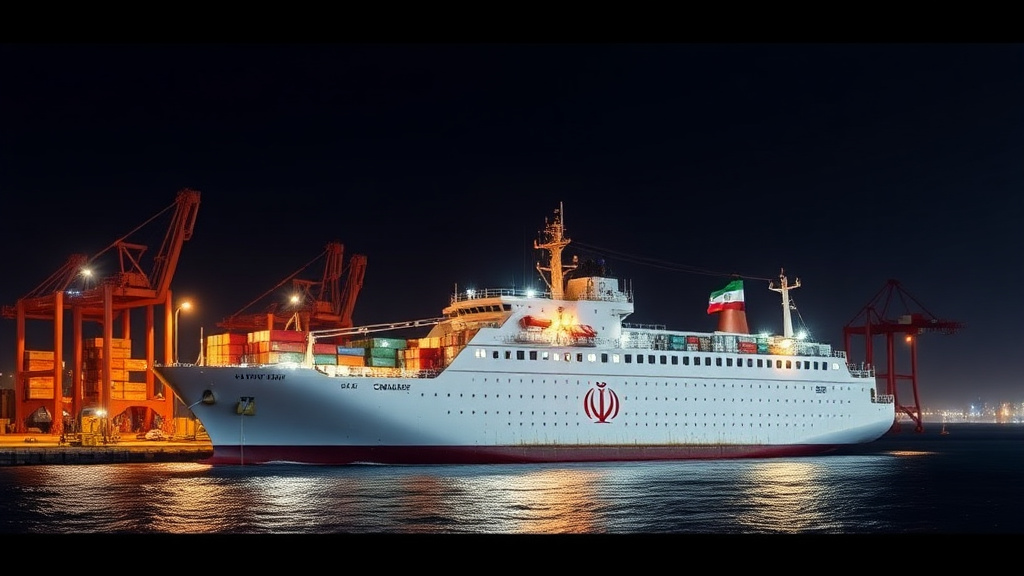
Imagine a massive Iranian naval ship, the IRIS Bushehr, anchoring just outside our bustling Colombo Port amid rising tensions in the Indian Ocean. This isn't a movie scene—it's happening right now in
The Lankawebsites editorial team curates, fact-checks, and updates guides on personal finance, property, health, immigration, legal, business, and lifestyle topics relevant to Lankawebsites readers. Articles are produced with AI assistance and reviewed by the editorial team before publication.
Imagine a massive Iranian naval ship, the IRIS Bushehr, anchoring just outside our bustling Colombo Port amid rising tensions in the Indian Ocean. This isn't a movie scene—it's happening right now in 2026, as Sri Lanka steps up to uphold our maritime neutrality while showing the world our humanitarian heart. With over 200 crew members safely brought ashore and the vessel headed to Trincomalee, this event spotlights how we balance global conflicts with our own port operations.
What Happened at Colombo Port?
On March 4, 2026, the Iranian naval auxiliary ship IRIS Bushehr, a 107-108 metre long Bandar Abbas-class fleet supply vessel built in 1974, requested permission to enter Colombo Port due to engine damage. Carrying around 208 crew members—including 53 officers, 84 cadet officers, 48 senior sailors, and 23 sailors—the ship had been part of Iran's participation in the 2026 International Fleet Review in India alongside the IRIS Dena, which tragically sank off our southern coast after a U.S. submarine attack on March 4.
Sri Lanka Navy vessels swiftly responded, transferring the crew to Colombo Port for medical checks and immigration at the Welisara naval base north of the capital. By March 6, 204 personnel were safely ashore, with the operation ongoing under Navy Media Spokesperson Commander Buddhika Sampath's updates. The ship itself, displacing 4,748 tons at full load with over 3,200 gross tons capacity, won't stay in Colombo—it's being escorted to Trincomalee by a skeleton crew including Sri Lankan personnel to avoid disrupting our main commercial hub.
Timeline of Events
- February 26, 2026: Iran requests port visits for three vessels, including IRIS Bushehr and IRIS Dena, between March 9-13—request still under assessment by our Foreign Ministry.
- March 4: IRIS Dena sinks 20 nautical miles west of Galle in our SAR region; Indian Navy aids with P-8I aircraft alongside our efforts. Bushehr seeks entry same day due to engine failure.
- March 5: President Anura Kumara Dissanayake announces Sri Lanka takes charge of Bushehr and crew, prioritising neutrality and humanitarian aid.
- March 6: 204 crew evacuated to Colombo; ship en route to Trincomalee.
Sri Lanka's Maritime Neutrality in Action
Our constitution and foreign policy emphasise non-alignment, a principle rooted in the Bandaranaike era and reinforced today. President Dissanayake stressed safeguarding neutrality while upholding humanitarian values—no civilian should die in wars, as he noted on social media. By not docking the Bushehr in Colombo, we protect our key trade gateway, which handles 60% of our container traffic and generates billions in revenue annually for the Sri Lanka Ports Authority (SLPA).
This mirrors past instances, like denying Chinese research vessels in 2024 to avoid perceptions of militarisation. Under the United Nations Convention on the Law of the Sea (UNCLOS), which we've ratified, we're obliged to provide assistance in distress but can control port access for security. Trincomalee, with its deeper berths and naval history from British colonial times, is ideal—it's less commercial but strategically secure for such operations.
Why Not Colombo? Protecting Our Economy
Colombo Port is our lifeline: in 2025, it saw 7.2 million TEUs, fuelling exports like tea, garments, and tourism. Anchoring a vessel from a nation in conflict could spike insurance premiums by 20-30%, deter shipping lines, and invoke sanctions risks under U.S. laws like CAATSA—lessons from the 2023-2024 foreign vessel controversies. Moving to Trincomalee safeguards jobs for 50,000+ port workers and keeps freight rates stable for us locals importing essentials like rice and fuel.
Global Conflict Context and Port Operations
This unfolds against U.S.-Iran tensions post the IRIS Dena sinking—one of the rare post-WWII submarine strikes on a warship—linked to broader Middle East escalations after strikes on Tehran. Iran's Foreign Minister called it an "atrocity at sea," heightening Indian Ocean stakes where we sit at the crossroads of 80% of global energy trade routes.
For Sri Lanka, it's a tightrope: India aided our Dena SAR, underscoring neighbourly ties, while U.S. presence grows via Quad initiatives. Our Navy's SLNS Samudura and P-8I collaborations show coordinated regional SAR under IMO conventions. Amid 2026's fleet reviews and exercises, ports like Hambantota and Galle stay vigilant, with SLPA's 24/7 monitoring via AIS and radar.
Impact on Local Shipping and Trade
- Delays Risk: Belligerent vessels can cause 1-2 day backups, costing LKR 500 million daily in lost throughput.
- Insurance Hikes: War risk premiums rose 15% after Dena incident; locals face higher fuel and goods prices.
- Opportunities: Trincomalee's upgrade under SLPA's 2026-2030 plan could boost eco-tourism and oil transshipment.
Practical Tips for Sri Lankans
If you're a business owner, exporter, or just tracking shipments:
- Monitor SLPA Alerts: Check SLPA website or Navy updates for real-time port status—apps like MarineTraffic show vessel positions.
- Review Contracts: Force majeure clauses in shipping deals cover conflicts; consult Ceylon Shipping Corporation for advice.
- Stock Essentials: With potential fuel volatility, bulk-buy rice via LIR Logistix or government co-ops.
- Report Suspicious Activity: Call Navy hotline 0112-322-124 or Police 119—your vigilance keeps seas safe.
- Support Neutrality: Engage MPs on balanced foreign policy via Parliament portal.
Fisherfolk near Galle or Trincomalee: Stay within 200m limits, use VHF Channel 16 for Navy coords during SAR.
Next Steps for Us in Sri Lanka
Stay informed via official channels like the President's Media Division and SL Navy socials. If you're in logistics, diversify routes via Galle or Hambantota. This Bushehr episode reinforces our smart diplomacy—humanitarian yet firm. Let's support our Navy's efforts and keep pushing for peaceful seas that boost our economy. For updates, follow Lanka Websites for more on Colombo Port Iranian ship and SL maritime neutrality.
Frequently Asked Questions
Sources & References
-
1
Sri Lanka Takes Charge of Iranian Naval Auxiliary Ship IRINS Bushehr — www.navalnews.com
-
2
204 from Iranian naval vessel safely evacuated to Colombo port — english.news.cn
-
3
Sri Lanka takes control of Iranian Navy ship IRIS Bushehr after US submarine sinks IRIS Dena — www.armyrecognition.com
- 4
- 5
- 6
Related Articles
SL Navy's IRIS Dena Rescue: Comparing Response Times to Past Operations
The dramatic rescue of 32 Iranian sailors from the sinking IRIS Dena frigate has spotlighted the Sri Lanka Navy's swift action just off our southern coast. As locals, we're proud of how our forces res

Iran FM Thanks Sri Lanka for Aid in Rescuing Sailors After US Strike on IRIS Bushehr
Sri Lanka's navy has once again proven its prowess in humanitarian rescue operations, swiftly responding to a distress call from the sinking Iranian ship IRIS Bushehr near our southern waters off Gall

Sri Lanka Co-Hosts T20 World Cup 2026: Must-Win Match Against New Zealand in Colombo
Sri Lanka's cricket journey at the ICC Men's T20 World Cup 2026 reached a critical juncture when we faced New Zealand in a Super 8 Group 2 showdown at the R. Premadasa Stadium in Colombo on 25 Februar

83 Bodies Recovered from Sunken Iranian Frigate Off Sri Lanka's Southern Coast
Imagine the tense early morning hours off our southern coast, where the Sri Lanka Navy's swift response to a distress call turned into a grim recovery mission. As of March 6, 2026, search teams have r