Iran FM Thanks Sri Lanka for Aid in Rescuing Sailors After US Strike on IRIS Bushehr

Sri Lanka's navy has once again proven its prowess in humanitarian rescue operations, swiftly responding to a distress call from the sinking Iranian ship IRIS Bushehr near our southern waters off Gall
The Lankawebsites editorial team curates, fact-checks, and updates guides on personal finance, property, health, immigration, legal, business, and lifestyle topics relevant to Lankawebsites readers. Articles are produced with AI assistance and reviewed by the editorial team before publication.
Sri Lanka's navy has once again proven its prowess in humanitarian rescue operations, swiftly responding to a distress call from the sinking Iranian ship IRIS Bushehr near our southern waters off Galle. In a remarkable display of our nation's commitment to neutrality and human life, we've rescued over 30 sailors amid escalating tensions following a US strike on the Iranian warship IRIS Dena, earning heartfelt thanks from Iran's Foreign Minister Abbas Araghchi.
This incident highlights Sri Lanka's pivotal role in the Indian Ocean, where our strategic location demands balanced diplomacy. As locals, you'll want to know how this affects our maritime security, what it means for our foreign policy, and practical steps to stay informed and safe.
What Happened: Timeline of the IRIS Bushehr Rescue
The drama unfolded on 4 March 2026, when the IRIS Bushehr, an Iranian naval vessel, issued a distress signal off the coast of Galle in southern Sri Lanka. Local media first reported the incident, noting the ship was listing badly after sustaining damage reportedly linked to the prior US attack on its sister ship, IRIS Dena.
US Strike on IRIS Dena: The Spark
Just days earlier, on 3 March 2026, a US submarine sank the Iranian warship IRIS Dena off Sri Lanka's coast in a rare post-WWII surface warship takedown. This strike, part of broader US-Israeli actions against Iran, resulted in significant casualties: Sri Lankan forces recovered 87 bodies and rescued 32 sailors from the Dena wreckage. Iran's Foreign Minister Abbas Araghchi described it as an "atrocity at sea," vowing the US would "bitterly regret" the action, as the Dena carried nearly 130 crew—close to its standard capacity of 140.
The Bushehr, seeking refuge, anchored outside our territorial waters and requested aid. Our navy acted decisively, dispatching vessels to the scene.
Sri Lanka's Swift Response
Sri Lankan Foreign Minister Vijitha Herath informed parliament that at least 30 people were recovered from the Bushehr, with injured sailors admitted to Galle Hospital. Navy spokesman Cmdr. Buddhika Sampath confirmed over 200 sailors were transferred to Colombo port, undergoing medical checks and immigration before heading to the Welisara naval base north of the capital.
By Friday, 6 March 2026, Sri Lanka had taken control of the Bushehr, planning to tow it to Trincomalee on our northeast coast—about 265 km from Colombo. Some crew remain aboard to assist navigation, embodying our humanitarian approach without taking sides.
"We have followed a very clear stance. We will not be biased to any state nor will we be submissive to any state." — Sri Lankan official on the operation
Iran FM's Gratitude: "Iran FM Sri Lanka Thanks" Echoes Globally
Iran's top diplomat, Abbas Araghchi, publicly thanked Sri Lanka for the rescue efforts post-US strike on the Iranian ship. In a statement via Iran's Foreign Ministry, he praised our "timely assistance" in saving sailors from the Bushehr, underscoring the bond amid "US strike Iranian ship SL" tensions. This "Iran FM Sri Lanka thanks" moment has trended internationally, boosting our image as a neutral player.
For us in Sri Lanka, it's a reminder of how our small island punches above its weight in global affairs, much like our UN peacekeeping roles or aid during the 2004 tsunami.
Sri Lanka's Neutral Stance in Geopolitical Storms
Our non-aligned foreign policy, rooted in the Bandaranaike era, shines here. President Anura Kumara Dissanayake's government reiterated neutrality, prioritising humanitarian principles over superpower pressures. This aligns with our Constitution's emphasis on sovereignty and the Maritime Zones Act, which governs rescues in our Exclusive Economic Zone (EEZ) up to 200 nautical miles.
In 2026, with Indian Ocean shipping lanes vital for our tea exports and remittances, such incidents test our resolve. We've handled similar crises, like the 2023 MV Wakashio spill near Mauritius, where SL Navy expertise was sought.
Legal Framework Guiding Our Actions
- Search and Rescue (SAR) under IMO Conventions: Sri Lanka adheres to the International Convention on Maritime Search and Rescue (SAR), mandating aid to vessels in distress regardless of flag.
- Coast Guard Act No. 21 of 2025: Updated in 2026, it empowers our Navy and Coast Guard for EEZ operations, ensuring quick response off Galle or Trincomalee.
- Foreign Vessels Act: Allows temporary control of ships like Bushehr for safety, with immigration via the Department of Immigration and Emigration.
Impact on Sri Lanka: Local and Economic Ripples
This "US strike Iranian ship SL" event disrupts Indian Ocean trade routes we rely on. Oil prices surged 8% amid Middle East fears, hitting our fuel imports and bus fares. Galle fishermen report increased patrols, but no fishing bans yet—check Navy advisories via navy.lk.
Humanitarian and Health Support
Injured sailors at Galle Hospital received care under our universal health system. Locals near Welisara or Trincomalee may see naval activity; report concerns to the Disaster Management Centre hotline: 117.
Economic Opportunities?
Trincomalee's port upgrade under the 2026 Western Region Megapolis project could see maintenance work for Bushehr, creating jobs for eastern locals. Our diplomacy might open Iranian tea markets too.
Practical Tips for Sri Lankans: Stay Safe and Informed
As tensions simmer, here's actionable advice tailored for us:
- Monitor Maritime Alerts: Follow Sri Lanka Navy (navy.lk) and Meteorology Department apps for Galle/Trincomalee updates.
- Safety at Sea: Fishermen, equip EPIRBs (Emergency Position-Indicating Radio Beacons) per 2026 Fisheries Act—subsidies available via DFAR.
- Travel Precautions: Avoid southern coasts; use 119 for emergencies. Tourists in Galle, stick to marked areas.
- Support Diplomacy: Engage via Foreign Ministry portal; petitions for neutral policy gain traction on social media.
- Economic Prep: Stock fuel; with oil volatility, budget extra for three-wheelers.
Broader Implications for Sri Lanka's Diplomacy
This rescue reinforces our humanitarian leadership, akin to aiding Rohingya boats in 2025. It sparks local interest in careers at the Foreign Ministry or Navy—enlist via navy.lk/careers. Schools in Colombo and Galle can organise talks on neutral diplomacy.
Globally, it pressures the US and Iran to respect sea lanes, benefiting our remittances from Gulf workers.
Next Steps for Sri Lankans
Stay vigilant: Download the 119 app, support our neutral stance by sharing facts, and consider naval careers. This event showcases our resilience—let's build on it for a secure Indian Ocean future. Follow Lanka Websites for updates on how "Iran FM Sri Lanka thanks" evolves.
Frequently Asked Questions
Sources & References
-
1
Sri Lanka says 30 people recovered from sinking Iranian ship near its waters — www.timesofisrael.com
-
2
Iran FM thanks Sri Lanka for helping rescue sailors after U.S. attack on ship - Foreign Ministry — www.marketscreener.com
-
3
Sri Lanka takes control of an Iranian vessel off its coast after US sunk an Iranian warship — www.durangoherald.com
Related Articles
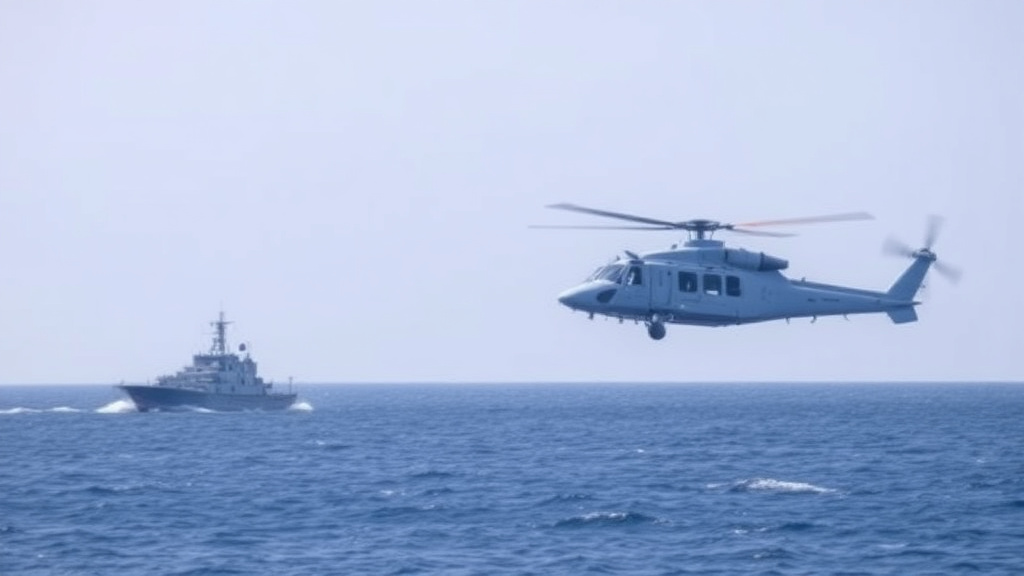
SL Navy's IRIS Dena Rescue: Comparing Response Times to Past Operations
The dramatic rescue of 32 Iranian sailors from the sinking IRIS Dena frigate has spotlighted the Sri Lanka Navy's swift action just off our southern coast. As locals, we're proud of how our forces res
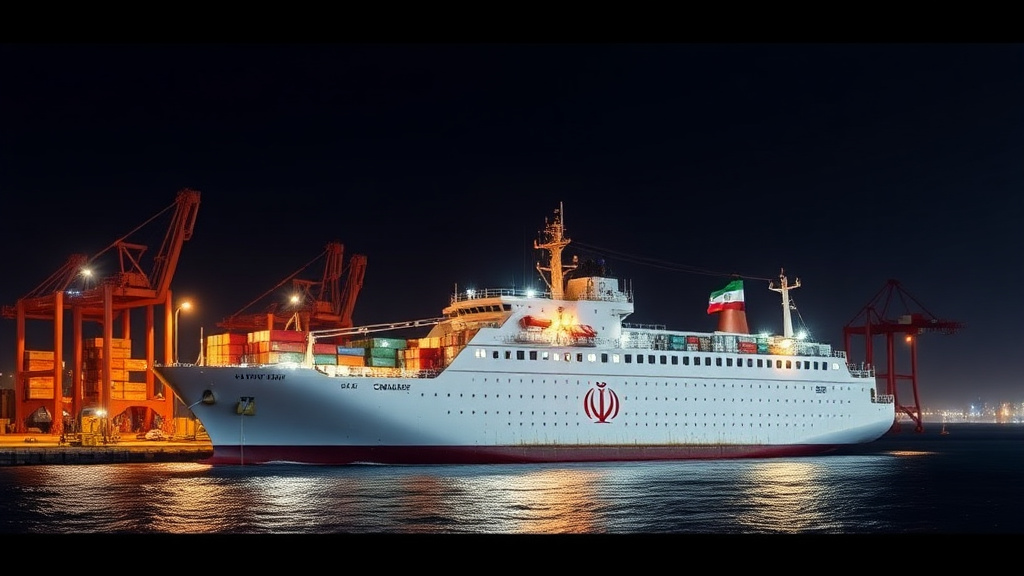
Colombo Port Hosts IRIS Bushehr Crew: SL's Maritime Neutrality Spotlight
Imagine a massive Iranian naval ship, the IRIS Bushehr, anchoring just outside our bustling Colombo Port amid rising tensions in the Indian Ocean. This isn't a movie scene—it's happening right now in

Sri Lanka Co-Hosts T20 World Cup 2026: Must-Win Match Against New Zealand in Colombo
Sri Lanka's cricket journey at the ICC Men's T20 World Cup 2026 reached a critical juncture when we faced New Zealand in a Super 8 Group 2 showdown at the R. Premadasa Stadium in Colombo on 25 Februar

83 Bodies Recovered from Sunken Iranian Frigate Off Sri Lanka's Southern Coast
Imagine the tense early morning hours off our southern coast, where the Sri Lanka Navy's swift response to a distress call turned into a grim recovery mission. As of March 6, 2026, search teams have r