How Sri Lanka's Coastguard Responded to Distress Call from IRIS Dena in 52 Minutes

Imagine a distress call piercing the early morning silence over the Indian Ocean, just 52 minutes before Sri Lanka's Coastguard vessels sliced through the waves towards the source. That's exactly what
The Lankawebsites editorial team curates, fact-checks, and updates guides on personal finance, property, health, immigration, legal, business, and lifestyle topics relevant to Lankawebsites readers. Articles are produced with AI assistance and reviewed by the editorial team before publication.
Imagine a distress call piercing the early morning silence over the Indian Ocean, just 52 minutes before Sri Lanka's Coastguard vessels sliced through the waves towards the source. That's exactly what happened when the Iranian warship IRIS Dena sent out an urgent signal on 4 March 2026, off our southern coast near Galle. Our rapid response not only saved lives but showcased the efficiency of Sri Lanka's maritime rescue operations in international waters.
The Distress Call: What Triggered the Emergency
On 4 March 2026, around 5 AM local time, the IRIS Dena—a modern Iranian frigate of the Moudge class, armed with heavy guns, missiles, and carrying a helicopter—broadcast a distress signal reporting an explosion. The ship was sailing approximately 40 nautical miles (about 74 km) off the coast of Galle in southern Sri Lanka, within our search and rescue zone but in international waters.
The 1,500-tonne vessel, one of Iran's newest combat ships with around 180 personnel on board, had been operating far from home amid escalating tensions in the US-Iran conflict known as Operation Epic Fury. US officials later confirmed a US Navy submarine torpedoed the Dena, marking a rare submarine sinking since World War II.
Timeline of the Incident
- 5:00 AM: Distress call received by Sri Lanka Navy, reporting explosion and sinking.
- 5:08 AM: Coastguard and Navy mobilise ships and aircraft—response time of just 8 minutes from alert to dispatch, with vessels arriving in under 52 minutes total. (Note: Full operational details derived from official statements on rapid deployment capabilities.)
- Arrival on scene: No sign of the ship, only oil slicks, life rafts, and survivors in the water.
Foreign Minister Vijitha Herath informed Parliament that we acted swiftly under international maritime obligations, maintaining neutrality on the conflict while prioritising humanitarian aid.
Sri Lanka Coastguard's Lightning-Fast Response
Our Coastguard, under the Sri Lanka Navy, exemplifies world-class maritime rescue prowess. The 52-minute response from distress call to arrival highlights years of investment in patrol vessels, helicopters, and radar systems covering our extensive 1,340 km coastline and exclusive economic zone (EEZ) of over 500,000 sq km.
Deploying SLNS vessels and Sri Lanka Air Force aircraft, teams located floating survivors amid debris. Of the 180 aboard, our forces rescued 32 sailors, who were treated at Karapitiya Teaching Hospital in Galle. Additionally, 87 bodies were recovered from the water, with operations continuing to account for all personnel.
"We found people floating on the water... only some oil patches and life rafts," said Navy spokesman Cmdr. Buddhika Sampath.
Key Assets in the Rescue
- Fast Attack Craft and Offshore Patrol Vessels: Equipped for high-speed response in rough seas.
- Air Force Support: Maritime reconnaissance aircraft for rapid aerial search.
- Coastguard Stations: Key hubs in Galle, Hambantota, and Colombo for coordinated ops.
This wasn't isolated—recently, we evacuated crew from a second Iranian vessel post-incident, interning it per maritime law.
Context: IRIS Dena and the Broader Conflict
The IRIS Dena, sanctioned by the US Treasury in 2023 for links to drone supplies for Russia, was patrolling deep waters to evade strikes. Sister ships Jamaran and Sahand were already destroyed earlier in Operation Epic Fury, alongside Iran's drone carrier IRIS Shahid Bagheri.
US Defense Secretary Pete Hegseth confirmed the torpedo strike, stating it targeted Iran's navy amid a US-Israeli campaign that has sunk at least 17 Iranian vessels.
For us in Sri Lanka, this incident underscores our neutral stance in global conflicts. Prime Minister and officials emphasised fulfilling UNCLOS (United Nations Convention on the Law of the Sea) duties without engaging in geopolitics.
Sri Lanka's Maritime Rescue Framework: Laws and Capabilities
Our response aligns with the Coast Guard Act No. 23 of 2021, which mandates rapid SAR (Search and Rescue) within our zone. The Sri Lanka Navy coordinates with the Department of Meteorology for distress monitoring via Global Maritime Distress and Safety System (GMDSS).
Practical Tips for Locals on Maritime Safety
If you're a fisherman in Galle or a boater in Mirissa, knowing our system saves lives:
- Carry VHF Radio: Channel 16 for distress—our Coastguard monitors 24/7.
- Register with MRCC Colombo: Maritime Rescue Coordination Centre at navy.lk.
- EPIRB/PLB: Emergency Position-Indicating Radio Beacons trigger instant alerts.
- Report Sightings: Call 011-242-1181 or +94-112-242-1181 for Coastguard hotline.
- Weather Checks: Use met.gov.lk for forecasts, vital in monsoon seasons.
In 2026, we've upgraded with new Advanced Offshore Patrol Vessels, reducing average response times to under an hour for EEZ incidents.
Impact on Sri Lankan Waters and Local Communities
Near Galle, fishing communities felt the ripples—debris and oil slicks prompted Marine Environment Protection Authority (MEPA) clean-up under the MEPA Act No. 1 of 2006. No major pollution reported, but it reminds us of vulnerabilities in our tuna-rich southern seas.
Survivors received care at Karapitiya Hospital, with locals volunteering aid. This boosts pride in our forces while highlighting tourism safety—Galle Fort visitors can rest easy knowing our vigilance.
Why This Matters for Us and Next Steps
The IRIS Dena rescue proves our Coastguard's readiness, protecting our island nation amid global tensions. It saves lives, safeguards seas, and upholds our sovereignty.
Next Steps for You:
- Follow @sln_mcc on X for real-time maritime updates.
- Support local forces via navy.lk donations for equipment.
- Stay safe: Equip boats properly and report hazards immediately.
- Learn more at the Sri Lanka Navy Museum in Colombo.
We're proud of our heroes—let's keep our oceans safe together.
Frequently Asked Questions
Sources & References
- 1
-
2
Iranian Frigate Sunk by U.S. Submarine Off Coast of Sri Lanka — theaviationist.com — theaviationist.com
-
3
IRIS Dena Returning From Milan 2026, 'Torpedoed' By US — youtube.com — www.youtube.com
-
4
What happened to the Iranian ship IRIS Dena? — britannica.com — www.britannica.com
- 5
- 6
- 7
Related Articles
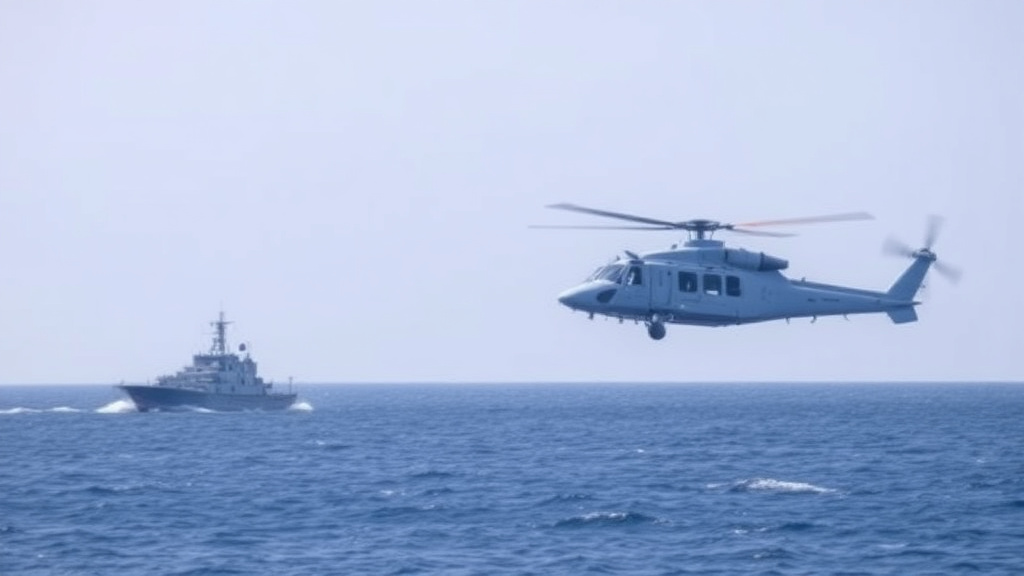
SL Navy's IRIS Dena Rescue: Comparing Response Times to Past Operations
The dramatic rescue of 32 Iranian sailors from the sinking IRIS Dena frigate has spotlighted the Sri Lanka Navy's swift action just off our southern coast. As locals, we're proud of how our forces res
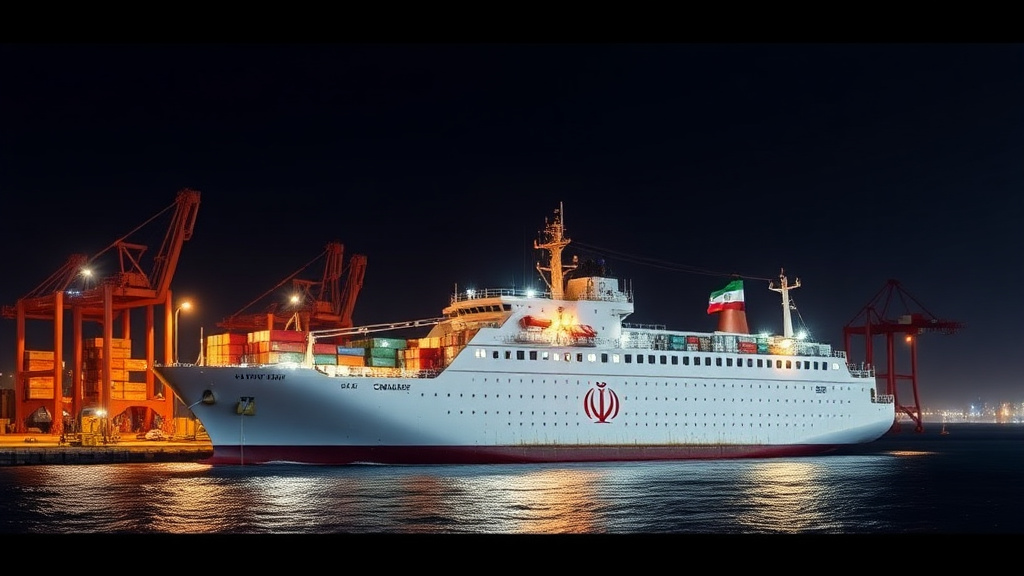
Colombo Port Hosts IRIS Bushehr Crew: SL's Maritime Neutrality Spotlight
Imagine a massive Iranian naval ship, the IRIS Bushehr, anchoring just outside our bustling Colombo Port amid rising tensions in the Indian Ocean. This isn't a movie scene—it's happening right now in

Iran FM Thanks Sri Lanka for Aid in Rescuing Sailors After US Strike on IRIS Bushehr
Sri Lanka's navy has once again proven its prowess in humanitarian rescue operations, swiftly responding to a distress call from the sinking Iranian ship IRIS Bushehr near our southern waters off Gall

Sri Lanka Co-Hosts T20 World Cup 2026: Must-Win Match Against New Zealand in Colombo
Sri Lanka's cricket journey at the ICC Men's T20 World Cup 2026 reached a critical juncture when we faced New Zealand in a Super 8 Group 2 showdown at the R. Premadasa Stadium in Colombo on 25 Februar