204 Iranian Crew from IRIS Bushehr Docked at Colombo Port by SL Navy

On 4 March 2026, the Iranian Navy supply ship IRIS Bushehr requested emergency assistance and permission to dock in Sri Lanka after experiencing engine failure[1]. What unfolded was a significant huma
The Lankawebsites editorial team curates, fact-checks, and updates guides on personal finance, property, health, immigration, legal, business, and lifestyle topics relevant to Lankawebsites readers. Articles are produced with AI assistance and reviewed by the editorial team before publication.
On 4 March 2026, the Iranian Navy supply ship IRIS Bushehr requested emergency assistance and permission to dock in Sri Lanka after experiencing engine failure. What unfolded was a significant humanitarian and diplomatic operation that tested Sri Lanka's commitment to neutrality whilst managing complex geopolitical tensions. The Sri Lankan Navy successfully coordinated the transfer of 208 crew members to Colombo, whilst the vessel itself was secured in Trincomalee—a decision that revealed the intricate balance between international law, maritime safety, and commercial interests that our island nation must navigate.
The Emergency Request and Initial Response
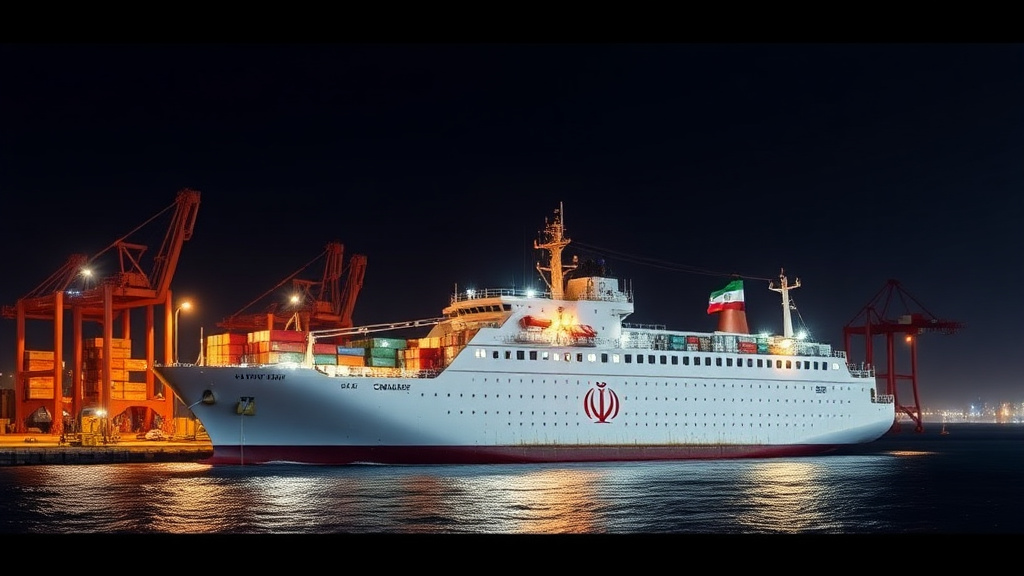
The IRIS Bushehr, a Bandar Abbas-class fleet supply ship operated by the Islamic Republic of Iran Navy, reported engine malfunction whilst in international waters within Sri Lanka's Exclusive Economic Zone (EEZ) on 4 March. The vessel, which carries the pennant number 422, had previously visited Colombo Port on a formal visit in February 2024.
President Anura Kumara Dissanayake revealed that the Iranian ship had formally notified Sri Lanka's Ministry of Foreign Affairs on 4 March, requesting permission to enter a Sri Lankan port either on 4 or 5 March. This request came during an exceptionally sensitive period—just days after the IRIS Dena, another Iranian Navy vessel, had been sunk on 4 March.
The timing created significant diplomatic complexity. Sri Lanka had been assessing an earlier Iranian request for three naval vessels to visit our ports between 9 and 13 March for a cooperation visit, a request that had been submitted on 26 February. The emergency situation with the IRIS Bushehr required immediate decision-making within this broader geopolitical context.
Sri Lanka's Neutral Stance and International Obligations
President Dissanayake emphasised that Sri Lanka, as a neutral state, must manage such situations in line with international conventions, including the 1982 UN Convention on the Law of the Sea. This principle guided every decision made during the operation.
Following discussions with relevant authorities, Sri Lanka proposed to take the crew and vessel under its care, subject to agreed procedures and established international conventions. This approach balanced our humanitarian obligations with our status as a neutral nation, ensuring we didn't inadvertently take sides in the broader Middle Eastern conflict.
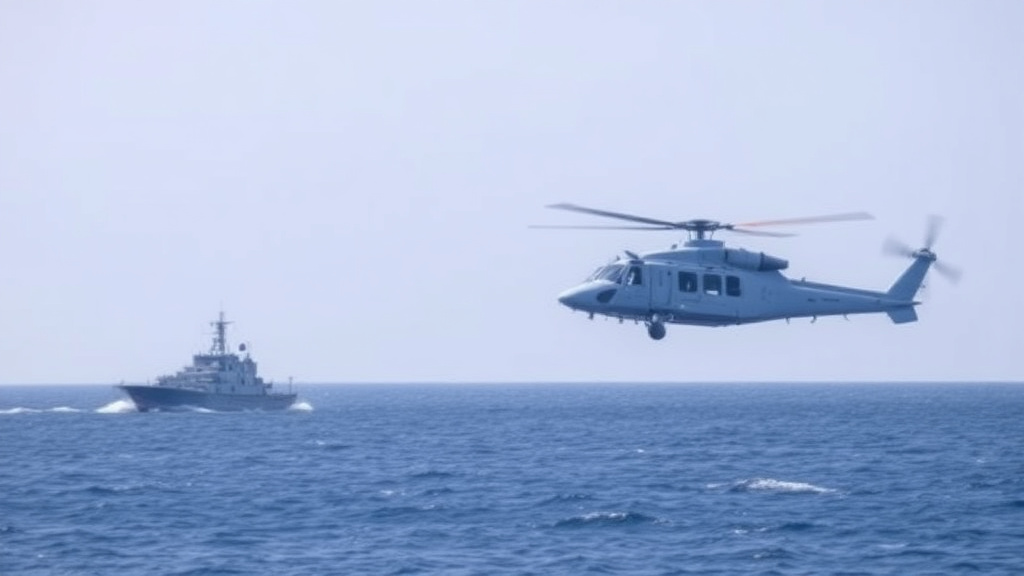
The Indian Navy played a crucial supporting role in this operation. The Indian Navy dispatched a long-range maritime patrol aircraft and had vessels in the region, including INS Taranigni and INS Ikshak, which assisted with search and rescue efforts.
The Crew Transfer Operation: Scale and Logistics
The operation to offload personnel from the IRIS Bushehr was substantial. A total of 208 crew members were prepared to be brought ashore, comprising:
- 53 officers
- 84 cadet officers
- 48 senior sailors
- 21 sailors (noted as 23 in some reports)
Sri Lankan Navy vessels approached the IRIS Bushehr, and the operation to offload personnel was underway as of 5 March. The crew members were transferred to Colombo using Sri Lankan naval vessels, where they underwent medical examinations and immigration procedures before being moved to facilities at the Welisara naval base north of the capital.
This large-scale rescue operation demonstrated the Sri Lankan Navy's capability to coordinate complex maritime operations. The transfer required careful planning to ensure the safety of over 200 individuals whilst maintaining security and managing the vessel itself.
Why Not Colombo Port?
A critical decision was made not to bring the IRIS Bushehr into Colombo Port itself. This choice, though controversial to some observers, was rooted in practical commercial considerations.
President Dissanayake explained that Colombo is Sri Lanka's principal commercial harbour, and detaining a foreign military vessel there could disrupt the maritime industry. The government had received concerns from shipping lines, including the possibility of increased insurance premiums.
This decision reflected the reality that Colombo Port is one of the busiest commercial ports globally, handling critical cargo for our economy. The presence of a belligerent state's naval vessel could have affected shipping activity and insurance costs for maritime operators. For a nation heavily dependent on maritime trade, this consideration was not merely bureaucratic—it was economically essential.
The Vessel's Final Destination: Trincomalee
Rather than Colombo, the IRIS Bushehr was designated for relocation to Trincomalee Port on Sri Lanka's east coast. After the crew's evacuation, an essential team comprising Sri Lankan naval personnel and necessary members of the ship's crew would jointly sail the vessel to the Trincomalee Port area.
Trincomalee offered several advantages: it's a significant port capable of handling large vessels, it's geographically separated from our primary commercial hub, and it provided secure facilities for managing the vessel during this delicate situation.
The Broader Context: Geopolitical Sensitivity
The IRIS Bushehr operation didn't occur in isolation. The Iranian Navy had originally requested permission for three vessels to visit Sri Lankan ports between 9 and 13 March for a cooperation visit, a request submitted on 26 February. The IRIS Dena, one of these vessels, was sunk on 4 March whilst Sri Lanka was still assessing the request.
Some domestic political figures questioned the government's handling of the situation. Former MP and National Freedom Front leader Wimal Weerawansa raised concerns, questioning whether President Dissanayake was acting under pressure from the United States in denying the vessel access to Colombo Port. However, the government's position remained grounded in Sri Lanka's neutrality and commercial interests rather than external pressure.
The broader context included ongoing search and rescue operations related to the earlier naval attack, placing Sri Lanka in a position where it had to apply neutrality whilst addressing humanitarian obligations.
Understanding the IRIS Bushehr: Technical Details
For those interested in maritime matters, the IRIS Bushehr is a significant vessel. It's a Bandar Abbas-class fleet supply ship constructed at the C. Lühring shipyard in Brake, West Germany, launched on 23 March 1974, and entered service in November 1974.
The vessel measures 108 metres in length with a beam of 16.6 metres and a maximum draft of approximately 4.5 to 4.6 metres. At full load, the ship displaces about 4,748 tons and carries more than 3,200 gross tons with 3,302 deadweight tons of cargo capacity.
The ship has been used to carry cadets and officers during long-range training missions, which explains why the crew included a significant number of cadet officers (84 out of 208 personnel).
What This Means for Sri Lanka
The IRIS Bushehr operation highlighted several important aspects of Sri Lanka's position in the modern world:
- Maritime sovereignty: Sri Lanka successfully exercised its rights within its EEZ whilst respecting international law and conventions
- Humanitarian responsibility: Despite geopolitical complexities, we prioritised the safety and welfare of 208 crew members
- Economic protection: The decision to keep the vessel away from Colombo Port protected our maritime industry and commercial interests
- Diplomatic balance: The operation demonstrated Sri Lanka's ability to remain neutral whilst addressing genuine humanitarian needs
- Naval capability: The Sri Lankan Navy demonstrated its capacity to coordinate complex, large-scale maritime operations
Looking Forward
The IRIS Bushehr operation represents a significant moment in Sri Lanka's recent maritime history. It demonstrated our ability to navigate complex geopolitical situations whilst upholding international law, protecting our economic interests, and maintaining our humanitarian commitments.
As an island nation with strategic importance in global shipping routes, Sri Lanka will continue to face situations requiring careful balance between neutrality and responsibility. The successful handling of the IRIS Bushehr operation provides a template for how we can meet such challenges whilst protecting our national interests and upholding international principles.
For those following maritime developments, this operation underscores the critical importance of naval capability, diplomatic skill, and clear decision-making in protecting our nation's interests in an increasingly complex geopolitical environment.
Frequently Asked Questions
Sources & References
-
1
Sri Lanka Takes Control of Iranian Ship Iris Bushehr and 208 Crew — english.newsfirst.lk
-
2
Sri Lanka takes control of Iranian Navy ship IRIS Bushehr after US submarine sinks IRIS Dena — www.armyrecognition.com
- 3
- 4
-
5
Iranian Navy Supply Ship Is Seeking Refuge in Sri Lanka — maritime-executive.com
Related Articles
SL Navy's IRIS Dena Rescue: Comparing Response Times to Past Operations
The dramatic rescue of 32 Iranian sailors from the sinking IRIS Dena frigate has spotlighted the Sri Lanka Navy's swift action just off our southern coast. As locals, we're proud of how our forces res
Colombo Port Hosts IRIS Bushehr Crew: SL's Maritime Neutrality Spotlight
Imagine a massive Iranian naval ship, the IRIS Bushehr, anchoring just outside our bustling Colombo Port amid rising tensions in the Indian Ocean. This isn't a movie scene—it's happening right now in

Iran FM Thanks Sri Lanka for Aid in Rescuing Sailors After US Strike on IRIS Bushehr
Sri Lanka's navy has once again proven its prowess in humanitarian rescue operations, swiftly responding to a distress call from the sinking Iranian ship IRIS Bushehr near our southern waters off Gall

Sri Lanka Co-Hosts T20 World Cup 2026: Must-Win Match Against New Zealand in Colombo
Sri Lanka's cricket journey at the ICC Men's T20 World Cup 2026 reached a critical juncture when we faced New Zealand in a Super 8 Group 2 showdown at the R. Premadasa Stadium in Colombo on 25 Februar