The Plains Region: Sri Lanka's Agricultural Belt
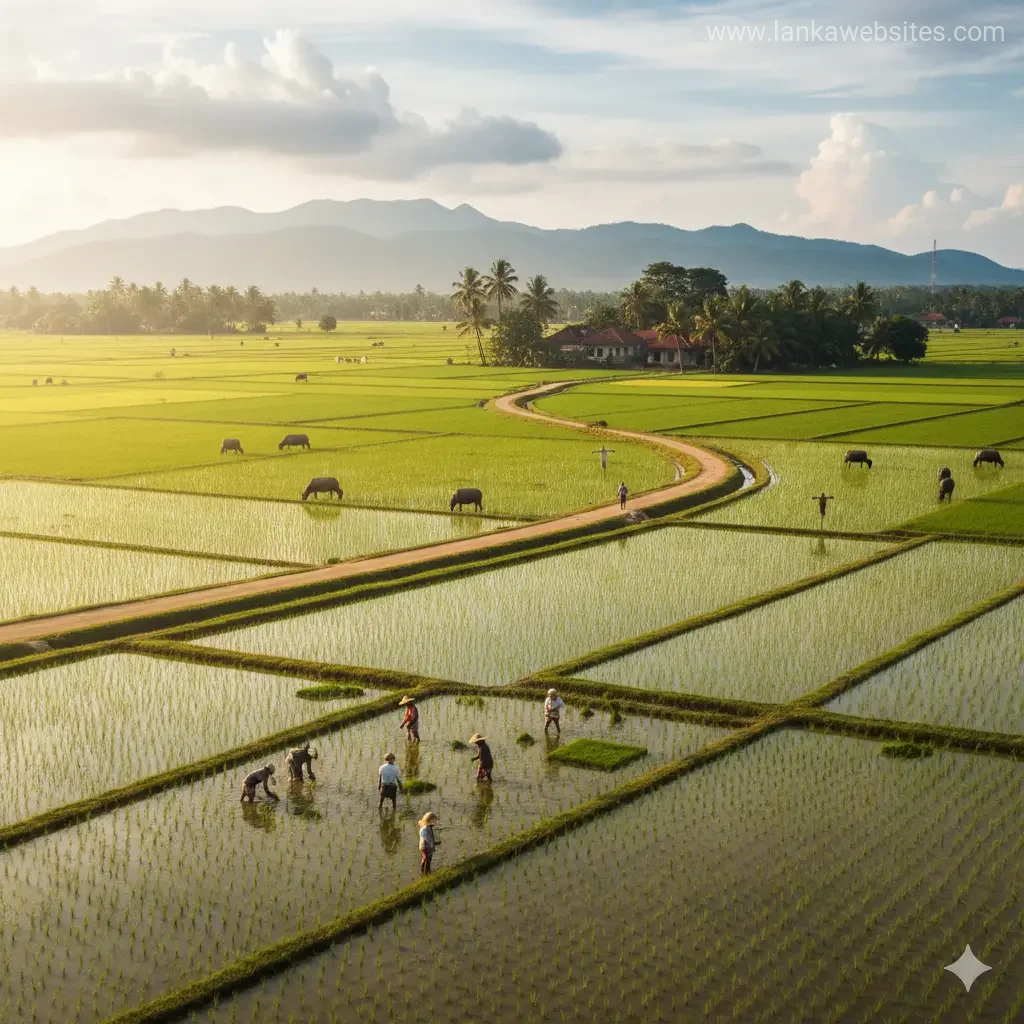
Imagine driving through endless fields of golden paddy swaying in the breeze, or visiting bustling markets piled high with fresh vegetables from nearby farms. That's the magic of Sri Lanka's Plains Re
The Lankawebsites editorial team curates, fact-checks, and updates guides on personal finance, property, health, immigration, legal, business, and lifestyle topics relevant to Lankawebsites readers. Articles are produced with AI assistance and reviewed by the editorial team before publication.
Imagine driving through endless fields of golden paddy swaying in the breeze, or visiting bustling markets piled high with fresh vegetables from nearby farms. That's the magic of Sri Lanka's Plains Region, our nation's agricultural heartbeat, where fertile soils and clever irrigation feed millions of us locals every day.
This vast lowland area, stretching from the shadow of the Central Highlands down to the coastal edges, isn't just flat land—it's where we grow most of our rice, vegetables, and export crops that keep our economy thriving. Whether you're a farmer in Kurunegala, a market vendor in Colombo, or just curious about our island's geography, understanding the Plains Region helps us appreciate why it's called Sri Lanka's Agricultural Belt. Let's dive into its geography, crops, challenges, and tips for making the most of it in 2026.
What Defines the Plains Region?
Sri Lanka's landscape divides neatly into three elevation zones: the towering Central Highlands, the expansive Plains, and the narrow Coastal Belt. The Plains sit between 30 and 200 metres above sea level, covering most of our island's surface and gently sloping towards the sea.
Unlike the rugged highlands, these plains feature rolling terrain with ridges and valleys in the southwest that merge into the hills, creating a dissected look. Erosion over millennia has worn down those ridges, depositing nutrient-rich soils perfect for farming downstream.
Key Geographical Features
- Fertile Soils: Reddish Brown Latosols dominate, ideal for a wide range of crops, while Low Humic Gley soils fill valley bottoms, though they're trickier for diversification due to poor drainage.
- River Networks: Rivers like the Mahaweli Ganga flow from the highlands, irrigating the plains and creating wetlands, grasslands, and forests in our tropical climate.
- Climate Zones: Part of the low country (0-300m), it spans wet and dry zones, with rainfall varying from over 2,500mm in the wet southwest to under 2,000mm in the arid north, split by our two monsoons—Maha and Yala seasons.
About 43.5% of Sri Lanka is arable, much of it in these plains, supporting dense populations in areas like the Jaffna Peninsula and around Colombo.
Agriculture: The Lifeblood of the Plains
The Plains Region earns its title as Sri Lanka's Agricultural Belt by producing the bulk of our food. Paddy fields dominate, but diversification is growing, especially with government push for resilience in 2026.
Major Crops and Seasons
Rice is king, cultivated in both Maha (October-March, main wet season) and Yala (April-September, drier). The plains' irrigation schemes, like those in the Dry Zone, mimic ancient Sinhalese systems, turning arid lands lush.
| Crop | Main Growing Areas in Plains | Season/Key Notes |
|---|---|---|
| Paddy (Rice) | Kurunegala, Anuradhapura, Polonnaruwa | Maha & Yala; 90% of cultivation rainfed or irrigated |
| Vegetables (Onion, Chilli, Beans) | Intermediate zones, raised beds in basins | Yala; high prices drive production |
| Sugar Cane, Banana, Papaw | Well-drained irrigation schemes | Semi-perennial; crop diversification pattern |
| Groundnut, Mungbean, Grain Legumes | Poorly drained lands | Dry season alternatives to rice |
In the southwest plains, villages cluster densely with little unused land, while the Dry Zone's major schemes—like Mahaweli—have expanded wet rice since the 1970s.
Irrigation: Ancient Wisdom Meets Modern Tech
Most irrigation works cluster in the Dry Zone plains, from minor reservoirs to massive anicuts. In 2026, the Department of Agrarian Development oversees schemes under the Agrarian Development Act No. 46 of 2000 (amended), ensuring fair water distribution.
Practical tip: If you're farming in Kurunegala plains, register your land at the local Agrarian Services Centre for priority water access during Yala droughts. Apps like the Mahaweli Authority's farmer portal now provide real-time water levels—download it from the official site.
Population and Economy in the Plains
A huge chunk of our 22 million locals live here, drawn by fertile land. Colombo, our commercial hub, sits in the plains, alongside agro-towns like Gampaha and Kalutara.
Agriculture employs about 27% of our workforce, with plains output hitting LKR 1.2 trillion in 2025 (projected 5% growth for 2026 per Central Bank forecasts). Paddy alone meets 95% of domestic needs, but exports like vegetables to Middle East markets are booming.
"The Plains region is where a large proportion of the population resides, as the terrain is favorable for agriculture, particularly for paddy."
Challenges Facing Our Agricultural Belt
We're not without hurdles. Climate change brings erratic monsoons, with 2025 seeing 20% less Yala rain in northern plains, per Meteorology Department data. Soil degradation from continuous paddy puddling limits diversification in gley soils.
Key Issues and Solutions
- Water Scarcity: Dry Zone plains rely on reservoirs; over-extraction causes conflicts. Solution: Join Farmer Organisations under the Act for collective management.
- Pests and Diseases: Rice blast fungus hit hard in 2025. Use bio-pesticides approved by the Coconut Research Institute—free advisory via 1920 helpline.
- Land Fragmentation: Small holdings under 1 hectare common. Consolidate via leasing platforms from the Ministry of Agriculture.
- Market Volatility: Onion prices crashed 30% last Yala. Hedge with contracts from Lanka Commodity Exchange.
For 2026, the National Adaptation Plan for Climate Resilient Agri pushes solar pumps and drought-resistant paddy varieties like Bg 450—get seeds from seed farms in Pelwehera Plains.
Practical Tips for Locals in the Plains
Whether you're a smallholder in Dambulla or expanding in Matale, here's actionable advice:
- Soil Test First: Free tests at Regional Soil Fertility Labs (e.g., Rattmalagara). Aim for pH 5.5-6.5 for paddy.
- Diversify Smartly: Rotate with legumes in gley soils to boost nitrogen—yields up 15% per DOA trials.
- Go Digital: Use 'Krushi Decision Support System' app for weather, pests, and prices—linked to Divisional Secretariats.
- Access Loans: Samurdhi Bank or ADBC schemes at 8% interest for tractors, drip irrigation in plains schemes.
- Sustainable Practices: Adopt no-till farming to save 30% water; training via Govi Mitra centres.
FAQ
1. What percentage of Sri Lanka's arable land is in the Plains Region?
While exact figures vary, about 43.5% of the country is arable, with most in the coastal and northern plains.
2. Which irrigation scheme is best for plains farming?
Mahaweli schemes in the Dry Zone plains are top, supporting rice and diversification.
3. How does climate affect Plains agriculture?
Two monsoons define Maha/Yala seasons, but Dry Zone needs irrigation for reliability.
4. What crops should I grow in Kurunegala Plains?
Paddy primary, plus onion/chillies in Yala on raised beds for profit.
5. Where to get government support for Plains farmers?
Local Agrarian Services Centre or call DOA helpline 1920 for seeds, advice.
6. Is the Plains Region safe from flooding?
No—southwest plains flood in monsoons; check Disaster Management Centre alerts.
Explore the Plains: Your Next Steps
Head out to Polonnaruwa's ancient tanks or a Kurunegala paddy harvest to feel the Plains' pulse. Farmers, test your soil this week and register for Yala water shares. Curious locals? Visit the National Museum's agri exhibits or join a Govi Mitra tour. By nurturing our Agricultural Belt, we're securing meals for tomorrow—let's keep it golden.
Related Articles

Ella Gap: Scenic Mountain Pass in Central Highlands
Introduction to Ella Gap The Ella Gap is a breathtaking mountain pass located in the Central Highlands of Sri Lanka, but don't worry, we're not talking abo

Sri Lanka's Continental Shelf and Marine Territory
Introduction to Sri Lanka's Continental Shelf and Marine Territory As a New Zealander, you might be familiar with the concept of a continental shelf, but h

The North Central Province: Ancient Reservoir Systems
Introduction to the North Central Province The North Central Province, located in the heart of Sri Lanka, is a region steeped in history and natural beauty

Minneriya-Giritale-Kaudulla Complex Geography
Introduction to Minneriya-Giritale-Kaudulla Complex Geography The Minneriya-Giritale-Kaudulla Complex, located in the North Central Province of Sri Lanka,