The Central Highlands' Role in Climate Regulation
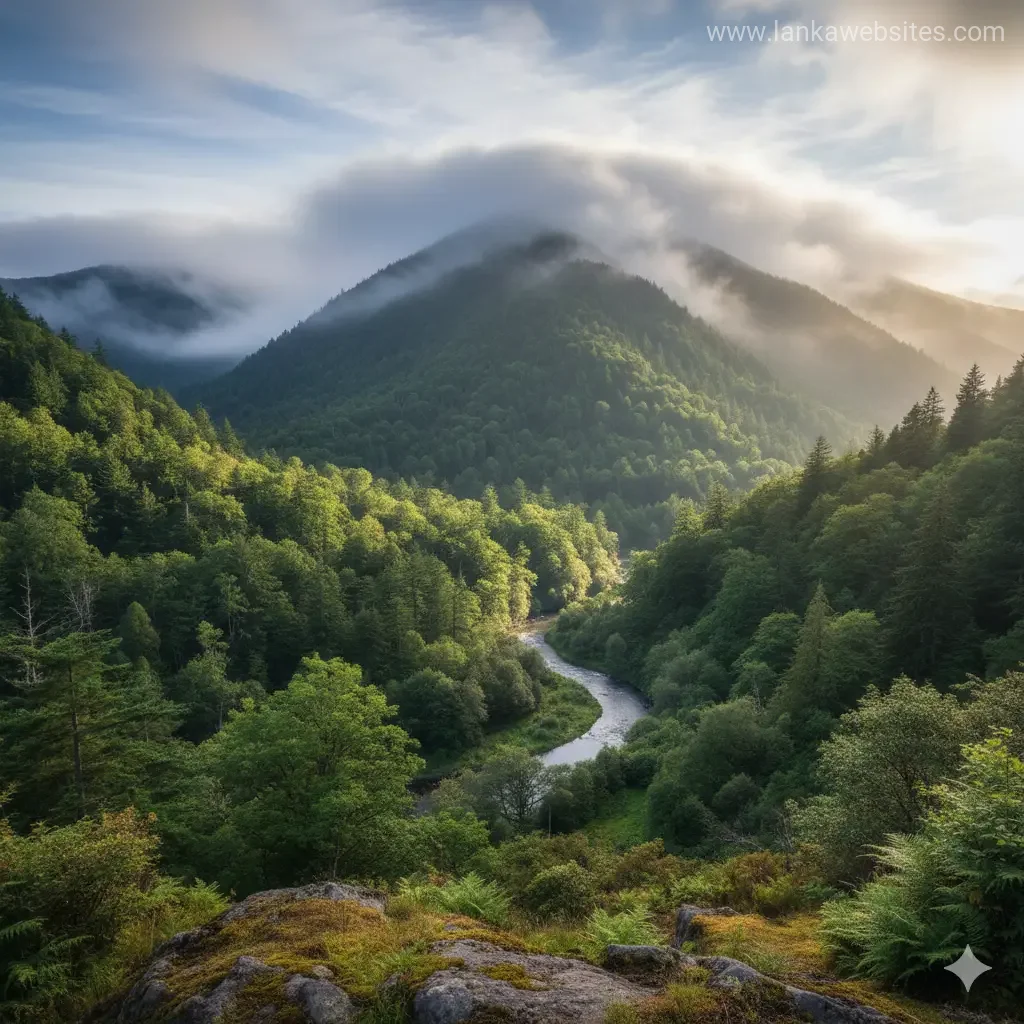
Sri Lanka's Central Highlands aren't just a picturesque mountain region—they're the lungs of our nation's climate system. This vital ecosystem regulates water cycles, moderates temperatures, and prote
The Lankawebsites editorial team curates, fact-checks, and updates guides on personal finance, property, health, immigration, legal, business, and lifestyle topics relevant to Lankawebsites readers. Articles are produced with AI assistance and reviewed by the editorial team before publication.
Sri Lanka's Central Highlands aren't just a picturesque mountain region—they're the lungs of our nation's climate system. This vital ecosystem regulates water cycles, moderates temperatures, and protects us from extreme weather events. Yet decades of unsustainable development and agricultural practices have left this critical region vulnerable, a reality starkly illustrated by Cyclone Ditwah's devastating impact in late 2025. Understanding the Central Highlands' role in climate regulation isn't just academic—it's essential for protecting our water security, food production, and national resilience.
What Makes the Central Highlands Climatically Critical?
The Central Highlands form the cornerstone of Sri Lanka's climate system. Located in the southwestern region, this area receives over 2,500mm of annual rainfall, classifying it within the country's "Wet zone". This isn't random geography—the highlands act as a massive water catchment and distribution system that sustains the entire island.
The region's elevation and forest cover create what scientists call a "climate moderating effect." The dense vegetation absorbs solar radiation, releases moisture through transpiration, and helps regulate local and regional temperatures. This process isn't just local; it influences weather patterns across the entire country. When the highlands are healthy, they help stabilise rainfall patterns and reduce the intensity of extreme weather events.
Sri Lanka has experienced a clear warming trend, with average surface air temperatures increasing by approximately 1.0°C since 1990. The Central Highlands, with their cooler microclimates and water regulation capacity, provide a natural buffer against this warming. However, this protective function is only effective when the region remains forested and structurally sound.
The Water Security Connection
If the Central Highlands are Sri Lanka's climate lungs, they're also our water heart. The region functions as the primary water catchment area for the entire nation. Major rivers originating in the highlands supply water for drinking, irrigation, and hydroelectric power generation across the country.
The highlands' forest cover is essential for this water regulation. Trees slow rainfall runoff, allowing water to infiltrate the soil and recharge groundwater reserves. They also reduce evaporation rates, ensuring water availability during drier periods. Without this natural water management system, Sri Lanka would face chronic water scarcity, particularly during the Northeast Monsoon season when the Dry zone receives declining rainfall that already threatens nearly 70% of the country's Maha season cultivation.
Climate projections indicate that increasing Southwest Monsoon rainfall will likely increase landslide risks in the western slopes of the Central Highlands, threatening agriculture, livelihoods and infrastructure. This means the highlands' role in water regulation will become even more critical as extreme weather events become more frequent.
Climate Regulation Through Biodiversity
The Central Highlands support Sri Lanka's richest biodiversity. This isn't just about wildlife—biodiversity is fundamental to climate regulation. Different plant species respond to climate variations in complementary ways, creating resilience within the ecosystem.
Forests in the highlands absorb carbon dioxide, storing carbon in their biomass and soil. This carbon sequestration capacity helps mitigate climate change at both local and global scales. Additionally, the diverse plant life creates microclimates that buffer against temperature extremes, protecting both wildlife and human communities that depend on stable environmental conditions.
The Cyclone Ditwah Wake-Up Call
The devastating impact of Cyclone Ditwah in late 2025 exposed the consequences of neglecting the Central Highlands' protective capacity. The cyclone triggered nearly 4,000 landslides across the region, with some reports documenting over 1,500 major landslides in the Central and Sabaragamuwa provinces alone. These weren't natural disasters in the traditional sense—they were the result of decades of structural neglect combined with unsustainable practices.
Experts identified long-term irregular construction, unsustainable agricultural practices, and lack of proper maintenance as primary factors that exacerbated landslide risks during the cyclone. When the highlands' natural stabilising features—forests, intact soil structure, and proper drainage systems—are compromised, even the region's climate-regulating capacity becomes compromised.
The catastrophic landslides demonstrate a crucial principle: the Central Highlands cannot regulate climate effectively if their structural integrity is damaged. Bare slopes don't moderate temperature, degraded soil doesn't store water, and eroded hillsides don't support biodiversity.
Government Response and the New Authority Framework
Recognising the urgency, President Anura Kumara Dissanayake announced plans in January 2026 to establish a dedicated authority to oversee and protect the environmentally sensitive Central Highlands. This represents a significant shift in how Sri Lanka approaches the region's management.
The proposed authority will be entrusted with planning and regulating key activities within the Central Highlands, including agriculture-related industries, irrigation projects, wildlife protection, and resettlement programmes. The framework aims to ensure development takes place without compromising the region's ecological balance—the very balance that enables climate regulation.
Comprehensive legislation will grant the new authority wide-ranging legal powers, enabling it to function independently and enforce compliance. Importantly, any development project within the Central Highlands will require prior approval from the authority. The government has adopted a zero-tolerance approach to environmental degradation in the region, with the authority empowered to initiate firm legal action against individuals or institutions that violate approved plans.
Supporting International Partnerships
The initiative isn't Sri Lanka going it alone. Support from the Asian Development Bank (ADB) and the United Nations Development Programme (UNDP) will strengthen the initiative, particularly in technical and planning aspects. These partnerships bring global expertise in climate adaptation and ecosystem restoration to bear on our national challenge.
The framework emphasises the need for a dedicated financial fund to sustain long-term recovery costs, recognising that protecting the Central Highlands is an investment in national climate security, not an expense.
Reforestation as Climate Action
Central to the recovery strategy is reforestation aimed at stabilising slopes and restoring biodiversity. This isn't merely about replanting trees—it's about restoring the Central Highlands' climate-regulating capacity.
Reforestation efforts will focus on native species suited to the highlands' climate and soil conditions. As these forests mature, they'll restore the region's capacity to moderate temperatures, regulate water cycles, and support the biodiversity that underpins climate resilience. The Department of Forests is working alongside international partners to implement these efforts at scale.
What This Means for Sri Lanka's Climate Future
Sri Lanka faces significant climate challenges. Climate change impacts could lead to a 7.7 per cent GDP decline by 2050 and reduce living standards by 7 to 7.5 per cent. The country's food security is adversely affected by high rainfall variability and extreme heat stress.
Against this backdrop, protecting and restoring the Central Highlands isn't optional—it's essential. The region's climate-regulating capacity directly affects our ability to adapt to these challenges. A healthy Central Highlands means:
- More stable rainfall patterns across the island
- Better water availability during dry seasons
- Reduced intensity of extreme weather events
- Maintained agricultural productivity through reliable irrigation
- Protection of livelihoods dependent on water and stable climate
- Enhanced carbon sequestration contributing to global climate goals
What You Can Do
Individual actions contribute to the broader effort to protect the Central Highlands' climate-regulating capacity:
- Support sustainable agriculture: Choose products from farmers using climate-smart practices that protect soil and water
- Reduce water waste: Conserve water, understanding that every drop originates from or depends on the highlands
- Support reforestation: Participate in or donate to tree-planting initiatives in the Central Highlands
- Advocate for enforcement: Support the new authority's efforts by reporting illegal construction or environmental violations in the highlands
- Stay informed: Follow updates on the Central Highlands protection initiative and share information with your community
Frequently Asked Questions
Why are the Central Highlands so important for Sri Lanka's climate?
The Central Highlands regulate water cycles, moderate temperatures, support biodiversity, and function as the nation's primary water catchment area. Their forests absorb carbon dioxide and help stabilise rainfall patterns. When healthy, they reduce the intensity of extreme weather events and maintain water availability across the country.
How did Cyclone Ditwah damage the highlands' climate-regulating capacity?
Cyclone Ditwah triggered nearly 4,000 landslides, stripping vegetation from slopes and destabilising soil structure. This damage compromises the region's ability to regulate water, moderate temperature, and support biodiversity—all essential for climate regulation.
What is the new Central Highlands Authority?
It's a dedicated government body being established in 2026 to oversee and protect the Central Highlands. The authority will regulate development projects, enforce environmental laws, and coordinate protection and reforestation efforts with support from the ADB and UNDP.
How will reforestation help restore climate regulation?
Native forests absorb carbon dioxide, regulate water cycles, moderate temperatures, and support biodiversity. As reforested areas mature, they'll restore the Central Highlands' capacity to perform these climate-regulating functions, making the region more resilient to extreme weather.
What happens if the Central Highlands aren't restored?
Without restoration, Sri Lanka faces increased vulnerability to climate impacts: water scarcity, agricultural decline, more intense extreme weather, and reduced food security. The highlands' failure to regulate climate would cascade through every sector of the economy.
How does this connect to Sri Lanka's international climate commitments?
Protecting the Central Highlands directly supports Sri Lanka's Nationally Determined Contributions (NDCs) for climate action. The region's carbon sequestration and climate-regulating capacity contribute to both adaptation and mitigation goals outlined in the country's climate strategy.
Looking Forward
The Central Highlands' role in climate regulation isn't abstract—it's deeply practical. Every drop of water you use, every stable monsoon season, every harvest that succeeds depends on this region functioning as nature intended. Cyclone Ditwah was a catastrophic reminder of what happens when we neglect this critical ecosystem.
The new authority framework represents a genuine opportunity to reverse decades of damage and restore the highlands' protective capacity. This isn't just environmental policy—it's national climate security. As you go about your daily life, remember that the stable climate you experience, the water you drink, and the food you eat are all gifts from the Central Highlands. Protecting them is protecting ourselves.
Related Articles

Ella Gap: Scenic Mountain Pass in Central Highlands
Introduction to Ella Gap The Ella Gap is a breathtaking mountain pass located in the Central Highlands of Sri Lanka, but don't worry, we're not talking abo

Sri Lanka's Continental Shelf and Marine Territory
Introduction to Sri Lanka's Continental Shelf and Marine Territory As a New Zealander, you might be familiar with the concept of a continental shelf, but h

The North Central Province: Ancient Reservoir Systems
Introduction to the North Central Province The North Central Province, located in the heart of Sri Lanka, is a region steeped in history and natural beauty

Minneriya-Giritale-Kaudulla Complex Geography
Introduction to Minneriya-Giritale-Kaudulla Complex Geography The Minneriya-Giritale-Kaudulla Complex, located in the North Central Province of Sri Lanka,