How Sri Lankan Freelancers and Remote Workers Can Use Digital Nomad Visas
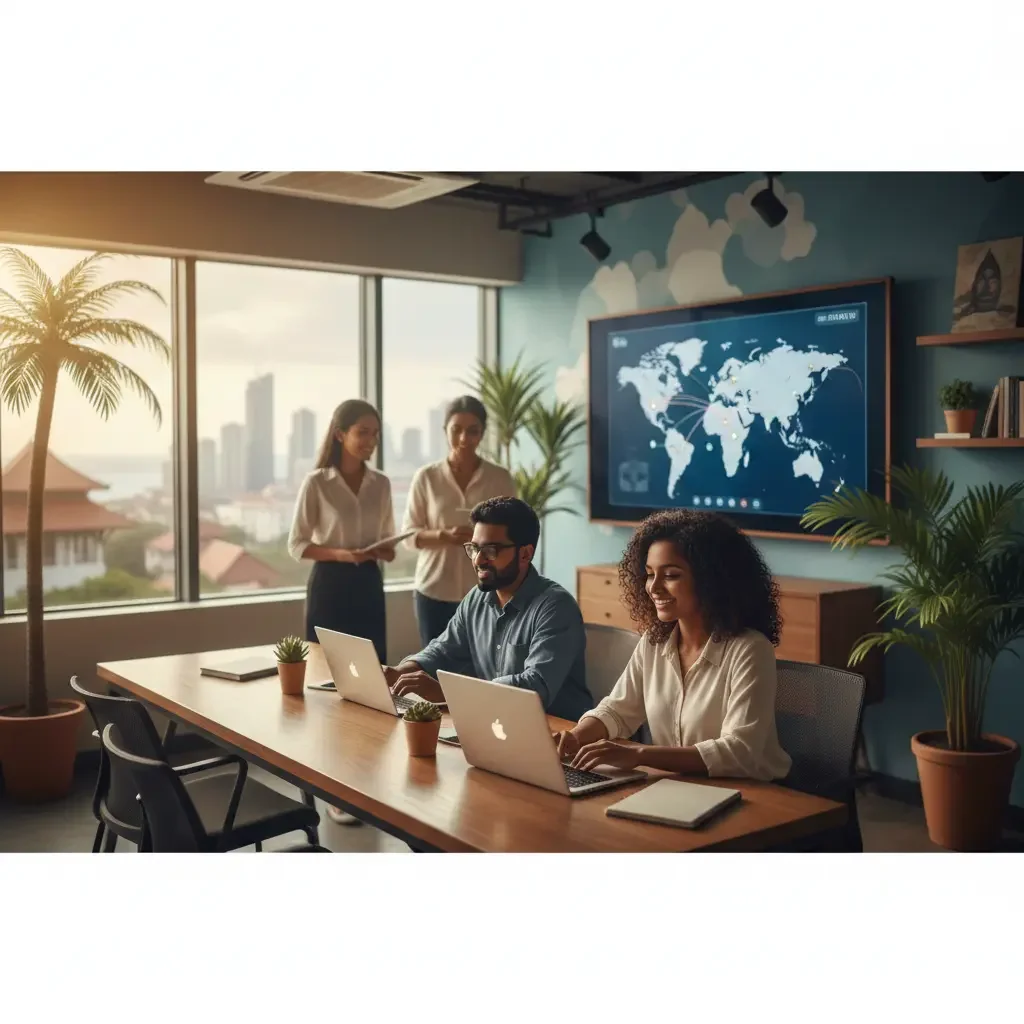
Imagine sipping fresh king coconut on a Galle beach while closing deals with international clients from your laptop. That's the reality now open to us Sri Lankan freelancers and remote workers thanks
The Lankawebsites editorial team curates, fact-checks, and updates guides on personal finance, property, health, immigration, legal, business, and lifestyle topics relevant to Lankawebsites readers. Articles are produced with AI assistance and reviewed by the editorial team before publication.
Imagine sipping fresh king coconut on a Galle beach while closing deals with international clients from your laptop. That's the reality now open to us Sri Lankan freelancers and remote workers thanks to the new Digital Nomad Visa. Launched in early 2026, this visa lets you live and work remotely from our island paradise without the hassle of tourist visa runs, all while earning foreign income.
Whether you're a graphic designer in Colombo freelancing for US agencies or a software developer in Kandy working for European firms, this guide breaks down how Sri Lankan freelancers and remote workers can use Digital Nomad Visas. We'll cover eligibility, application steps, practical tips tailored for locals like us, and how to make the most of it without breaking Inland Revenue rules.
What is Sri Lanka's Digital Nomad Visa?
The Digital Nomad Visa is a game-changer for remote workers. Introduced by the Cabinet of Ministers to boost our tourism economy, it's Sri Lanka's first official long-term visa for foreigners earning income abroad while basing themselves here. Valid for 12 months from entry and renewable, it allows holders to reside in Sri Lanka but strictly prohibits working for local employers—perfect for those of us already serving overseas clients.
Key perks include bringing your spouse and dependents on the same application, access to local SIMs, long-term rentals, and even schooling options. No more 30-day tourist visa extensions that eat into your productivity.
Who Qualifies as a Sri Lankan Freelancer or Remote Worker?
As locals, we're in a unique spot: this visa targets foreigners, but savvy Sri Lankans can leverage it indirectly. If you're a dual citizen, have residency abroad, or plan to relocate temporarily while keeping your foreign contracts, you might qualify. Primarily, it's for:
- Remote employees with overseas contracts
- Freelancers and online entrepreneurs earning outside Sri Lanka
- Families basing in Sri Lanka for 6-12 months
- Individuals with non-local income sources
Note: Sri Lankan citizens don't need this visa to live and work here, but it shines if you're returning from abroad or structuring your remote setup to qualify under foreign income rules. Always declare foreign earnings to the Inland Revenue Department to stay compliant—tax residency kicks in after 183 days in-country.
Eligibility Requirements for Sri Lankan Remote Workers
To grab this visa, you'll need to prove you're a genuine digital nomad. The bar is set at a minimum remote income of US$2,000 per month (about LKR 600,000 at current rates), generated entirely outside Sri Lanka. This matches global standards and ensures you're not competing with local jobs.
Financial Proofs You'll Need
- Bank statements from the last 3-6 months showing US$2,000+ monthly inflows
- Employment contracts, client invoices, or business income statements
- Proof income is from overseas sources—no local clients allowed
For us freelancers, platforms like Upwork or Fiverr payouts work great as evidence. Health insurance valid in Sri Lanka is mandatory too—consider local providers like Ceylinco or Allianz for affordable coverage starting at LKR 5,000/month.
Other Essential Documents
- Valid passport (6+ months validity)
- Proof of address in Sri Lanka (rental agreement or hotel booking—try Airbnb in Negombo or Cinnamon Life in Colombo)
- Passport-sized photos
- Marriage/birth certificates for dependents
- Personal request letter explaining your remote work
Step-by-Step Application Process
Good news: as of February 2026, the online application is live and straightforward. No embassy visits needed—apply from anywhere, even while sipping tea in Nuwara Eliya.
How to Apply Online
- Visit the official portal: Head to the Department of Immigration and Emigration website (immigration.gov.lk) or the Sri Lanka ETA portal. Use the Digital Nomad section.
- Fill the form: Complete the application with your details and upload documents. Include a personal letter stating you're a remote worker for overseas clients.
- Pay the fee: Expect US$200-500 (check updates as fees may vary). Processing takes 3-6 weeks.
- Get approval: Receive your visa via email. Print it and present on arrival at Bandaranaike International Airport.
- In-country steps: Register residence if staying over 30 days via the local police station—free for most.
Pro tip for locals: If you're applying as a returning resident, pair this with your National Identity Card for smoother immigration. Some nationalities get on-arrival ETA, but pre-apply to avoid queues.
Practical Tips for Sri Lankan Freelancers Using the Visa
We've got world-class spots for remote work: think coworking spaces like Hatch Works in Colombo (LKR 1,500/day) or MAHEFA in Kandy with mountain views. Reliable internet? Dialog or Mobitel fibre hits 100Mbps for LKR 5,000/month.
Cost of Living Breakdown (2026 Rates)
| Expense | Monthly Cost (LKR) | Tips for Savings |
|---|---|---|
| Rent (1-bed apartment, Colombo) | 80,000-120,000 | Share in Borella or opt for Mount Lavinia |
| Food (local eateries) | 30,000 | Rice and curry at LKR 500/meal |
| Internet + Utilities | 10,000 | Dialog bundles |
| Coworking | 20,000 | Surf spots like Weligama for nomads |
| Total | 150,000-200,000 | Under US$700—visa income covers it easily |
Banking: Open a foreign currency account at Commercial Bank or HNB with your visa—earn interest on USD inflows. For taxes, foreign income is tax-free if you're non-resident; consult Inland Revenue (ire.gov.lk) post-183 days.
Best Digital Nomad Hubs in Sri Lanka
- Colombo: Urban vibe, Hatch Works, cafes like Barefoot
- Galle: Beaches, creative community, Ahala coworking
- Kandy: Cooler climate, lakeside focus spots
- East Coast (Arugam Bay): Surf + work balance
Common Challenges and How to Overcome Them
Power cuts? Solar backups in rentals. Internet dips? Use SLT backups. Visa renewal? Apply 2 months early with updated income proof. As locals, we know the drill—network via Lanka Nomads Facebook group for real-time advice.
FAQ
Can Sri Lankan citizens apply for the Digital Nomad Visa?
Primarily for foreigners, but dual citizens or non-residents with foreign income qualify. Locals don't need it but can use structures for tax benefits.
What's the minimum income required?
US$2,000/month from outside Sri Lanka, proven via statements or contracts.
How long does processing take?
3-6 weeks online; pre-apply for peace of mind.
Can I include family?
Yes, spouses and dependents on the same application with certificates.
Do I pay taxes on foreign income?
Non-residents (under 183 days) are exempt; check ire.gov.lk for your status.
Is health insurance mandatory?
Yes, covering Sri Lanka—local plans suffice.
Next Steps to Launch Your Nomad Life
Ready to turn our island into your office? Gather your income proofs today, bookmark immigration.gov.lk, and test your setup with a short ETA trip. Join local communities like Digital Nomads Sri Lanka on Facebook for insider tips. With US$2,000/month, you'll thrive here—start your application now and wave goodbye to border runs.
Related Articles

Long-Distance Marriages: Practical Tips for Sri Lankans Working Overseas
This article references the following sources for accuracy and further reading:

Pathways for Sri Lankan Engineers to Work in Canada, Australia, and the Middle East
This article references the following sources for accuracy and further reading:

Specified Skilled Worker (SSW) Visa for Sri Lankans: Full 2026 Guide
This article references the following sources for accuracy and further reading:

Schooling Abroad: What Sri Lankan Parents Should Know Before Moving with Children
This article references the following sources for accuracy and further reading: