Hybrid Work Trends 202
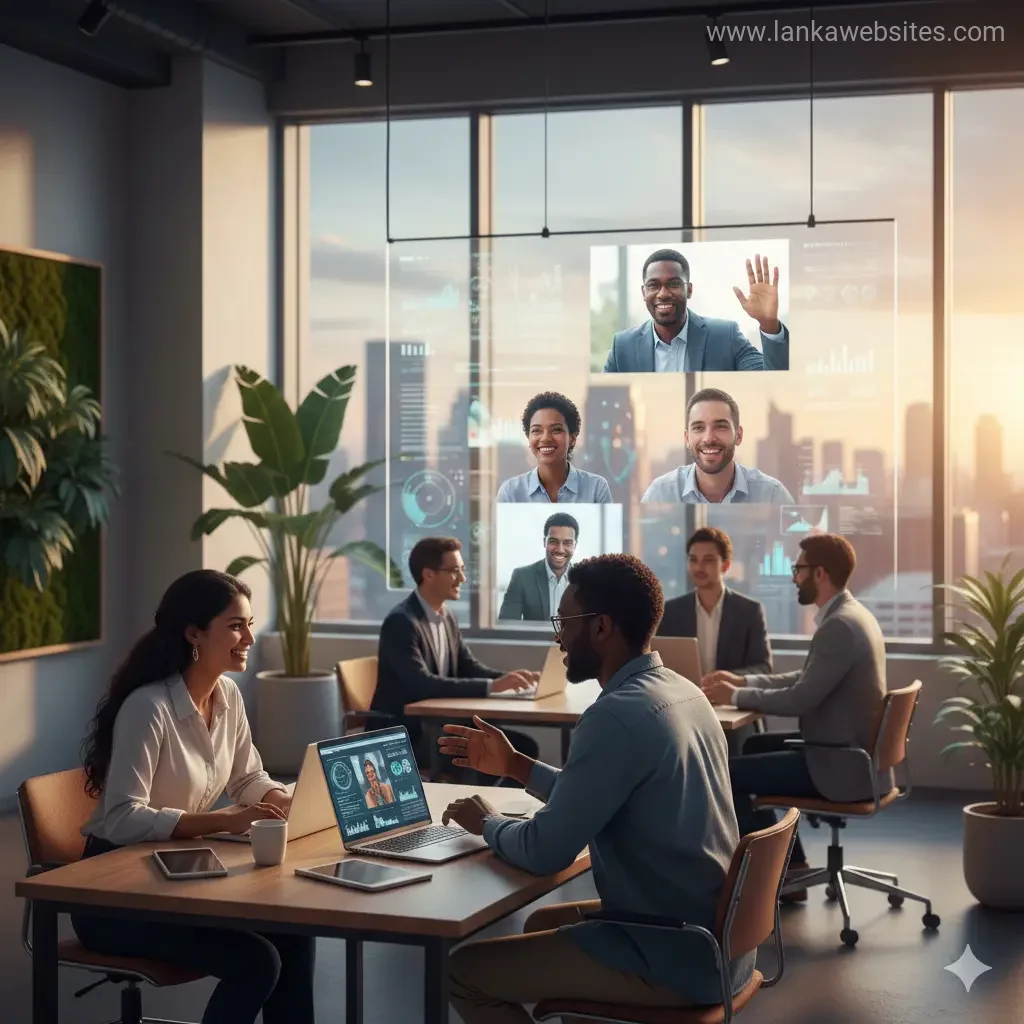
The way we work has fundamentally shifted. Hybrid work—combining office days with remote flexibility—isn't a temporary experiment anymore; it's become the standard arrangement for millions of professi
The Lankawebsites editorial team curates, fact-checks, and updates guides on personal finance, property, health, immigration, legal, business, and lifestyle topics relevant to Lankawebsites readers. Articles are produced with AI assistance and reviewed by the editorial team before publication.
The way we work has fundamentally shifted. Hybrid work—combining office days with remote flexibility—isn't a temporary experiment anymore; it's become the standard arrangement for millions of professionals across Asia Pacific and beyond. If you're navigating your career in Sri Lanka, understanding these trends matters because they're reshaping job opportunities, workplace expectations, and how companies attract talent in 2026.
What's Driving Hybrid Work in 2026?
Hybrid work has matured significantly since the pandemic forced us all to rethink traditional office setups. The latest data shows that work location trends have remained remarkably stable since 2022, indicating that hybrid arrangements have taken root as a permanent feature of modern workplaces rather than a temporary adjustment.
In the Asia Pacific region, the momentum is particularly strong. 68% of surveyed companies report that more than 70% of their full-time staff already work remotely, and organisations are actively expanding their remote hiring efforts. The shift isn't just about convenience—it's a strategic response to talent shortages and the need for workforce agility in competitive markets.
However, there's an interesting gap between what companies offer and what employees actually want. While 72% of professionals in APAC desire hybrid work arrangements, only 46% currently have access to them. This mismatch represents both a challenge and an opportunity for job seekers in Sri Lanka.
How Hybrid Work Actually Works in Practice
The Reality of Office Time
If you're considering a hybrid role, here's what to expect: hybrid workers now spend approximately 46% of their workweek in the office—roughly 2.3 days per week. This represents a gradual increase from 42% in 2022, but importantly, this trend has stabilised over the past year.
The specific arrangement varies by company and industry. 29% of employees come to the office two to three days per week, while 28% have no fixed routine. This flexibility means you might negotiate days that suit your personal circumstances, which is particularly valuable if you're managing commute times in Sri Lanka's urban areas.
Team-Based Flexibility
One crucial insight: hybrid work models function best when teams, rather than individuals, establish the rules. This means your team might collectively decide that Tuesdays and Wednesdays are in-office days, creating predictable collaboration time. When teams coordinate like this, employees report higher productivity and lower anxiety because they know colleagues will be present.
This team-based approach also addresses a growing reality: even among fully on-site workers, 27% now have teams spread across different work locations, reflecting how interconnected modern workforces have become.
What Employees Actually Want from Hybrid Workplaces
As hybrid work matures, employee expectations have become clearer and more sophisticated. It's no longer just about working from home sometimes—it's about having control over your work environment and how you structure your week.
Autonomy and Planning
Employees increasingly expect autonomy in managing their office presence. This means being able to plan your week ahead, knowing which days you'll be in the office, and having flexibility to adjust when needed. The ability to book a desk in advance (in hot-desking environments) or reserve collaboration spaces has become essential to the employee experience.
Spaces Designed for Purpose
Modern offices aren't just rows of desks anymore. Employees expect spaces adapted to different types of work—focused individual work, informal exchanges, short meetings, and creative sessions. This is why you're seeing more acoustic booths for two to six people rather than large traditional meeting rooms. These smaller spaces support quick, ad-hoc collaboration throughout the day.
Productivity Through Choice
Hybrid workplaces boost productivity by allowing employees to choose their work location according to their needs. You might do focused, deep work from home where there are fewer distractions, then come to the office for collaborative sessions and team connection. This flexibility allows teams to alternate between individual work and collaborative tasks more efficiently.
Hybrid Work Trends Specific to Asia Pacific
The Asia Pacific region is leading global adoption of hybrid models, with some interesting variations by country. Singapore leads the world with 68% of employers supporting hybrid models, followed by Vietnam (65%) and India (61%). These leaders demonstrate that hybrid work isn't just feasible—it's becoming competitive advantage in talent markets.
In the APAC region more broadly, the major trends shaping 2026 include:
- Rapid workforce expansion using remote hiring to access talent beyond geographical boundaries
- Increased adoption of hybrid models as the standard rather than exception
- Ongoing skill shortages in key fields like IT and sustainability, making flexible work arrangements crucial for recruitment
- Sharp rise in flexible workspace demand, including hot-desking and collaboration spaces
- Cost-focused remote hiring for business growth, particularly for roles that don't require daily office presence
- Strong focus on compliance and employee experience, ensuring remote workers have the same benefits and protections as office-based staff
What This Means for Your Career in Sri Lanka
These global trends are already affecting Sri Lankan job markets. As companies embrace hybrid models, several opportunities emerge:
Access to Better Opportunities
Remote and hybrid roles mean you're no longer limited to positions within your immediate geographical area. A company in Colombo might hire talent from Kandy or Galle without requiring daily office presence. Similarly, international companies increasingly offer hybrid roles to Sri Lankan professionals, expanding your career options significantly.
Talent Mobility and Development
Talent mobility—moving employees across roles and locations—helps keep workers efficient and agile by connecting them to opportunities across organisations. This means you might progress your career through lateral moves or role changes within your company, rather than only vertical promotions, creating more diverse career paths.
Skills Development in a Hybrid Context
With 84% of organisations planning to use AI in their workforce in 2026, hybrid work environments are becoming spaces where you'll interact with AI tools and systems. This makes developing digital literacy and AI fluency increasingly important for career advancement.
Practical Tips for Succeeding in Hybrid Work
- Clarify expectations early: When joining a hybrid role, explicitly discuss which days are in-office, what flexibility exists, and how your team coordinates. Don't assume—ask.
- Master remote communication: Since your team might be spread across locations, strong written communication and video call skills are essential. Assume colleagues might not be in the office when you need them.
- Create a productive home workspace: If you're working from home regularly, invest in a dedicated workspace with good internet, comfortable seating, and minimal distractions. This improves both productivity and work-life boundaries.
- Be proactive about team connection: In hybrid environments, relationship-building requires more intentionality. Use office days strategically for team bonding and collaboration.
- Develop hybrid-specific skills: Learn to use collaboration tools effectively (project management software, video conferencing platforms, shared document systems). These are now baseline professional skills.
- Understand your company's compliance approach: Ensure your employer has clear policies regarding data security, working hours expectations, and employee benefits in hybrid arrangements.
Frequently Asked Questions
What exactly is hybrid work?
Hybrid work is a flexible arrangement combining remote work (from home or elsewhere) with in-office days. Rather than being fully remote or fully office-based, you split your time between locations based on your role's requirements and your company's policy.
How many days per week should I expect to be in the office?
This varies significantly by company and role. On average, hybrid workers spend about 2-3 days per week in the office, but some roles might require more or fewer days. Always clarify this during your job interview.
Are hybrid roles less secure than office-based positions?
No. Work location trends have remained stable since 2022, showing that hybrid arrangements are permanent, not temporary. However, ensure your employment contract clearly outlines the terms of your hybrid arrangement.
Will hybrid work affect my salary or benefits in Sri Lanka?
Potentially. Some companies adjust compensation based on work location or offer different benefits packages for remote workers. Always negotiate clearly and understand whether your benefits (health insurance, provident fund contributions, etc.) differ based on your working arrangement.
How do I stay connected with my team if we're not always in the office together?
Teams that establish shared norms about office days tend to be more productive. When your team collectively decides which days everyone comes in, you create reliable collaboration time. Beyond that, invest in good communication tools and be intentional about building relationships.
Is hybrid work suitable for all job types?
Most roles can incorporate some hybrid flexibility, though some require more office presence than others. Client-facing roles, leadership positions, and jobs requiring specialised equipment might need more in-office time. Discuss your specific role's requirements with your employer.
Moving Forward with Hybrid Work
Hybrid work isn't a trend that's going away—it's the new normal. As you navigate your career in Sri Lanka, understanding these trends helps you make informed decisions about the roles you pursue and how you structure your professional life.
The key takeaway: companies familiar with hybrid work are now letting managers, teams, and individuals work out the details. This means there's genuine flexibility to negotiate arrangements that work for you, provided you understand what's standard in your industry and location.
As you explore opportunities, ask potential employers about their hybrid approach. Understand their office expectations, their flexibility, and how they support remote workers. The best hybrid roles are those where both you and your employer have clear, aligned expectations about how you'll work together.
Related Articles

How to Negotiate Salary
Did you know that a whopping 60% of job seekers accept the first salary offer they receive, often leaving thousands of dollars on the table? You're about to make a significant investment of your time and skills in a new role, and it's essential to get fair compensation. Negotiating your salary can
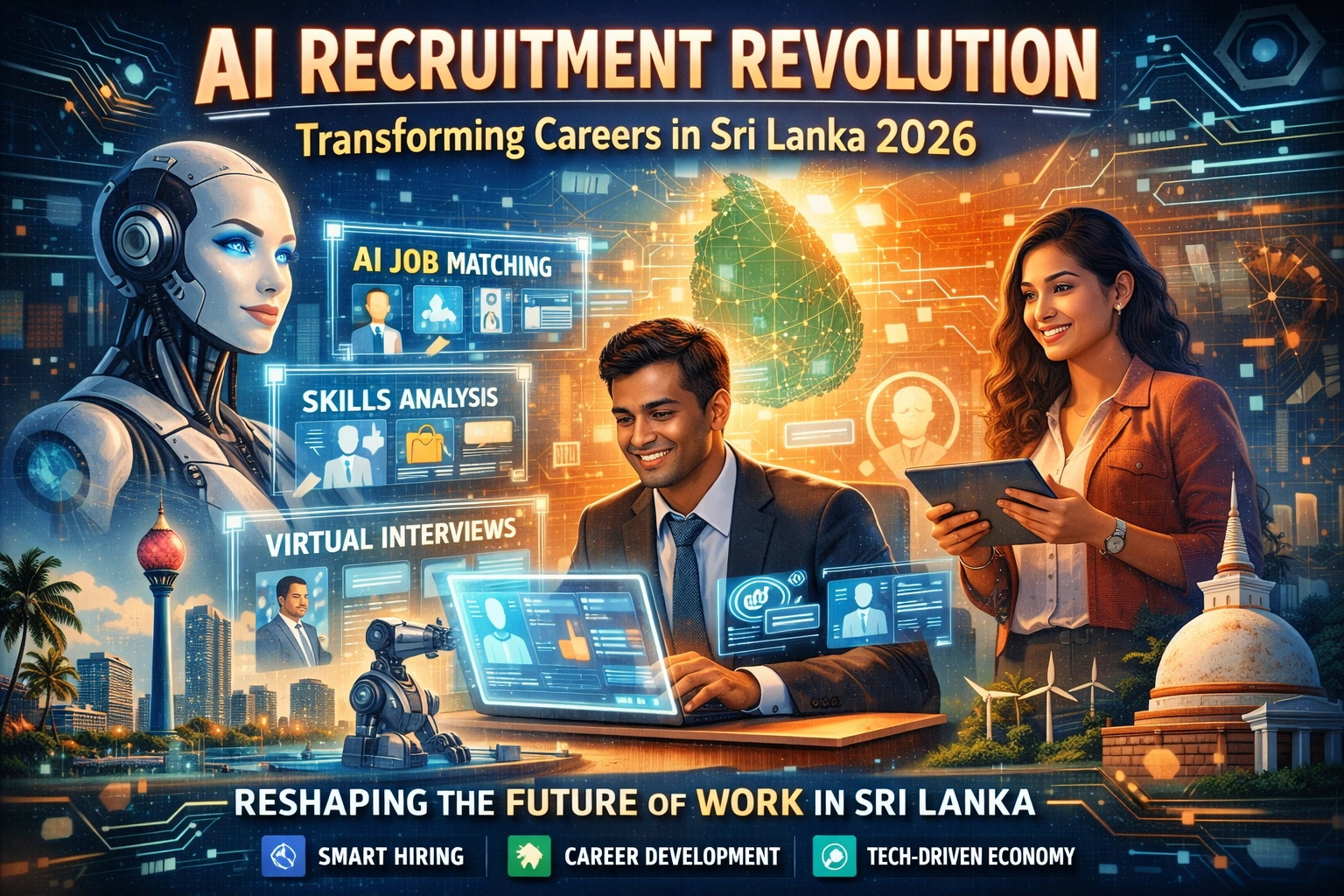
AI Recruitment Revolution: Transforming Careers in Sri Lanka 2026
Introduction: AI Reshaping Sri Lanka's Job Landscape in 2026 In 2026, Sri Lanka's recruitment sector is undergoing a seismic shift powered by artificial intelligence (AI). Traditional hiring processes that once dragged on for 45 days are now compressed to just 14 days, thanks to skills-first algorit