Medicinal Plants Used in Ayurveda
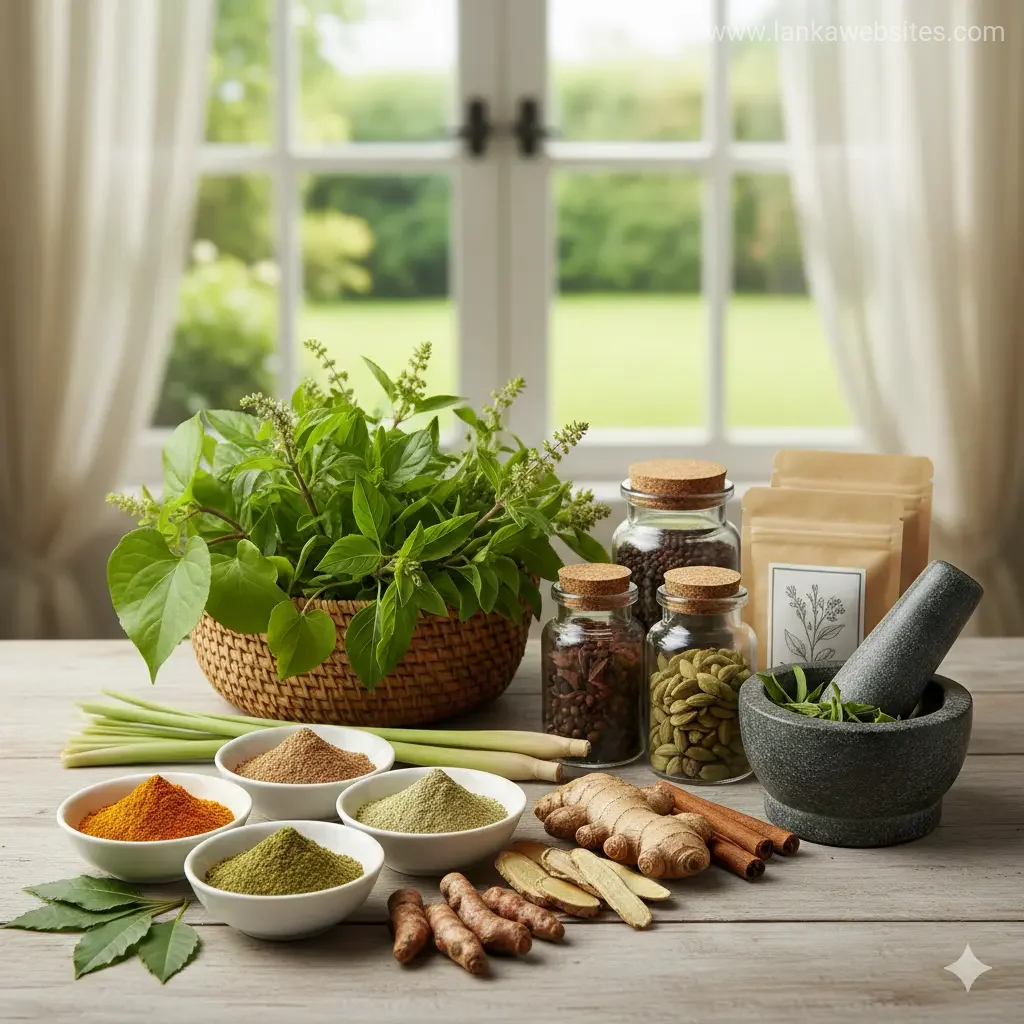
Sri Lanka's tropical climate has blessed us with over 1,400 medicinal plant species, making our island a living pharmacy of natural healing[1]. For centuries, these plants have formed the backbone of
The Lankawebsites editorial team curates, fact-checks, and updates guides on personal finance, property, health, immigration, legal, business, and lifestyle topics relevant to Lankawebsites readers. Articles are produced with AI assistance and reviewed by the editorial team before publication.
Sri Lanka's tropical climate has blessed us with over 1,400 medicinal plant species, making our island a living pharmacy of natural healing. For centuries, these plants have formed the backbone of Ayurvedic medicine, a holistic system that treats not just the body, but the mind and spirit too. Whether you're curious about the herbs growing in your own garden or interested in exploring Ayurveda's ancient wisdom, understanding these medicinal plants connects you to thousands of years of healing tradition that's uniquely Sri Lankan.
What Makes Sri Lanka's Medicinal Plants Special
Ayurveda arrived in Sri Lanka centuries ago from India, but something remarkable happened here. Our ancestors didn't simply adopt the Indian system—they blended it with Hela Wedakama, our indigenous healing tradition, creating a distinctly Sri Lankan approach to wellness. This fusion meant that local physicians expanded their knowledge using plants found only on our island, such as Gotukola, Polpala, Venivel, and Ranawara.
What makes this even more special is our climate. The tropical environment provides conditions that allow a staggering variety of medicinal plants to flourish. This herbal diversity gives Sri Lankan Ayurveda an authenticity and potency that's increasingly recognised globally.
Common Medicinal Plants Used in Sri Lankan Ayurveda
Turmeric (Haldi)
One of the most widely used herbs in Ayurvedic practice, turmeric contains powerful anti-inflammatory compounds. It's used to support joint health, boost immunity, and aid digestion. You'll find turmeric in countless traditional remedies and modern wellness products across Sri Lanka.
Cinnamon (Kurundu)
This aromatic spice, which we grow abundantly in Sri Lanka, has been used for centuries to regulate blood sugar levels, improve circulation, and support digestive health. Cinnamon tea is a simple way to incorporate this medicinal plant into your daily routine.
Aloe Vera (Kumari)
Featured prominently in herbal garden tours across the island, aloe vera is valued for its cooling properties and its ability to soothe inflammation. It's commonly used in Ayurvedic treatments for skin conditions and digestive issues.
Gotu Kola (Gotukola)
This native Sri Lankan herb is considered a "brain tonic" in Ayurveda, traditionally used to enhance memory, reduce anxiety, and support mental clarity. It's one of the plants that makes Sri Lankan Ayurveda distinct from its Indian counterpart.
Neem (Margosa)
Known for its powerful detoxifying properties, neem is used to purify the blood, support skin health, and boost the immune system. It's a key herb in many Ayurvedic cleansing treatments.
Ashwagandha
This adaptogenic herb helps the body manage stress and supports overall vitality. It's increasingly popular among Sri Lankans looking to balance the demands of modern life with traditional wellness practices.
How These Plants Are Used in Ayurvedic Treatment
If you've ever experienced an Ayurvedic treatment in Sri Lanka, you'll know that medicinal plants are used in multiple forms. Practitioners prescribe every herb, oil, paste, tincture, and pill specifically tailored to support your individual immunity and mitigate imbalances.
Common preparation methods include:
- Herbal teas and decoctions — plants are steeped or boiled to extract their healing properties
- Oils and balms — infused with medicinal plants for massage and topical treatments
- Herbal pastes — made from crushed fruits and herbs, applied to specific body parts during treatments
- Powders and tablets — concentrated forms of medicinal plants for easy consumption
- Steam treatments — herbal-infused steam to open pores and cleanse the body
During a typical Ayurvedic retreat in Sri Lanka, you might experience a morning routine that includes yoga, oil treatments, steam baths, and herbal wraps—all designed using these medicinal plants to restore balance to your body.
Herbal Gardens and Where to Explore Medicinal Plants
One of the best ways to learn about medicinal plants is to visit a herbal garden. These gardens, often set amidst lush tropical landscapes, showcase a wide variety of plants that have been used in Ayurvedic medicine for centuries.
On a typical herbal garden tour, you'll be guided by an expert who explains the various herbs, their uses, and their significance in traditional Sri Lankan medicine. Many tours include demonstrations of how herbs are prepared and used in Ayurvedic treatments, and you might even experience a brief massage or treatment using natural products from the garden.
These gardens are often connected to Ayurvedic centres where you can learn about the principles of Ayurveda as a holistic system—how diet, lifestyle, and natural remedies work together to maintain health and treat ailments. You'll also gain insights into local culture and the historical significance of herbal medicine in Sri Lanka, including the spiritual and religious aspects of certain plants.
Most herbal gardens sell herbal teas, oils, balms, and other natural products made from the garden's plants. These make excellent souvenirs or gifts, allowing you to bring a piece of your experience home.
The Science Behind Ayurvedic Herbs
While Ayurveda is an ancient system, it's not stuck in the past. Sri Lankan universities are now combining ancient practice with scientific validation, studying herbal efficacy and disease management. Younger generations of physicians are integrating digital tools and research data to elevate Ayurveda's credibility globally.
This modern approach doesn't diminish the traditional knowledge—instead, it strengthens it. By understanding the biochemical compounds in our medicinal plants, we're able to appreciate why our ancestors used them so effectively for thousands of years.
Sustainability and Conservation of Medicinal Plants
As Sri Lanka moves toward modernisation, there's a growing awareness of environmental preservation. The sustainability of Ayurvedic medicine depends on protecting the forests and farmlands where healing plants grow. Several eco-projects now focus on replanting endangered medicinal species, merging conservation with cultural heritage.
When you visit herbal gardens or book Ayurvedic retreats, you're often supporting these conservation efforts. Many retreats empower local communities by sustaining small-scale herb farms, traditional oil producers, and village therapists, ensuring Ayurveda remains both culturally alive and economically meaningful.
Frequently Asked Questions
Are medicinal plants used in Ayurveda safe for everyday use?
Most medicinal plants used in Ayurveda are safe when used appropriately, but it's important to consult with a qualified Ayurvedic practitioner. They'll recommend specific herbs based on your individual constitution and health needs. Some herbs can interact with medications or may not be suitable during pregnancy, so professional guidance is essential.
Can I grow medicinal plants at home in Sri Lanka?
Absolutely! Many medicinal plants thrive in Sri Lanka's tropical climate. Gotu kola, turmeric, neem, and aloe vera are relatively easy to grow in home gardens. Starting with a few plants is a wonderful way to connect with Ayurvedic traditions and have fresh herbs available for your family.
Where can I buy authentic medicinal plants and Ayurvedic products in Sri Lanka?
You can purchase medicinal plants and products from herbal gardens, Ayurvedic centres, and reputable wellness shops across the country. When buying, look for products from established centres that explain the source and preparation of their herbs. Many Ayurvedic retreats also sell high-quality products directly.
How long does it take to see benefits from using medicinal plants?
This varies depending on the plant, the condition being treated, and your individual constitution. Some people notice improvements within days, while others may need several weeks or months of consistent use. Ayurveda emphasises gradual, sustainable healing rather than quick fixes.
Are there any medicinal plants I should avoid?
While most Ayurvedic herbs are safe, some are potent and should only be used under professional supervision. Pregnant women, people with certain health conditions, and those taking specific medications should consult an Ayurvedic practitioner before using medicinal plants. Never self-diagnose or self-treat serious health conditions.
How do I know if an Ayurvedic product is authentic?
Look for products from registered Ayurvedic practitioners and established wellness centres. Check if they explain the source of their herbs and how products are prepared. Many reputable centres will have certifications or affiliations with Ayurvedic institutions. Personal recommendations from locals you trust are also valuable.
Bringing Ancient Wisdom Into Your Life
Sri Lanka's medicinal plants represent thousands of years of accumulated wisdom about how to live in harmony with nature. Whether you're interested in exploring Ayurveda formally through retreats and treatments, or simply want to incorporate a few herbs into your daily wellness routine, these plants offer something valuable for everyone.
Start small—perhaps with a cup of turmeric tea in the morning or growing a gotu kola plant in your garden. Visit a local herbal garden to deepen your understanding. Connect with qualified Ayurvedic practitioners who can guide you based on your individual needs. By exploring medicinal plants, you're not just investing in your health; you're supporting Sri Lankan farmers, preserving our cultural heritage, and contributing to environmental conservation.
The healing power of our island's medicinal plants is waiting for you to discover it.
Related Articles

Coral Reefs and Marine Ecosystems
Introduction to Coral Reefs and Marine Ecosystems Coral reefs are some of the most diverse and fascinating ecosystems on the planet. Located in the warm,

The Ironwood Tree (Na): Unique to Sri Lanka
Introduction to the Ironwood Tree The Ironwood Tree, also known as Na in Sinhala, is a unique and fascinating species found only in Sri Lanka. As a New Ze

Endemic Palms and Bamboo Species
Introduction to Endemic Palms and Bamboo Species As you explore the beautiful landscapes of New Zealand, you may have noticed the unique and fascinating pl

Forest Types: Lowland, Montane, and Dry Evergreen
Introduction to New Zealand's Forest Types New Zealand is renowned for its stunning natural beauty, and its forests are a significant part of this appeal.