Traditional Sri Lankan Cuisine and Rice Culture
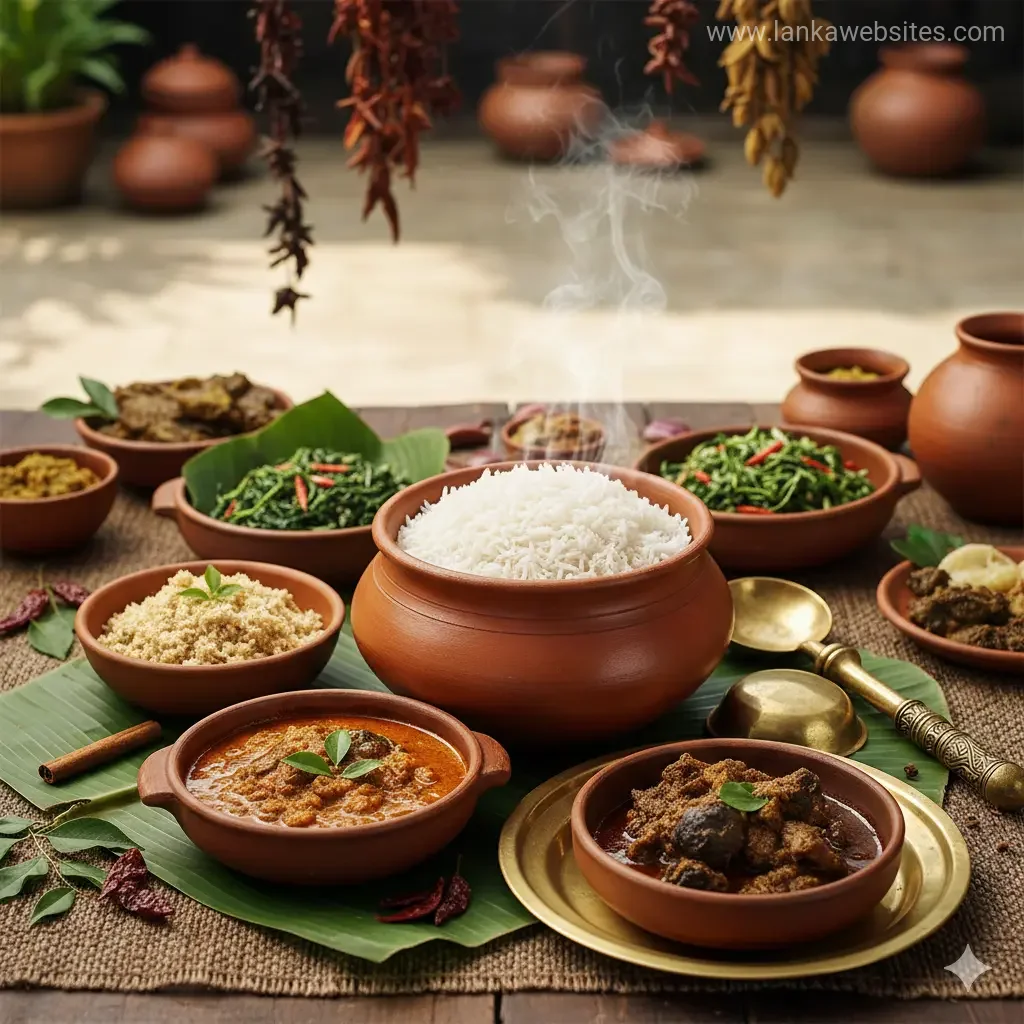
Sri Lankan cuisine is a vibrant tapestry of flavours, spices, and traditions that reflects centuries of cultural heritage and diverse influences. At its heart lies rice—not just as a staple ingredient
The Lankawebsites editorial team curates, fact-checks, and updates guides on personal finance, property, health, immigration, legal, business, and lifestyle topics relevant to Lankawebsites readers. Articles are produced with AI assistance and reviewed by the editorial team before publication.
Sri Lankan cuisine is a vibrant tapestry of flavours, spices, and traditions that reflects centuries of cultural heritage and diverse influences. At its heart lies rice—not just as a staple ingredient, but as a symbol of prosperity, community, and identity that binds our nation together. Whether you're exploring our culinary roots or looking to deepen your appreciation for traditional Sri Lankan food, understanding the significance of rice culture offers insights into who we are as a people.
The Foundation of Sri Lankan Food Culture
Rice isn't simply what we eat in Sri Lanka—it's woven into the fabric of our daily lives and celebrations. Sri Lankan cuisine is centred around many varieties of rice, alongside coconut, which is ubiquitous throughout the country. The way we prepare and serve rice reflects our values, our seasons, and our most important moments.
The central feature of Sri Lankan cuisine is boiled or steamed rice, served with a curry of fish or meat, along with other curries made with vegetables, lentils, or fruits. This simple yet elegant combination—what we know as "rice and curry"—represents the soul of our food culture. It's not about complexity for its own sake; it's about balance, flavour, and nourishment.
What makes Sri Lankan cuisine distinctive isn't just the rice itself, but how we season and accompany it. Sri Lankan cuisine is characterised by unique spice blends with heavy use of Sri Lankan cinnamon and black pepper, as well as by the use of ingredients such as Maldives fish, goraka, pandan leaf, lemongrass, and jaggery made from kithul palm syrup. These aren't random additions—each ingredient tells a story of our island's geography and history.
Rice Varieties and Their Cultural Importance
Sri Lanka is also a consumer of many varieties of red rice, some of which are considered heirloom rices in the country. These traditional varieties aren't just about nutrition; they represent agricultural heritage passed down through generations. When you choose local rice varieties, you're supporting farmers who maintain these traditions and preserving biodiversity that makes our cuisine unique.
Different rice varieties serve different purposes in our kitchens. Some are better for everyday meals, whilst others are reserved for special occasions. Understanding these distinctions helps us appreciate the thoughtfulness behind traditional Sri Lankan cooking—it's not one-size-fits-all, but rather deeply contextual.
Kiribath: The Milk Rice That Symbolises Prosperity
Kiribath or paal soru (literally 'milk rice') is rice cooked in salted coconut milk until the grains turn soft and porridge-like. This beloved dish represents far more than comfort food; it's deeply embedded in our cultural identity.
Kiribath is not only delicious but also deeply rooted in Sri Lankan culture, symbolising prosperity and good fortune. It's prepared on special occasions such as birthdays, New Years, and religious festivals. For many families, the aroma of kiribath cooking signals celebration—whether it's the Sinhalese and Tamil New Year, a family milestone, or a religious observance.
The preparation of kiribath is an art form. Rice is cooked in creamy coconut milk, creating a rich and flavorful texture that's truly unique. The result is a dish where every grain absorbs the coconut flavour, creating a consistency that's neither quite rice nor quite porridge, but something distinctly Sri Lankan.
Serving Kiribath Traditionally
Kiribath is usually served with lunu miris, a relish made with red onions and chillies. This pairing is essential—the spicy, tangy sambol cuts through the richness of the coconut milk, creating a perfect balance. Many sweets are served with kiribath milk rice during the Sinhalese and Tamil New Years, making it a centrepiece of our most important celebrations.
When you serve kiribath, you're not just serving food—you're participating in a ritual that connects you to countless generations of Sri Lankans who've prepared this dish for their families.
Beyond Rice: The Complete Sri Lankan Meal
Whilst rice is central, a traditional Sri Lankan meal is a complete experience. Dishes are accompanied by pickled fruits or vegetables, chutneys, and sambols. Coconut sambol is especially common, a paste of ground coconut mixed with chili peppers, dried Maldives fish, and lime juice.
This approach to meals reflects practical wisdom. The variety of flavours and textures ensures nutritional balance whilst making meals more interesting and enjoyable. Each component serves a purpose—the rice provides sustenance, the curries offer flavour and protein, and the sambols and pickles aid digestion whilst adding complexity.
Other Essential Sri Lankan Rice Dishes
Beyond rice and curry, our culinary tradition includes several other rice-based dishes that showcase different cooking techniques and flavour profiles.
Indi Appa (String Hoppers)
Delicate rice flour noodles, steamed to perfection, that absorb the rich and aromatic flavours of the accompaniments and curries. This dish is lighter than rice, making it popular for breakfast or lighter meals.
Pittu
Steamed cylinders of ground rice layered with grated coconut, offering a mildly sweet and nutty flavour, best enjoyed with spicy curry. The cylindrical shape, created using traditional bamboo or metal moulds, makes pittu visually distinctive and practical to serve.
Hoppers
Bowl-shaped pancakes with a slightly crispy edge and a soft, spongy centre, perfect for soaking up curries with their subtle tanginess. Hoppers represent the versatility of rice flour in our cuisine—the same basic ingredient transforms into something entirely different depending on technique.
Kottu
Stir-fried shredded roti mixed with vegetables, meat, and spices, offering a hearty and spicy medley of flavours and textures. Whilst not strictly a rice dish, kottu represents the evolution of Sri Lankan cuisine—a modern favourite that's become ubiquitous on our streets.
The Influence of Spices and Local Ingredients
What elevates Sri Lankan cuisine beyond simple rice and curry is our masterful use of spices. Sri Lankan cuisine draws inspiration from Indian, Dutch, Portuguese, and Malay influences, creating a unique blend that's distinctly our own.
Key ingredients that define our flavour profile include:
- Sri Lankan cinnamon—considered among the finest in the world, with a delicate, sweet flavour
- Black pepper—providing warmth and depth to curries
- Pandan leaf—offering a subtle, aromatic quality to both savoury and sweet dishes
- Lemongrass—adding citrus notes and freshness
- Goraka (Garcinia cambogia)—providing sourness and digestive benefits
- Maldives fish—a preserved ingredient that adds umami depth
- Jaggery from kithul palm syrup—offering natural sweetness with caramel notes
These aren't imported luxuries—many grow in our own gardens and are harvested seasonally. When you cook with these ingredients, you're connecting with the land and seasons of Sri Lanka.
Rice Culture and Our Celebrations
Rice dishes hold special significance during our major celebrations. The Sinhalese and Tamil New Year, birthdays, religious festivals, and family gatherings all feature rice-based dishes prominently. This isn't coincidental—rice represents abundance, prosperity, and the continuation of life itself in our cultural worldview.
When families gather to prepare kiribath for New Year celebrations, they're not just cooking—they're transmitting cultural knowledge, strengthening family bonds, and honouring traditions that give meaning to our lives.
Preserving Our Culinary Heritage
As Sri Lanka modernises, our traditional food culture faces both opportunities and challenges. Younger generations have access to global cuisines, yet there's growing interest in rediscovering and valuing our culinary roots. Learning to prepare traditional dishes—whether kiribath, rice and curry, or hoppers—is an act of cultural preservation.
Supporting local farmers who grow traditional rice varieties, using locally-sourced spices, and teaching children to cook traditional meals ensures that our food culture thrives for future generations. It's not about rejecting modern food; it's about maintaining the traditions that make us who we are.
Frequently Asked Questions
What's the difference between kiribath and regular rice and curry?
Kiribath is rice cooked entirely in coconut milk from the start, creating a creamy, porridge-like texture. Regular rice and curry involves cooking rice separately in water, then serving it alongside curries. Kiribath is richer, creamier, and typically reserved for special occasions, whilst rice and curry is our everyday meal.
Can I use any type of rice to make kiribath?
Whilst you can use various rice types, traditional Sri Lankan red rice varieties work beautifully and honour our culinary heritage. White rice also works well. The key is using good-quality rice and the correct ratio of coconut milk to rice for the desired creaminess.
What makes Sri Lankan cuisine different from other South Asian cuisines?
Sri Lankan cuisine has its own distinctive spice blends, particularly our use of Sri Lankan cinnamon and black pepper, combined with unique ingredients like pandan leaf, goraka, and Maldives fish. Our cooking style is also lighter and less heavy on oil compared to some neighbouring cuisines, though equally flavourful.
Are traditional Sri Lankan rice dishes suitable for vegetarians?
Absolutely. Many traditional dishes like pittu, hoppers, and vegetable curries with rice are naturally vegetarian. Even kiribath can be prepared vegetarian—the rice and coconut milk form the base, and you can serve it with vegetable curries and sambols instead of meat-based curries.
Where can I find traditional Sri Lankan rice varieties?
Local markets, farmers' markets, and grocery stores throughout Sri Lanka stock traditional rice varieties. Supporting local farmers' markets not only gives you access to quality rice but also supports agricultural communities maintaining these heirloom varieties.
How do I prepare kiribath at home?
The basic method involves cooking rice in a mixture of water and coconut milk with salt, pandan leaf for flavour, and sometimes shallots and chili. The rice cooks until soft and creamy. It's typically served with lunu miris (onion and chilli sambol) and often accompanied by jaggery or other sweets during celebrations.
Conclusion: Honouring Our Food Heritage
Sri Lankan cuisine, centred on rice and enriched by our unique spices and ingredients, represents far more than sustenance—it's a reflection of our identity, values, and connection to our land. Whether you're preparing everyday rice and curry for your family or kiribath for a special celebration, you're participating in traditions that have nourished and united Sri Lankans for generations.
The next time you sit down to a meal of rice and curry, take a moment to appreciate the farmers who grew the rice, the cinnamon and spices that flavour your curry, and the countless generations who perfected these recipes. Consider learning to prepare traditional dishes if you haven't already—it's one of the most meaningful ways to preserve and celebrate our culinary heritage. Visit your local market, speak with older family members about their favourite recipes, and experiment with traditional ingredients. Our food culture is a treasure worth protecting and sharing.
Related Articles

Sri Lankan Traditional Dress: Saree and Sarong
Introduction to Sri Lankan Traditional Dress Sri Lankan culture is a vibrant and rich tapestry, woven from a diverse array of influences and traditions. O

Traditional Crafts: Brass, Wood, and Lacquerwork
Introduction to Traditional Crafts Traditional crafts have been an integral part of human culture for centuries, with various forms of craftsmanship being

Traditional Games: Elle and Kana Mutti
Introduction to Traditional Games As a New Zealander, you might be familiar with the rich cultural heritage of our country, which is home to a diverse rang

Kiribath (Milk Rice): Auspicious Food
Introduction to Kiribath: A Symbol of Good Fortune If you've ever attended a Sri Lankan or Indian festival in New Zealand, you might have come across a tra