Invasive Species Threatening Native Ecosystems
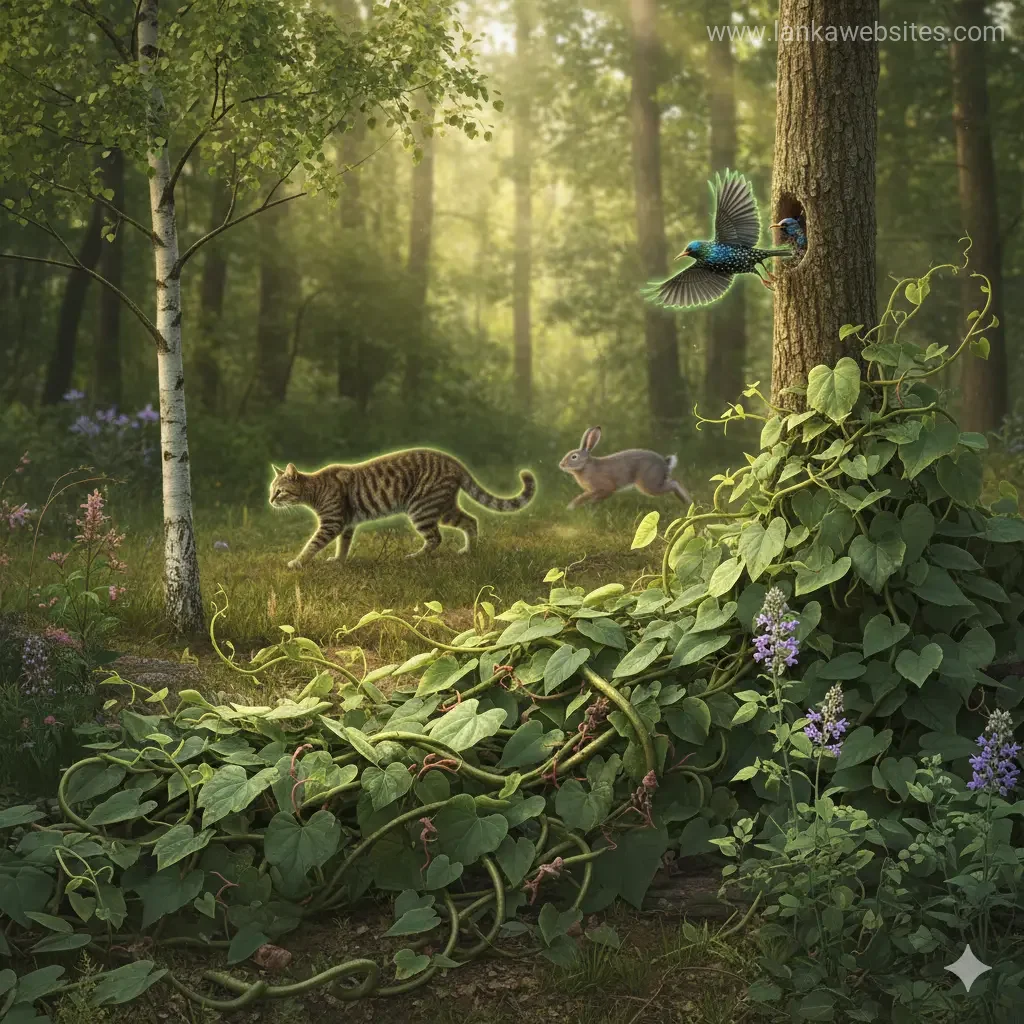
Sri Lanka's reputation as a biodiversity hotspot is under serious threat. Our island nation, home to countless species found nowhere else on Earth, is facing an invasion that's silent but devastating—
The Lankawebsites editorial team curates, fact-checks, and updates guides on personal finance, property, health, immigration, legal, business, and lifestyle topics relevant to Lankawebsites readers. Articles are produced with AI assistance and reviewed by the editorial team before publication.
Sri Lanka's reputation as a biodiversity hotspot is under serious threat. Our island nation, home to countless species found nowhere else on Earth, is facing an invasion that's silent but devastating—and it's happening right now in our forests, waterways, and farmlands. Invasive alien species (IAS) are transforming our native ecosystems, destroying livelihoods, and pushing our unique wildlife toward extinction. The good news? There's plenty we can do about it, and many of us are already taking action.
Why Sri Lanka Is So Vulnerable to Invasive Species
Sri Lanka is one of the world's 35 biodiversity hotspots, with extraordinary levels of endemic species—plants and animals found nowhere else on the planet. We have about 894 endemic flowering plant species and 43% of our indigenous vertebrates are found only here. This makes our ecosystems incredibly special, but also incredibly fragile.
The problem is that our unique species evolved in isolation. They've never had to compete with aggressive predators or fast-growing plants from other parts of the world. When invasive species arrive—whether accidentally through trade or deliberately through the aquarium and pet industries—our native wildlife has no natural defences. They're outcompeted, eaten, or simply pushed out by more aggressive invaders.
The scale of the problem is staggering. Of the species found in Sri Lanka, 27% of birds, 66% of amphibian species, 56% of mammals, 49% of freshwater fish species, 59% of reptiles, and 44% of flowering plant species are threatened. Much of this decline is directly linked to invasive species transforming our landscapes.
The Invasive Species Already Here
Plant Invaders
Our forests and grasslands are under siege from aggressive plants. The government has identified 32 flora species as priority IAS that need urgent control. Some of the most destructive include:
- Water Hyacinth and Giant Salvinia—These aquatic plants choke our waterways, making them impassable and destroying habitats for fish and other aquatic life.
- Lantana—This thorny shrub is spreading rapidly in protected areas like Udawalawe National Park, where it's replacing the grasses that wild elephants depend on for food.
- Ulex (Gorse)—A thorny European shrub that's aggressively invading montane grasslands in Horton Plains National Park, outcompeting native flora and creating serious fire hazards.
- Guinea Grass and Prickly Pear—These species transform the structure of natural ecosystems, reducing biodiversity and agricultural productivity.
Animal Invaders
Our freshwater ecosystems are under particular pressure from invasive fish species. The government has now banned the import, sale, and transportation of several dangerous predatory fish, including the giant snakehead, knife fish, alligator gar, and piranha. These species can grow over a metre long and have extremely sharp teeth. They're aggressive hunters that devastate populations of native fish and other aquatic creatures.
In our mollusc populations, we're facing new threats. An invasive mussel species (Mytilopsis strigata) is spreading across Asia and has already been detected in at least one shrimp farm inside a protected wetland in Sri Lanka. Dense colonies of this mussel foul aquaculture equipment, reduce oyster production, and outcompete native bivalves. In Kerala, India, this mussel caused a 38% drop in oyster spat settlement, threatening both biodiversity and livelihoods.
Other invasive molluscs already established in Sri Lanka include the giant African land snail and apple snails. We've also documented the acute bladder snail in the Bomburu Ella area of the central highlands, likely spread through the aquarium trade.
How Invasive Species Damage Our Economy and Society
Impact on Agriculture and Livelihoods
Invasive species don't just harm wildlife—they directly damage our economy. IAS infestations result in direct crop losses. They suppress native plants that livestock and wild animals depend on for forage, reducing the productive area of farmland and parks. The costs of controlling invasive species are enormous: between 2010 and 2014, Rs. 37 million was spent on IAS control and management, while the Department of Irrigation alone spent Rs. 324 million since 2008 on cleaning tanks, canals, and waterways affected by invasive species.
Tourism and Biodiversity Loss
Sri Lanka's tourism industry depends heavily on our unique wildlife and pristine natural areas. As invasive species transform our ecosystems, we lose the very attractions that draw visitors—and the foreign exchange they bring. The loss of biodiversity directly affects tourism, fisheries, and agriculture.
Food Security and Aquaculture
Our fishing and aquaculture industries face serious threats from invasive molluscs and fish. When invasive mussels foul aquaculture gear and clog nets in cage farms, they interfere with harvesting and reduce productivity. This threatens both food security and the livelihoods of fishing communities.
What's Being Done to Combat Invasive Species
Government Action and Bans
The government is taking concrete steps. In 2025, the Fisheries Ministry launched a nationwide campaign to eradicate invasive fish species, banning the import, sale, and transportation of giant snakehead, knife fish, alligator gar, and piranha. People who already keep these species in private aquariums were given three months to register them with authorities.
The government also hosted a fishing competition at Deduru Oya reservoir in Kurunegala, where over 1,000 anglers were instructed to catch only invasive fish species. Ministry officials explained that removing large numbers of invasive fish in a single day helps control their populations before they spread further.
Community-Led Environmental Action
Community involvement is crucial. An EU-funded project called "Strengthening Activism for Environmental Rights (SAFER)" is helping remove invasive plants like ulex from Horton Plains National Park and other sensitive areas. In February 2025, around 120 community members and officials collaborated to clear 50,000 square metres of invasive plants.
Biosecurity and Early Detection
Experts emphasize that early detection and rapid response are far cheaper and more effective than long-term control. Invasive invertebrates are particularly challenging because they often have hidden life stages, reproduce quickly, and spread undetected through shipping and trade. Authorities at ports, customs, and quarantine points need to be regularly updated on emerging invasive species threats.
What You Can Do
Don't Release Pet Fish or Plants
Many invasive species arrive through the aquarium and pet trade. Never release pet fish, plants, or other animals into rivers, lakes, or natural areas—even if you think you're helping them. This is one of the main ways invasive species establish themselves in new ecosystems.
Support Local Control Efforts
Join community clean-up events and invasive species removal programmes in your area. These initiatives need volunteers, and your participation helps protect local ecosystems.
Report Sightings
If you spot an unusual fish, plant, or animal in a natural area, report it to the Department of Wildlife Conservation or visit www.iassrilanka.lk for contact information and resources.
Buy Responsibly
When purchasing aquarium fish or plants, buy only from reputable suppliers. Ask where species come from and whether they're native or invasive. Support businesses that follow biosecurity guidelines.
Learn and Educate Others
Understanding invasive species helps you recognize them and spread awareness. Share what you learn with family and friends. The more people who understand the threat, the more effective our collective response.
Frequently Asked Questions
What's the difference between an invasive species and an introduced species?
An introduced species is one that humans bring to a new area, either deliberately or accidentally. An invasive species is an introduced species that causes ecological, economic, or health damage by spreading rapidly and outcompeting native species. Not all introduced species are invasive, but invasive species are always introduced.
Why is it so hard to control invasive species once they're established?
Invasive species are successful precisely because they're aggressive, reproduce quickly, and have few natural predators in their new environment. Once they're widespread, removing them becomes extremely expensive and time-consuming. This is why prevention and early detection are so important.
Are there any invasive species that have actually been successfully eradicated in Sri Lanka?
While complete eradication is rare, early intervention can prevent further spread. The government's recent ban on invasive fish species and the ongoing removal of ulex from Horton Plains show that with commitment and resources, we can control invasive species before they become impossible to manage.
How can I identify invasive fish species if I see them in a lake or river?
Giant snakeheads can grow over a metre long and have distinctive elongated bodies and sharp teeth. Alligator gar have long snouts and bony plates. Visit www.iassrilanka.lk for pictorial guides and training materials that help you recognize priority invasive species.
What should I do if I catch an invasive fish?
Keep it. Don't release it back into the water. If you catch invasive fish during official removal campaigns, bring them to designated collection points. If you catch one outside of a campaign, contact the Department of Wildlife Conservation or local fisheries authorities for guidance.
How does climate change affect invasive species?
Warmer temperatures and changing rainfall patterns can make conditions more favourable for invasive species to establish and spread. This means the threat is likely to increase in coming years, making prevention and early response even more critical.
The Path Forward
Invasive alien species represent one of the most serious threats to Sri Lanka's unique biodiversity, our agricultural productivity, and our tourism economy. But unlike some environmental challenges, this is one where individual actions matter enormously. By refusing to release pets into the wild, supporting community removal efforts, reporting sightings, and spreading awareness, each of us can help protect the ecosystems that make our island extraordinary.
The window for action is narrowing. Early detection and rapid response are dramatically cheaper and more effective than trying to control established invasive species. If you're interested in getting involved, visit www.iassrilanka.lk for contact information, guides, and details on how to participate in control efforts in your area.
Our endemic species—the plants and animals found nowhere else on Earth—are counting on us. The time to act is now.
Related Articles

Coral Reefs and Marine Ecosystems
Introduction to Coral Reefs and Marine Ecosystems Coral reefs are some of the most diverse and fascinating ecosystems on the planet. Located in the warm,

The Ironwood Tree (Na): Unique to Sri Lanka
Introduction to the Ironwood Tree The Ironwood Tree, also known as Na in Sinhala, is a unique and fascinating species found only in Sri Lanka. As a New Ze

Endemic Palms and Bamboo Species
Introduction to Endemic Palms and Bamboo Species As you explore the beautiful landscapes of New Zealand, you may have noticed the unique and fascinating pl

Forest Types: Lowland, Montane, and Dry Evergreen
Introduction to New Zealand's Forest Types New Zealand is renowned for its stunning natural beauty, and its forests are a significant part of this appeal.