Marine Protected Area Network
Sri Lanka's oceans are our lifeblood—teeming with vibrant coral reefs, diverse marine life, and vital fisheries that sustain coastal communities from Jaffna to Matara. Yet, threats like overfishing, p
The Lankawebsites editorial team curates, fact-checks, and updates guides on personal finance, property, health, immigration, legal, business, and lifestyle topics relevant to Lankawebsites readers. Articles are produced with AI assistance and reviewed by the editorial team before publication.
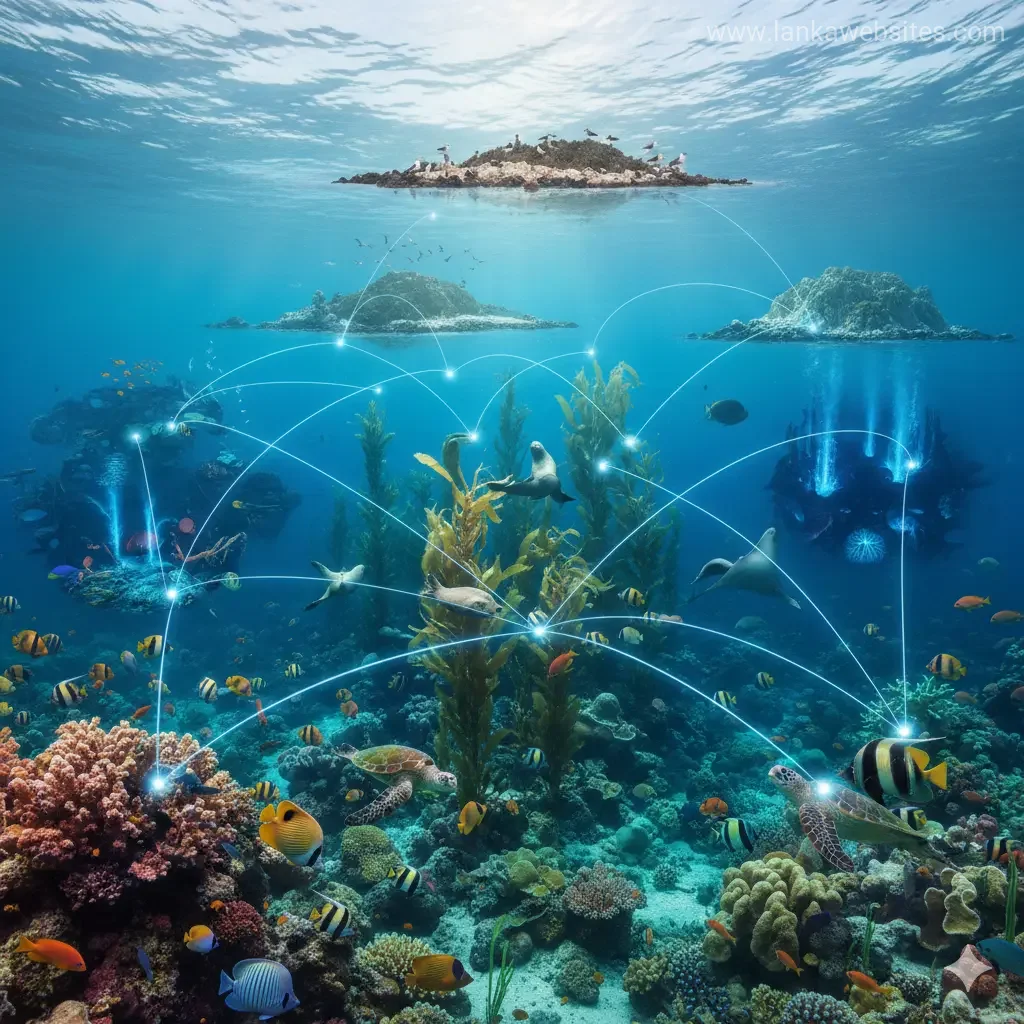
Sri Lanka's oceans are our lifeblood—teeming with vibrant coral reefs, diverse marine life, and vital fisheries that sustain coastal communities from Jaffna to Matara. Yet, threats like overfishing, pollution, and climate change endanger these treasures. That's where the Marine Protected Area Network steps in, a strategic system designed to safeguard our marine ecosystems while supporting sustainable livelihoods for locals.
This network connects individual Marine Protected Areas (MPAs) across our island nation, enhancing biodiversity conservation, resilience to climate impacts, and economic benefits for fishers and tourism operators. As we push towards global targets in 2026, understanding this network empowers you to get involved, whether you're a diver in Hikkaduwa or a policymaker in Colombo.
What is a Marine Protected Area Network?
A Marine Protected Area Network is a collection of MPAs linked together to achieve broader conservation goals than isolated sites could alone. In Sri Lanka, it focuses on conserving ecosystems, supporting fisheries recovery, and building resilience against stresses like rising sea temperatures and coastal development.
Unlike standalone MPAs, a network emphasises connectivity—allowing fish and larvae to migrate between sites, ensuring genetic diversity and ecosystem health. Our government's Department of Wildlife Conservation (DWC) envisions it as a framework to maintain viable populations of all coastal and marine biota.
Key Components of Sri Lanka's MPA Network
- Conservation Objectives: Record baseline biodiversity by 2026 and enhance management for resilient ecosystems.
- Socioeconomic Objectives: Map and register livelihoods by 2030, creating alternative income sources like ecotourism by 2033.
- Governance Objectives: Demarcate MPA boundaries and complete zonation by 2026, with full resource acquisition by 2028.
These targets align with our commitments under the Convention on Biological Diversity (CBD), aiming for 30% terrestrial and marine protection by 2030 through MPAs and Other Effective Area-based Conservation Measures (OECMs).
Sri Lanka's Current Marine Protected Areas
Our MPA coverage stands at just 0.1% of marine territory, highlighting the urgency for expansion. Key sites include:
- Hikkaduwa National Park: Famous for coral reefs and sea turtles, it's a no-take zone promoting fish stocks recovery.
- Lumala Wilpattu: Protects mangroves and seagrass beds vital for juvenile fish.
- Pigeon Island: A sanctuary for sharks and rays, monitored by groups like Blue Resources Trust.
- Great Basses and Little Basses: Remote reefs supporting pelagic species.
Currently, the World Database on Protected Areas (WDPA) logs these, but integrating OECMs—like Environmentally Sensitive Areas (ESAs) and Environmental Protection Areas (EPAs)—could boost coverage significantly. IUCN Sri Lanka is crafting a national OECM strategy, with the first site declaration imminent.
Challenges Facing Our MPAs
Poaching, destructive fishing gear, plastic pollution, and coral bleaching from El Niño events strain these areas. The 2023 MPA Best Practice Workshop in Colombo identified poor boundary demarcation and limited enforcement as key gaps.
Recent Developments and 2026 Milestones
2026 marks pivotal progress. By this year, all MPA boundaries must be surveyed, demarcated, and declared, with baseline biodiversity inventories complete. Our Nationally Determined Contributions (NDC 3.0) for 2026-2035 emphasise expanding the PA network for climate resilience, including coastal and marine sectors.
Sharks International 2026 in Colombo will convene experts, building on local monitoring by Blue Resources Trust for sharks, rays, and chimaeras.
Global Connections: High Seas Treaty and BBNJ
Sri Lanka ratified the Biodiversity Beyond National Jurisdiction (BBNJ) Agreement, or High Seas Treaty, entering force on 17 January 2026 after 60 ratifications. As an island nation and Indian Ocean Rim Association (IORA) Chair, we're poised to propose high seas MPAs beyond 200 nautical miles, protecting migratory species that reach our waters.
This complements our network by creating sanctuaries like those in the Salas y Gómez Ridge, benefiting Sri Lankan fishers through sustainable fisheries.
Laws and Regulations Governing MPAs in Sri Lanka
The Wildlife Conservation Ordinance (amended 2022) empowers DWC to declare and manage MPAs. Fisheries and Aquatic Resources Act No. 2 of 1996 regulates zoning, with no-take zones enforced by the Navy and Coast Guard.
Recent 2025 Cabinet approval for BBNJ integrates international law, mandating sustainable practices. For OECMs, national guidelines are emerging via IUCN, distinguishing them from EPAs under the National Environmental Act.
How Locals Can Comply and Benefit
- Fishers: Adhere to zoning—use apps like DWC's MPA mapper for boundaries.
- Tour Operators: Obtain permits from Department of Fisheries for snorkelling in designated areas.
- Communities: Join co-management committees for input on livelihoods.
Practical Tips for Visiting and Supporting MPAs
Whether you're planning a trip or advocating locally, here's actionable advice:
- Choose Responsibly: Dive in permitted zones only—avoid touching corals to prevent bleaching.
- Report Violations: Use DWC hotline (1926) or Navy apps for poaching sightings.
- Support Alternatives: Buy from community seaweed farms near MPAs, reducing pressure on reefs.
- Participate in Clean-ups: Join annual events by Wildlife and Nature Protection Society (WNPS).
- Stay Informed: Follow DWC's 2026 MPA Network updates via their portal.
For businesses, Lanka Websites can help build eco-tourism sites highlighting compliant operators, boosting visibility.
FAQ
What is the status of Sri Lanka's MPA coverage in 2026?
Marine coverage is 0.1%, with expansions via OECMs targeting 30% combined by 2030.
How does the MPA Network benefit fishers?
It spill-over boosts fish stocks outside boundaries, mapped livelihoods by 2030 ensure alternatives like tourism.
Can locals get involved in management?
Yes, through DWC community partnerships—contact your divisional secretariat for committees.
What's new with high seas protection for Sri Lanka?
BBNJ Treaty enables MPAs beyond our EEZ, ratified and active from January 2026.
Are there penalties for MPA violations?
Fines up to LKR 500,000 and vessel seizures under Fisheries Act—enforced by joint patrols.
How to access MPA maps?
Download from DWC website or WDPA portal for GPS boundaries.
Next Steps: Get Involved Today
Our Marine Protected Area Network is evolving fast—don't wait for 2030 targets. Visit a local MPA responsibly, join a conservation NGO like IUCN Sri Lanka or WNPS, or advocate for OECM declarations in your coastal area. Check DWC resources for volunteer opportunities, and together, we'll secure thriving oceans for our children. For tailored websites promoting eco-tourism, reach out to Lanka Websites.
Related Articles

Horton Plains National Park: Cloud Forest and World's End
Introduction to Horton Plains National Park Horton Plains National Park, located in the central highlands of Sri Lanka, is a unique and fascinating destina

Wasgamuwa National Park: Elephant and Sloth Bear Habitat
Introduction to Wasgamuwa National Park Wasgamuwa National Park, located in the North Central Province of Sri Lanka, is a treasured gem for wildlife enthus

Peak Wilderness Sanctuary: Protecting Adam's Peak
Introduction to Peak Wilderness Sanctuary The Peak Wilderness Sanctuary, located in Sri Lanka, is a protected area that surrounds the famous Adam's Peak, a

Udawalawe National Park: Elephant Watching Paradise
Introduction to Udawalawe National Park Udawalawe National Park, located in the southern region of Sri Lanka, is a must-visit destination for anyone intere