Ancient Hydraulic Civilization of Sri Lanka
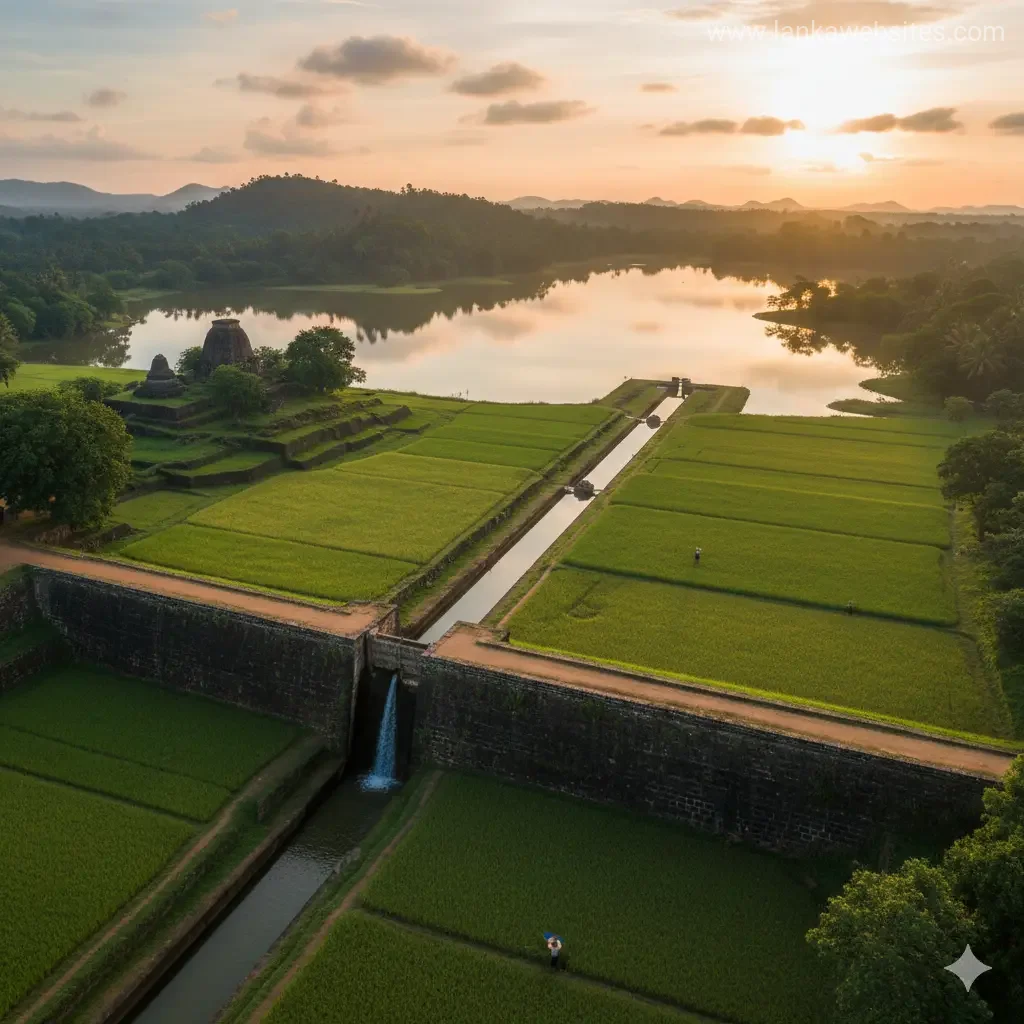
Imagine standing by the massive Abhaya Wewa in Anuradhapura, watching water shimmer under the sun—water captured and stored over 2,300 years ago by our ancestors. This wasn't just engineering; it was
The Lankawebsites editorial team curates, fact-checks, and updates guides on personal finance, property, health, immigration, legal, business, and lifestyle topics relevant to Lankawebsites readers. Articles are produced with AI assistance and reviewed by the editorial team before publication.
Imagine standing by the massive Abhaya Wewa in Anuradhapura, watching water shimmer under the sun—water captured and stored over 2,300 years ago by our ancestors. This wasn't just engineering; it was the heartbeat of Sri Lanka's ancient hydraulic civilization, a marvel that turned our dry zone into thriving paddy fields and bustling communities.
Our island's story is one of ingenuity, where kings and villagers alike built tanks, canals, and sluices that sustained life for over a thousand years. From Pandukabhaya's early wewas to Parakramabahu the Great's grand revival, this civilization powered agriculture, society, and even our Buddhist heritage. Today, in 2026, as we face climate challenges, understanding these roots helps us appreciate sites like Minneriya and plan modern water projects.
What Made Sri Lanka's Hydraulic Civilization Unique?
Sri Lanka's ancient hydraulic civilization stood apart from others like those in Mesopotamia or Egypt, which relied on mighty rivers. Here, our forebears created an artificial system of tanks—or wewas—built by hand to harvest rainwater in the dry zone. This began around the 4th century BC, predating Buddhism's arrival, proving it was a homegrown revolution in irrigation.
The system evolved in stages: from rainfed farming to river diversions, weirs, spillways, and finally massive storage reservoirs enabled by the invention of the sluice—a clever valve controlling water flow from tanks to fields. By the height of Anuradhapura's era (3rd century BC to 10th century AD), over 30,000 wewas dotted the landscape, from village-scale ponds to giants like Kala Wewa and Minneriya.
Key Innovations in Ancient Engineering
- Sluices (Kirisiruva): Wooden or stone gates that regulated water release, preventing floods and ensuring steady supply. Carbon dating places some at over 2,000 years old.
- Cascade Systems: Tanks linked in sequences across tributaries, mimicking natural ecosystems for soil conservation and efficient use—identified in studies of southern Sri Lanka's Mau Ara project.
- Spillways and Bunds: Curved dams built with echelons on streams, using excavated soil for nearby stupas, blending engineering with faith.
These weren't solo efforts; chronicles like the Mahavamsa record irrigation as a king's duty, intertwining it with ethics and religion. The temple, village, and tank formed the civilization's core.
Timeline of Hydraulic Marvels: Kings and Their Legacies
Our hydraulic story unfolded across centuries, with royal patronage driving expansion. Here's a glimpse:
Early Foundations (4th–1st Century BC)
King Pandukabhaya (437–367 BC) kickstarted it with Abhaya Wewa (Basawak Kulama) and Jaya Wewa—medium tanks that proved rainwater storage worked wonders for paddy. By the 1st century CE, King Vasabha added 11 large tanks and 12 canals.
Golden Age of Anuradhapura (1st–7th Century AD)
King Mahasena (3rd century) earned 'Minneri Deviyo' for Minneriya tank and 16 others. Moggallana II (531–551 AD) built Nachchaduwa Wewa and boosted Nuwara Wewa; Aggabodhi II (604–614 AD) followed suit. King Datusena (5th century) engineered even grander works.
Revival and Decline (11th–13th Century)
Chola invasions crippled the north-central plains around 1000 AD, but Vijayabahu I expelled them in 1070 AD. Parakramabahu the Great (1153–1186 AD) sparked a final bloom, restoring tanks across Rajarata with public involvement—a model of community revival. Magha's 1215 invasion ended it, pushing Sinhalese southwards.
This thousand-year span (200 BC–1200 AD) irrigated 103 drainage basins, especially the dry zone, sustaining a population through advanced sociotechnical systems.
Decline and Modern Echoes
Invasions by Cholas, Kalinga, and later colonials breached tanks and forgot knowledge. British scholars like Brohier documented them in the 1930s, sparking interest. Post-independence, the Mahaweli Development Programme (accelerated 1978) built six reservoirs and canals for irrigation, hydropower, and flood control—echoing ancient wisdom with modern tech.
In 2026, the Irrigation Department maintains over 10,000 minor tanks, many restored from ancient ones. Climate change and erratic monsoons make this heritage vital; cascade systems inspire sustainable farming in the dry zone.
Visiting Ancient Hydraulic Sites: A Local's Guide
We're lucky—many sites are right here, protected by the Department of Archaeology. Plan day trips to connect with our past. Here's practical advice:
Must-See Sites Near You
- Anuradhapura: Abhaya Wewa, Tissa Wewa, Nachchaduwa. Cycle around for free; entry ~LKR 7,500 for foreigners, less for locals via annual passes.
- Polonnaruwa: Parakrama Samudra—Parakramabahu's mega-tank. Combine with Gal Vihara.
- Minneriya National Park: Minneriya tank draws elephants at 'The Gathering'. Safari ~LKR 5,000–10,000 per jeep (2026 rates).
- Kala Wewa: Near Galenbindunuwewa—serene, less crowded, great for birdwatching.
Practical Tips for Locals
- Best Time: Dry season (May–September) for low water levels revealing sluices; Yala/Maha for lush fields.
- Transport: Use CTB buses to Anuradhapura (from Colombo ~LKR 1,500); tuk-tuks for sites.
- Archaeology Laws: No touching structures—fines up to LKR 100,000 under Antiquities Ordinance. Drone permits from Civil Aviation Authority.
- Resources: Download 'Sri Lanka Heritage' app by Central Cultural Fund; join Archaeology Department tours (book via archaeology.gov.lk).
- Sustainable Visits: Carry reusable bottles—tanks are sacred; don't litter.
These outings aren't just tourism; they're lessons in resilience for our water-scarce future.
Lessons for Today: Reviving Hydraulic Wisdom
Ancient systems teach us water conservation amid 2026's droughts. The Irrigation Department's 'Tank Cascade Modernization' restores 1,000+ small tanks yearly, boosting farmer incomes by 20–30% via better paddy yields. Communities in Pemaduwa still rely on them for paddy, fishing, and mixed crops.
As locals, get involved: Join Gam Sabha meetings for tank maintenance, or volunteer with Mahaweli Authority. It's our duty, just like the ancient kings'.
FAQ: Common Questions on Sri Lanka's Ancient Hydraulic Civilization
1. When did Sri Lanka's hydraulic civilization begin?
It started in the 4th century BC with Pandukabhaya's tanks, evolving over 2,000 years.
2. How many ancient tanks were there?
Over 30,000, from small village wewas to massive royal ones like Minneriya.
3. Why did it decline?
Foreign invasions, especially Cholas (10th century) and Magha (1215), breached infrastructure, leading to migration south.
4. Can we still see these tanks?
Yes—Anuradhapura, Polonnaruwa, and Minneriya are UNESCO sites and open to locals at low cost.
5. How does it relate to modern Sri Lanka?
Mahaweli projects and tank restorations draw from ancient cascade systems for sustainable irrigation.
6. Is visiting regulated?
Yes, follow Antiquities Ordinance—no damage or unauthorized digs; check archaeology.gov.lk for updates.
Discover Your Heritage: Next Steps
Start small: Visit Abhaya Wewa this weekend, or read the Mahavamsa at a local library. Follow the Department of Archaeology on social media for 2026 excavations. By honouring our ancient hydraulic civilization, we secure water for tomorrow—let's keep the wewas flowing for generations.
Related Articles

The Ancient Kingdom of Ruhuna
Introduction to the Ancient Kingdom of Ruhuna The ancient kingdom of Ruhuna, located in present-day Sri Lanka, is a fascinating piece of history that showc

The Ancient Rajarata (King's Land) Civilization
Introduction to the Ancient Rajarata Civilization The Ancient Rajarata Civilization, also known as the King's Land, is a fascinating and mysterious ancient

Guard Stones and Architectural Elements
Introduction to Guard Stones and Architectural Elements As you wander through the historic sites of New Zealand, you may have stumbled upon intriguing ston

Ancient Forest Monasteries (Aranya Senasana)
Introduction to Ancient Forest Monasteries As you wander through the lush forests of New Zealand, it's easy to imagine a sense of tranquillity and peace th