The Cascade System: Interconnected Ancient Reservoirs
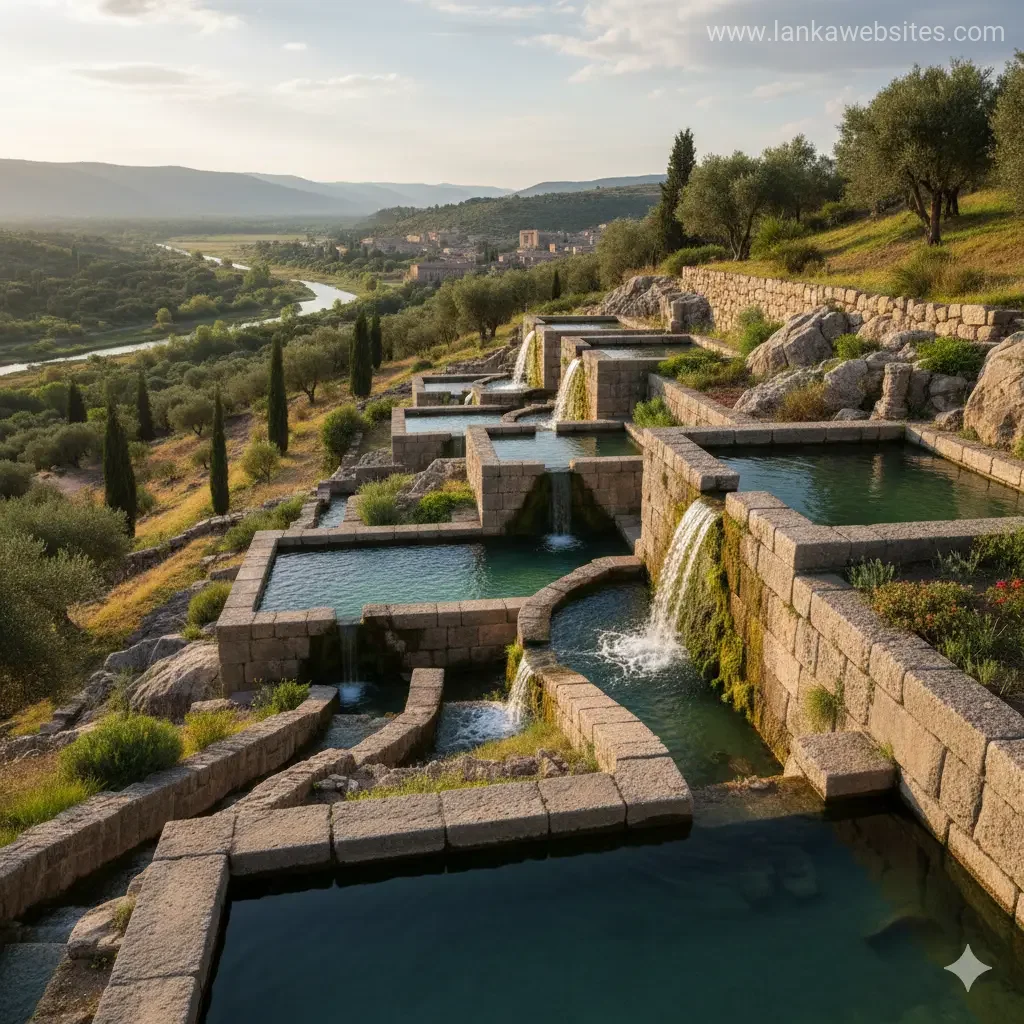
Introduction to the Cascade System The Cascade System, also known as the Cascade Range, is a fascinating network of interconnected ancient reservoirs that
The Lankawebsites editorial team curates, fact-checks, and updates guides on personal finance, property, health, immigration, legal, business, and lifestyle topics relevant to Lankawebsites readers. Articles are produced with AI assistance and reviewed by the editorial team before publication.
Introduction to the Cascade System
The Cascade System, also known as the Cascade Range, is a fascinating network of interconnected ancient reservoirs that stretch across the South Island of New Zealand. This unique geological formation is not only a marvel of nature but also plays a crucial role in shaping the region's landscape and ecosystem. As you delve into the world of the Cascade System, you'll discover a complex network of rivers, lakes, and waterfalls that have been carved out over millions of years. In this article, we'll take you on a journey to explore the Cascade System, its history, and its significance to the environment and local communities.
The Cascade System is a remarkable example of New Zealand's diverse and complex geology. The system comprises a series of interconnected reservoirs, rivers, and lakes that flow through the Southern Alps, eventually emptying into the West Coast. This intricate network of waterways has been shaped by millions of years of tectonic activity, glaciation, and erosion. As a result, the Cascade System is home to some of the most spectacular and diverse landscapes in New Zealand, including towering mountain peaks, pristine lakes, and picturesque valleys.
As you explore the Cascade System, you'll have the opportunity to experience the raw beauty of New Zealand's wilderness. From hiking and camping to fishing and kayaking, there are plenty of ways to enjoy the great outdoors and connect with nature. Whether you're a seasoned adventurer or just looking for a relaxing getaway, the Cascade System has something to offer everyone. In the following sections, we'll dive deeper into the history, geology, and ecology of the Cascade System, as well as provide practical tips and advice for visiting this incredible region.

Geology of the Cascade System
The Cascade System is a product of New Zealand's complex geological history. The region has been shaped by millions of years of tectonic activity, including faulting, folding, and volcanism. The Southern Alps, which form the backbone of the Cascade System, are a relatively young mountain range, with rocks dating back to the Mesozoic era. Over time, the region has been subjected to intense glaciation, with glaciers carving out valleys and creating lakes and reservoirs. Today, the Cascade System is a dynamic and constantly evolving environment, with ongoing geological processes continuing to shape the landscape.
The geology of the Cascade System is characterised by a diverse range of rocks, including granite, gneiss, and schist. These rocks have been shaped by a combination of tectonic forces, weathering, and erosion, resulting in a unique and complex landscape. The system's many lakes and reservoirs are a key feature of the geology, with many of these water bodies being glacial in origin. Some of the most notable lakes in the Cascade System include Lake Wakatipu, Lake Te Anau, and Lake Manapouri.
Key Geological Features
Some of the key geological features of the Cascade System include:
- Fault lines: The Cascade System is crisscrossed by a network of fault lines, which have played a significant role in shaping the region's geology.
- Glacial valleys: The system's many glacial valleys, such as the Dart Valley and the Routeburn Valley, are a testament to the region's geological history.
- Waterfalls: The Cascade System is home to many spectacular waterfalls, including the famous Lady Bowen Falls and the Bridal Veil Falls.
Ecology of the Cascade System
The Cascade System is home to a diverse range of flora and fauna, with many species being found nowhere else in the world. The region's unique geology and climate have created a variety of habitats, from alpine grasslands to temperate rainforests. The system's many lakes and reservoirs support a wide range of aquatic life, including fish, birds, and insects. The Cascade System is also an important habitat for many native New Zealand species, including the kiwi, the kakapo, and the tuatara.
The ecology of the Cascade System is closely tied to the region's geology and climate. The system's many lakes and reservoirs are fed by a network of rivers and streams, which provide a constant source of freshwater. The region's unique geology has also created a variety of microclimates, with different areas supporting different types of vegetation and wildlife. Some of the most notable ecological features of the Cascade System include:
- Native forests: The system is home to many native forests, including beech, rimu, and totara.
- Alpine grasslands: The region's alpine grasslands are home to a variety of unique and endangered species, including the NZ falcon and the kea.
- Wetlands: The Cascade System's many wetlands, including marshes and swamps, provide important habitat for many aquatic species.
Visiting the Cascade System
The Cascade System is a popular destination for outdoor enthusiasts, with many opportunities for hiking, camping, fishing, and kayaking. The region is home to many scenic trails, including the famous Routeburn Track and the Milford Track. The system's many lakes and reservoirs offer excellent fishing and boating opportunities, with many species of fish, including trout and salmon. For those looking for a more relaxing experience, the Cascade System is also home to many scenic viewpoints, including the famous Lady Bowen Falls and the Mirror Lakes.
Practical Tips for Visiting
If you're planning to visit the Cascade System, here are a few practical tips to keep in mind:
- Check the weather: The Cascade System is known for its unpredictable weather, so make sure to check the forecast before heading out.
- Bring appropriate gear: The region's rugged terrain and changeable weather mean that it's essential to bring appropriate gear, including sturdy hiking boots, waterproof clothing, and a first aid kit.
- Respect the environment: The Cascade System is a fragile and unique environment, so make sure to respect the wildlife and vegetation, and take all rubbish with you when you leave.
Conservation Efforts
The Cascade System is a unique and fragile environment, and as such, it requires careful management and conservation. The New Zealand government has implemented a range of conservation efforts, including the creation of national parks and wildlife reserves. The Department of Conservation (DoC) is responsible for managing the region's many conservation areas, including the Fiordland National Park and the Mount Aspiring National Park.
Ways You Can Help
There are many ways you can help to conserve the Cascade System, including:
- Supporting conservation organisations: Organisations such as the DoC and the NZ Conservation Society rely on public support to continue their conservation efforts.
- Reducing your impact: When visiting the Cascade System, make sure to reduce your impact on the environment by taking all rubbish with you, staying on designated trails, and respecting wildlife.
- Spreading awareness: By spreading awareness about the importance of conservation, you can help to inspire others to take action and protect the Cascade System for future generations.
Conclusion and Key Takeaways
The Cascade System is a unique and fascinating region, with a complex geology, diverse ecology, and rich cultural heritage. As you explore this incredible region, remember to respect the environment, support conservation efforts, and take time to appreciate the natural beauty of the Cascade System. Some of the key takeaways from this article include:
- The Cascade System is a complex and dynamic environment, with ongoing geological processes continuing to shape the landscape.
- The region is home to a diverse range of flora and fauna, with many species being found nowhere else in the world.
- Conservation efforts are essential, to protect the Cascade System for future generations.
- You can help to conserve the Cascade System, by supporting conservation organisations, reducing your impact, and spreading awareness about the importance of conservation.
By following these tips and taking the time to appreciate the natural beauty of the Cascade System, you can help to ensure the long-term health and sustainability of this incredible region. Whether you're a seasoned adventurer or just looking for a relaxing getaway, the Cascade System has something to offer everyone. So why not start planning your trip today, and experience the raw beauty of New Zealand's wilderness for yourself?
Related Articles

Diyaluma Falls: Second Highest Waterfall in Sri Lanka
Introduction to Diyaluma Falls As you explore the natural wonders of the world, you might come across a hidden gem in Sri Lanka - Diyaluma Falls. Located

Devon Falls: Twin Waterfall Near Nuwara Eliya
Introduction to Devon Falls As you explore the beautiful hills and valleys of Sri Lanka, you'll come across a stunning natural wonder that's sure to leave

The 103 River Basins of Sri Lanka
Introduction to Sri Lanka's River Basins Sri Lanka, an island nation located in the Indian Ocean, is home to a diverse range of river basins that play a cr

Victoria Reservoir: Largest Reservoir by Volume
Introduction to Victoria Reservoir The Victoria Reservoir, located in the South Island of New Zealand, is a remarkable feat of engineering and a vital comp