Migratory Birds: Winter Visitors to Sri Lanka
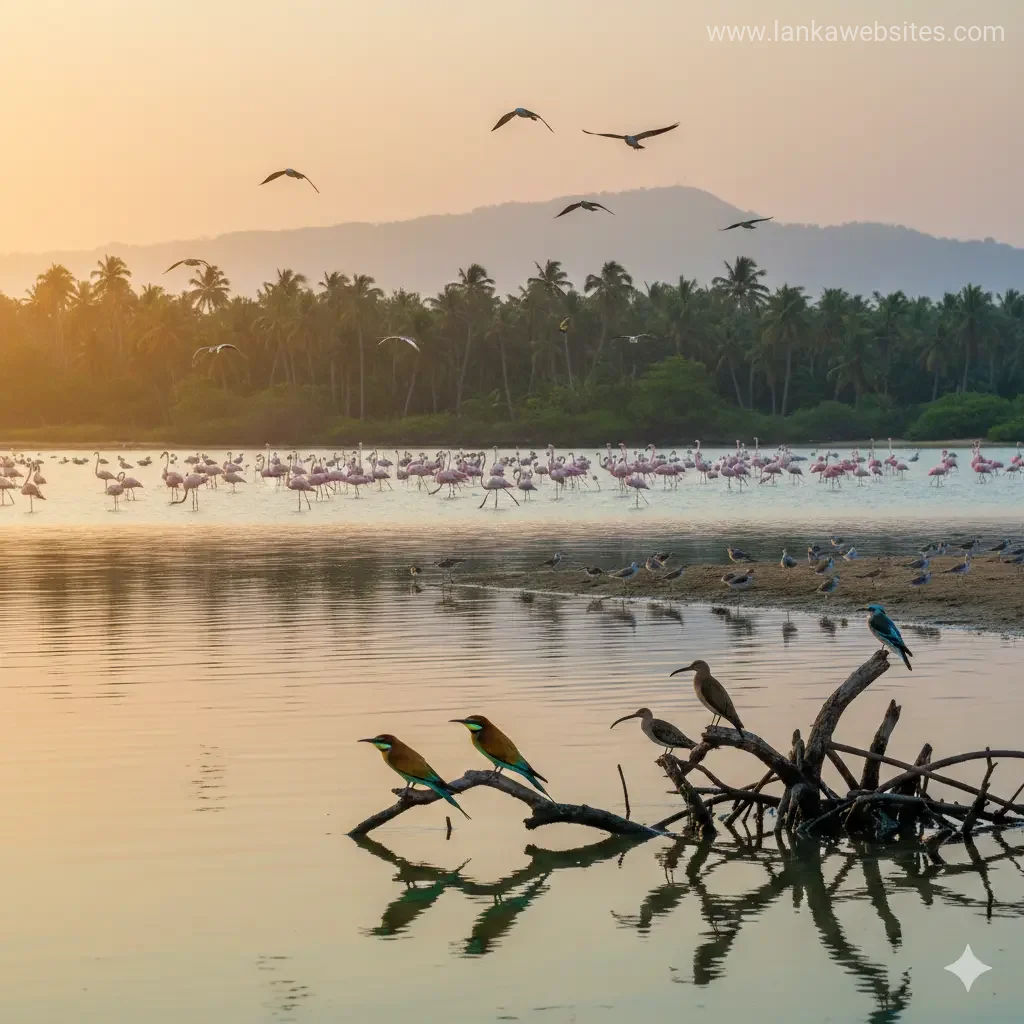
Every year, as winter grips the northern hemisphere, thousands of birds take flight on extraordinary journeys spanning continents. Many of them find their way to our island, transforming Sri Lanka int
The Lankawebsites editorial team curates, fact-checks, and updates guides on personal finance, property, health, immigration, legal, business, and lifestyle topics relevant to Lankawebsites readers. Articles are produced with AI assistance and reviewed by the editorial team before publication.
Every year, as winter grips the northern hemisphere, thousands of birds take flight on extraordinary journeys spanning continents. Many of them find their way to our island, transforming Sri Lanka into one of Asia's most important bird sanctuaries. These winter visitors—some travelling over 5,000 kilometres from Siberia, Europe, and Central Asia—arrive in our wetlands, lagoons, and forests seeking warmth, food, and shelter. Understanding these migratory birds not only enriches our appreciation for nature but also highlights why protecting our wetlands is crucial for global biodiversity.
What Are Migratory Birds?
Migratory birds are species that travel long distances between their breeding grounds and wintering grounds at regular intervals each year. This natural phenomenon occurs because these birds cannot survive extreme winter conditions and food shortages in their home regions, so they migrate to warmer climates where resources are abundant.
Sri Lanka's position in the Indian Ocean makes it an ideal stopover and wintering ground. Our tropical climate, extensive wetlands, and diverse habitats provide perfect conditions for these travellers to rest, feed, and regain strength before continuing their journeys or settling for the winter season.
How Many Migratory Birds Visit Sri Lanka?
Sri Lanka hosts an impressive number of migratory visitors. According to the Department of Wildlife Conservation, the island is home to over 430 bird species overall, with approximately 200 being migratory. Of these migratory species, about 100 are regular winter visitors, whilst the remainder are occasional visitors or vagrants that appear unpredictably.
The majority of these migrants arrive during the northern winter months, typically from late August or September through to April or May. However, we also receive seabirds like shearwaters, petrels, and storm-petrels from the southern hemisphere during their winter season.
When to Spot Migratory Birds in Sri Lanka
Peak Birdwatching Season
If you're keen on observing migratory birds, October to early May is the ideal window. During this period, all winter visitors are present, and you'll have excellent chances of spotting impressive species like the Indian Pitta, Pied Thrush, Kashmir Flycatcher, and Orange-headed Thrush.
However, if you're interested in resident and endemic bird species rather than migrants, May, June, and July are also rewarding months to visit.
Off-Season Birdwatching
Don't assume the non-migration months are quiet. Sri Lanka's 235 resident bird species—including 34 endemic species found nowhere else on Earth—remain year-round, providing excellent birdwatching opportunities throughout the year.
Key Migratory Bird Species You'll Encounter
Water Birds and Waders
Some of the most commonly seen migratory species include sandpipers, terns, plovers, and the spectacular greater flamingo, which migrate in large flocks. Other regular visitors include:
- Garganey (a dabbling duck)
- Marsh sandpiper
- Wood sandpiper
- Pintail snipe
- Whiskered tern
- Black-tailed godwit
- Common Redshank
These species typically winter in our wetlands and coastal areas, where they find abundant food sources.
Forest Migrants
The Indian Pitta is one of the most sought-after migratory species. This bird, native to the Indian subcontinent and bred in the Himalayan Hills, migrates to Sri Lanka during winter. What's remarkable is that you might hear or spot Indian Pittas even in busy cities like Colombo, in parks and home gardens, during the migration season.
Sri Lanka's Most Important Wetlands for Migratory Birds
Bundala National Park
Bundala National Park stands as Sri Lanka's first UNESCO Biosphere Reserve and an internationally important wintering ground for migratory water birds. The park harbours 197 bird species, with the greater flamingo being a highlight. The wetland habitats support approximately 100 water bird species, with about half being migrants. A morning safari at Bundala is ideal for bird lovers seeking to observe thousands of migratory birds in their natural habitat.
Kumana National Park
Located on the eastern coast, Kumana's coastal lagoons provide critical habitat for migratory water birds and serve as an important stopover point during migration season.
Muthurajawela Wetlands
Situated near Colombo, these wetlands represent an accessible birdwatching destination for locals and tourists alike. The Muthurajawela Wetlands form part of the living map of migration routes across the country.
Other Vital Wetland Sites
Additional important stopover points include:
- Anawilundawa mangroves
- Chilaw Sand Spits
- Mannar Lagoons
- Kalametiya Bird Sanctuary
- Somawathiya National Park (which hosts around 75 migrant species in its marshes)
These sites function as critical stepping stones where migratory birds can rest, feed, and regain strength before continuing their journeys.
Endemic Birds: Sri Lanka's Unique Treasures
Whilst migratory birds are spectacular, don't overlook our resident endemic species. Sri Lanka has 34 documented endemic bird species found nowhere else on Earth. Sinharaja Forest Reserve alone hosts 90% of the country's endemic bird species, often seen in spectacular mixed-species flocks.
Endemic species include the Sri Lanka Whistling Thrush, Sri Lanka Thrush, Sri Lanka Wood Pigeon, Orange-billed Babbler, Sri Lanka Spurfowl, Crimson-back Flameback Woodpecker, and many others.
Why Protecting Migratory Bird Habitats Matters
The journey of migratory birds represents one of nature's most remarkable phenomena. Every year, flocks travel thousands of kilometres following ancient routes established over centuries. However, these journeys face increasing threats.
The loss of even a single wetland can disrupt entire flyways that have existed for centuries. As South Asia faces mounting pressures from human development, habitat loss, and climate change, protecting our wetlands becomes increasingly critical not just for Sri Lanka's biodiversity, but for global bird conservation.
When we protect a wetland in Sri Lanka, we're protecting a crucial link in a chain that spans from Siberia to Africa. Our responsibility extends far beyond our borders.
Birdwatching in Sri Lanka: A Growing Tourism Asset
Migratory birds generate significant tourism revenue for Sri Lanka. Thousands of international visitors arrive specifically for birdwatching, staying in hotels, hiring guides, and supporting local communities. This creates economic incentives for conservation whilst allowing locals to benefit from their natural heritage.
If you're interested in guiding tourists or developing birdwatching experiences, the peak season (October to May) offers the most diverse bird viewing opportunities and attracts the most visitors.
Frequently Asked Questions
When do migratory birds arrive in Sri Lanka?
Most migratory birds arrive in late August or September and stay until April or May. October to early May is the peak season when all winter visitors are present.
Where's the best place to see migratory birds in Sri Lanka?
Bundala National Park is the most famous destination, harbouring 197 bird species including thousands of migratory water birds. Other excellent sites include Kumana National Park, Muthurajawela Wetlands, and Kalametiya Bird Sanctuary.
How far do these birds travel?
Some migratory birds fly over 5,000 kilometres to reach Sri Lanka, travelling from places as far as Siberia, Northern India, and Europe.
Can I see migratory birds outside the October to May season?
Migratory species are less common outside this window, but Sri Lanka's 235 resident bird species—including 34 endemic species—remain year-round, offering excellent birdwatching opportunities throughout the year.
What's the difference between migratory and endemic birds?
Migratory birds travel seasonally between breeding and wintering grounds, whilst endemic birds are resident species found only in Sri Lanka and nowhere else on Earth. Sri Lanka has 34 endemic bird species.
How can I contribute to protecting migratory birds?
Support wetland conservation efforts, avoid disturbing birds during birdwatching, support local conservation organisations, and advocate for protecting critical habitats like Bundala and Kumana National Parks.
Next Steps: Experience Sri Lanka's Migratory Birds
Whether you're a keen birder, a casual nature enthusiast, or someone interested in conservation, Sri Lanka's migratory birds offer unforgettable experiences. The next time you visit a wetland or forest during the October to May season, take a moment to observe these remarkable travellers. Each bird represents an incredible journey spanning continents and centuries of evolutionary adaptation.
Consider visiting one of our national parks or wetlands, hiring a local birdwatching guide, or simply spending time observing the birds in your own garden—you might be surprised at the diversity visiting our island. By appreciating these birds, we naturally become advocates for the wetlands and forests they depend on, ensuring that future generations can witness these annual migrations.
Related Articles

Wild Boar: Widespread Forest Inhabitant
Introduction to Wild Boar in New Zealand Wild boar, also known as feral pigs or wild pigs, are a widespread forest inhabitant in New Zealand. These animal

Saltwater Crocodile: Coastal and Estuarine Resident
Introduction to the Saltwater Crocodile As you explore the coastal and estuarine regions of Northern Australia, Papua New Guinea, and Southeast Asia, you m

Endemic Vs Migratory Bird Species
Introduction to New Zealand's Bird Species New Zealand is renowned for its unique and diverse range of bird species. From the kiwi, our national symbol, t

Sperm Whales: Deep Ocean Residents
Introduction to Sperm Whales Sperm whales are one of the most fascinating creatures in the deep ocean. As a New Zealander, you may have had the opportunit