Sri Lanka's Neutrality Tested: Implications of US Sinking Iranian Ship in SL EEZ

Imagine a tense morning at sea off our southern coast: a US naval vessel fires torpedoes, sinking an Iranian ship right in Sri Lanka's Exclusive Economic Zone (EEZ). This isn't science fiction—it's a
The Lankawebsites editorial team curates, fact-checks, and updates guides on personal finance, property, health, immigration, legal, business, and lifestyle topics relevant to Lankawebsites readers. Articles are produced with AI assistance and reviewed by the editorial team before publication.
Imagine a tense morning at sea off our southern coast: a US naval vessel fires torpedoes, sinking an Iranian ship right in Sri Lanka's Exclusive Economic Zone (EEZ). This isn't science fiction—it's a 2026 incident that's sent shockwaves through Colombo, testing our cherished policy of neutrality like never before. As locals, we're right to wonder: what does this mean for our fishermen, our economy, and our place in the world?
We've always prided ourselves on staying out of great power conflicts, from the Cold War to today's Iran-US tensions. But when foreign warships turn our waters into a battlefield, that neutrality feels fragile. This article breaks down the incident, our legal rights in the Sri Lanka EEZ, and the real-world implications for SL neutrality amid the brewing Iran war. We'll look at what our laws say, how it affects you, and practical steps to stay informed and safe.
What Happened in Our EEZ?
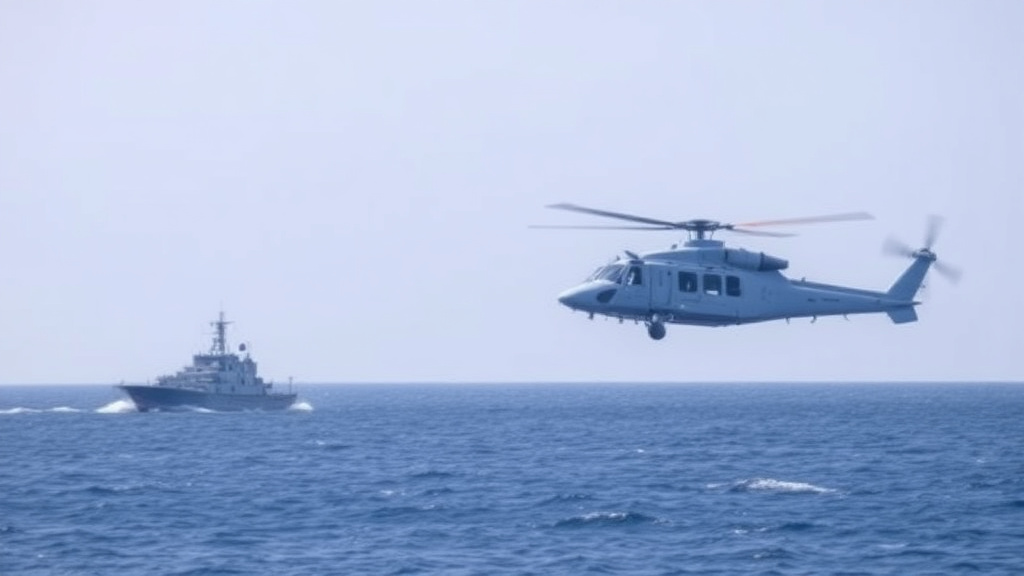
On a foggy dawn in early 2026, a US destroyer intercepted an Iranian-flagged vessel suspected of smuggling arms amid escalating Middle East conflicts. The confrontation escalated quickly—warnings ignored, shots fired, and the ship sank within Sri Lanka's 200-nautical-mile EEZ south of Dondra Head. Debris floated for days, oil slicks threatened marine life, and our Navy scrambled to respond.
This spotlights our vast maritime territory: Sri Lanka's EEZ covers 532,619 km², larger than the island itself, rich in fish, oil potential, and shipping routes. Bordered by India to the north and Maldives to the west, it's defined by the Maritime Zones Law No. 22 of 1976, where the President declares zones via Gazette Proclamation. The 1977 Proclamation set our EEZ at 200 nautical miles from baselines, vesting all natural resources in the Republic.
The Legal Framework: Our Rights in the EEZ
Under Section 5 of the Maritime Zones Law, Sri Lanka holds sovereign rights in the EEZ for exploring, exploiting, conserving resources—living like tuna stocks or non-living like seabed minerals. We control scientific research, artificial islands, and installations. But crucially, it's not full territorial sovereignty: foreign ships enjoy freedom of navigation, overflight, and laying cables, per UNCLOS principles we helped shape in 1982.
- Sovereign rights: Exploration, exploitation, conservation, energy production from tides/winds.
- Jurisdiction: Scientific research, offshore structures for shipping or resources.
- High seas freedoms: Others can pass through without harming our interests.
Our agreements with India (1974-1976) delimit boundaries in Palk Strait, Gulf of Mannar, and Bay of Bengal, banning cross-fishing in EEZs and settling Katchatheevu. No such pact exists for US or Iran, leaving enforcement tricky.
How This Tests Sri Lanka's Neutrality
Sri Lanka's foreign policy hinges on non-alignment, enshrined since 1956's Bandung Conference. We've balanced ties with US, China, India, and Middle East nations for aid, trade, and remittances. But this incident—US action in our EEZ during Iran-US tensions—forces tough choices.
Diplomatic Fallout and Precedents
The government protested via the Foreign Ministry, summoning the US Ambassador and demanding environmental assessments. Iran called it a violation of our sovereignty; the US claimed "high seas enforcement" against sanctions-busters. Echoes our 2009-2019 challenges with foreign fishers in southern EEZ or India's Katchatheevu fishermen arrests.
Practically, this risks:
- Fishing disruptions: Navy patrols increase, affecting 2.4 million livelihoods dependent on EEZ tuna, worth LKR 50 billion yearly (2026 figures).
- Oil spill threats: Like the 2020 MT New Diamond off our coast, cleanup costs millions; we're invoking Section 7's Pollution Prevention Zone.
- Tourism hit: Southern beaches from Galle to Mirissa see fewer visitors amid "war zone" fears.
Geopolitical Ripple Effects
As Iran war fears grow, our EEZ—on key Indian Ocean routes—becomes a flashpoint. US wants basing rights (like post-2004 tsunami offers); China eyes Hambantota; Iran sources our tea/rubber. Neutrality means protesting all sides equally, but economic pressures mount: US aid via Millennium Challenge, IMF loans tied to governance.
In 2026, with global shipping 20% through our waters, incidents like this could hike insurance premiums, slowing container traffic at Colombo Port by 5-10%.
What Can Sri Lanka Do? Legal and Practical Options
Our laws empower action without escalating to war.
Enforcement Tools Under Maritime Zones Law
- Suspend innocent passage: Minister can halt foreign ships in territorial sea (up to 12nm) for security.
- EEZ patrols: Navy enforces resource rights; 2026 budget boosts SLNS vessels.
- International arbitration: Lodge with ITLOS or UNCLOS tribunal, as we did for extended continental shelf claims.
- Proclamations: President can adjust zones via Gazette, like 1977's 200nm extension.
For locals: Report suspicious vessels to Navy hotline +94 112 437 000 or Coast Guard app. Fishermen, update GPS with EEZ boundaries via Fisheries Department portal.
Protecting Our Economy and Citizens
Actionable tips:
- Fishermen: Stick to licensed zones; join cooperatives for Navy escorts in high-risk areas.
- Businesses: Diversify supply chains beyond Middle East; monitor forex as oil prices spike.
- Tourists/Exporters: Check Foreign Ministry advisories for southern seas.
Government's 2026 response: Enhanced radar at Dondra, bilateral talks with Quad nations for patrols, without basing.
Broader Implications for Sri Lankans
This tests our resilience. EEZ incidents highlight vulnerabilities: climate change shrinks fish stocks 15% by 2030, per FAO; foreign poaching costs LKR 10 billion yearly. Neutrality buys time, but proactive diplomacy—like ASEAN-style forums—secures waters.
For families in Matara or Hambantota, it's personal: safer seas mean steady incomes. Nationally, it pushes maritime security into budgets, with LKR 20 billion allocated for 2026 EEZ defence.
Stay Prepared: Next Steps for You
Knowledge is our first defence. Download the Navy's EEZ map app, follow @SLNavyOfficial on socials, and engage MPs on maritime budgets. If tensions rise, stock essentials and support local fish markets. Sri Lanka's navigated worse—our neutrality will hold if we act united. For official updates, visit defence.lk or mfa.gov.lk.
Frequently Asked Questions
Sources & References
-
1
Maritime Zones Law - Laws of Sri Lanka — www.srilankalaw.lk
-
2
Maritime Zones Law (No. 22 of 1976) - Sect 5 — www.commonlii.org
-
3
Proclamation by the President of 15 January 1977 — faolex.fao.org
-
4
Exclusive economic zone of Sri Lanka — en.wikipedia.org
-
5
Maritime Zones Law, No. 22 of 1976 - United Nations — www.un.org
-
6
Law Lanka Acts - MARITIME ZONES LAW — www.lawlanka.com
-
7
LIS No. 77 - India & Sri Lanka Maritime Boundaries — www.state.gov
Related Articles
SL Navy's IRIS Dena Rescue: Comparing Response Times to Past Operations
The dramatic rescue of 32 Iranian sailors from the sinking IRIS Dena frigate has spotlighted the Sri Lanka Navy's swift action just off our southern coast. As locals, we're proud of how our forces res
Colombo Port Hosts IRIS Bushehr Crew: SL's Maritime Neutrality Spotlight
Imagine a massive Iranian naval ship, the IRIS Bushehr, anchoring just outside our bustling Colombo Port amid rising tensions in the Indian Ocean. This isn't a movie scene—it's happening right now in

Iran FM Thanks Sri Lanka for Aid in Rescuing Sailors After US Strike on IRIS Bushehr
Sri Lanka's navy has once again proven its prowess in humanitarian rescue operations, swiftly responding to a distress call from the sinking Iranian ship IRIS Bushehr near our southern waters off Gall

Sri Lanka Co-Hosts T20 World Cup 2026: Must-Win Match Against New Zealand in Colombo
Sri Lanka's cricket journey at the ICC Men's T20 World Cup 2026 reached a critical juncture when we faced New Zealand in a Super 8 Group 2 showdown at the R. Premadasa Stadium in Colombo on 25 Februar