Hakgala Strict Nature Reserve: Montane Biodiversity
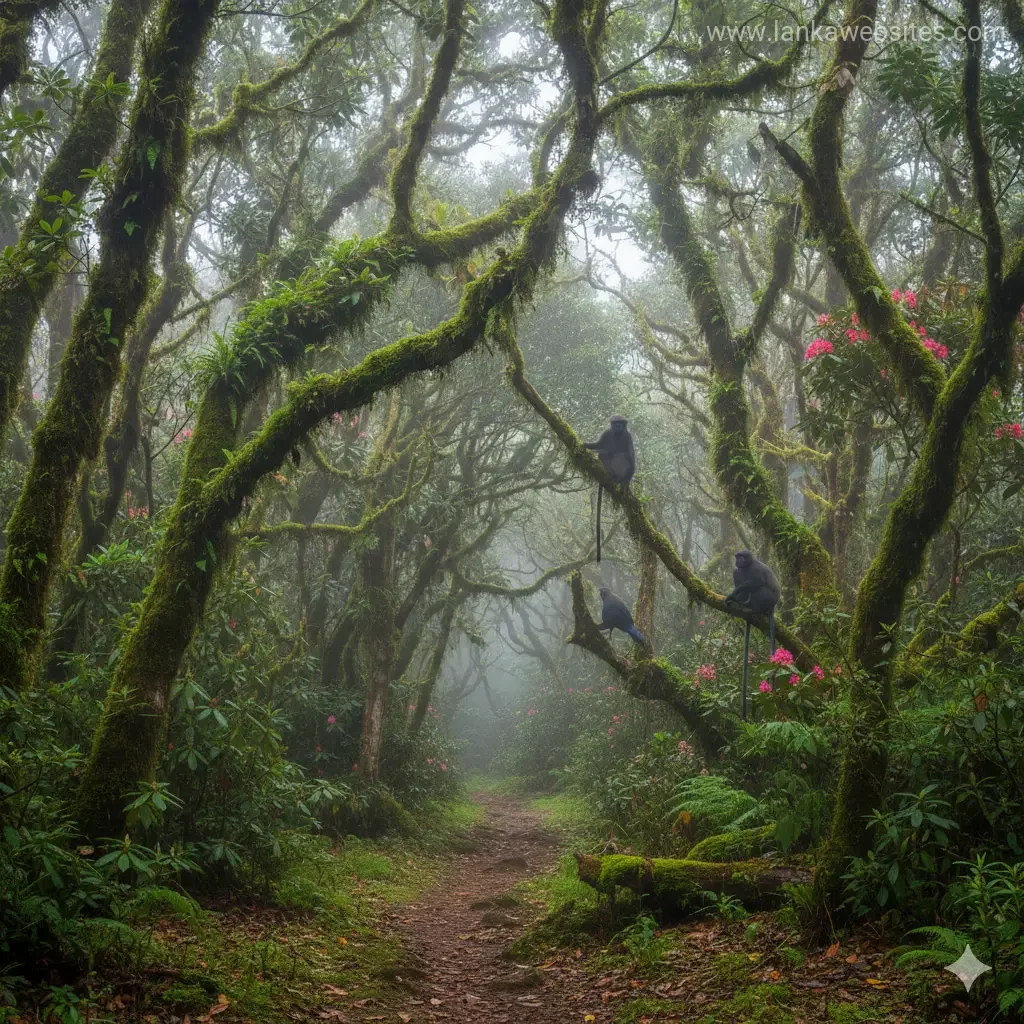
Nestled in the misty highlands of Sri Lanka's central region, Hakgala Strict Nature Reserve stands as one of our nation's most precious ecological treasures. This isolated cloud forest, perched at ele
The Lankawebsites editorial team curates, fact-checks, and updates guides on personal finance, property, health, immigration, legal, business, and lifestyle topics relevant to Lankawebsites readers. Articles are produced with AI assistance and reviewed by the editorial team before publication.
Nestled in the misty highlands of Sri Lanka's central region, Hakgala Strict Nature Reserve stands as one of our nation's most precious ecological treasures. This isolated cloud forest, perched at elevations between 1,650 and 2,178 metres, protects an extraordinary concentration of endemic species found nowhere else on Earth. Whether you're a nature enthusiast, researcher, or simply curious about Sri Lanka's natural heritage, understanding Hakgala's significance offers insight into why we must safeguard these irreplaceable landscapes.
What Makes Hakgala Special?
Hakgala Strict Nature Reserve holds a unique position in Sri Lanka's conservation framework. It's one of only three strict nature reserves in the country, and notably, the only one located in the wet zone. Established on 25 February 1938, this reserve encompasses 1,142 hectares of pristine montane forest.
The name itself tells a story. "Hakgala" derives from Sinhala words—"hak" meaning jaw and "gala" meaning rock—because the mountain peaks resemble an elephant's jaw. This poetic naming reflects how deeply connected our ancestors were to this landscape.
What distinguishes a strict nature reserve from other protected areas? These are among the two highest categories of protected areas recognized internationally. They're designated primarily for research and preservation of large, unspoiled wilderness areas, with the main purpose being to preserve biodiversity as essential reference areas for scientific work and environmental monitoring.
The Landscape and Climate
Elevation and Physical Features
The reserve's dramatic topography ranges from 1,650 metres to 2,178 metres at Hakgala peak. This significant elevation creates distinct microclimates that support specialized plant and animal communities adapted to cool, misty conditions.
The weather here is notably wet and cool. The reserve receives approximately 2,400 millimetres of mean annual rainfall, with rain falling on 211 days of the year. This consistent moisture is crucial for maintaining the cloud forest ecosystem that characterises the reserve.
Adjacent to Hakgala Botanical Garden
The reserve is adjacent to and contiguous with Hakgala Botanical Garden, which was founded in 1860—predating the reserve's formal establishment by 78 years. The garden itself covers 28 hectares and sits at approximately 1,745 metres elevation. Today, the botanical garden houses over 10,000 species of flora, including native and endemic plants, making it an ideal complement to the strict nature reserve.
Endemic Fauna: Wildlife You Won't Find Anywhere Else
Mammals of Hakgala
The reserve's most remarkable feature is its concentration of endemic mammals—species found nowhere else in the world. These include:
- Purple-faced langur
- Toque macaque
- Mayor's mouse
- Ohiya rat
- Kelaart's long-clawed shrew
- Sri Lankan long-tailed shrew
- Pearson's long-clawed shrew
Notably, some of these mammals are strictly endemic to this region alone—meaning if Hakgala's forest disappears, these species disappear forever.
Beyond the endemic species, the reserve also supports other important mammals including Sri Lankan leopard, fishing cat, wild boar, Sri Lankan sambar deer, grizzled giant squirrel, red giant flying squirrel, and pungent pipistrelle. Interestingly, Sri Lankan elephants were reported to be present in the reserve in 1939, though their current status in the area isn't detailed in recent records.
Avifauna: A Birdwatcher's Paradise
For bird enthusiasts, Hakgala is exceptional. The reserve is home to several endemic bird species, including Lanka whistling thrush, spot-winged thrush, common blackbird, and Sri Lanka white-eye. Remarkably, all five bird species that are strictly endemic to this ecoregion are present within the reserve, indicating the high degree of variety and endemicity in Hakgala's avifauna.
Conservation Importance and Research Value
Strict nature reserves like Hakgala serve critical functions in Sri Lanka's conservation strategy. They provide:
- Reference areas for scientific research—allowing scientists to study pristine ecosystems and monitor environmental changes over time
- Genetic repositories—preserving the genetic diversity of endemic species
- Baseline data for conservation planning—helping us understand what healthy montane ecosystems look like
- Protection during climate change—these isolated cloud forests may become refuges for species as lowland habitats warm
The reserve is governed by the Department of Wildlife Conservation, which manages access and research activities to ensure minimal disturbance to the ecosystem.
Visiting Hakgala: What You Should Know
Location and Access
Hakgala Strict Nature Reserve is located in the Central Province and Uva Province, with the nearest city being Nuwara Eliya. The Hakgala Botanical Garden, which sits adjacent to the reserve, is situated on the Nuwara Eliya-Badulla main road, approximately 16 kilometres from Nuwara Eliya.
The journey to Hakgala via the Badulla road is described as a lovely downhill drive, largely through pine forests.
Planning Your Visit
If you're planning to explore the area, here's what to keep in mind:
- Timing—Last entry to Hakgala Botanical Garden is usually around 5 PM, so plan your visit accordingly
- Duration—Allocate at least 2-3 hours to fully appreciate the gardens; you can easily spend half a day if you enjoy leisurely strolls and photography
- What to bring—Pack layers, as the high elevation means it can get chilly even on sunny days. Bring a camera—every path offers stunning natural beauty photo opportunities
- Wildlife spotting—Purple-faced langurs can sometimes be spotted in the late afternoon. Keep an eye out for various bird species throughout your visit
- Activities—Picnicking is popular, with many scenic spots perfect for enjoying a meal amidst nature
Climate Expectations
The pleasant, cool weather that prevails throughout the year at Hakgala blends perfectly with the diverse flora and fauna. Temperatures typically range around 10°C, with the lowest recorded temperature being 3°C. The garden receives rainfall through two monsoons: the southwest monsoon from May to August (with strong winds) and the northeast monsoon from October to December (with thick mist and frequent heavy rains).
Hakgala in Sri Lanka's Protected Area Network
Hakgala Strict Nature Reserve doesn't exist in isolation—it's part of Sri Lanka's broader network of protected areas. Our country has established various categories of protected areas, from national parks to strict nature reserves, each serving different conservation purposes. Strict nature reserves like Hakgala represent the highest level of protection, with access typically restricted to research and educational purposes.
The reserve's isolation, while challenging for some species' survival, has paradoxically helped preserve its unique biodiversity. The surrounding human settlements and agricultural areas create a buffer, though this also means the reserve faces pressures from land-use changes in surrounding regions.
Frequently Asked Questions
Can I visit Hakgala Strict Nature Reserve directly?
Access to the strict nature reserve itself is restricted, primarily for research and scientific purposes. However, you can visit the adjacent Hakgala Botanical Garden, which offers excellent opportunities to experience the montane environment and potentially spot wildlife like purple-faced langurs.
What's the difference between the Botanical Garden and the Strict Nature Reserve?
The Hakgala Botanical Garden is a managed garden established in 1860 with curated plant collections, walking paths, and visitor facilities. The adjacent Hakgala Strict Nature Reserve is an unmanaged natural forest protected for research and conservation. They're contiguous but serve different purposes.
What endemic species are found only at Hakgala?
Several mammals are strictly endemic to Hakgala, including mayor's mouse, Ohiya rat, Kelaart's long-clawed shrew, Sri Lankan long-tailed shrew, and Pearson's long-clawed shrew. Additionally, all five bird species strictly endemic to this ecoregion are found here.
When is the best time to visit?
The cool climate makes Hakgala pleasant year-round. However, if you prefer less rain and better visibility, avoid the monsoon periods (May-August and October-December). The garden is open daily, with last entry around 5 PM.
How long should I spend at Hakgala Botanical Garden?
Plan for at least 2-3 hours for a meaningful visit. If you enjoy leisurely strolls, photography, and picnicking, you can easily spend half a day or more.
Are there accommodation options nearby?
Yes, Nuwara Eliya, just 16 kilometres away, offers various accommodation options ranging from budget guesthouses to luxury hotels. The town is well-established as a hill country destination.
Protecting Hakgala for Future Generations
Hakgala Strict Nature Reserve represents something irreplaceable—a living laboratory of montane biodiversity and a sanctuary for species found nowhere else on Earth. The endemic mammals and birds that call this misty forest home depend entirely on the reserve's continued protection.
Climate change, invasive species, and pressure from surrounding development pose ongoing challenges. The Department of Wildlife Conservation's management of the reserve, combined with the educational role of the adjacent botanical garden, represents a balanced approach to conservation—protecting the wilderness while allowing responsible public engagement with nature.
Whether you're planning a visit to Hakgala Botanical Garden or simply want to understand more about Sri Lanka's natural heritage, remember that reserves like Hakgala are investments in our country's ecological future. Every species preserved here contributes to global biodiversity and provides invaluable knowledge for conservation efforts worldwide.
Next steps: If you're interested in visiting, check the opening hours and plan your trip during favourable weather. Consider hiring a knowledgeable local guide who can help you spot wildlife and explain the ecological significance of what you're seeing. And if you're passionate about conservation, explore opportunities to support the Department of Wildlife Conservation's work in protecting Sri Lanka's natural areas.
Related Articles

Horton Plains National Park: Cloud Forest and World's End
Introduction to Horton Plains National Park Horton Plains National Park, located in the central highlands of Sri Lanka, is a unique and fascinating destina

Wasgamuwa National Park: Elephant and Sloth Bear Habitat
Introduction to Wasgamuwa National Park Wasgamuwa National Park, located in the North Central Province of Sri Lanka, is a treasured gem for wildlife enthus

Peak Wilderness Sanctuary: Protecting Adam's Peak
Introduction to Peak Wilderness Sanctuary The Peak Wilderness Sanctuary, located in Sri Lanka, is a protected area that surrounds the famous Adam's Peak, a

Udawalawe National Park: Elephant Watching Paradise
Introduction to Udawalawe National Park Udawalawe National Park, located in the southern region of Sri Lanka, is a must-visit destination for anyone intere